
50+ Best Things to Do on Maui

Road to Hāna, Haleakalā Sunrise, Beaches, Snorkeling & Hidden Gems

Maui sits in a sweet spot — developed enough to have excellent restaurants and smooth resort infrastructure, wild enough to deliver genuine adventure. The east side of the island is dominated by Haleakalā, a dormant volcano rising to 10,023 feet, with the legendary Road to Hāna winding along its northern coast through 59 bridges and 620 curves of tropical rainforest. The west side has the resort beaches, world-class snorkeling, and — in winter — the densest concentration of humpback whales in the Pacific.

I have been writing about Hawaiʻi for over 20 years. Maui remains the island that delivers the widest range of experiences in a single trip — sunrise above the clouds, world-class snorkeling, a legendary coastal drive, and beaches that rival any in the world, all within a 90-minute drive of each other.

Need help planning? Check our Maui itineraries for 1- to 7-day plans.
Lahaina & West Maui recovery: The August 2023 wildfire devastated Lahaina town, and the community is in active rebuilding. As of 2026, Kaʻanapali, Kapalua, Napili, Wailea, Kīhei, and the Road to Hāna are all fully operational. Visiting West Maui directly supports the recovery. Current West Maui status →
727sq miles
120 miof coastline
10,023 ftHaleakalā peak
5–7days ideal

Maui Activity Map

All major activities on this page, mapped. Click any marker for details and a Google Maps link.

Road to Hāna

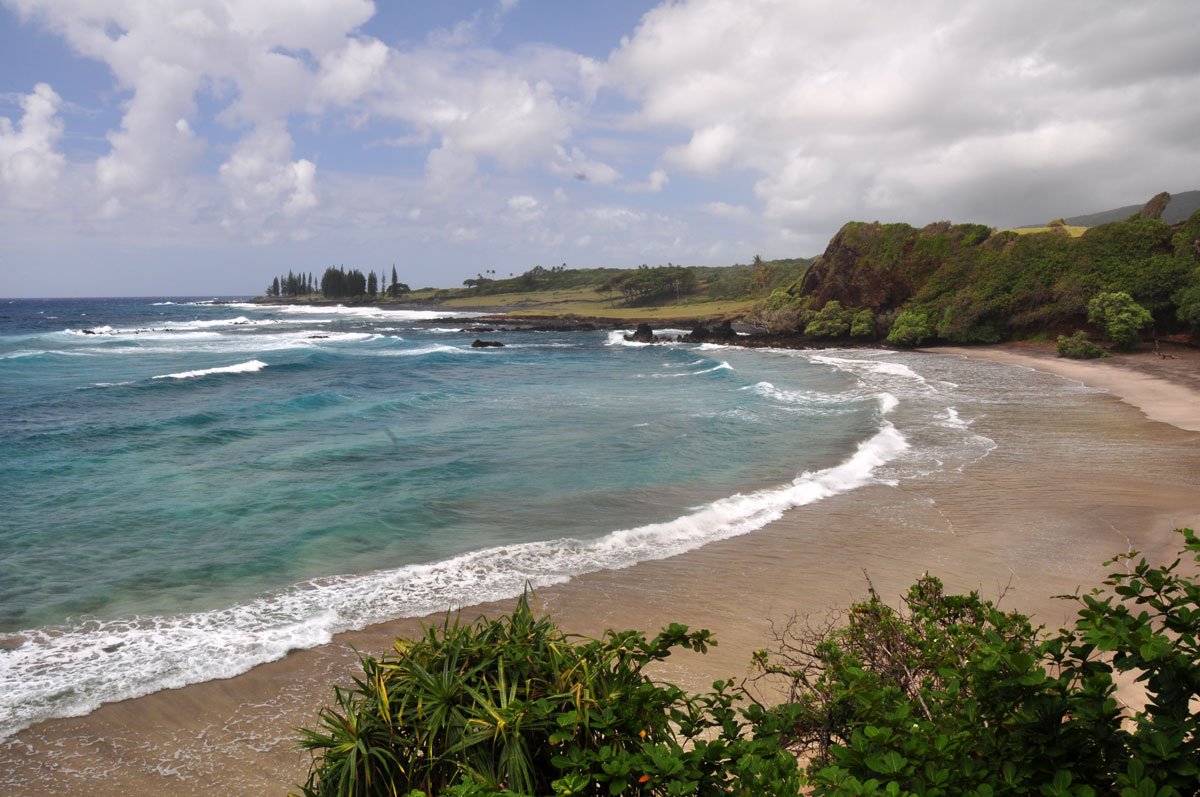
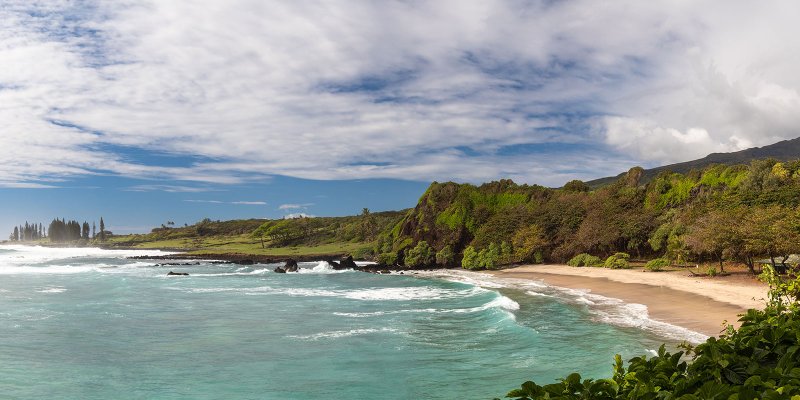
Hamoa Beach along the Road to Hana

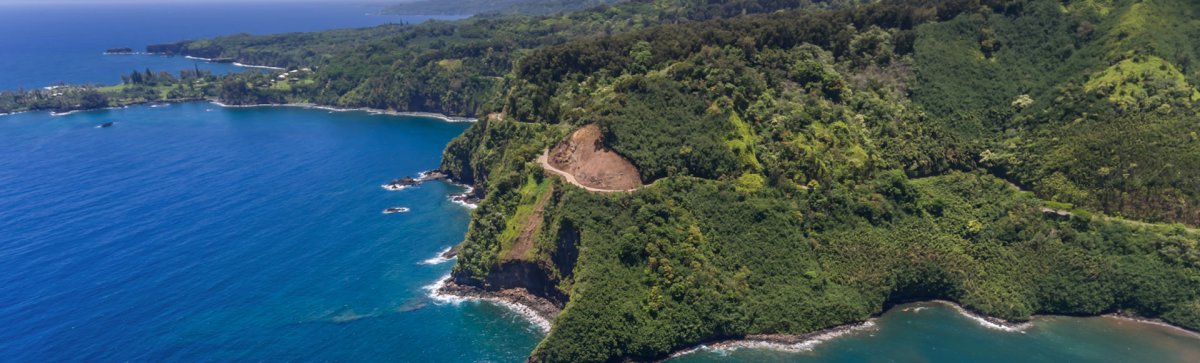
The Road to Hāna is a 64-mile drive along Maui's northeast coast through one of the most scenic stretches of highway in the world. 620 curves, 59 bridges (most one-lane), waterfalls pouring off cliffs, bamboo forests, and roadside fruit stands. It is not a quick drive — plan the full day.

Complete Road to Hāna guide →

Driving tips: Leave Pāʻia by 7 a.m. to stay ahead of tour buses. At one-lane bridges, the car on the bridge side has right of way — pull over and wait. Pick 4–5 stops max (not every waterfall). Fill your gas tank in Pāʻia — there is no gas until Hāna. The south-side "backroad" return via Piʻilani Highway is unpaved for 5 miles and most rental car contracts prohibit it.

The Drive Itself

StartPaʻia
EndHāna (and beyond to ʻŌheʻo Gulch)
Time8–12 hours round trip
CostFree (gas + food)
Hana Bay View

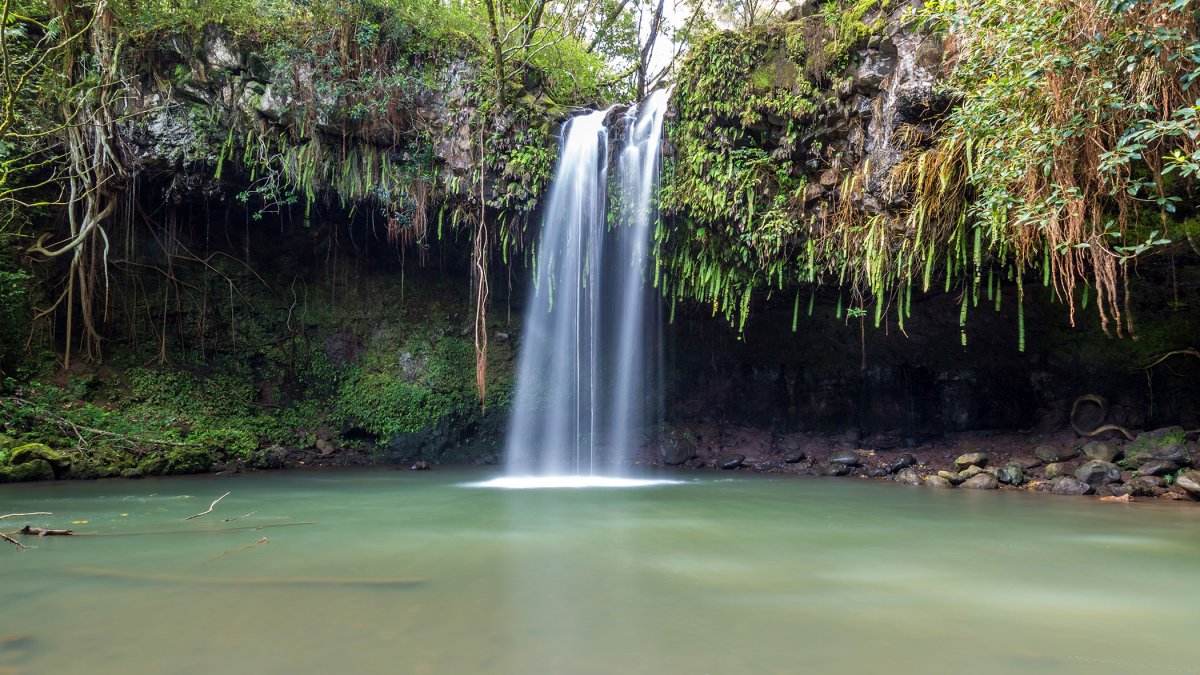
Leave early — by 7 a.m. if possible — to get ahead of the traffic that builds by mid-morning. Key stops include Twin Falls (easy swimming hole, first major stop), the Garden of Eden (botanical garden with ocean views), Keʻanae Peninsula (taro fields and a dramatic lava coastline), Wailua Falls (roadside waterfall), and Waiʻānapanapa State Park (black sand beach near Hāna). You cannot see everything in one drive — pick 4–5 stops and linger at each.

ʻŌheʻo Gulch (Seven Sacred Pools)

LocationKīpahulu, past Hāna
Cost$30 per vehicle (Haleakalā National Park entry)
Time2–3 hours
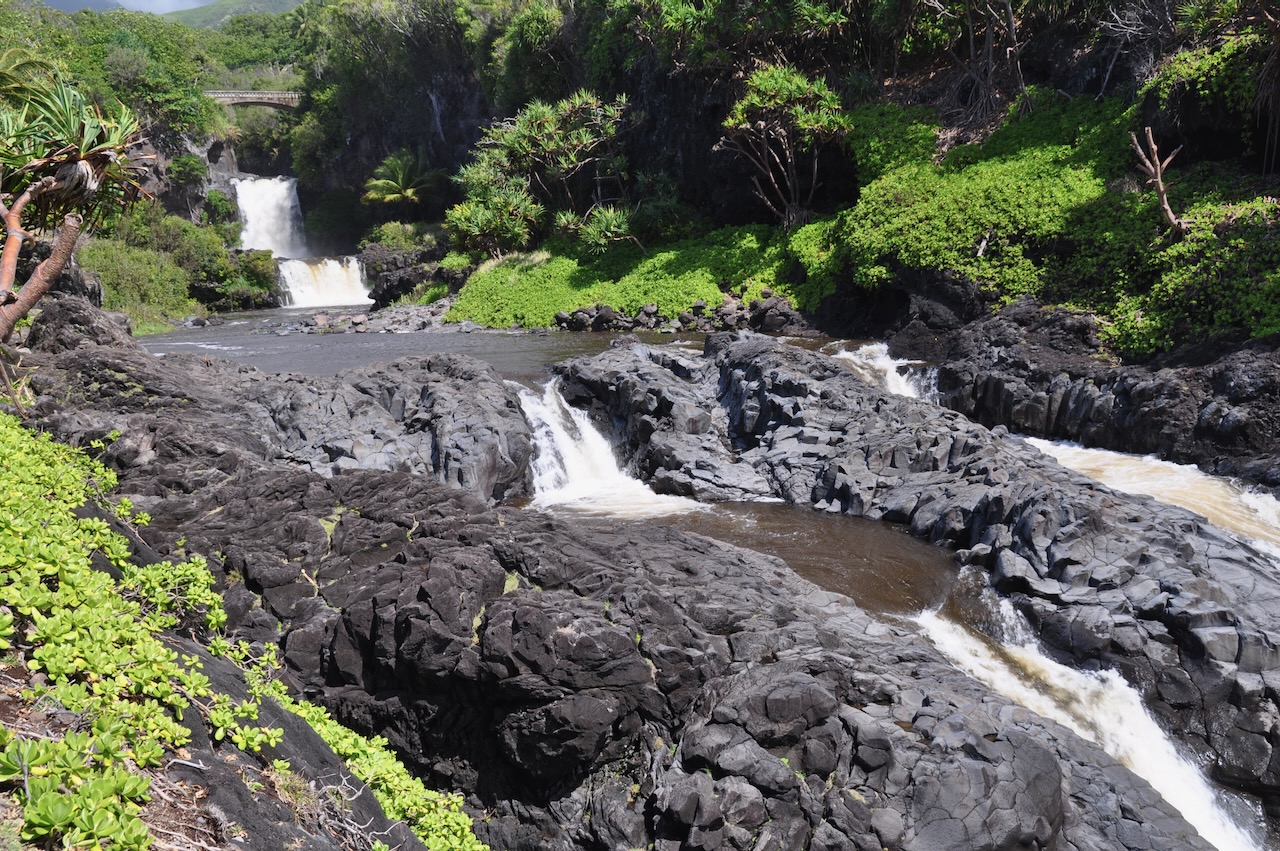
Kipahulu Oheo Gulch View

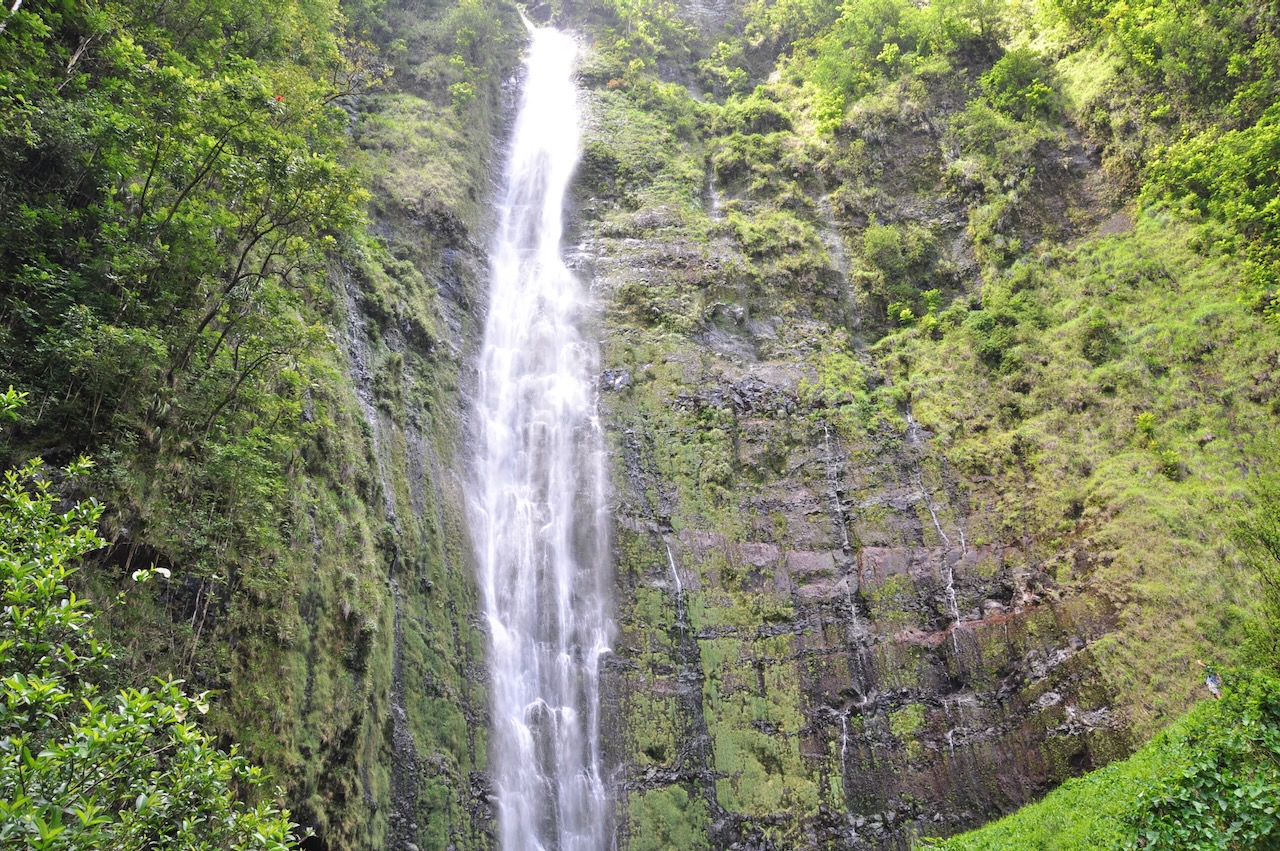
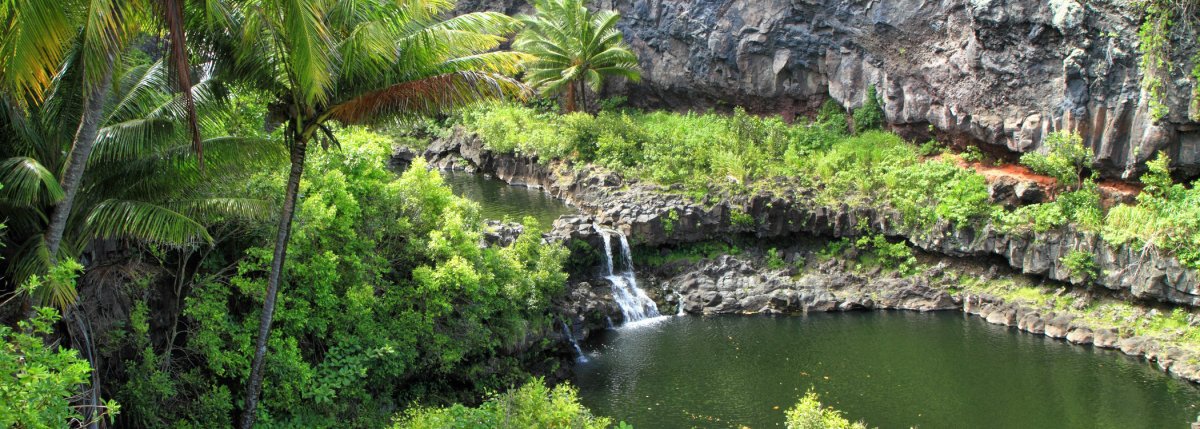
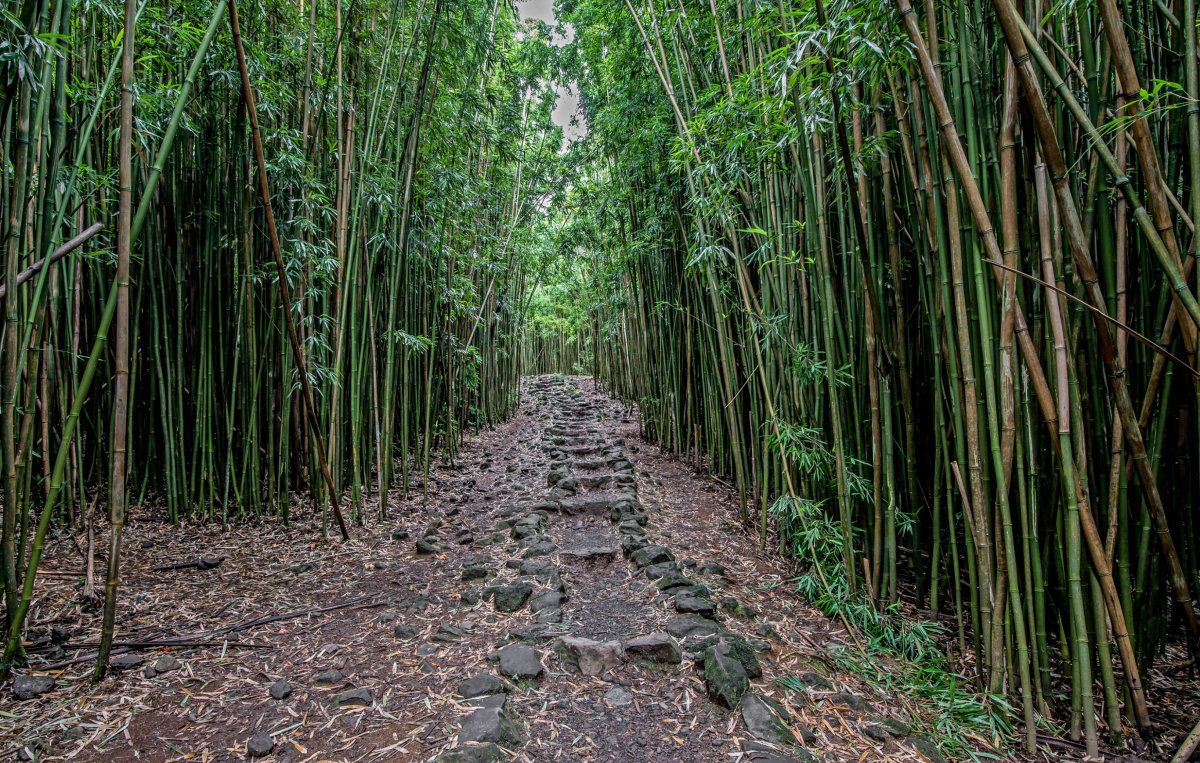
A series of cascading pools connected by waterfalls, descending from the mountain to the ocean. Swimming is sometimes allowed when conditions are safe (check at the ranger station). The Pīpīwai Trail starts here and leads 2 miles through a bamboo forest to Waimoku Falls (400 feet) — one of the best hikes on Maui. The pools and the trail together are the highlight of the "beyond Hāna" section of the drive.

ʻŌheʻo Gulch guide →

Haleakalā

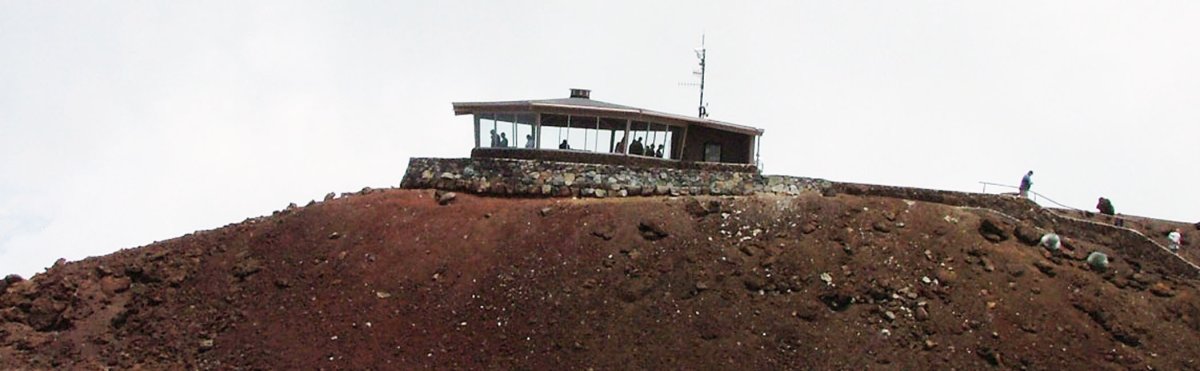
Haleakala summit at sunrise

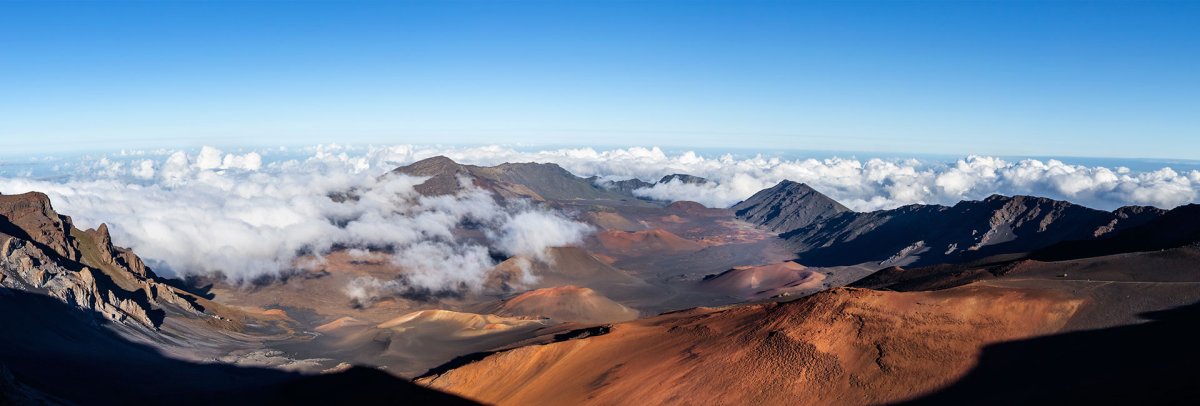
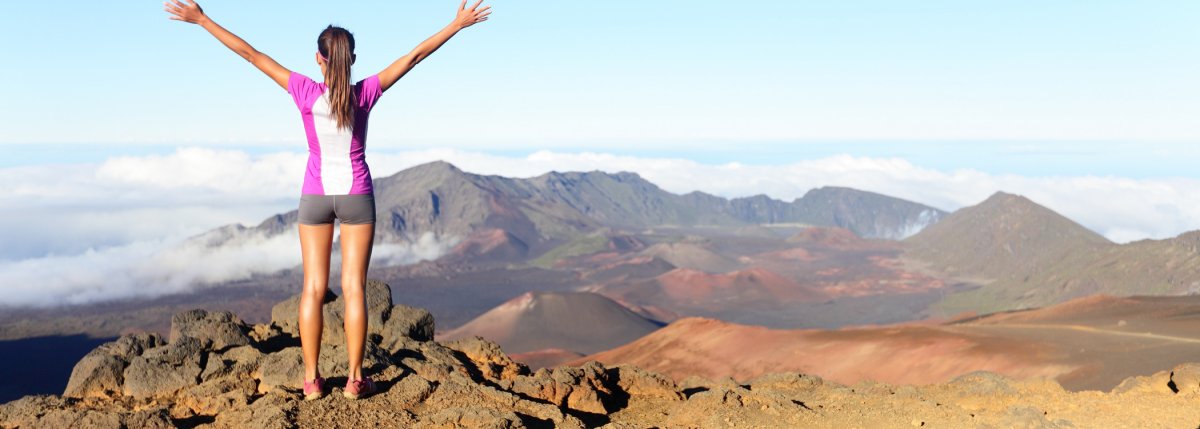
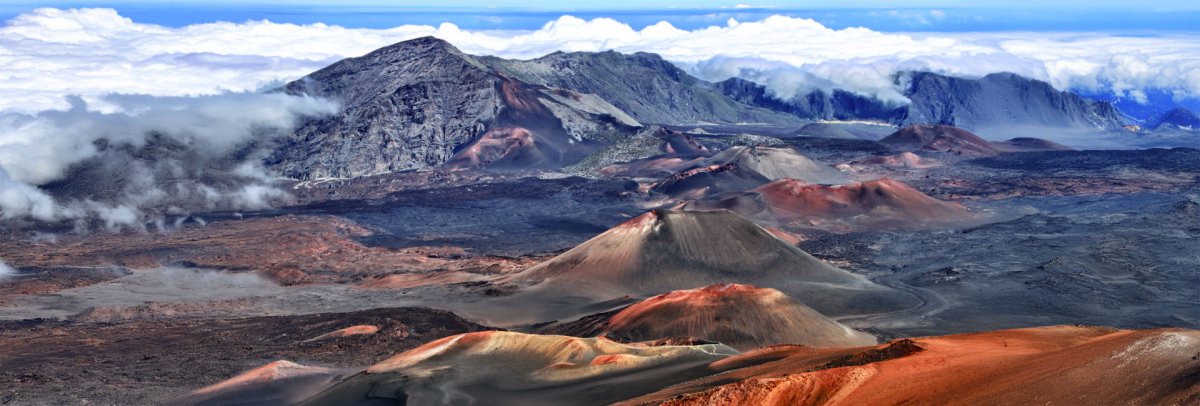
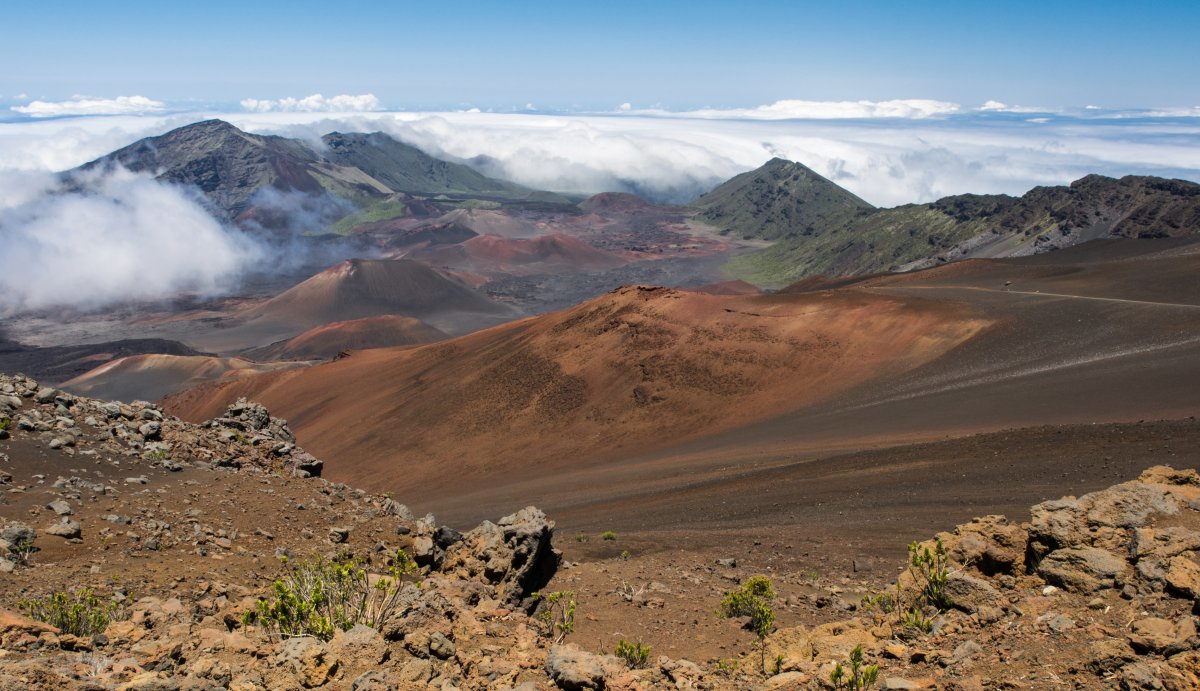
Haleakalā ("House of the Sun") is a 10,023-foot dormant volcano that dominates East Maui. The summit depression is roughly 7.5 miles long, 2.5 miles wide, and 2,600 feet deep — a barren, Mars-like landscape above the clouds. This is where Maui's most iconic experience happens: watching the sunrise from above the cloud line.

Haleakalā Sunrise

Cost$30 per vehicle + reservation required (free, but limited)
Time3–4 hours total (including drive)
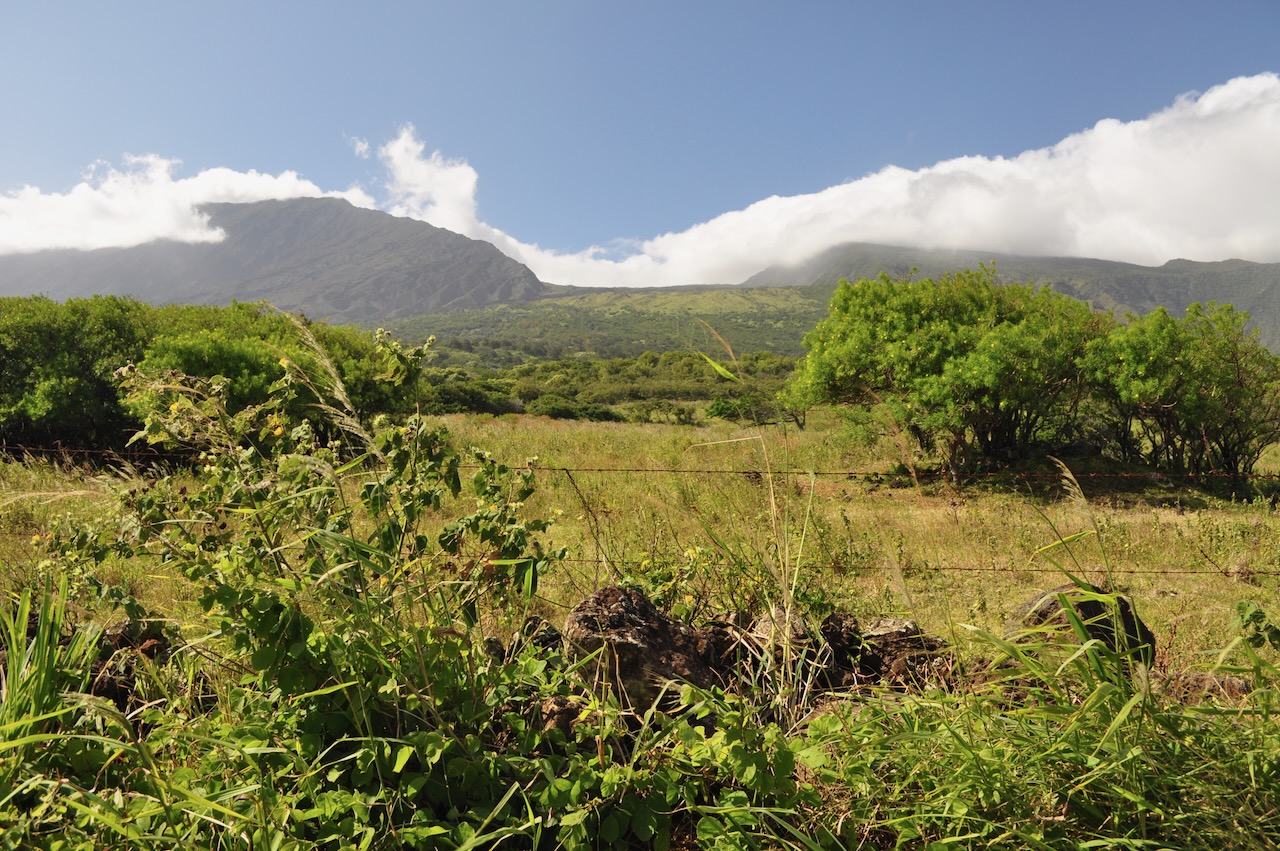
Upcountry Haleakala View

Watching the sun rise from the summit of Haleakalā — above a sea of clouds that stretches to the horizon — is one of the most dramatic natural spectacles in Hawaiʻi. The sky cycles through purples, oranges, and pinks before the sun breaks above the cloud layer. Reservations are mandatory for sunrise entry (3:00–7:00 a.m.) and must be booked at recreation.gov up to 60 days in advance. They sell out fast. Dress warmly — temperatures at the summit are typically 30–50°F, even in summer. The drive from West Maui takes about 2 hours.

Haleakalā guide →

Sunrise prep: Summit temperature is typically 30–50°F — bring a warm jacket, pants, and a blanket even in summer. The drive from West Maui takes about 2 hours in the dark on a winding road. Reservations cost $1 per car at recreation.gov and open 60 days ahead. Sunset is equally spectacular and does not require a reservation.

Haleakalā Summit Hikes

DifficultyModerate to Strenuous
CostPark entry fee
Time3–8 hours
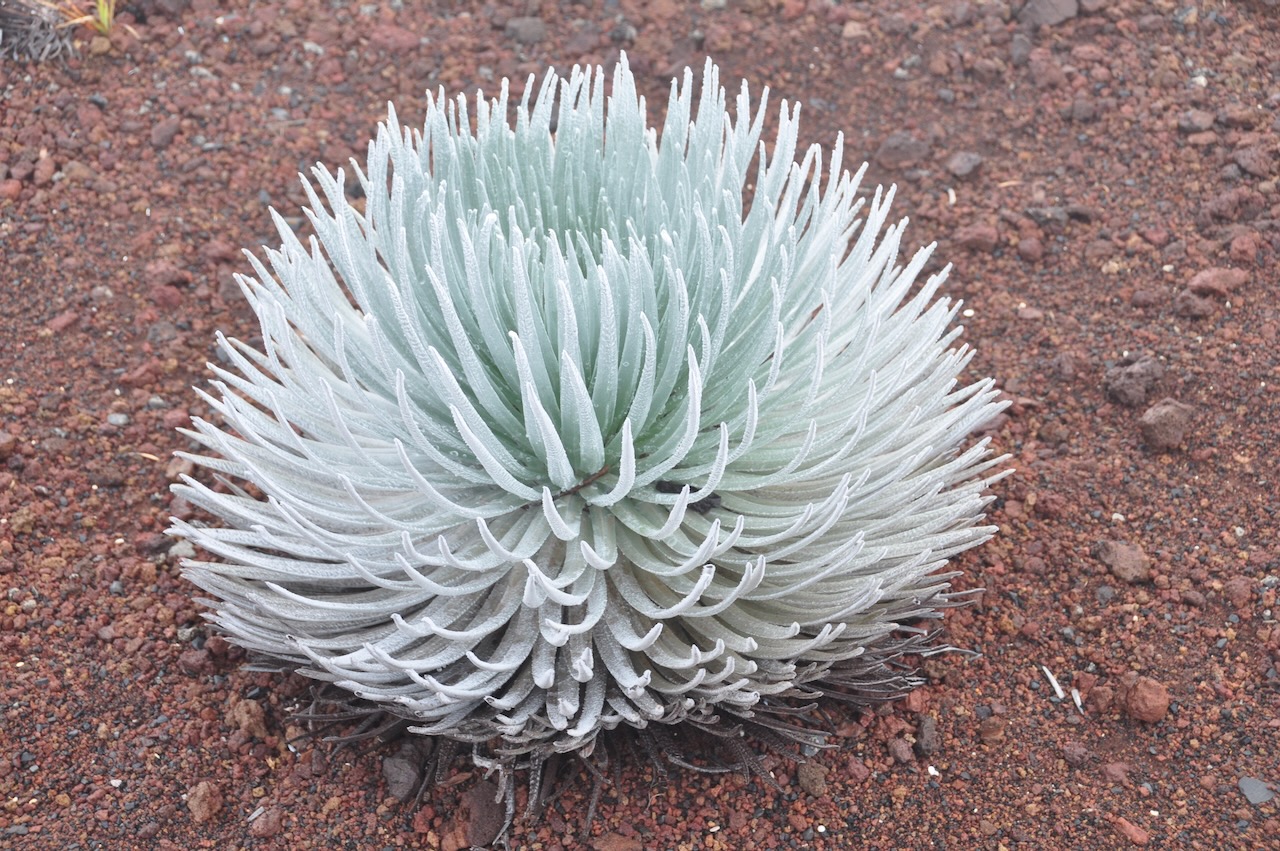
Haleakala Silversword View

After sunrise, hike into the crater. The Sliding Sands Trail (Keoneheehee) descends 2,500 feet into the crater through a landscape of cinder cones and volcanic rock that looks like another planet. The Halemaʻuʻu Trail offers an alternative descent with views of the Ko'olau Gap. Both are strenuous due to the altitude and the climb back out. Bring layers, water, and snacks.

Haleakalā hiking guide →

Beaches

Kaanapali Beach on Maui

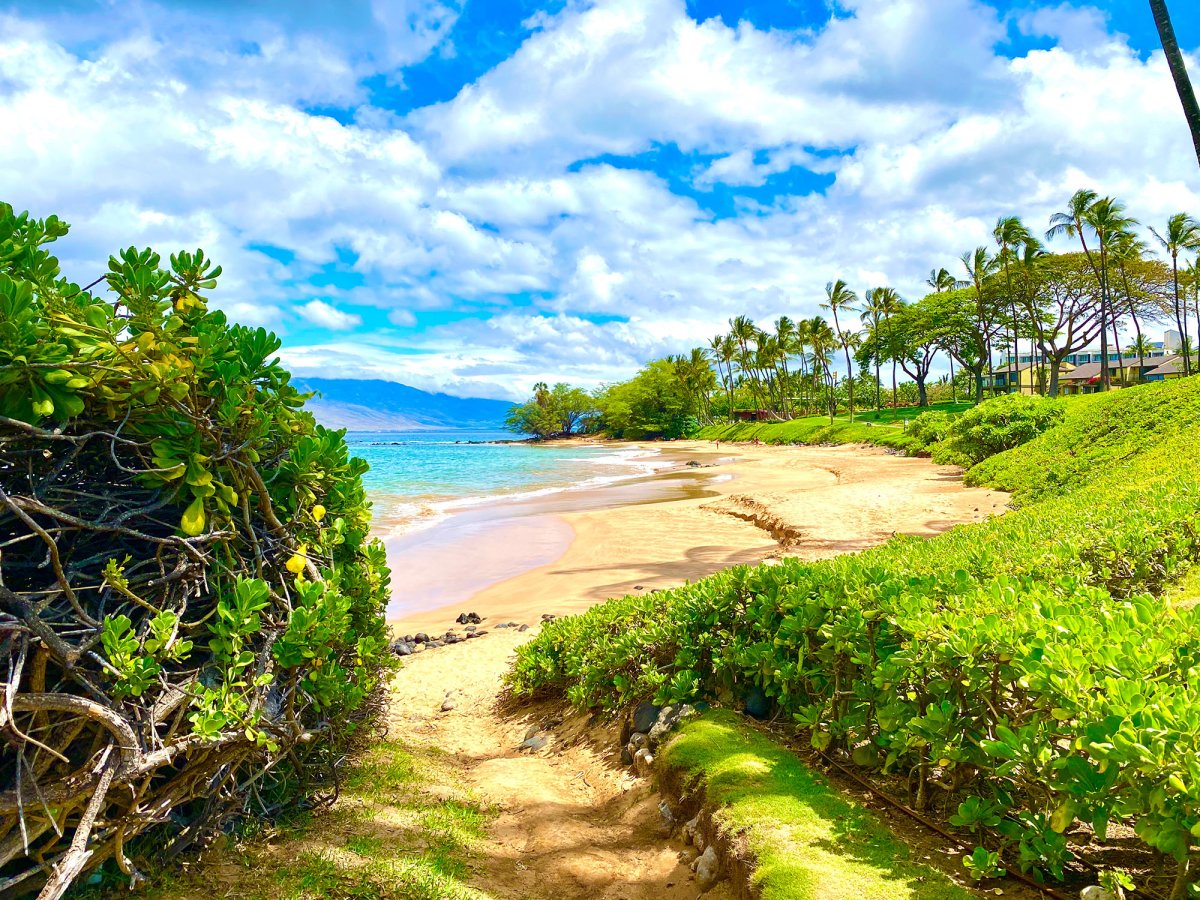
Maui has beaches for every mood — long resort strands with calm water, hidden coves accessible only by trail, and black sand beaches on the Hāna coast. West Maui (Kaʻanapali, Kapalua, Napili) has the most developed beaches; South Maui (Wailea, Kīhei) is sunnier year-round.

All Maui beaches →

Kaʻanapali Beach

LocationWest Maui
CostFree
Time2–4 hours

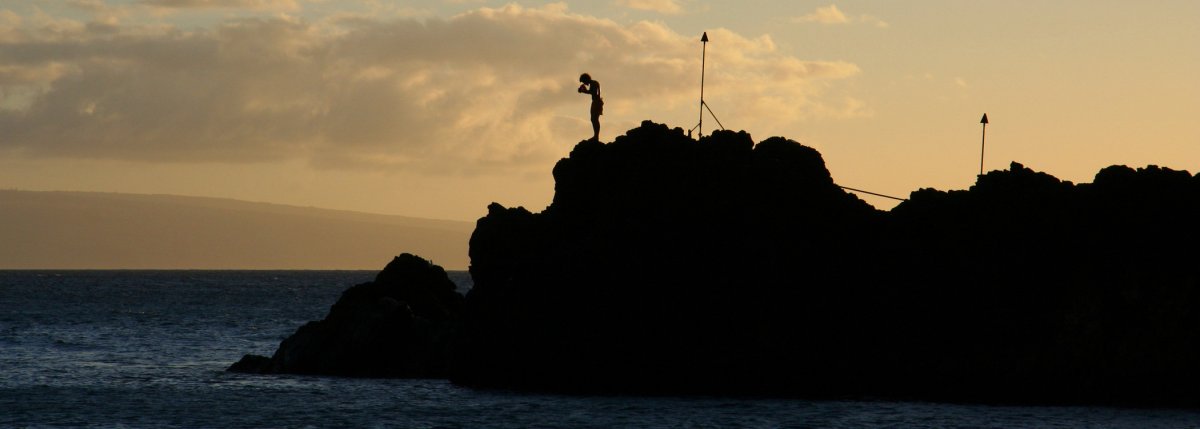
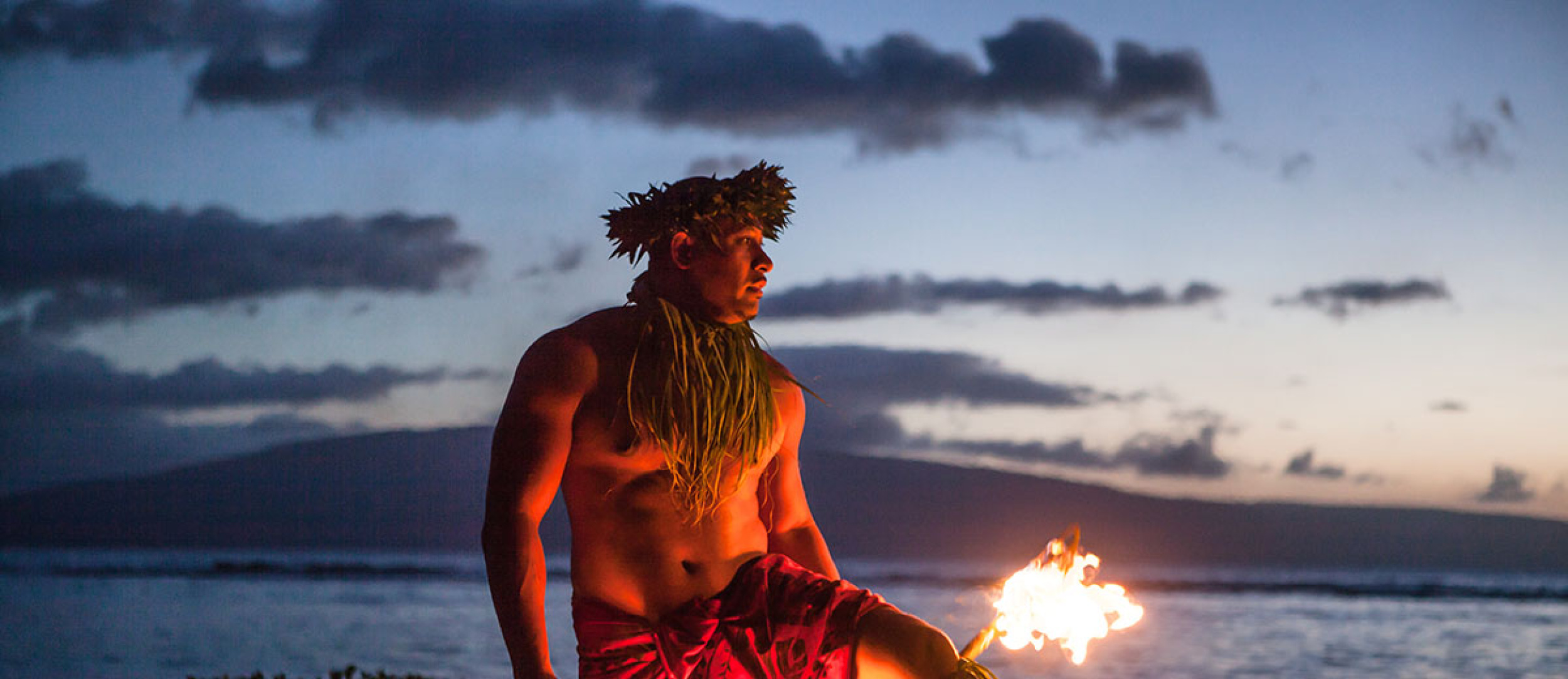
Three miles of golden sand along the West Maui resort corridor. The daily cliff diving ceremony at Black Rock (Puʻu Kekaʻa) at sunset — a hotel employee leaps from the rock with a torch, honoring the Hawaiian belief that this is where souls depart — is worth timing your beach day around. The snorkeling at Black Rock is the best shore-entry snorkeling in West Maui, with sea turtles and reef fish steps from the sand.

Kaʻanapali Beach guide →

Kapalua Bay

LocationWest Maui
CostFree
Time2–3 hours
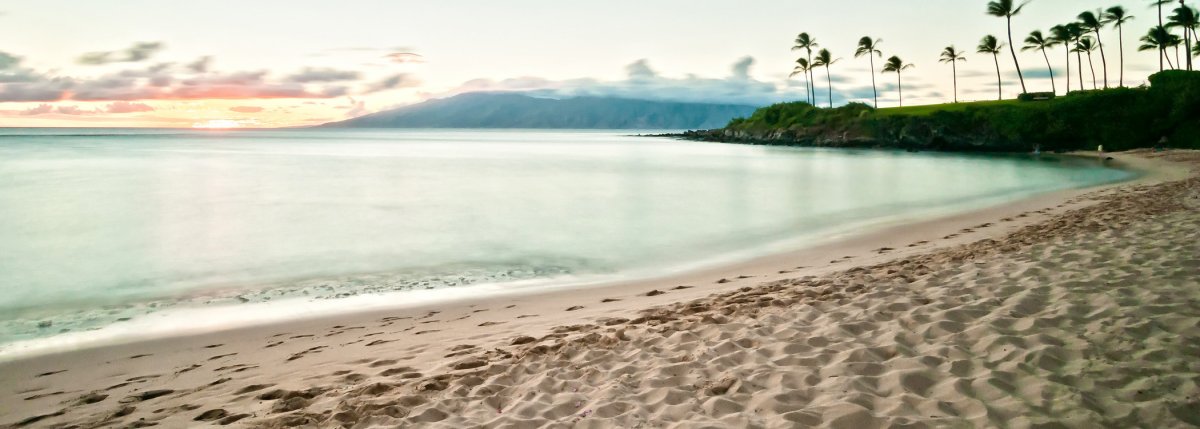
Kapalua Bay on Maui

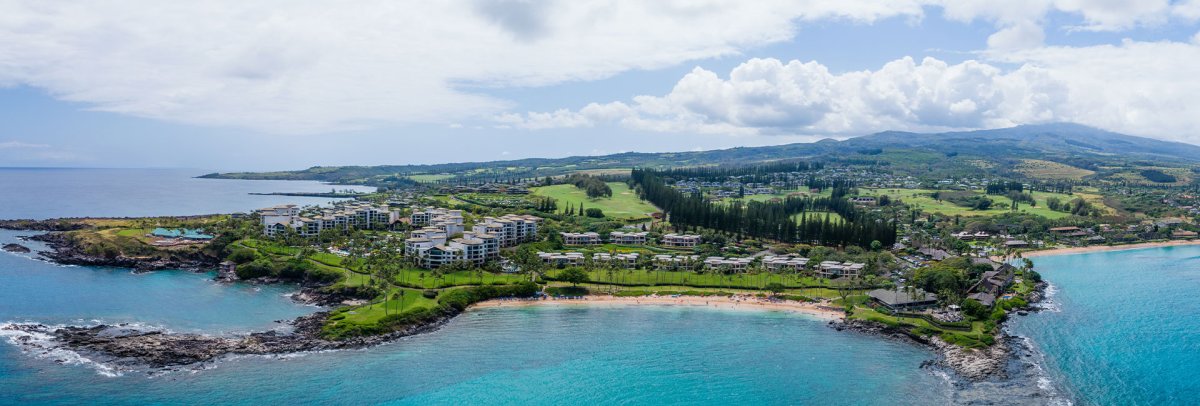
A crescent-shaped bay protected by lava rock headlands, making it one of the calmest swimming beaches on Maui. The water is clear, the snorkeling along the rocky edges is excellent, and the setting — green hills, coconut palms, calm turquoise water — is picture-perfect. Consistently rated among the best beaches in America. Parking is limited; arrive before 9 a.m.

Kapalua Bay guide →

Big Beach (Mākena) Calmest: May–Sep

LocationSouth Maui
Cost$5/person + $10/vehicle (non-residents)
Time2–4 hours
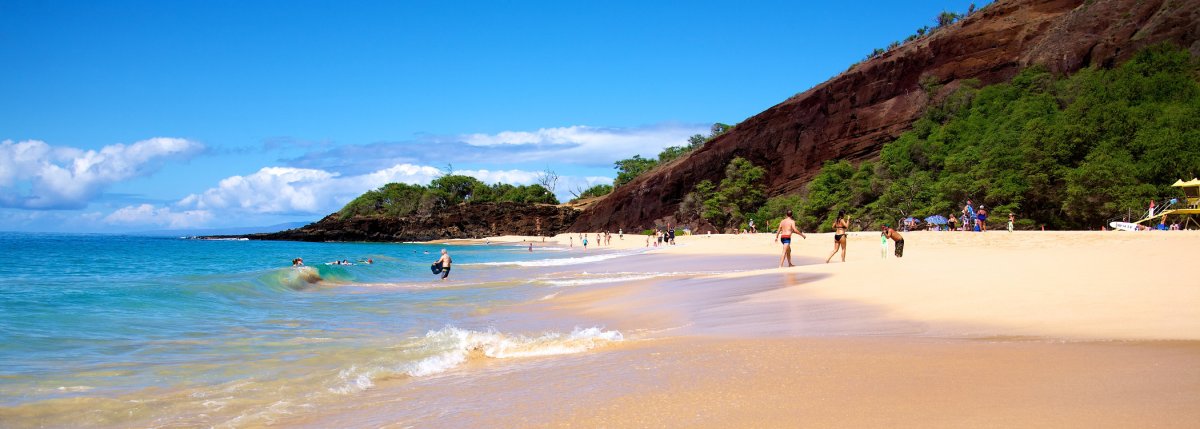
Big Beach (Mākena) on Maui

The biggest undeveloped beach on Maui — a third of a mile of wide, golden sand with no buildings behind it. The waves here produce strong shorebreak that is popular with bodyboarders and bodysurfers. Swimming requires respect for the power of the water — this is not a calm bay. The sunsets from Big Beach are among the best on the island. Bring your own shade; there is minimal natural cover.

Big Beach guide →

Wailea Beach

LocationSouth Maui
CostFree
Time2–3 hours
Wailea Beach on Maui

A manicured resort beach with calm water, soft sand, and the Grand Wailea and Four Seasons flanking either side. The Wailea Beach Path — a 1.5-mile paved coastal walk connecting five beaches — is one of the best shoreline walks on Maui. Whale watching from the beach during winter months is excellent; humpbacks breach surprisingly close to shore here.

Wailea Beach guide →

Water Activities

Molokini Crater snorkeling off Maui

Maui sits in the middle of the Auʻau Channel, the primary corridor for humpback whales migrating to Hawaiʻi each winter. The snorkeling around Molokini Crater is world-class, and the west coast's calm water supports everything from stand-up paddleboarding to outrigger canoe rides.

Current ocean conditions →

Best visibility: Morning tours to Molokini have the clearest water — afternoon trade winds chop up the surface and reduce visibility. Book the earliest departure you can find (usually 6–7 a.m. from Maʻalaea). The back wall of the crater drops 300 feet and attracts pelagic fish, manta rays, and occasional sharks — ask if your tour visits the back wall if you are an experienced snorkeler or diver.

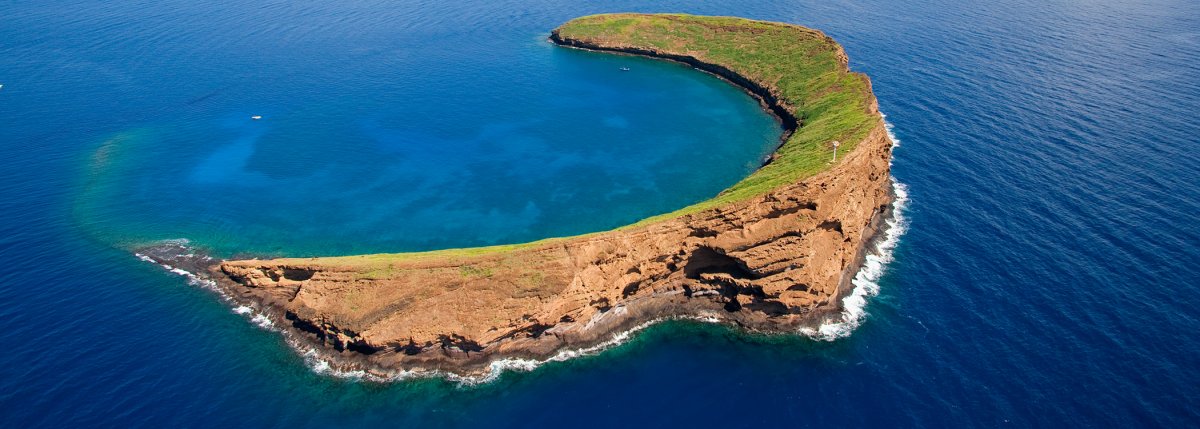
Molokini Crater Snorkeling Year-round

Cost$120–$200 per person (boat tour)
Time4–5 hours
Molokini Crater Snorkeling on Maui

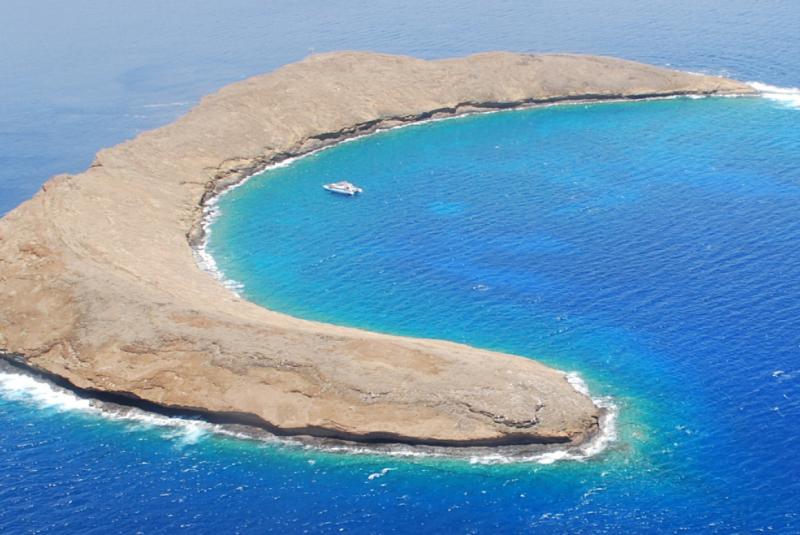
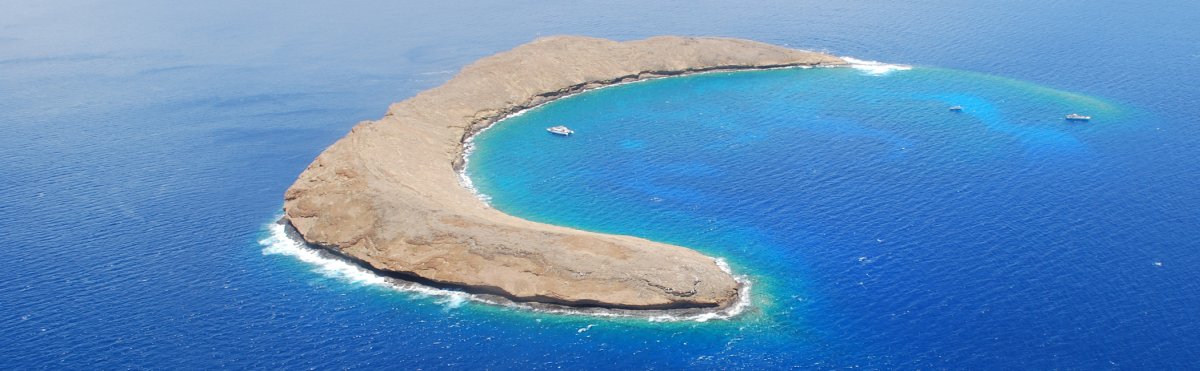
A partially submerged volcanic crater three miles offshore with crystal-clear water (visibility 100+ feet) and over 250 species of fish, many found nowhere else. Molokini is a marine sanctuary — no fishing allowed — and the protected interior of the crescent-shaped crater creates calm conditions even when the open ocean is rough. Morning boat tours from Maʻalaea Harbor or Kīhei are the standard. Book the earliest departure for the best visibility before afternoon winds pick up.

Molokini tour options →

Whale Watching Dec–May (peak Jan–Mar)

Cost$40–$100 per person
Time2 hours
Whale Watching on Maui

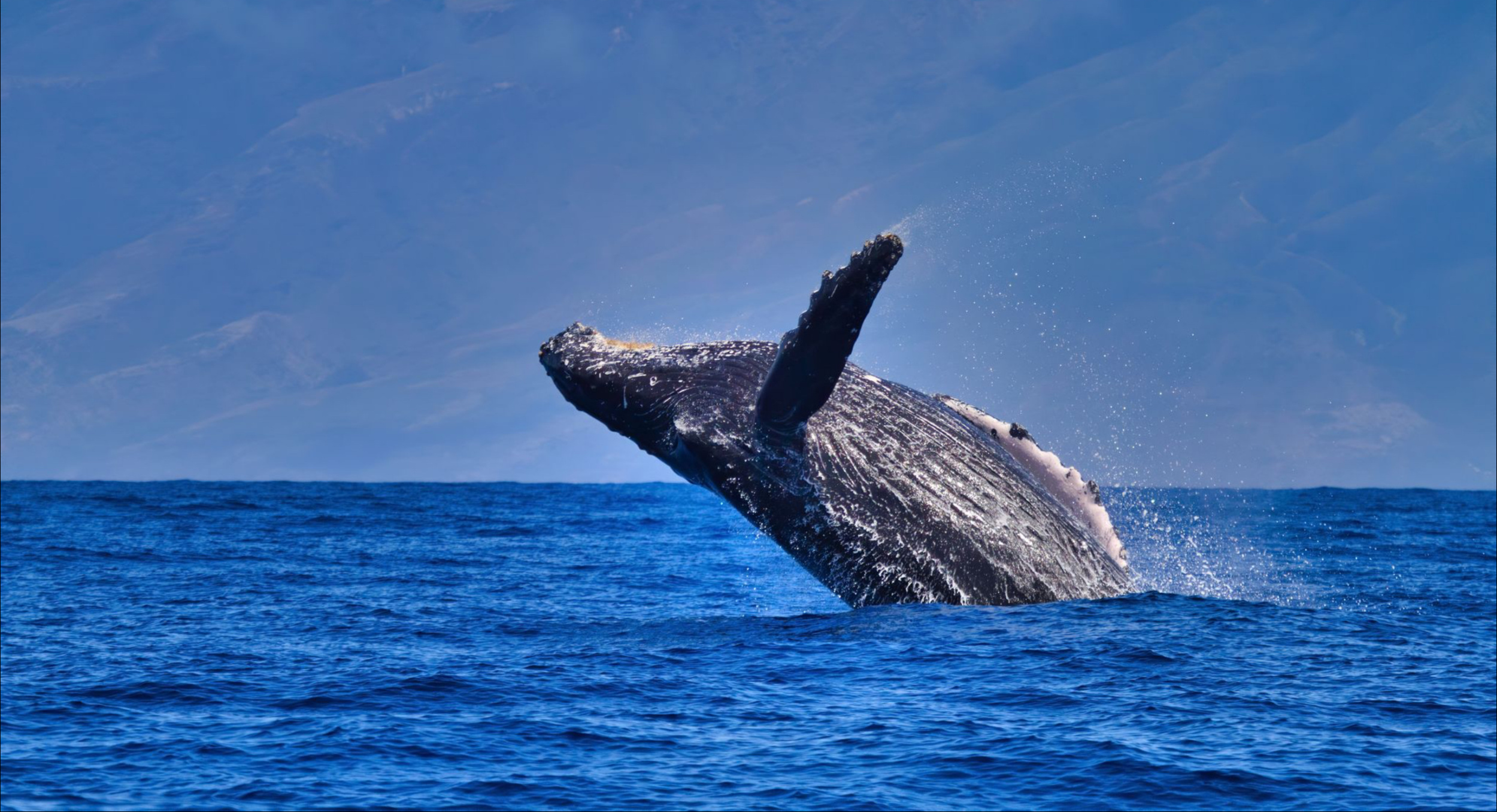
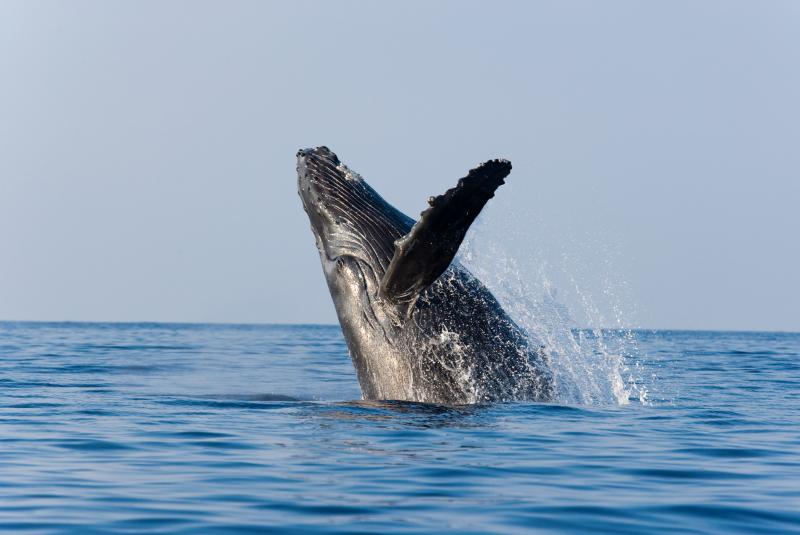
Maui is the whale watching capital of Hawaiʻi. The shallow, warm water between Maui and Lānaʻi is the primary breeding ground for North Pacific humpback whales, and during peak season (January–March), you can see spouts and breaches from any West or South Maui beach. Boat tours from Lahaina Harbor or Maʻalaea get within legal distance (100 yards) of whales that often approach the boats on their own. Some of the highest concentration of humpbacks anywhere in the world.

Maui whale watching guide →  |  Current whale season →

Snorkeling at Black Rock & Kapalua Year-round

CostFree (bring gear) or $15–$25 (rental)
Time1–2 hours
Snorkeling at Black Rock & Kapalua on Maui

Black Rock at the north end of Kaʻanapali Beach offers the best shore-entry snorkeling in West Maui — swim around the rock point and you will see turtles, reef fish, and occasional octopus in clear water. Kapalua Bay is calmer and better for beginners. Ulua Beach in Wailea is the south shore option with reliable visibility.

All Maui snorkeling spots →

Hiking & Nature

Humpback whale breaching off Maui

Maui's hiking spans from coastal trails at sea level to sub-alpine terrain above 10,000 feet. The diversity is remarkable — bamboo forests, volcanic craters, ridge lines, and waterfalls within the same island.

Trail & road status →  |  All Maui trails →

Pīpīwai Trail to Waimoku Falls

LocationKīpahulu (past Hāna)
DifficultyModerate
Distance4 miles round trip
Cost$30 park entry
Time2.5–3.5 hours
Kipahulu Waimoku Falls View

The best hike on Maui. The trail passes through a massive banyan tree, crosses a boardwalk through a dense bamboo forest (the kind of scene that looks digitally enhanced but is not), and ends at Waimoku Falls — a 400-foot cascade in a lush amphitheater. The bamboo section alone is worth the hike. Located at the Kīpahulu end of Haleakalā National Park, accessible after driving past Hāna.

Pīpīwai Trail guide →

Timing this hike: Pīpīwai Trail is at the Kīpahulu end of the Road to Hāna — a 3-hour drive from West Maui. Most visitors do the drive and this hike on the same day, arriving at the trailhead around noon. Start the hike immediately (the park gate closes at 5 p.m.) and plan your Hāna return route before dark.

Waiheʻe Ridge Trail

LocationWest Maui Mountains
DifficultyModerate
Distance5 miles round trip
CostFree
Time2.5–3.5 hours
Waiheʻe Ridge Trail on Maui

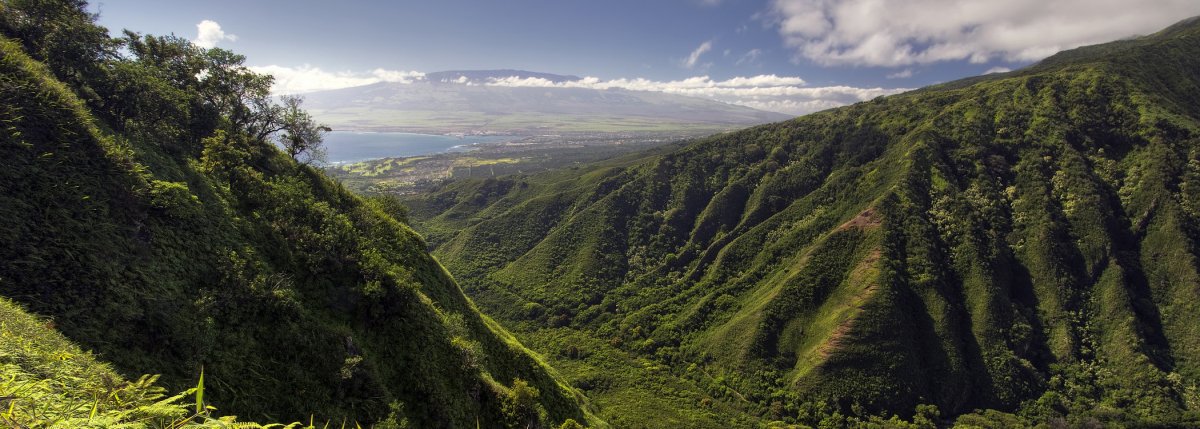
A ridgeline trail through native forest with views of the Waiheʻe Valley, the West Maui Mountains, and the coast below. The trail is well-maintained and climbs steadily through pasture and forest to a ridgetop where the views open up in all directions. Less crowded than the south side hikes and more consistently scenic. Go early for clear skies before the afternoon clouds build.

Waiheʻe Ridge guide →

ʻĪao Valley

LocationCentral Maui
Cost$5/person + $10/vehicle (non-residents)
Time1–1.5 hours
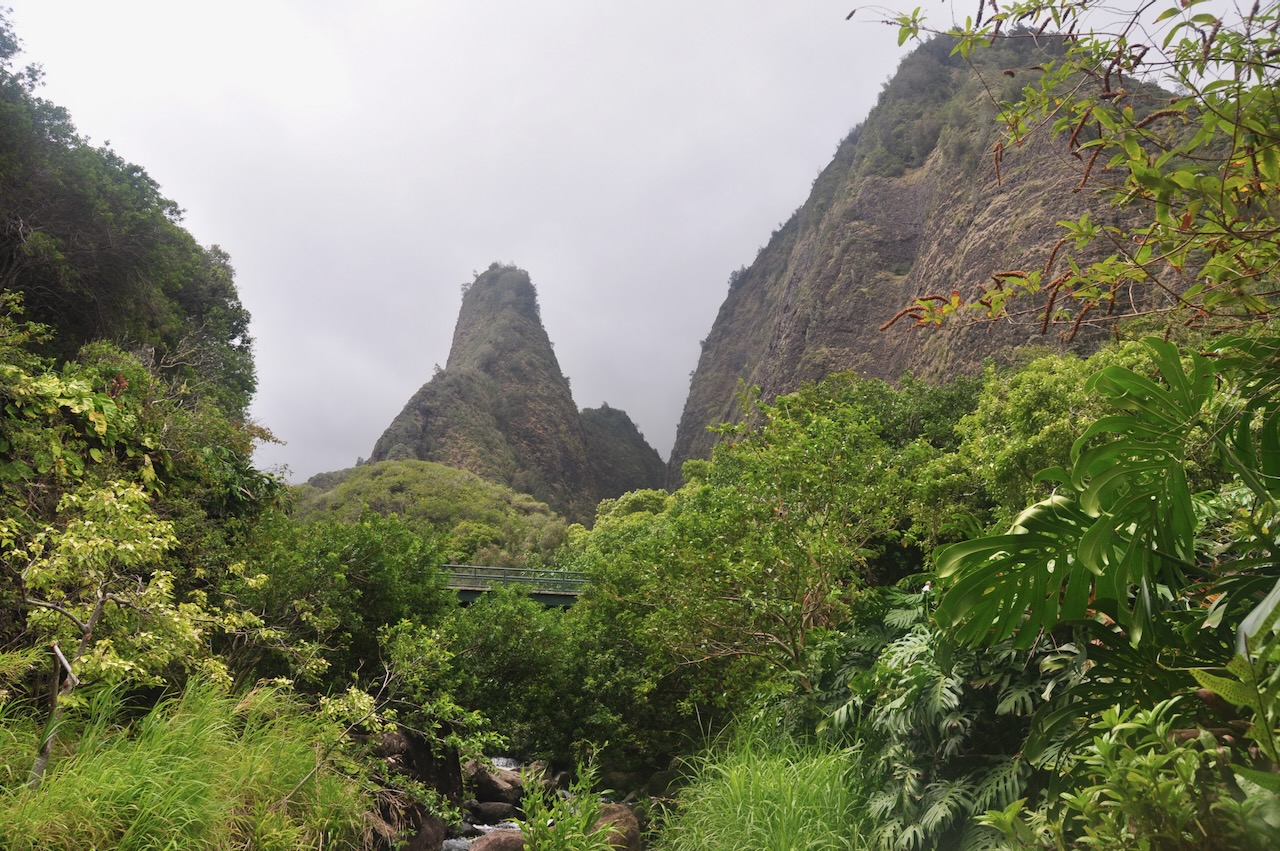
Iao Valley View

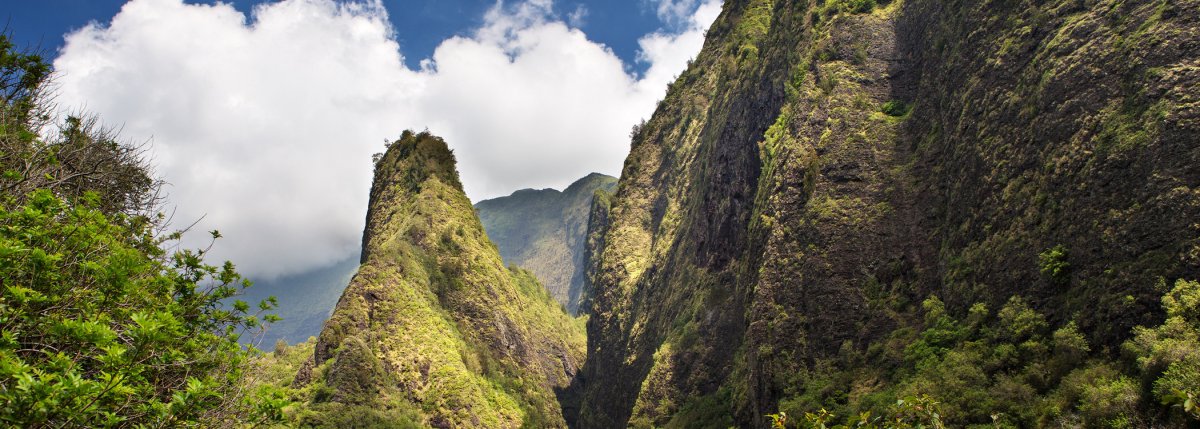
A lush valley in the West Maui Mountains dominated by the ʻĪao Needle — a 1,200-foot moss-covered spire rising from the valley floor. The paved walkway is short and easy, making this accessible to all fitness levels. The valley was the site of the Battle of Kepaniwai in 1790, where Kamehameha's forces defeated Maui's army using Western cannons. The history and the scenery are equally powerful.

On the way back down the valley, the historic Bailey House Museum (Hale Hoʻikeʻike) in Wailuku is Maui's main historical museum — a 19th-century missionary home with Hawaiian artifacts and Edward Bailey's paintings of pre-tourism Maui. Worth pairing with the Iao Valley morning.

ʻĪao Valley guide →

Tours & Guided Experiences

Browse all Maui tours on Viator →

Helicopter Tours

Cost$250–$400 per person
Time45–65 minutes
Helicopter Tours on Maui

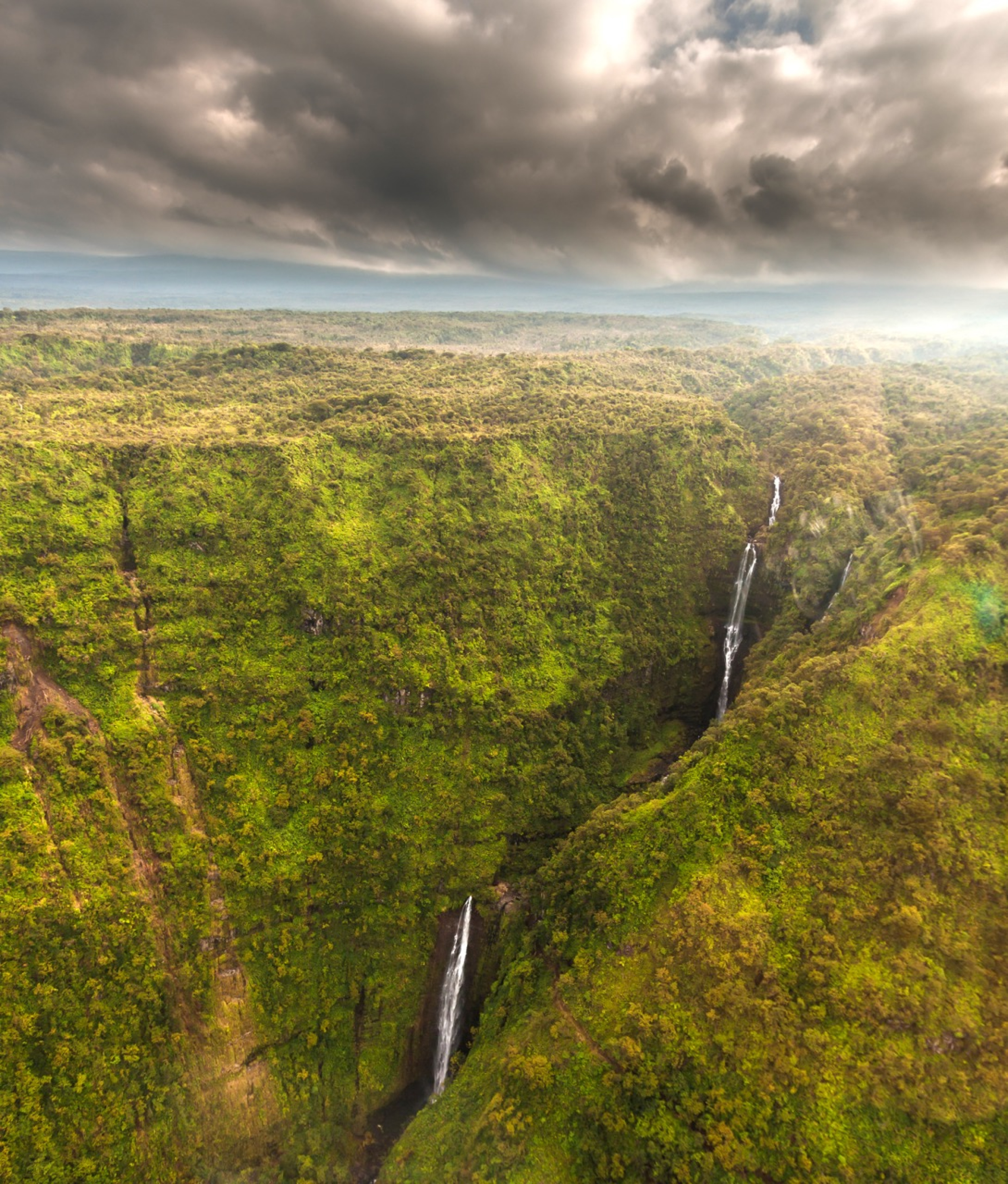
The West Maui Mountains contain valleys and waterfalls that are completely inaccessible by road — the only way to see them is from the air. A helicopter tour flies through the Wall of Tears (a cliff face streaked with dozens of waterfalls), over the Haleakalā crater, and along the sea cliffs of Molokaʻi if the route includes it. The West Maui portion alone justifies the cost.

Lūʻau

Cost$120–$250 per person
Time3–4 hours (evening)
Lūʻau on Maui

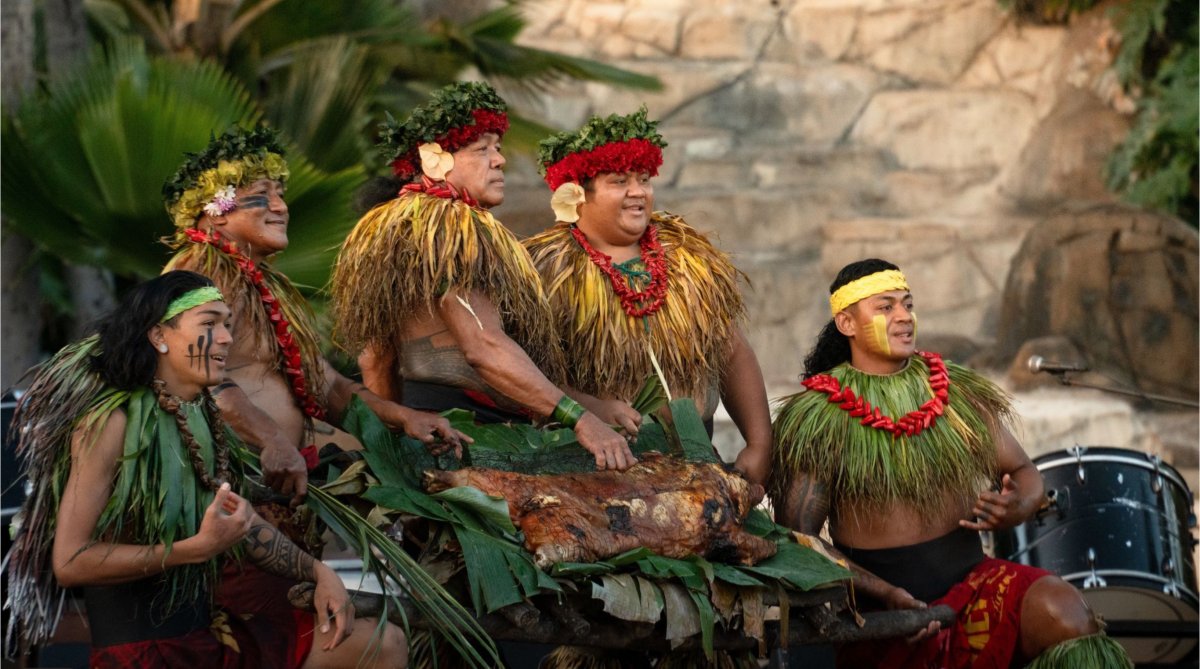
Maui has some of Hawaiʻi's best lūʻau options. The Old Lahaina Lūʻau (when it reopens from fire recovery) was long considered the gold standard — oceanfront, culturally authentic, and focused on storytelling over showmanship. The Feast at Lele (Mokapu) offers a more intimate, multi-course sit-down experience. Andaz Maui's lūʻau in Wailea is a strong newer option. Book well in advance during peak season.

Maui lūʻau guide →

Haleakalā Sunrise Bike Tour

Cost$150–$200 per person
Time6–8 hours
Haleakalā Sunrise Bike Tour on Maui

Watch sunrise at the Haleakalā summit, then coast downhill on a bicycle for 26 miles through Upcountry Maui — rolling pastures, eucalyptus groves, and panoramic views of the central valley and coast. Most tours include the sunrise viewing, a van ride to the start point, and a guided or self-guided descent. The ride is almost entirely downhill, though braking fatigue is real. One of the most popular tours on Maui for good reason.

Food & Dining

Fresh poke bowls on Maui

Maui's food scene is strong across all price points — from roadside banana bread on the Hāna Highway to farm-to-table restaurants in Wailea. The island grows coffee, chocolate, lavender, and a massive variety of tropical fruit that shows up on menus everywhere.

Full Maui dining guide →

Pāʻia breakfast strategy: Stop in Pāʻia for breakfast before the Road to Hāna drive. Pāʻia Fish Market opens at 11 a.m., but the cafés and bakeries open by 7 a.m. Get coffee and a pastry early, then stock up on snacks and water — there are very few food options between Pāʻia and Hāna, and what exists sells out by early afternoon.

Upcountry Farm Tours

LocationKula and Upcountry Maui
Cost$12–$30
Time1–2 hours per farm
Upcountry Farm Tours on Maui

The slopes of Haleakalā between 2,000 and 4,000 feet are Maui's agricultural heartland. Ali'i Kula Lavender Farm offers self-guided walks through lavender fields with views of the central valley and coastline. The Surfing Goat Dairy does goat cheese tastings. MauiGrown Coffee in Kula serves estate-grown Maui coffee. O'o Farm in Wailea serves a farm lunch made entirely from ingredients grown on site. The upcountry region is a cooler, quieter contrast to the beach scene below.

Upcountry Maui guide →

Hāna Highway Roadside Stops

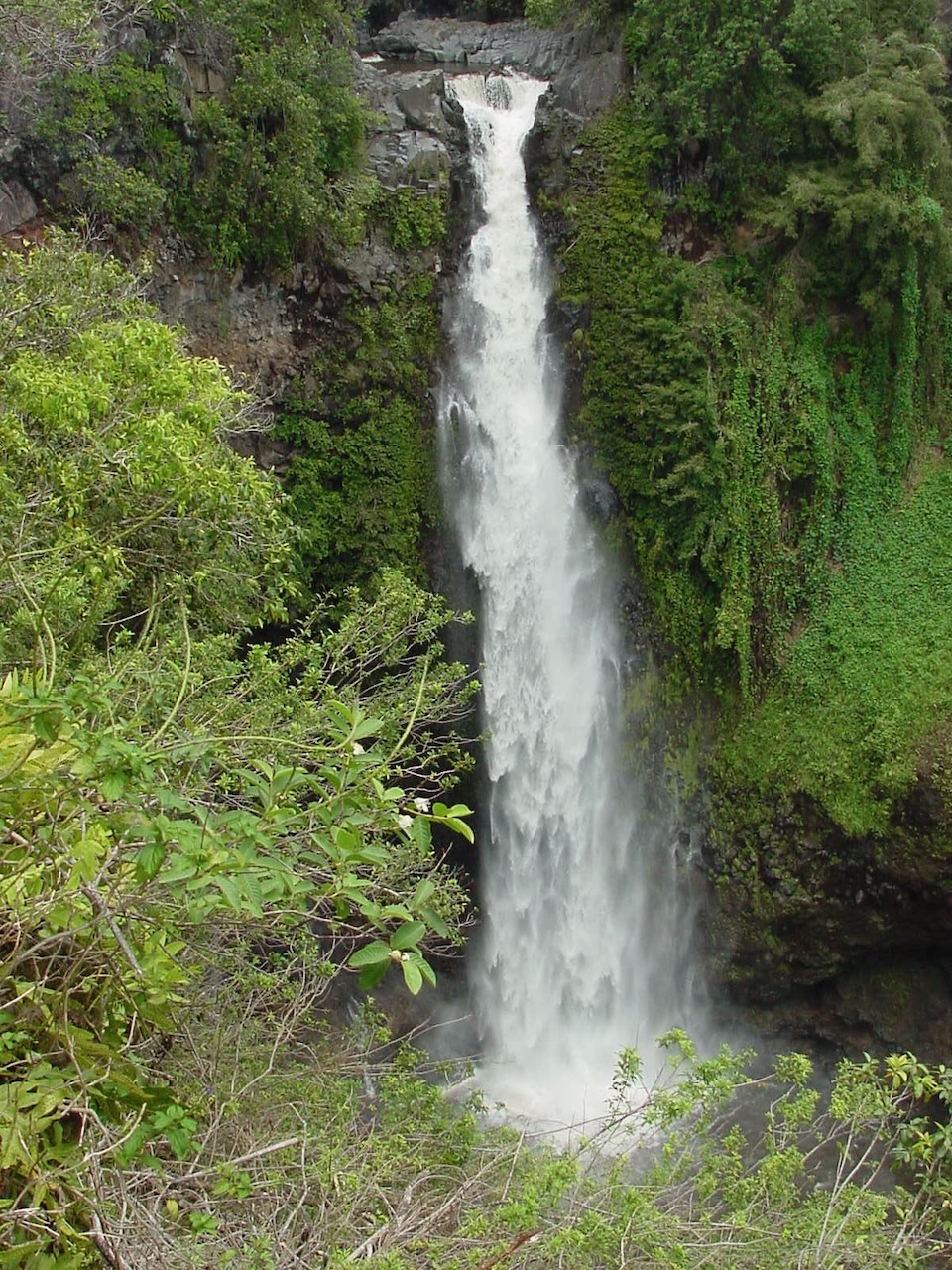
Wailua Falls

The Road to Hāna is lined with fruit stands, coconut candy vendors, and banana bread shacks. The Halfway to Hāna stand serves fresh-grilled corn and smoothies. Aunty Sandy's in Keʻanae makes the best banana bread on the road (arrive before it sells out, usually by early afternoon). Coconut Glen's, near mile marker 27, serves dairy-free coconut ice cream with tropical flavors that is absurdly good.

Pāʻia Town Food Scene

LocationNorth Shore
Time1–2 hours
Pāʻia Town Food Scene on Maui

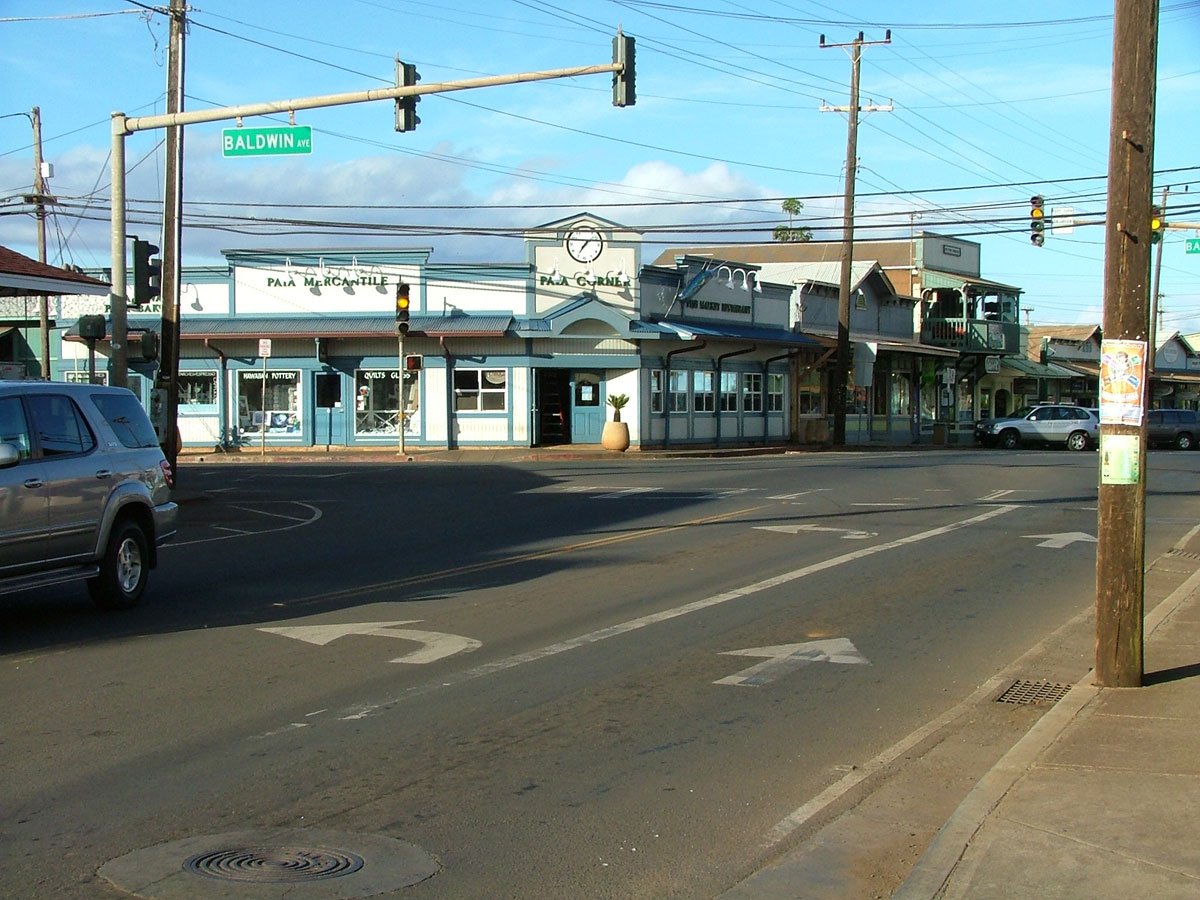
Pāʻia is the windsurfing town on the north shore and the traditional starting point for the Road to Hāna drive. The food here is excellent for a town this small: Mama's Fish House (the most famous restaurant on Maui, reservations weeks ahead), Flatbread Company (wood-fired pizza with local ingredients), and Pāʻia Fish Market (counter-service fish tacos and plates). Stop in Pāʻia for breakfast before the Hāna drive.

Hidden Gems & Local Favorites

Nakalele Blowhole

LocationNorthwest Maui
CostFree
Time1 hour
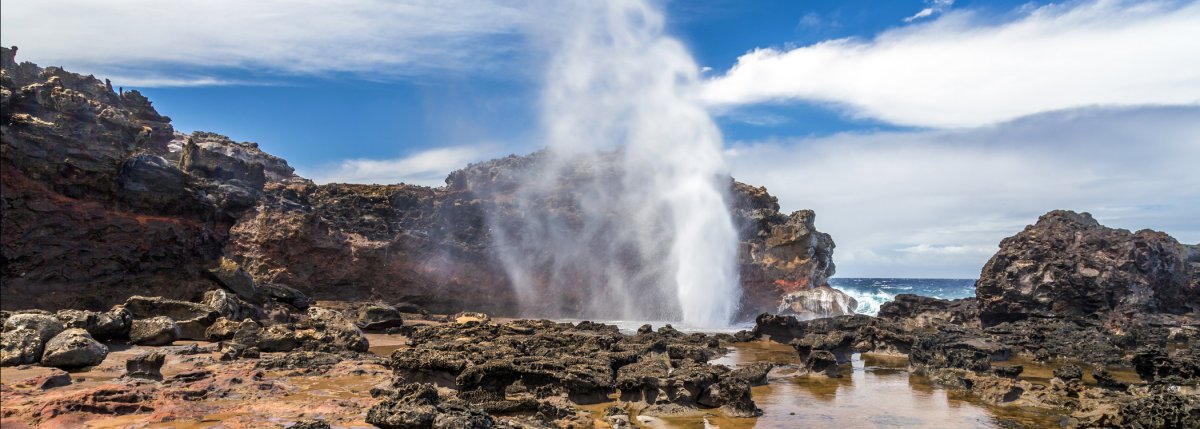
Nakalele Blowhole on Maui

A natural blowhole on the rugged northwest coast of Maui that shoots water up to 100 feet in the air during heavy surf. The surrounding lava formations, tide pools, and heart-shaped rock (visible from above) make this a dramatic coastal stop. The trail from the road is short but uneven. Stay well back from the blowhole — the rocks are slippery and waves can surge without warning.

Nakalele Blowhole guide →

Waiʻānapanapa Black Sand Beach

LocationNear Hāna
Cost$5/person + $10/vehicle (non-residents, reservation required)
Time1.5–2 hours
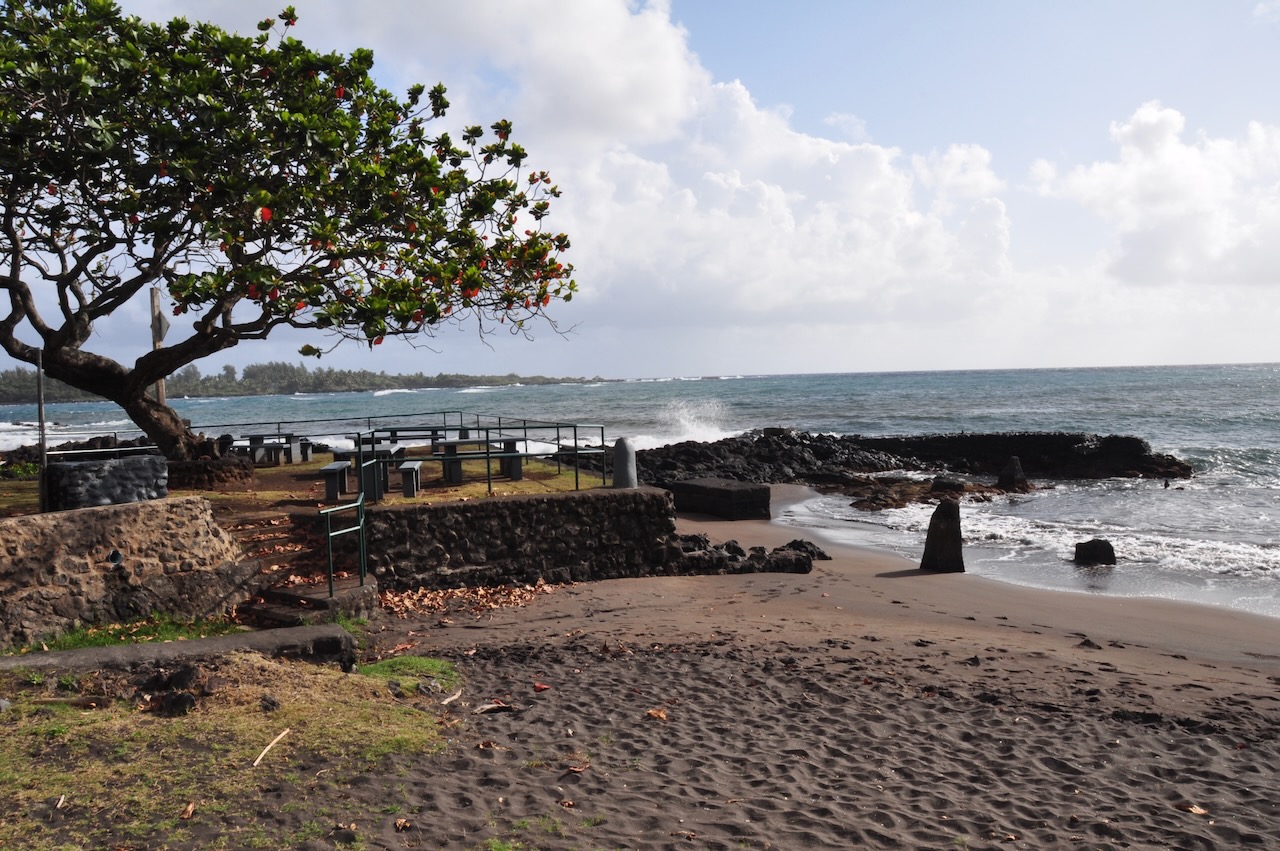
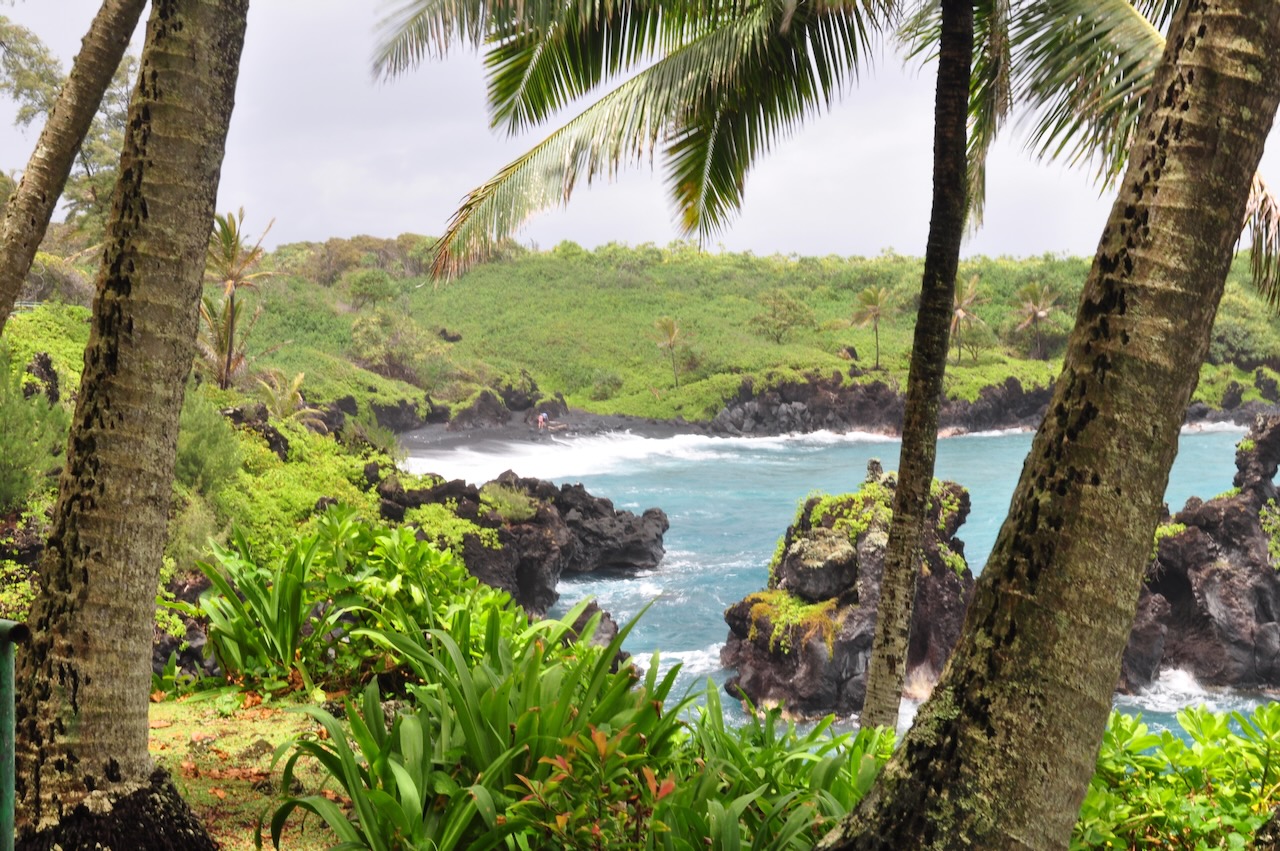
Waianapanapa State Park View

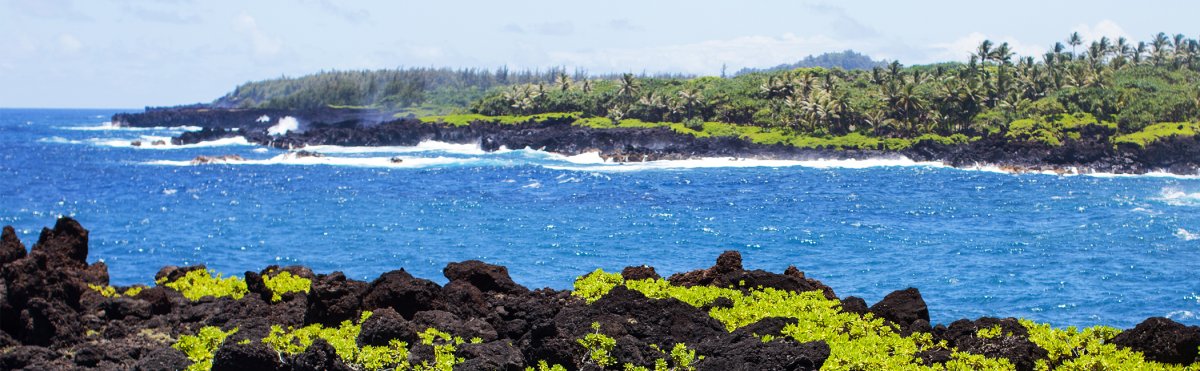
A black volcanic sand beach inside a state park near Hāna, with sea caves, lava arches, and blow holes along the coastline. The contrast of jet-black sand, green naupaka bushes, and blue water is almost surreal. A short coastal trail runs along the sea cliffs past lava formations. Reservations are required for entry — book through the state park reservation system in advance.

Waiʻānapanapa guide →

Honolua Bay

LocationNorthwest of Kapalua
CostFree
Time2–3 hours
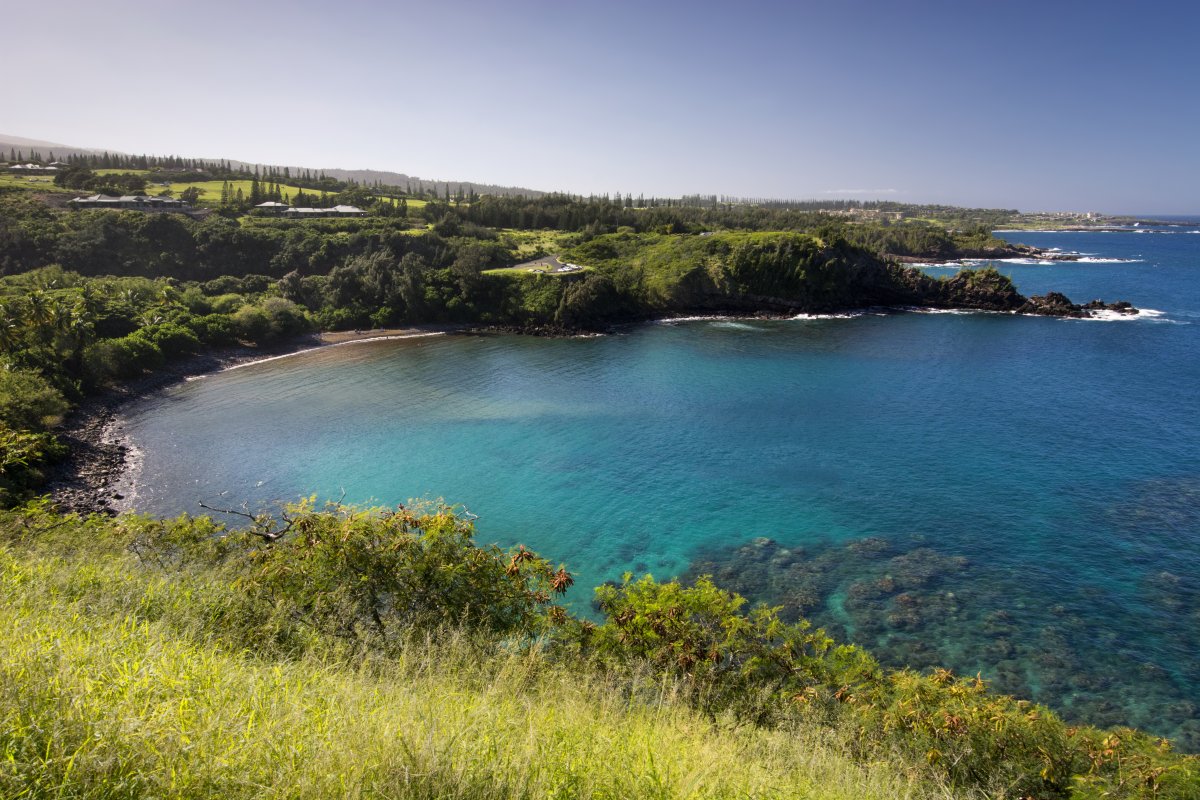
Honolua Bay on Maui

A marine sanctuary with outstanding snorkeling in summer (when the bay is calm) and world-class surfing in winter (when the north swells roll in). The trail to the bay passes through a forested path. In summer, the inner bay has excellent visibility with turtles, reef fish, and occasional spinner dolphins. In winter, watching experienced surfers ride the overhead waves is a show in itself.

Honolua Bay guide →

Family-Friendly Activities

Maui Ocean Center

LocationMaʻalaea Harbor
Cost$43 adult, $30 child, under 3 free
Time2–3 hours
Maui Ocean Center on Maui

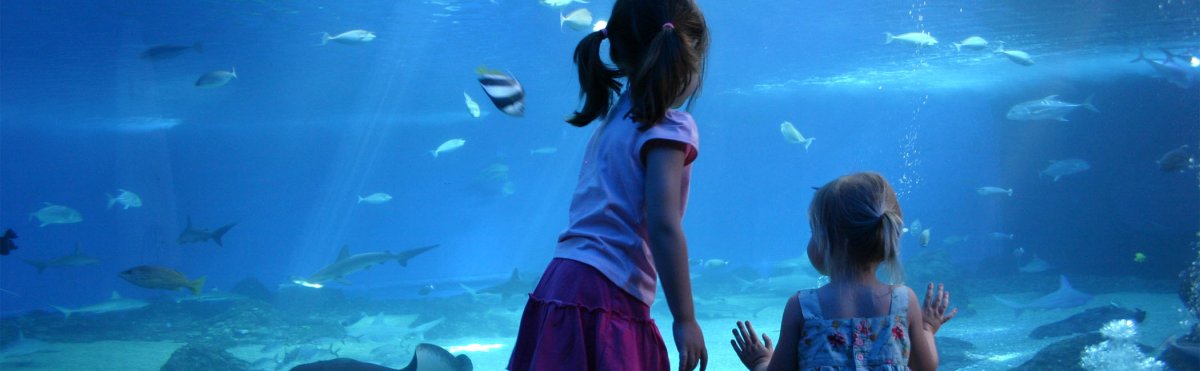
A world-class aquarium focused entirely on Hawaiian marine life. The 750,000-gallon Open Ocean tank with sharks, rays, and tuna is the centerpiece, and an acrylic tunnel lets you walk through it with fish swimming overhead. The Humpbacks of Hawaiʻi exhibit uses 3D technology and sphere screens. Good rainy-day option and a solid educational stop for families.

Maui Ocean Center guide →

Kapalua Bay for Families

The calmest, most protected swimming beach on Maui. The crescent bay is shielded from wind and waves by two headlands, creating a natural lagoon. Clear water, gentle sand entry, and good snorkeling along the rocky edges make it ideal for young children. Shaded by trees at the edges. The only downside: limited parking.

Maui Tropical Plantation

LocationCentral Maui
CostTropical Express tram $20 adult, $10 child (3–12), under 2 free
Time1.5–2 hours

A working plantation where families can tour the grounds by tram and learn about Hawaiian agriculture — tropical fruits, coffee, sugarcane, macadamia nuts, and more. The zip-lining course adds adventure for older kids. The on-site cafe serves dishes made with plantation-grown ingredients.

Planning Your Maui Trip

Getting Around

A rental car is essential on Maui. The Road to Hāna, Haleakalā, and Upcountry are all car-dependent. Traffic between Kaʻanapali and Kīhei can be slow during rush hours — the single highway through the isthmus is a bottleneck. Book early: Maui rental cars are in high demand and prices spike during peak season.

Maui rental car guide →

Where to Stay

West Maui (Kaʻanapali, Kapalua, Napili) — best for beach resort access, snorkeling, and sunset views. Closest to the best beaches. South Maui (Wailea, Kīhei) — sunnier year-round, slightly lower prices than West Maui, and closer to Molokini boat departures. Upcountry/Central — best for Haleakalā access and farm tours, but far from beaches. Most first-time visitors choose West or South Maui.

Where to stay on Maui →

Best Time to Visit

April through June and September through November hit the sweet spot: good weather, lower prices, and fewer crowds. Winter (December–May) brings whale watching season and slightly more rain. Summer is peak family season with the highest prices. The Road to Hāna is best on dry days — check the forecast before committing to the drive.

Best time to visit Maui →

Frequently Asked Questions

What are the best things to do on Maui?

The top things to do include driving the Road to Hāna, watching the sunrise at Haleakalā, snorkeling at Molokini Crater, whale watching (December through May), exploring Kaʻanapali Beach, and hiking the Pīpīwai Trail to Waimoku Falls.

How many days do you need on Maui?

Most visitors need 5 to 7 days. The Road to Hāna takes a full day. Haleakalā sunrise is another early morning. Add beach days, snorkeling, and exploring West Maui, and a week fills up fast. See our Maui itineraries for day-by-day plans.
Is Maui still worth visiting after the Lahaina fire?

Yes. Maui needs visitors — tourism supports the local economy and recovery. Kaʻanapali, Kapalua, Napili, Wailea, Kīhei, and the Road to Hāna are all fully open. Lahaina town is in active rebuilding. The rest of the island is as beautiful as ever.
What should you not miss on Maui?

Do not miss the Road to Hāna, Haleakalā sunrise, snorkeling at Molokini Crater, whale watching (in season), and sunset from Kaʻanapali Beach. The Pīpīwai Trail and ʻĪao Valley are also essential.

Complete Maui Attractions Index

Every Maui sight, beach, hike, and tour we cover — bookmark this page and explore at your own pace.

Browse by category: All Sights · All Beaches · All Hikes · All Tours & Activities

How Maui Compares to Other Islands

Maui hits the sweet spot between adventure and comfort — the widest range of experiences with polished resort infrastructure. Here is where the other islands have the edge:

  • Oʻahu — Better for: Pearl Harbor and Hawaiian history, urban food scene and nightlife, North Shore surf culture, and Waikīkī if you want walkable city-and-beach in one place.
  • Big Island — Better for: active volcanoes (Kīlauea), manta ray night snorkeling, Mauna Kea stargazing, and black/green sand beaches you will not find on Maui.
  • Kauaʻi — Better for: the most dramatic scenery in Hawaiʻi (Nā Pali Coast, Waimea Canyon), serious hiking, and a quieter, less developed island pace.

Can't decide? Try our Which Island quiz or read the statewide overview.