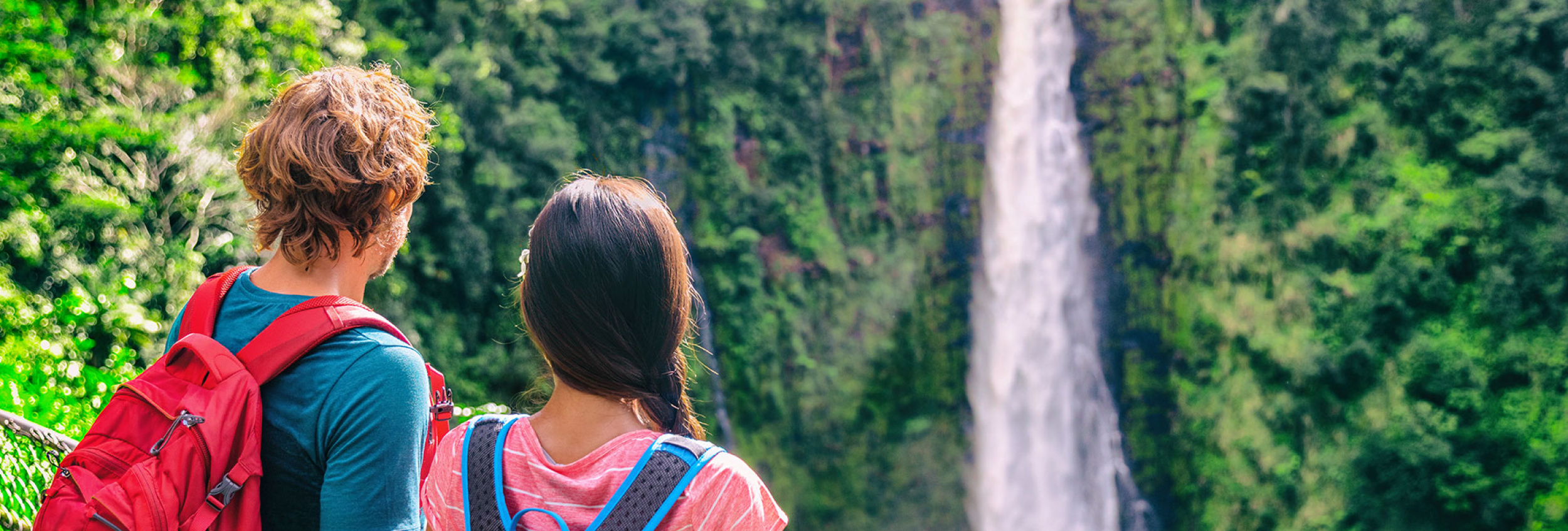

50+ Best Things to Do on the Big Island

Volcanoes, Black Sand Beaches, Manta Rays, Stargazing & Hidden Gems

The Big Island is twice the size of all other Hawaiian Islands combined. It has 11 of the world's 13 climate zones — from tropical rainforest to subarctic desert — and two of the most massive mountains on Earth (Mauna Kea and Mauna Loa). Kīlauea, one of the most active volcanoes on the planet, sits on the southeast flank. You can stand on a black sand beach in the morning and stargaze above the clouds at 13,796 feet by evening.

I have been writing about Hawaiʻi for over 20 years. The Big Island is the one that most rewards repeat visits — there is simply too much ground to cover in a single trip. This guide covers everything worth doing, organized by category with practical details for planning.

Need help planning? Check our Big Island itineraries for 1- to 10-day plans.
Volcanoes & Geological Wonders

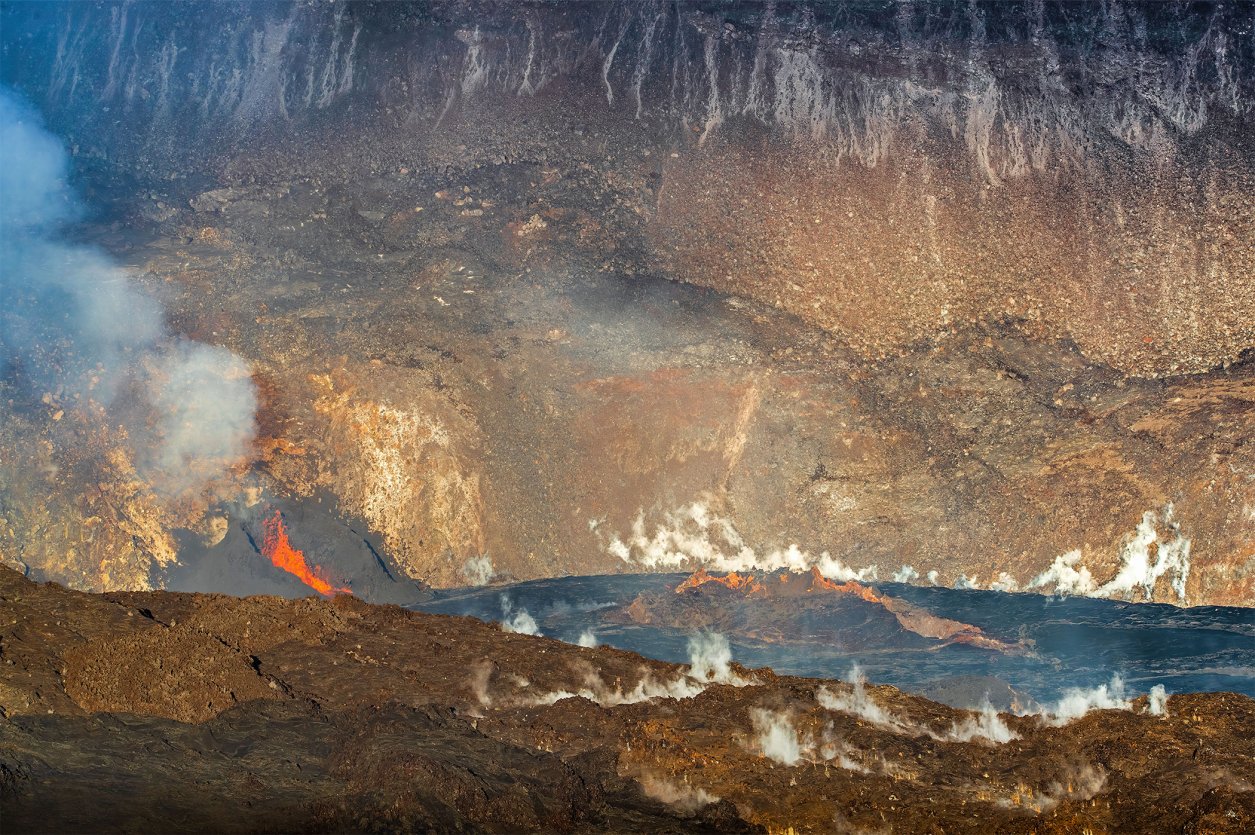
Kilauea eruption overlook on the Big Island

The Big Island is the youngest island in the Hawaiian chain and still growing. Kīlauea is one of the most active volcanoes on Earth, Mauna Loa is the largest, and Mauna Kea is the tallest (measured from its base on the ocean floor). The volcanic landscape here — lava fields, craters, steam vents, black sand — is unlike anything else in Hawaiʻi.

Hawaiʻi Volcanoes National Park

Location: Southeast coast, Volcano  |  Cost: $30 per vehicle (7-day pass)  |  Time: Half to full day

The centerpiece of the Big Island and a UNESCO World Heritage Site. Crater Rim Drive loops around the summit of Kīlauea with stops at steam vents, the Jaggar Museum overlook, and the Kīlauea Caldera — a massive crater that glows red when the volcano is actively erupting. Chain of Craters Road descends 3,700 feet through increasingly barren lava fields to the coast. Do not miss the Thurston Lava Tube — a 500-year-old tunnel you can walk through. Plan at least half a day; serious explorers need a full day or two.

Volcanoes National Park guide →

Mauna Kea Summit & Stargazing

Location: Central Big Island (via Saddle Road)  |  Cost: Free (self-drive) or $200–$250 (guided tour)  |  Time: 4–6 hours

At 13,796 feet, Mauna Kea's summit sits above 40% of Earth's atmosphere, making it one of the best astronomical observation sites on the planet. The world's most powerful telescopes are here. Guided sunset and stargazing tours drive you to the summit for sunset above the clouds, then stop at the Visitor Information Station (9,200 feet) for telescope viewing. The skies are genuinely extraordinary — the Milky Way looks three-dimensional. A 4WD vehicle is required for the summit road; altitude sickness is a real concern. Children under 13, pregnant women, and those with respiratory conditions should stay at the visitor station.

Mauna Kea guide →  |  Stargazing tour options →

South Point (Ka Lae) & Green Sand Beach

Location: Southern tip of the island  |  Cost: Free  |  Time: 3–4 hours

Ka Lae is the southernmost point in the United States. The wind-swept cliffs are dramatic, and local cliff jumpers launch themselves 40 feet into the ocean below (not recommended for visitors). From the parking area, a 2.5-mile hike (or shuttle ride) across exposed grassland leads to Papakōlea Green Sand Beach — one of only four green sand beaches in the world. The olivine crystals in the sand give it a striking olive-green color. The hike is flat but hot and exposed; bring water and sun protection.

South Point guide →

Beaches

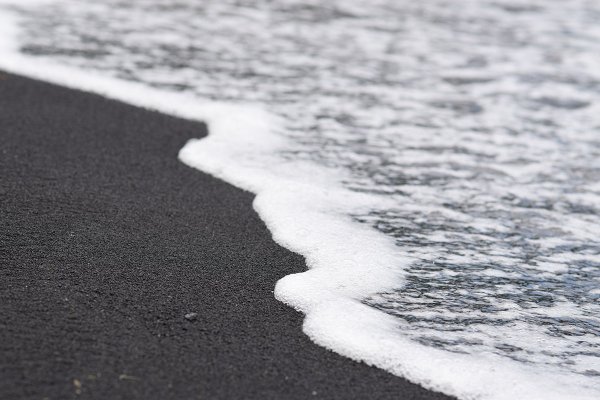
Black sand beach on the Big Island

The Big Island's beaches are unusual — you will find white sand, black sand, green sand, and everything in between. The Kohala Coast on the west side has the best swimming beaches; the Hilo side has fewer beaches but dramatic coastal scenery.

All Big Island beaches →

Punaluʻu Black Sand Beach

Location: Kaʻū, South Coast  |  Cost: Free  |  Time: 1–2 hours

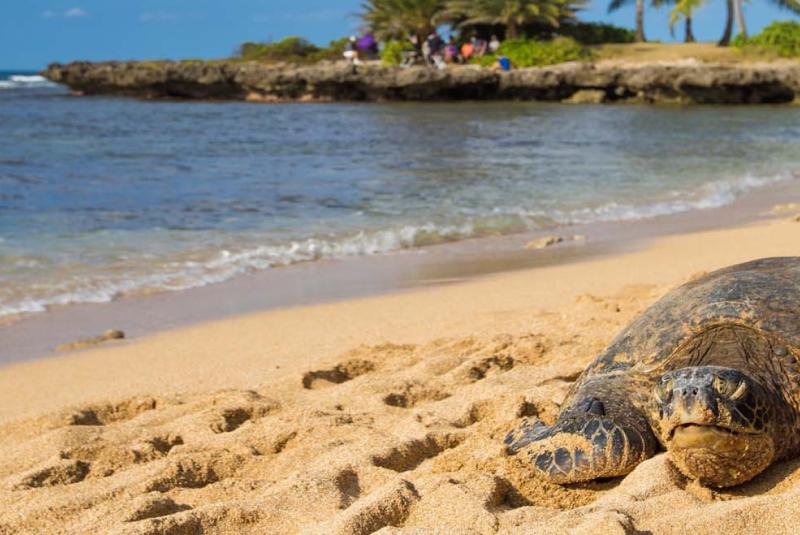
Jet-black sand made from volcanic basite, with green sea turtles hauling out on the beach so regularly that it is nearly guaranteed. The contrast — black sand, turquoise water, green turtles, coconut palms — is surreal. Swimming is not great here (rocky entry, strong currents), but the photography and turtle watching are the draw. Stay 10 feet from turtles as required by law.

Punaluʻu guide →

Hāpuna Beach

Location: Kohala Coast  |  Cost: Free  |  Time: 2–4 hours

The biggest white sand beach on the Big Island and consistently rated among the best beaches in the United States. Half a mile of wide, soft sand with clear water, good bodyboarding, and full facilities. The Kohala Coast is the sunniest part of the island — reliable beach weather even when Hilo is getting rain. This is the Big Island's answer to visitors who worry it "doesn't have good beaches."

Hāpuna Beach guide →

Kealakekua Bay

Location: Kona Coast  |  Cost: Free (kayak or hike in) or $80–$150 (snorkel tour)  |  Time: 3–5 hours

A marine sanctuary with some of the best snorkeling in all of Hawaiʻi — spinner dolphins, tropical fish, coral, and crystal visibility in a protected bay. The Captain Cook monument on the far shore marks where Captain James Cook was killed in 1779. Access is by kayak, boat tour, or a steep 1.8-mile hike down (and back up). Guided snorkel tours from Kailua-Kona handle the logistics and include gear.

Kealakekua Bay guide →  |  Snorkel tour options →

Makalawena Beach

Location: North Kona  |  Cost: Free  |  Time: 2–4 hours

A white sand beach backed by dunes that requires a 20-minute hike over lava rock to reach. No facilities, no shade, no crowds — just pristine sand and calm turquoise water. The hike filters out casual visitors, making this one of the least crowded beautiful beaches on the Big Island. Bring everything you need, including shade.

Makalawena guide →

Water Activities

Manta ray night dive on the Big Island

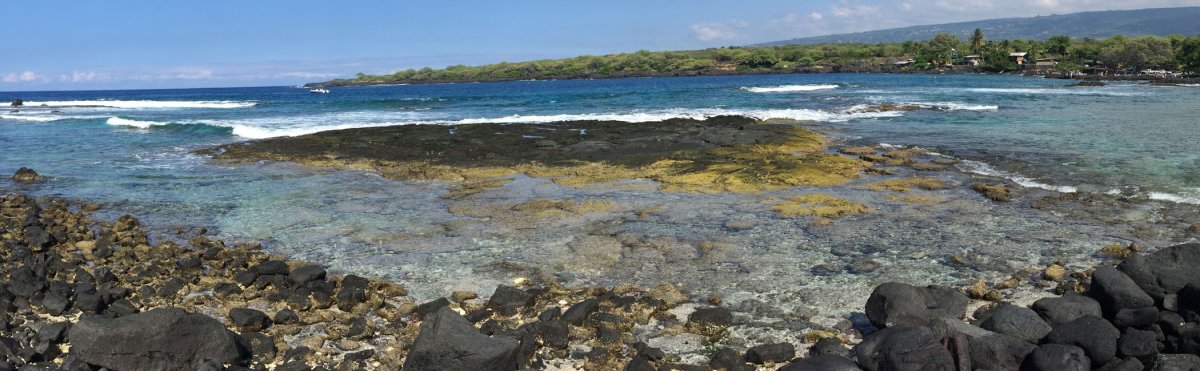
The Big Island's west coast (Kona side) has the calmest, clearest water in Hawaiʻi — protected from trade wind swells by the massive bulk of Mauna Kea and Mauna Loa. Visibility regularly exceeds 100 feet. The marine life includes manta rays, spinner dolphins, humpback whales (winter), and abundant reef fish.

Current ocean conditions →

Manta Ray Night Snorkel/Dive

Location: Kona Coast  |  Cost: $100–$150  |  Time: 2–3 hours (evening)

The single most unique wildlife experience in Hawaiʻi. After dark, you float on the surface holding a lighted surfboard while manta rays — with wingspans up to 12 feet — glide directly beneath you, feeding on plankton attracted by the lights. The mantas are gentle, curious, and come within inches. This is not an aquarium — these are wild animals in open ocean. Snorkeling trips are accessible to anyone who can float; scuba options put you on the ocean floor looking up as mantas swoop overhead. Book early — this is the Big Island's most popular paid activity.

Manta ray tour options →

Snorkeling at Two Step & Kealakekua Bay

Cost: Free (Two Step) or $80–$150 (Kealakekua tour)  |  Time: 2–4 hours

Two Step (Pae'a) near Puʻuhonua o Hōnaunau is the best shore-entry snorkeling on the Big Island — two natural lava "steps" into crystal-clear water teeming with reef fish, eels, and turtles. Kealakekua Bay is a marine sanctuary with even better underwater life but requires a boat, kayak, or hike to reach. Both are on the sunny Kona side with reliably calm conditions.

All Big Island snorkeling spots →

Whale Watching (December–May)

Cost: $40–$100  |  Time: 2–3 hours

Humpback whales migrate to the Big Island's western waters every winter. The Kona coast offers calm-water whale watching — many tours combine it with snorkeling or dolphin encounters for a full morning on the water. Peak sightings run January through March.

Whale watching tours →  |  Current whale season →

Hiking & Nature

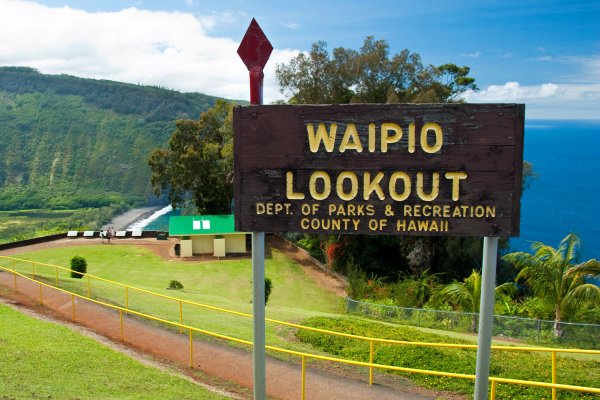
Waipio Valley overlook on the Big Island

The Big Island's hiking ranges from volcanic crater walks at sea level to sub-alpine trails at 10,000 feet. The diversity of terrain is unmatched in Hawaiʻi.

Trail & road status →  |  All Big Island trails →

Waipiʻo Valley

Location: Hāmākua Coast  |  Cost: Free (lookout); guided tours $50–$160  |  Time: 1–4 hours

A mile-wide valley flanked by 2,000-foot cliffs, with a black sand beach at its mouth and Hiʻilawe Falls — one of Hawaiʻi's tallest waterfalls — cascading in the back. The lookout at the top is accessible by car and offers one of the most dramatic views on the island. The road down to the valley floor is absurdly steep (25% grade, 4WD only). Guided tours by van, horseback, or ATV are the easiest way to explore the valley floor. This was the political and spiritual center of ancient Hawaiian civilization on the Big Island.

Waipiʻo Valley guide →

Pololū Valley Trail

Location: North Kohala  |  Difficulty: Moderate  |  Distance: 1 mile round trip  |  Cost: Free  |  Time: 1–1.5 hours

A short, steep trail from a clifftop lookout down to a black sand beach in a remote valley on the northern tip of the island. The lookout alone — cliffs, ocean, black sand — is worth the drive. The trail to the beach takes about 20 minutes down and 30 minutes up. Fewer visitors than Waipiʻo, equally dramatic scenery.

Pololū Valley guide →

ʻAkaka Falls State Park

Location: Hāmākua Coast  |  Cost: $5 per person  |  Time: 30–45 minutes

A 442-foot waterfall visible from a short, paved loop trail through a tropical rainforest. The trail also passes Kahūnā Falls (100 feet). This is the most accessible "big waterfall" on the Big Island — 10 minutes of walking, no mud, no scrambling. The surrounding rainforest is dense with bamboo, birds of paradise, and ginger. Combine with a drive along the scenic Pepeʻekeo Four Mile Route.

ʻAkaka Falls guide →  |  Four Mile Scenic Route →

Kīlauea Iki Trail

Location: Hawaiʻi Volcanoes National Park  |  Difficulty: Moderate  |  Distance: 4 miles loop  |  Cost: Park entry fee  |  Time: 2–3 hours

The best hike inside Volcanoes National Park. The trail descends from the rainforest rim into the Kīlauea Iki crater — a lava lake that erupted in 1959 — and crosses the hardened lava floor. Steam rises from cracks in the rock. The floor is still warm in places. Walking across a volcanic crater floor is a profoundly unusual experience.

Kīlauea Iki Trail guide →

Tours & Guided Experiences

The Big Island's distances and logistical complexity make guided tours more valuable here than on smaller islands. A helicopter reveals the volcanic landscape from above, and volcano tours handle the long drives and timing.

Browse all Big Island tours on Viator →

Helicopter Tours

Cost: $250–$400 per person  |  Time: 45–75 minutes

A helicopter tour of the Big Island flies over active volcanic vents, cascading waterfalls in remote valleys, the Hāmākua Coast cliffs, and the contrast between the barren lava fields and lush rainforest. If Kīlauea is actively erupting, the flight over the caldera is once-in-a-lifetime. Doors-off flights give better photography. Blue Hawaiian and Paradise Helicopters are the most established operators.

Helicopter tour options →

Volcano Tours from Kona

Cost: $200–$300 per person  |  Time: 10–12 hours

Volcanoes National Park is a 2.5-hour drive from Kona resorts. Guided tours handle the driving, include stops at key viewpoints (Rainbow Falls, Kīlauea Caldera, lava tubes, black sand beach), and time the visit so you can see the caldera glow at dusk. For visitors staying on the Kona side without a rental car, this is the most practical way to experience the volcano.

Volcano tour options →

Lūʻau

Cost: $100–$180 per person  |  Time: 3–4 hours (evening)

The Big Island's lūʻau scene is smaller than Oʻahu's or Maui's, but the settings are more intimate. Voyagers of the Pacific at the Royal Kona Resort offers an oceanfront experience in Kailua-Kona. The Gathering of the Kings at the Courtyard by Marriott King Kamehameha's Kona Beach Hotel tells the story of Kamehameha the Great with a strong cultural performance.

Big Island lūʻau guide →

Food, Coffee & Farms

Kona coffee farm tour on the Big Island

The Big Island grows more food than all other Hawaiian islands combined — coffee, macadamia nuts, vanilla, chocolate, tropical fruit, and cattle. The farm-to-table scene here is not a marketing term; it is geographic fact.

Big Island dining guide →

Kona Coffee Farm Tours

Location: Kona Coffee Belt (Holualoa to Captain Cook)  |  Cost: Free–$30  |  Time: 1–2 hours per farm

The slopes above Kailua-Kona between 800 and 2,500 feet elevation produce 100% Kona coffee — one of the most sought-after coffees in the world. Dozens of farms offer free tastings; many offer paid tours of the growing, harvesting, and roasting process. Greenwell Farms, Hula Daddy, and Mountain Thunder are popular choices. The town of Holualoa in the coffee belt is a charming art village worth a stop.

Hilo Farmers Market

Location: Downtown Hilo  |  Cost: Free entry  |  Time: 1–2 hours

The biggest and best farmers market in Hawaiʻi, running Wednesday and Saturday mornings. Over 200 vendors sell tropical fruit (rambutan, dragon fruit, star fruit, lilikoi), fresh flowers, prepared food, and local crafts. Saturday is the main event — get there before 8 a.m. for the best selection. The prices are a fraction of what you pay in resort areas. This is Hilo at its most vibrant and authentic.

Macadamia Nut Farms

Location: Hilo area  |  Cost: Free  |  Time: 30–60 minutes

The Big Island produces most of the world's macadamia nuts. The Mauna Loa Macadamia Nut Factory near Hilo offers free self-guided tours of the processing facility and generous samples. Hamakua Macadamia Nut Company on the Hāmākua Coast is smaller but more hands-on.

Culture & History

Green sea turtle resting on a Hawaii beach

The Big Island is the birthplace of Kamehameha the Great, who unified the Hawaiian Islands. Ancient temples (heiau), royal fishponds, petroglyphs, and places of refuge dot the landscape — the density of significant Hawaiian historical sites here is unmatched.

Puʻuhonua o Hōnaunau (Place of Refuge)

Location: South Kona  |  Cost: $20 per vehicle  |  Time: 1–2 hours

An ancient Hawaiian sanctuary where those who broke kapu (sacred law) could seek forgiveness and safety. The reconstructed temple, carved kiʻi (wooden images), and royal grounds sit on a dramatic lava coastline. The self-guided tour explains the kapu system and the significance of this place in Hawaiian justice and spirituality. The adjacent Two Step snorkeling spot makes this a natural combo stop.

Place of Refuge guide →

Puʻukoholā Heiau

Location: Kohala Coast  |  Cost: Free  |  Time: 1 hour

The massive stone temple that Kamehameha I built in 1790–91 on the advice of a prophet, fulfilling a prophecy that completing the heiau would ensure his conquest of all Hawaiʻi. The temple is one of the largest ancient structures in the Pacific and the site where Kamehameha's rival, Keōua, was killed — the act that unified the Big Island under Kamehameha's rule. The ranger talks are excellent.

Puʻukoholā Heiau guide →

King Kamehameha Statue (Kapaʻau)

Location: North Kohala  |  Cost: Free  |  Time: 15 minutes

The original King Kamehameha statue stands in front of the North Kohala courthouse in Kapaʻau — near Kamehameha's birthplace. (The famous statue in Honolulu is actually a replica.) The original was lost at sea, recovered, and returned here. A quick stop on the way to Pololū Valley that connects you to the most important figure in Hawaiian history.

Kamehameha statue →

Hidden Gems & Local Favorites

Hawaiʻi Tropical Botanical Garden

Location: Pepeʻekeo, Hilo Side  |  Cost: $25 adults  |  Time: 1.5–2 hours

A 40-acre garden in a tropical valley on the Hāmākua Coast, with waterfalls, ocean views, and over 2,000 species of tropical plants. The trail descends through the rainforest canopy to Onomea Bay. Quieter and more dramatic than most visitors expect — the combination of waterfalls, ocean, and dense tropical vegetation in a single walk is remarkable.

Tropical botanical garden →

Laupahoehoe Point

Location: Hāmākua Coast  |  Cost: Free  |  Time: 30 minutes

A lava peninsula jutting into the ocean on the Hāmākua Coast, site of a 1946 tsunami that destroyed the local school and killed 24 people — mostly children. A memorial stands at the point. The power of the ocean here — waves crashing against the lava, the exposed coastline — makes the history visceral. A powerful, humbling stop on the drive between Hilo and Waipiʻo Valley.

Laupahoehoe Point →

Hāwī & North Kohala

Location: Northern tip  |  Cost: Free  |  Time: 2–3 hours

A former sugar plantation town that has reinvented itself as an arts community. Small galleries, restaurants, and shops line the main street. The drive up the Kohala Mountain Road from Waimea — home of Parker Ranch, one of the largest cattle ranches in the U.S. — to Hāwī offers some of the island's best pastoral scenery — green rolling hills, cattle ranches, and views of the coast below. Combine with Pololū Valley and the Kamehameha statue for a full north Kohala loop.

Hāwī guide →

Painted Church (St. Benedict's)

Location: South Kona  |  Cost: Free  |  Time: 20 minutes

A tiny Catholic church built in the 1800s by Belgian priest Father John Velghe, who painted the interior walls and ceiling with biblical scenes to teach Christianity to a congregation that could not read. The painted tropical landscapes, palm trees, and religious imagery are folk art masterpieces. A 10-minute stop on the way to or from the Place of Refuge.

Painted Church →

Family-Friendly Activities

Panaʻewa Rainforest Zoo

Location: Hilo  |  Cost: Free  |  Time: 1–1.5 hours

The only tropical rainforest zoo in the United States. Small but well-maintained, with a white Bengal tiger (Namaste), lemurs, native Hawaiian birds, and a petting zoo. Free admission makes it an easy Hilo-side activity for families with young children.

Panaʻewa Zoo →

ʻImiloa Astronomy Center

Location: Hilo  |  Cost: $16 adults, $8 children  |  Time: 1.5–2 hours

A museum connecting Hawaiian voyaging traditions with modern astronomy — both cultures navigated by the stars. The planetarium shows are excellent, and the exhibits explain why Mauna Kea is one of the world's premier observation sites. Good for older children and teens, especially as a complement to a Mauna Kea visit.

ʻImiloa guide →

Rainbow Falls

Location: Hilo  |  Cost: Free  |  Time: 20 minutes

An 80-foot waterfall in Hilo that produces rainbows in the morning mist when the sun hits it right. The falls are visible from a paved lookout — no hiking required, stroller accessible. Best visited in the morning for rainbow conditions. A quick, easy stop in Hilo that works for all ages.

Rainbow Falls →

Planning Your Big Island Trip

Getting Around

A rental car is essential on the Big Island. Distances between attractions are significant — Kona to Volcanoes National Park is 2.5 hours, Kona to Hilo is 2 hours via Saddle Road. There is no viable public transit for tourists. Book your car early.

Getting around the Big Island →

Where to Stay: Kona vs. Hilo

Most visitors stay on the Kona side (west) — sunny weather, resort beaches, better snorkeling, and most tour operators are based here. Hilo (east) is rainier but closer to Volcanoes National Park, waterfalls, and the farmers market. For a 5+ day trip, consider splitting time between both coasts.

Where to stay guide →

Frequently Asked Questions

What are the best things to do on the Big Island?

The top things to do include Hawaiʻi Volcanoes National Park, the manta ray night snorkel, Mauna Kea stargazing, snorkeling at Kealakekua Bay, Punaluʻu Black Sand Beach, and exploring Waipiʻo Valley.

How many days do you need on the Big Island?

Most visitors need 5 to 7 days. The Big Island is twice the size of all other Hawaiian islands combined, so driving distances are real. Three to four days covers the Kona coast and Volcanoes National Park, but a full week lets you explore both coasts, the Kohala Coast, and the Hāmākua corridor. See our itineraries for day-by-day plans.

Is Kona or Hilo better?

Most visitors prefer Kona for sunny weather, resort beaches, and better snorkeling. Hilo is rainier but has waterfalls, the farmers market, and is closer to Volcanoes National Park. Ideally, spend time on both sides.

What should you not miss on the Big Island?

Do not miss Volcanoes National Park, the manta ray night snorkel, Mauna Kea stargazing, Kealakekua Bay snorkeling, and Punaluʻu Black Sand Beach. Waipiʻo Valley and ʻAkaka Falls are worth the drive.