
55+ Best Things to Do on Oʻahu

Beaches, Hikes, Historic Sites, Tours & Hidden Gems

Oʻahu packs more variety into 597 square miles than most states manage across thousands. Pearl Harbor sits 20 minutes from the surf breaks that invented modern surfing. A rainforest waterfall hike ends in time for a plate lunch in Chinatown. The North Shore — quiet farm country most of the year — turns into the big-wave capital of the world every winter.

I have been writing about Hawaiʻi for over 20 years and have visited Oʻahu more times than I can count. This guide covers everything worth doing on the island, organized by category so you can build your own itinerary based on what matters to you. Each entry includes practical details — cost, time needed, location — and links to our deeper guides where they exist.

Need help planning your days? Check out our Oʻahu itineraries for ready-made 1- to 7-day plans, or use the Itinerary Explorer to build a custom plan.
Beaches

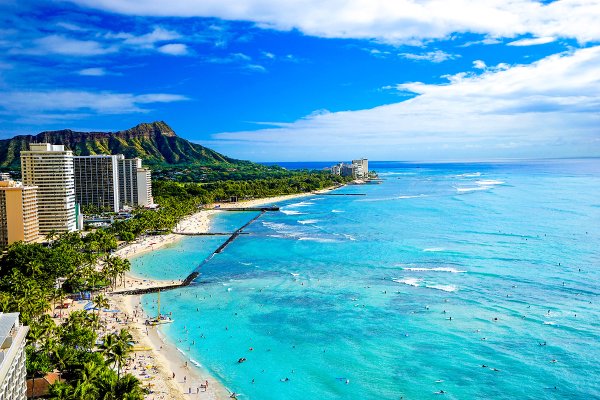
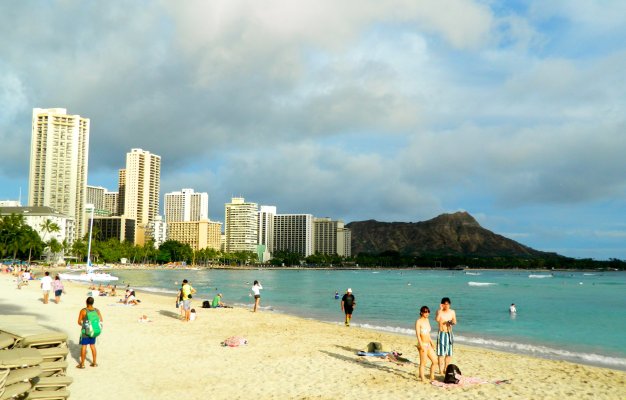
Waikiki Beach with Diamond Head in the background

Oʻahu has over 100 beaches. Some face open ocean with powerful surf. Others sit inside protected bays where the water barely ripples. The variety means there is a beach for every skill level, mood, and age group on the island.

Full guide: All Oʻahu beaches →

Waikīkī Beach

Location: Waikīkī, Honolulu  |  Cost: Free  |  Time: 2–4 hours

The most famous beach in Hawaiʻi — and still one of the best for beginners. The water is calm, the sand is soft, and the views of Diamond Head from the shoreline are postcard-perfect. Waikīkī is actually a series of smaller beaches stretching about two miles, each with its own character. The stretch near the Duke Kahanamoku statue is the most crowded; head east toward the Natatorium for more space. This is also the best place on the island to take a surfing lesson — the gentle breaks are where Duke himself taught visitors to ride waves a century ago.

Waikīkī Beach guide →

Lanikai Beach

Location: Kailua, Windward Side  |  Cost: Free  |  Time: 2–4 hours

Lanikai regularly appears on "best beaches in the world" lists, and the hype is earned. Fine white sand, turquoise water, and the twin Mokulua Islands offshore make for a scene that looks retouched but is not. No facilities here — no restrooms, no showers, no lifeguards — which keeps the crowds slightly lower than you would expect. Park in the neighborhood and walk through one of the public access paths between homes. Get here early on weekends. Morning light on the Mokes is worth the alarm clock.

Lanikai Beach guide →

Kailua Beach Park

Location: Kailua, Windward Side  |  Cost: Free  |  Time: 2–5 hours

If Lanikai is the supermodel, Kailua Beach Park is the reliable friend. Two and a half miles of sand with full facilities — parking, restrooms, showers, picnic areas, and lifeguards. The water is gentle enough for small children, and the steady trade winds make it one of the best spots in Hawaiʻi for kayaking and stand-up paddleboarding. Rent a kayak and paddle to the Mokulua Islands (a flat 45-minute trip), or just plant an umbrella and stay all day.

Kailua Beach Park guide →

Hanauma Bay Nature Preserve

Location: East Honolulu  |  Cost: $25 per person (advance reservations required)  |  Time: 3–4 hours

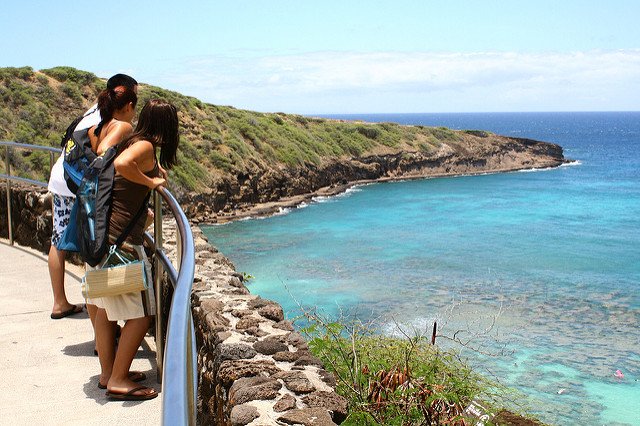
A volcanic crater that collapsed into the sea and became Oʻahu's best snorkeling spot. The reef inside the bay is home to over 400 species of fish, and visibility is usually 30 feet or more. Every visitor must watch a short conservation video before entering — a small price for the quality of the marine life here. Book your reservation online at least a few days ahead; slots sell out fast, especially for morning entry.

Hanauma Bay guide →

North Shore Beaches

Location: North Shore  |  Cost: Free  |  Time: Half to full day

The North Shore is two different places depending on the season. From November through February, waves on the outer reefs reach 30 to 50 feet, and the world's best surfers descend for the Triple Crown of Surfing. Watching from the beach at Pipeline or Sunset Beach is free and genuinely awe-inspiring. From May through September, those same beaches flatten out into calm, swimmable water — a completely different experience. The North Shore is about 45 minutes from Waikīkī and worth the drive in any season.

Waimānalo Beach

Location: Windward Side  |  Cost: Free  |  Time: 2–3 hours

The longest stretch of white sand on Oʻahu — over three miles — and somehow one of the least crowded. Waimānalo sits on the windward coast, backed by the Koʻolau Mountains instead of hotels. The water is clear, the bodyboarding is solid, and you will likely have more space than at any beach in Waikīkī. Locals love it for weekend barbecues. No tourist infrastructure here, which is exactly the point.

Waimānalo Beach guide →

Ala Moana Beach Park

Location: Honolulu  |  Cost: Free  |  Time: 2–3 hours

A half-mile of calm, reef-protected water right in Honolulu — walking distance from the Ala Moana shopping center. The beach is popular with local families for a reason: flat water, lifeguards, shaded picnic areas, and a grassy park behind the sand. Magic Island, the peninsula at the west end, is one of the best spots on Oʻahu for watching the sunset. Fewer tourists than Waikīkī, better parking, same quality water.

Ala Moana Beach Park guide →

Hiking & Nature

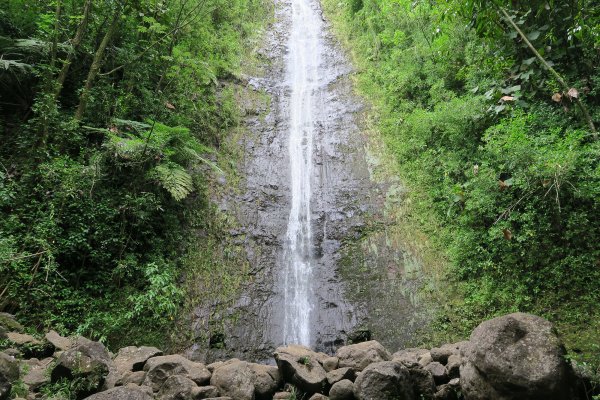
Manoa Falls waterfall surrounded by lush green foliage on Oahu

The Koʻolau and Waiʻanae mountain ranges give Oʻahu some of the most dramatic day hikes in Hawaiʻi — ridgeline trails with thousand-foot drops, rainforest paths to hidden waterfalls, and volcanic crater climbs with panoramic views. Most popular trails now require parking reservations or entry fees, so plan ahead.

Current conditions: Trail & road status →

Full guide: All Oʻahu hiking trails →

Diamond Head (Lēʻahi) Summit Trail

Location: Diamond Head, Honolulu  |  Difficulty: Moderate  |  Distance: 1.6 miles round trip  |  Cost: $5 per person (reservations required)  |  Time: 1.5–2 hours

The single most popular hike on Oʻahu, and one of the most iconic in all of Hawaiʻi. The trail climbs 560 feet through the interior of a 300,000-year-old volcanic crater to a summit with 360-degree views of Waikīkī, the coastline, and the Koʻolau Range. Advance reservations are required — book online at least a few days ahead. Go early. The trail is exposed with no shade, and the summit gets hot after 9 a.m.

Diamond Head hiking guide →

Mānoa Falls Trail

Location: Mānoa Valley, Honolulu  |  Difficulty: Easy  |  Distance: 1.6 miles round trip  |  Cost: $5 parking  |  Time: 1–1.5 hours

A short, shaded rainforest walk that ends at a 150-foot waterfall — all 15 minutes from downtown Honolulu. The trail follows Mānoa Stream through bamboo groves and banyan trees. It can be muddy (this is one of the wettest spots on the island), so wear shoes with grip. The waterfall is best after rain, when the flow is strongest. Swimming in the pool is not recommended due to leptospirosis risk, but the view is worth the hike regardless.

Mānoa Falls guide →

Koko Crater Railway Trail

Location: Hawaiʻi Kai  |  Difficulty: Strenuous  |  Distance: 1.8 miles round trip  |  Cost: Free  |  Time: 1.5–2 hours

1,048 railroad-tie steps straight up the side of a volcanic crater. No switchbacks, no gradual incline — just up. The trail follows abandoned World War II rail tracks and includes a bridge section over a gap that separates casual hikers from committed ones. The summit reward: panoramic views of Hanauma Bay, the Koʻolau Range, and the windward coast. Start early to avoid the full sun on the exposed tracks.

Koko Crater guide →

Lanikai Pillbox (Kaʻiwa Ridge) Trail

Location: Kailua  |  Difficulty: Moderate  |  Distance: 1.8 miles round trip  |  Cost: Free  |  Time: 1–1.5 hours

A ridgeline hike to two WWII observation bunkers (pillboxes) overlooking Lanikai Beach and the Mokulua Islands. The views from the first pillbox — a direct overhead look at that turquoise water — are among the most photographed on Oʻahu. The trail is steep for the first 10 minutes, then levels off along the ridge. Sunrise from the pillboxes is the island's worst-kept secret.

Lanikai Pillbox guide →

Waimea Falls

Location: North Shore  |  Difficulty: Easy  |  Distance: 1.5 miles round trip  |  Cost: $20 adults, $12 children  |  Time: 2–3 hours

A paved, stroller-friendly path through a botanical garden ending at a 45-foot waterfall you can swim in (life jackets provided and required). This is the most accessible waterfall hike on Oʻahu — no mud, no scrambling, no ambiguity about the trail. The gardens along the way include over 5,000 species of tropical plants, many labeled. Combine this with a North Shore beach day and lunch in Hāleiwa.

Waimea Falls guide →

Maunawili Falls Trail

Location: Windward Side  |  Difficulty: Moderate  |  Distance: 3.4 miles round trip  |  Cost: Free  |  Time: 2–3 hours

A jungle trail through guava and mango trees that ends at a waterfall with a deep swimming pool. The path crosses streams several times and can be muddy — this is real trail hiking, not a paved walkway. The payoff is a falls with fewer crowds than Mānoa and a pool deep enough to jump into (carefully). Mosquito repellent is not optional here.

Maunawili Falls guide →

ʻAiea Loop Trail

Location: ʻAiea  |  Difficulty: Moderate  |  Distance: 4.8-mile loop  |  Cost: Free  |  Time: 2.5–3.5 hours

A loop trail through native forest above Pearl Harbor with views of the harbor and the Koʻolau Mountains. Less crowded than the popular East Side trails, this is a favorite among residents for morning runs and weekend hikes. The trail passes a WWII-era plane wreck partially hidden in the vegetation.

ʻAiea Loop Trail guide →

Historic & Cultural Sites

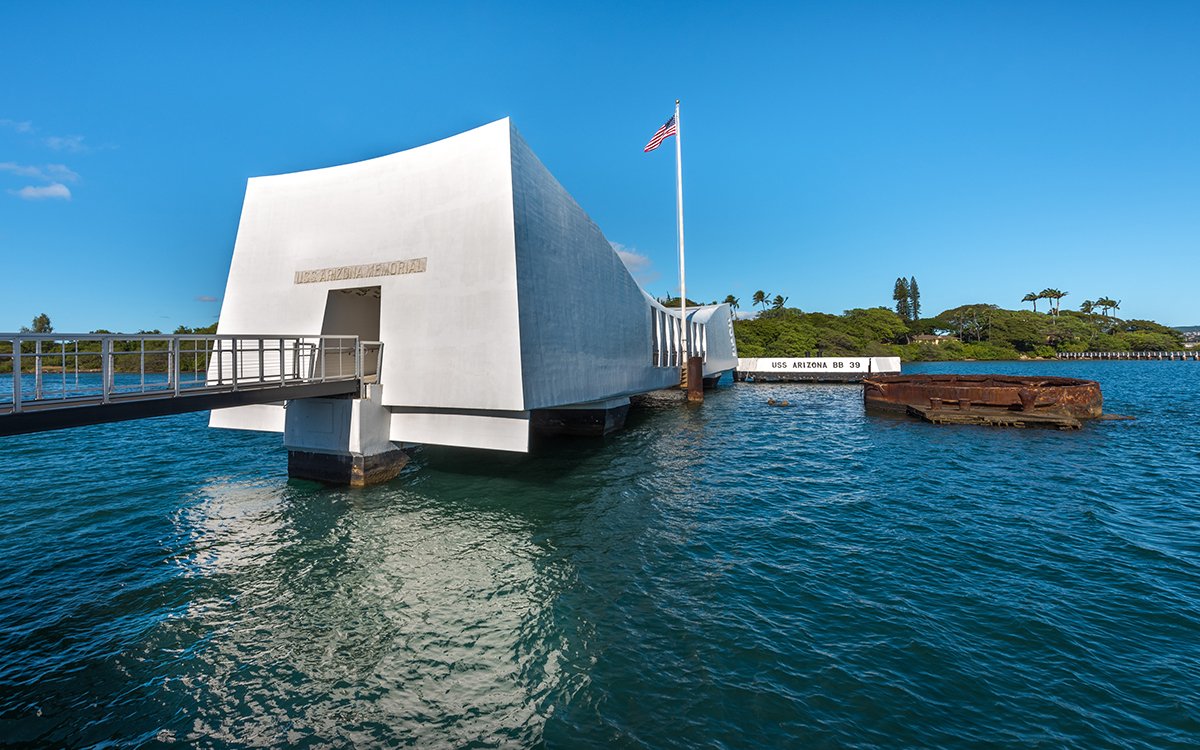
Pearl Harbor Memorial

Oʻahu is where Hawaiian history happened. The Kingdom of Hawaiʻi was governed from Honolulu. Pearl Harbor changed the course of World War II. The overthrow of the Hawaiian monarchy played out in buildings you can still walk through today. These are not dusty museums — they are living history with direct connections to the present.

Pearl Harbor National Memorial

Location: Pearl Harbor, Central Oʻahu  |  Cost: Free (USS Arizona Memorial); $29–$72 for other sites  |  Time: 3–6 hours

Pearl Harbor is the single most visited attraction in Hawaiʻi, and the USS Arizona Memorial — built directly over the sunken battleship — remains the emotional center. The memorial is free, but you need a timed-entry ticket reserved online at recreation.gov. Tickets release 60 days in advance and sell out almost immediately. Book the moment they open. Beyond the Arizona, the full Pearl Harbor complex includes the USS Missouri (where Japan signed the surrender), the USS Bowfin submarine, and the Pearl Harbor Aviation Museum. Plan at least half a day.

Pearl Harbor guide →

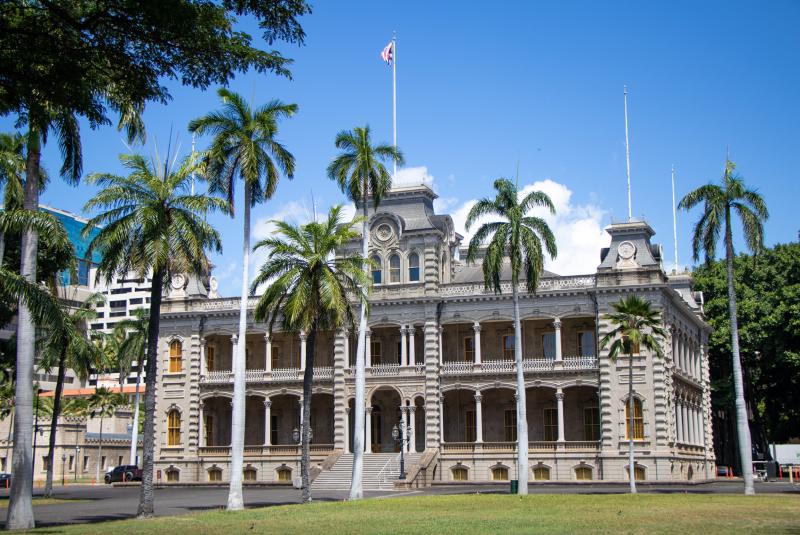
ʻIolani Palace

Location: Downtown Honolulu  |  Cost: $22–$30 adults  |  Time: 1.5–2 hours

The only official royal palace on American soil. Built in 1882 for King Kalākaua and Queen Kapiʻolani, ʻIolani Palace had electricity before the White House did. The interior has been meticulously restored — the throne room, state dining room, and royal bedrooms look much as they did during the Hawaiian Kingdom's final years. The guided or self-guided audio tours are worth the cost. The story of Queen Liliʻuokalani's imprisonment here in 1895 after the overthrow of the monarchy is difficult and important.

ʻIolani Palace guide →

Bishop Museum

Location: Kalihi, Honolulu  |  Cost: $28.95 adults  |  Time: 2–3 hours

The largest museum in Hawaiʻi and the premier institution for Hawaiian and Pacific Island history. The main Hawaiian Hall houses artifacts spanning 2,000 years of Polynesian voyaging and Hawaiian culture — royal feather cloaks, ancient navigation charts, and the cultural tools of a civilization that crossed the Pacific without instruments. The planetarium and science garden are strong additions for families. This is the single best place to understand Hawaiʻi before everything else you see on the island.

Bishop Museum guide →

Polynesian Cultural Center

Location: Lāʻie, North Shore  |  Cost: $70–$240  |  Time: 4–8 hours (afternoon + evening)

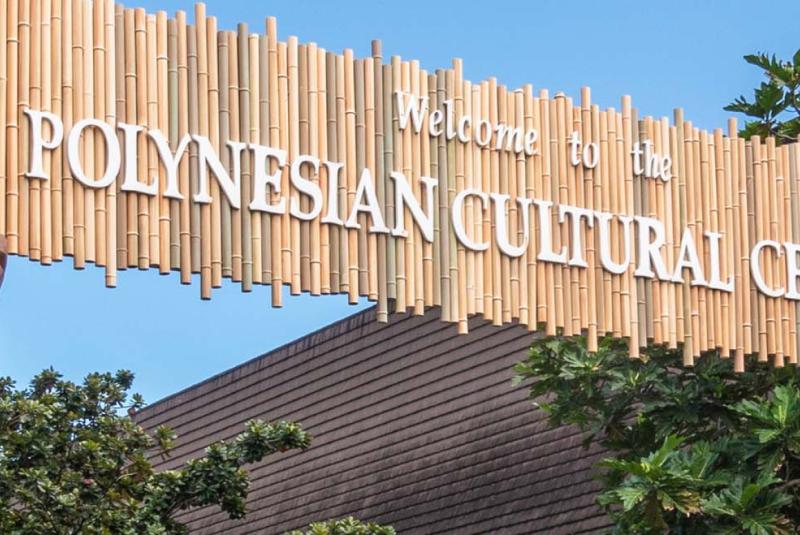
Six Polynesian island villages — Hawaiʻi, Samoa, Tonga, Fiji, Tahiti, and Aotearoa (New Zealand) — staffed by students from nearby Brigham Young University–Hawaiʻi who come from those actual cultures. The hands-on activities (spear throwing, coconut husking, canoe paddling, poi pounding) are more engaging than they sound, especially for kids. The evening lūʻau dinner and "Hā: Breath of Life" fire show justify the higher-tier packages. This is a full afternoon-through-evening commitment — plan to arrive around 12:30 p.m.

Polynesian Cultural Center guide →

Honolulu Chinatown

Location: Downtown Honolulu  |  Cost: Free to walk; food varies  |  Time: 2–3 hours

The oldest Chinatown in the United States and far more than a Chinese neighborhood — it is a living cross-section of Hawaiian, Chinese, Vietnamese, Filipino, Thai, and Korean culture compressed into a few walkable blocks. The Oʻahu Market is the anchor: open-air stalls selling fresh fish, tropical fruit, and prepared food that costs a fraction of Waikīkī prices. The art galleries on Smith and Bethel streets are surprisingly good. Go on a Friday evening for First Friday gallery walks, or Saturday morning when the market is at its liveliest.

National Memorial Cemetery of the Pacific (Punchbowl)

Location: Punchbowl Crater, Honolulu  |  Cost: Free  |  Time: 1–1.5 hours

A national cemetery set inside a volcanic crater overlooking Honolulu. More than 53,000 veterans are buried here, including many from Pearl Harbor and the Pacific Theater of WWII. The views of Honolulu from the crater rim are extraordinary, and the Courts of the Missing — marble walls listing 28,000+ names of service members whose remains were never recovered — are quietly devastating. A respectful, powerful place.

Water Activities

Snorkelers at Hanauma Bay

Oʻahu sits in the middle of the Pacific with water temperatures between 75°F and 82°F year-round. The marine life is abundant, the visibility is excellent, and the range of water activities — from calm-bay snorkeling to open-ocean diving — matches any island destination on Earth.

Current conditions: Oʻahu ocean report →

Snorkeling at Hanauma Bay

Location: East Honolulu  |  Cost: $25 entry + gear rental  |  Time: 3–4 hours

Already covered in the beaches section, but worth repeating here: Hanauma Bay is the best place on Oʻahu for first-time snorkelers. The inner reef is shallow (3–8 feet), the water is calm, and the fish are abundant because the bay is a protected marine preserve. Bring your own gear or rent at the top of the hill before descending to the beach. Reservations are required.

All Oʻahu snorkeling spots →

Surfing & Surf Lessons

Location: Waikīkī (lessons), North Shore (watching/advanced)  |  Cost: $80–$150 for lessons  |  Time: 2 hours

Waikīkī's gentle waves have been the world's introductory surf classroom for over a century. The breaks near the Duke statue are perfect for beginners — small, forgiving, and close to shore. Most lesson operators guarantee you will stand up. For experienced surfers, the North Shore in winter (November–February) is the real deal — Pipeline, Sunset, and Haleiwa offer world-class waves. Just watching from the beach is one of the best free shows on the island.

Oʻahu surfing guide →

Whale Watching (Seasonal: December–May)

Location: Departs from various harbors  |  Cost: $40–$100  |  Time: 2–3 hours

Roughly 10,000 humpback whales migrate from Alaska to Hawaiʻi each winter to breed and calve in the warm, shallow waters around the islands. Peak whale season on Oʻahu runs from January through March, when sightings are nearly guaranteed on boat tours. You can also spot whales from shore — Makapuʻu Lighthouse trail is one of the best land-based viewing points in the state.

Oʻahu whale watching guide →  |  Current whale season status →

Dolphin & Sea Turtle Tours

Location: West Side (dolphins), various (turtles)  |  Cost: $100–$180  |  Time: 3–4 hours

Spinner dolphins are resident year-round on Oʻahu's west coast, and boat tours from Waiʻanae Harbor offer reliable sightings. Federal regulations prohibit swimming within 50 yards of spinner dolphins (they need rest during the day), but the boats get close enough for excellent viewing and photography. Green sea turtles are easier — you will likely see them while snorkeling at almost any reef on the island. Laniākea Beach on the North Shore is famous for turtles resting on the sand, but respect the 10-foot distance law.

Marine life tours →

Kayaking & Stand-Up Paddleboarding

Location: Kailua, Waikīkī, Haleʻiwa  |  Cost: $35–$75 rentals  |  Time: 2–4 hours

Kailua Beach is the kayaking hub — rental shops on Kailua Road have everything you need, and the paddle to the Mokulua Islands is a flat-water trip that feels like an expedition. Stand-up paddleboarding in Waikīkī or on the North Shore during flat summer conditions is accessible for all fitness levels. The Anahulu River in Hāleiwa offers a calm inland paddle through a tropical river valley — a change from the ocean.

Food & Dining

Shave ice on Oahu

Oʻahu's food scene reflects 150 years of immigration from Japan, China, Korea, the Philippines, Portugal, and a dozen other places, all layered on top of Native Hawaiian cooking traditions. The result is a cuisine that exists nowhere else. Skip the hotel restaurants (most of them) and eat where the locals eat.

Full guide: Oʻahu dining guide →

Plate Lunch

The plate lunch is the unofficial meal of Hawaiʻi: two scoops of rice, one scoop of macaroni salad, and a protein — usually chicken katsu, kalbi short ribs, loco moco, or kalua pork. It is working-class food elevated by decades of refinement. Every neighborhood on Oʻahu has its own champion plate lunch spot, and locals will argue about which is best with genuine passion. Rainbow Drive-In near Waikīkī is the tourist-accessible classic, but L&L, Zippy's, and dozens of mom-and-pop shops across the island do it just as well.

Best loco moco on Oʻahu →

Shave Ice

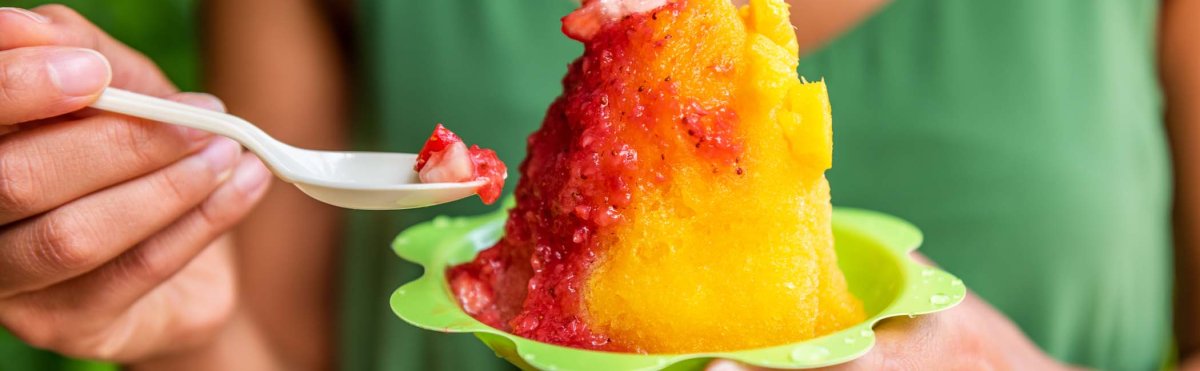
Not a snow cone. Hawaiʻi shave ice is made with a blade that shaves the ice into a fine, powdery texture that absorbs syrup evenly. The best shops add condensed milk (snow cap), ice cream at the bottom, or mochi balls. Matsumoto's on the North Shore is the most famous name, but Island Vintage Shave Ice in Waikīkī and Uncle Clay's in ʻĀina Haina both have devoted followings.

Best shave ice on Oʻahu →

Food Trucks

The North Shore food truck scene — particularly the cluster near Shark's Cove and Sunset Beach — is one of Oʻahu's best eating experiences. Giovanni's Shrimp Truck is the most famous (the garlic shrimp is as good as people say), but the competition around it means there is excellent Thai, Mexican, acai, and poke within walking distance. On the west side, food trucks along Farrington Highway serve some of the best Hawaiian food on the island.

Oʻahu food truck guide →

Poke

Poke is Hawaiian — cubed raw fish (usually ahi tuna) marinated in soy sauce, sesame oil, seaweed, and other seasonings. It originated here and is still best here. Supermarket poke counters (Foodland, Tamura's, Don Quijote) are where locals get it — fresh, cheap, and available by the pound. Poke bowls at trendy shops are fine, but the display case at Foodland Ala Moana at 4 p.m. on a Friday is the real deal.

Best poke on Oʻahu →

Malasadas

Portuguese doughnuts — deep-fried, sugar-coated, no hole, filled or plain. Leonard's Bakery on Kapahulu Avenue has been the standard since 1952, and the line is always worth it. The haupia (coconut) filled malasada is the move. Pipeline Bakeshop on the North Shore offers a modern take with flavors like lilikoi (passion fruit) and ube (purple yam).

Best malasadas on Oʻahu →

Farmers Markets

KCC Farmers Market (Kapiʻolani Community College) on Saturday mornings is the big one — local produce, prepared food, coffee, and crafts from dozens of vendors. Get there before 8 a.m. for the best selection. Other strong options: Kailua Farmers Market (Thursday evenings and Sunday mornings), Haleʻiwa Farmers Market (Saturdays), and the Wednesday Honolulu Farmers Market at Blaisdell Center.

Oʻahu farmers markets guide →

Tours & Guided Experiences

Polynesian Cultural Center

Some experiences on Oʻahu are better with a guide — Pearl Harbor logistics, helicopter perspectives, and snorkeling spots you cannot reach from shore. Here are the tours worth the money.

Browse all Oʻahu tours on Viator →

Pearl Harbor Tours

Cost: $40–$200 depending on package  |  Time: 4–7 hours

If you cannot get Arizona Memorial tickets on your own (they sell out fast), a guided tour is the easiest backup — most tour operators hold blocks of tickets. Full-day packages that include the USS Missouri, USS Bowfin, and Aviation Museum eliminate the logistical stress of navigating a complex site. Many include hotel pickup from Waikīkī.

Pearl Harbor tour options →

Helicopter Tours

Cost: $250–$350 per person  |  Time: 45–60 minutes

Oʻahu from the air is a different island. Helicopter tours fly over the Koʻolau ridgeline (the setting for Jurassic Park), Sacred Falls (closed to hikers since 1999), the North Shore surf breaks, and Pearl Harbor. Doors-off flights are more immersive but louder. The views of the Windward cliffs — sheer green walls rising 2,000 feet from the ocean — are impossible to see any other way.

Book Oʻahu helicopter tours on Viator →

Circle Island Tour

Cost: $100–$160 per person  |  Time: 8–10 hours

A full-day drive around the island hitting the major stops: North Shore beaches, Dole Plantation, Kualoa Ranch viewpoint, Lāʻie Point, Hāleiwa town, Byodo-In Temple, and Makapuʻu Lookout. If you do not have a rental car, a circle island tour is the most efficient way to see the island beyond Waikīkī in a single day. Small-group vans are better than large buses — more stops, more flexibility.

Circle island tour guide →

Kualoa Ranch

Location: Kaʻaʻawa, Windward Side  |  Cost: $50–$180 per activity  |  Time: 3–6 hours

A 4,000-acre private nature reserve in the Koʻolau Mountains that doubles as Hollywood's favorite Hawaiian backdrop — Jurassic Park, Lost, 50 First Dates, and dozens more were filmed here. The ranch offers ATV tours, horseback riding, zip-lining, jungle expeditions, and a movie sites tour through Kaʻaʻawa Valley. The scenery is genuinely spectacular even without the Hollywood connection. Book in advance — popular tours sell out days ahead.

Kualoa Ranch guide →

Lūʻau Experiences

Cost: $100–$250 per person  |  Time: 3–4 hours (evening)

A traditional Hawaiian feast — kālua pig cooked in an underground imu oven, poi, lomi salmon, haupia, and other island foods — paired with Polynesian music and dance performances. The best lūʻau on Oʻahu combine good food with genuine cultural storytelling, not just a dinner show. The Polynesian Cultural Center's Aliʻi Lūʻau is the highest-rated. Paradise Cove on the west side offers a more intimate beach setting. Book any lūʻau at least a week in advance.

Oʻahu lūʻau guide →

Family-Friendly Activities

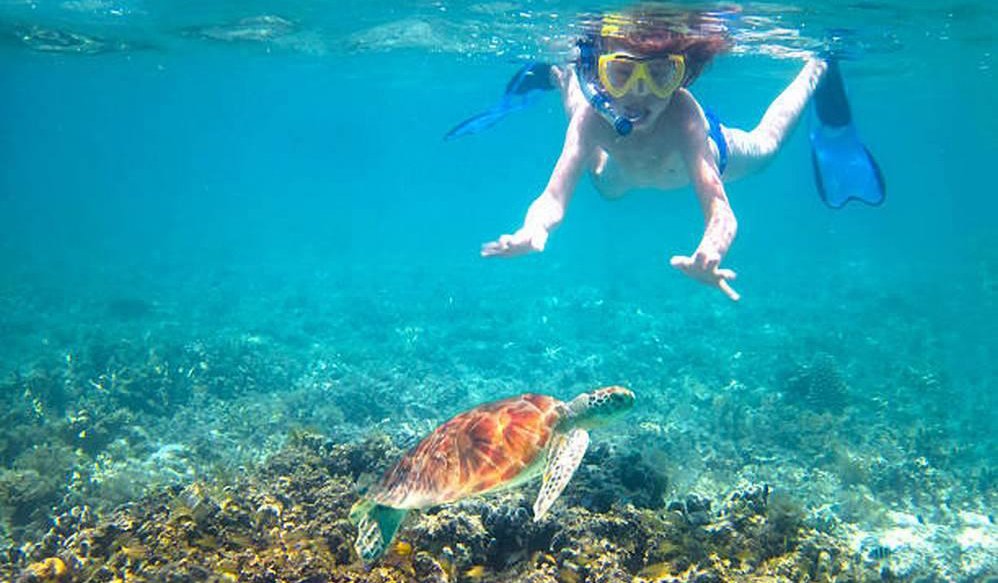
Kid snorkeling with a sea turtle in Hawaii

Oʻahu is one of the best family destinations in the Pacific. Most beaches have lifeguards, the infrastructure is American-standard, and the range of kid-friendly activities goes far beyond the beach. Here are the highlights for families traveling with children.

Full kid-friendly guide →

Honolulu Zoo

Location: Waikīkī  |  Cost: $19 adults, $11 children (3–12)  |  Time: 2–3 hours

A 42-acre zoo on the edge of Kapiʻolani Park, walking distance from Waikīkī hotels. The African Savanna exhibit and the Komodo dragon habitat are the standouts. It is not the San Diego Zoo, but for families with young children needing a break from the beach, it hits the mark. The Twilight Tours on Friday and Saturday evenings are a quieter, cooler alternative to daytime visits.

Waikīkī Aquarium

Location: Waikīkī  |  Cost: $12 adults, $5 children (4–12)  |  Time: 1–2 hours

One of the oldest public aquariums in the United States, focused entirely on Hawaiian and Pacific marine life. The monk seal habitat and the living reef exhibits are highlights. Small but well-curated — two hours is enough. Combined with a walk through adjacent Kapiʻolani Park and a visit to the nearby beach, this makes a solid morning for families with younger kids.

Dole Plantation

Location: Wahiawā, Central Oʻahu  |  Cost: Free entry; maze $8, train $12  |  Time: 1.5–2.5 hours

A former pineapple plantation turned tourist attraction with the world's largest maze (certified by Guinness), a pineapple express train ride through the grounds, and a plantation garden tour. The Dole Whip — soft-serve pineapple ice cream — is the real draw for many visitors. The gift shop is extensive. Dole Plantation is a natural stop on the way to or from the North Shore.

Dole Plantation guide →

Sea Life Park

Location: Makapuʻu, East Oʻahu  |  Cost: $45 adults, $30 children  |  Time: 3–4 hours

A marine park on the eastern tip of Oʻahu with dolphin encounters, sea lion shows, a stingray touch pool, and a Hawaiian reef aquarium. The dolphin swim programs (extra cost) are the main draw for families. The park sits directly below the Makapuʻu Lighthouse trail, so you can combine both for a half-day east side itinerary.

Free Things to Do

Hawaiʻi is expensive, but many of Oʻahu's best experiences cost nothing. Here are the top free activities — no tickets, no reservations, no catch.

Full free activities guide →

Watch the North Shore Surf (Winter)

From November through February, the North Shore produces some of the most powerful waves on the planet. Watching from the beach at Pipeline, Sunset Beach, or Waimea Bay costs nothing and is unforgettable. On big swell days, the parking lots at Ehukai Beach Park fill by 8 a.m. — plan accordingly.

Hilton Hawaiian Village Friday Fireworks

Every Friday evening, the Hilton Hawaiian Village lights off a fireworks show over the lagoon. Visible from anywhere along Waikīkī Beach. Grab a spot on the sand near Fort DeRussy Beach Park around 7:30 p.m. The show starts at 7:45 p.m. (times may shift seasonally). A perfect free finale to a week in Waikīkī.

Makapuʻu Lighthouse Trail

Distance: 2 miles round trip  |  Time: 1 hour

A paved path (stroller-accessible) along the eastern tip of the island with views of the windward coastline, Rabbit Island, and — in winter — humpback whales breaching offshore. The lighthouse at the end was built in 1909 and is still operational. One of the best sunrise spots on Oʻahu and one of the best whale-watching viewpoints in all of Hawaiʻi during season.

Duke Kahanamoku Statue & Waikīkī Beach Walk

The bronze statue of Duke Kahanamoku — Olympic swimmer, father of modern surfing, and Hawaiʻi's most beloved cultural figure — stands at the entrance to Waikīkī Beach with arms outstretched. The walk along the beachfront from the statue to the Waikīkī War Memorial Natatorium is one of the most pleasant strolls in Honolulu, with street performers, open-air bars, and the beach just steps away.

Hike Kaʻena Point

Distance: 5 miles round trip  |  Time: 2.5–3.5 hours

The northwestern tip of Oʻahu, where the North Shore meets the Waiʻanae Coast. This flat coastal trail passes tide pools, monk seal resting areas (keep 50 feet away), and ends at a nature reserve that is the nesting ground for Laysan albatross. In Hawaiian mythology, Kaʻena Point is where souls departed for the afterlife. The trail is exposed and hot — bring more water than you think you need.

Explore Kailua Town

Walk the main street of Kailua — boutique shops, excellent coffee (try Island Brew Coffeehouse), and some of the best casual restaurants on the windward side. Rent bikes and ride to Lanikai Beach. Browse the farmers market on Thursday evenings. Kailua is what a Hawaiian beach town looks like without the resort infrastructure — charming, local, and walkable.

Kailua guide →

Hidden Gems & Local Favorites

Iolani Palace in Honolulu

These are the spots that do not always make the top-10 lists but consistently deliver. Some are genuinely off the tourist path; others are well-known to residents but overlooked by guidebooks.

Local hidden gems guide →

Hoʻomaluhia Botanical Garden

Location: Kāneʻohe  |  Cost: Free  |  Time: 1.5–3 hours

A 400-acre botanical garden set at the base of the Koʻolau cliffs on the windward side. The entrance road — a straight shot framed by the jagged green Koʻolau ridgeline — is one of the most photographed views on Oʻahu. Inside, walking paths wind through gardens organized by geographic region (Hawaiian, Polynesian, Tropical American, African, etc.). The lake at the center offers catch-and-release fishing on weekends. Peaceful, uncrowded, and free.

Byodo-In Temple

Location: Valley of the Temples, Kāneʻohe  |  Cost: $5  |  Time: 45 minutes–1 hour

A replica of a 950-year-old Japanese temple set against the Koʻolau Mountains in a memorial park. The temple, koi pond, gardens, and mountain backdrop create a scene so photogenic it feels staged. Ring the 3-ton bon-shō bell at the entrance for good luck. Wild peacocks roam the grounds. Combine with Hoʻomaluhia for a windward culture-and-nature morning.

Lāʻie Point

Location: Lāʻie, North Shore  |  Cost: Free  |  Time: 20 minutes

A rocky headland jutting into the ocean with views of a small island split in two by the waves. The blowhole here erupts during moderate to heavy surf. No signs, no facilities, no crowds — just a neighborhood road that dead-ends at a dramatic cliff. Five minutes from the Polynesian Cultural Center; stop here on the way in or out.

Hāleiwa Art Galleries & Surf Town

Location: Hāleiwa, North Shore  |  Cost: Free to browse  |  Time: 1.5–2 hours

Hāleiwa is a surf town with real character — not a manufactured shopping village. The art galleries here (Wyland Gallery, Polynesian Treasures, Hāleiwa Art Gallery) feature ocean and Hawaiian-themed work. The vintage surf shops have character. Matsumoto's shave ice and the food trucks on Kamehameha Highway are essential stops. Visit on a Saturday morning when the farmers market is running.

Hāleiwa guide →

Shangri La Museum of Islamic Art

Location: Diamond Head, Honolulu  |  Cost: $25 per person (advance booking required)  |  Time: 2 hours

Tobacco heiress Doris Duke's waterfront estate, filled with one of the finest collections of Islamic art and architecture in the world. The house itself is the art — rooms sourced from Syria, Morocco, and Iran installed overlooking the ocean below Diamond Head. Tours depart from the Honolulu Museum of Art and must be booked ahead. Unlike anything else on the island.

Manoa Chocolate Factory Tour

Location: Kailua  |  Cost: $30 per person  |  Time: 1 hour

A small-batch bean-to-bar chocolate maker using cacao grown on Hawaiʻi Island. The factory tour walks through the full process from raw cacao to finished bar, with generous tastings. Hawaiʻi is the only U.S. state that grows cacao commercially, and Manoa Chocolate is one of the best producers. Book online — tours are small and sell out quickly.

Nightlife & Entertainment

Oʻahu has the only real nightlife scene in Hawaiʻi. It is concentrated in Waikīkī and Chinatown, with occasional diversions in Kailua and the North Shore. Nothing here rivals mainland cities for volume, but the settings — open-air bars with ocean views, rooftop lounges under palm trees — are hard to beat.

Waikīkī nightlife guide →

Sunset at Magic Island

Location: Ala Moana Beach Park  |  Cost: Free

The peninsula at the west end of Ala Moana Beach Park is Honolulu's premier sunset-watching spot. Unobstructed views west over the ocean, a grassy lawn to spread a blanket, and none of the Waikīkī crowds. Locals bring coolers and guitars. This is the quieter, more authentic alternative to watching the sunset from the packed Waikīkī strip.

Chinatown Art Scene & First Friday

Location: Downtown Honolulu  |  Cost: Free

On the first Friday of every month, Honolulu's Chinatown galleries open late, food vendors set up on the streets, and the neighborhood transforms into a block party. It is the best free evening event on the island — art, music, street food, and a crowd that ranges from college students to gallery collectors. Even outside First Friday, the bars along Hotel and Nuʻuanu Streets (Manifest, Bar Leather Apron, The Tchin Tchin! Bar) are the strongest cocktail program on Oʻahu.

Live Hawaiian Music

Many Waikīkī hotels offer free live Hawaiian music in their lobbies and open-air bars during the afternoon and evening — the Moana Surfrider, Royal Hawaiian, and Halekulani are the classics. The setting (century-old hotel, ocean breeze, slack-key guitar) makes these feel like genuine cultural experiences rather than lobby background music. No cover charge at most venues — just buy a drink and listen.

Shopping & Markets

Oʻahu has everything from luxury brands on Kalākaua Avenue to swap meets and local craft markets. The best shopping experiences are the ones that feel uniquely Hawaiian — places where you find things you cannot buy anywhere else.

Ala Moana Center

Location: Honolulu  |  Cost: Free to browse  |  Time: 2–4 hours

The largest open-air shopping center in the world, with over 350 stores and restaurants. High-end brands (Gucci, Tiffany, Louis Vuitton) on the upper level, local favorites (Longs Drugs, Foodland, local boutiques) at ground level. The food court on the Makai Market level has solid options for plate lunches and Asian food at reasonable prices. If you need anything from sunscreen to a last-minute souvenir, Ala Moana has it.

Oʻahu shopping guide →

Aloha Stadium Swap Meet

Location: ʻAiea  |  Cost: $2 admission  |  Time: 1.5–3 hours

Hawaiʻi's biggest flea market, open Wednesdays, Saturdays, and Sundays. Over 400 vendors sell aloha shirts, jewelry, crafts, Hawaiian art, souvenirs, and food at prices well below retail. The best finds are local-made items: shell lei, coconut products, Hawaiian print clothing, and handmade soap. Get there early for the best selection and before the midday heat.

International Market Place

Location: Waikīkī  |  Cost: Free to browse  |  Time: 1–2 hours

Rebuilt in 2016 as an upscale open-air mall centered around a massive banyan tree. Saks Fifth Avenue anchors the high end, but the third-floor food hall (The Street by Michael Mina) is the real attraction — multiple stations serving elevated takes on Hawaiian, Japanese, and Pacific Rim food. The architecture is beautiful at night.

International Market Place guide →

Planning Your Oʻahu Trip

A few practical notes to help you get the most out of your time on the island.

Getting Around

A rental car is the best way to explore Oʻahu beyond Waikīkī. The North Shore, windward coast, and east side are all 30–60 minutes by car but difficult to reach efficiently by public transit. If you are staying exclusively in Waikīkī for a short trip, you can skip the car and rely on TheBus, trolley, and rideshare. The Waikīkī Trolley covers major tourist stops in the Honolulu area.

Getting around Oʻahu →  |  Rental car guide →

How Many Days Do You Need?

Five to seven days is ideal for Oʻahu. Three days covers the highlights (Pearl Harbor, Diamond Head, Waikīkī, one beach day). Five days adds the North Shore, windward coast, and a lūʻau. Seven days lets you slow down and explore without rushing — farmers markets, food trucks, a second hike, and time to just sit on the beach without a schedule. Use our day-by-day itineraries to build your plan.

How many days on Oʻahu →

Best Time to Visit

April through June and September through mid-December offer the best balance of weather, prices, and crowd levels. July and August are peak season with higher prices. Winter (December–March) brings bigger surf on the North Shore, whale watching, and slightly more rain on the windward side — but Waikīkī stays sunny and warm year-round.

Best time to visit Oʻahu →  |  Oʻahu weather guide →

Frequently Asked Questions

What are the best things to do on Oʻahu?

The top things to do on Oʻahu include visiting Pearl Harbor, hiking Diamond Head, snorkeling at Hanauma Bay, exploring the North Shore beaches, attending a lūʻau, and visiting the Polynesian Cultural Center. For beaches, Lanikai, Kailua, and Waikīkī are the most popular.

How many days do you need on Oʻahu?

Most visitors need 5 to 7 days to experience Oʻahu's highlights without rushing. You can see the major sights in 3 to 4 days, but a full week lets you explore the North Shore, windward coast, and lesser-known spots beyond Waikīkī. Check our Oʻahu itineraries for day-by-day plans.

What should you not miss in Honolulu?

Do not miss Pearl Harbor and the USS Arizona Memorial, Diamond Head summit hike, ʻIolani Palace (the only royal palace on American soil), Bishop Museum for Hawaiian history, and Chinatown for food and art galleries. Waikīkī Beach at sunset is also a must.

What are free things to do on Oʻahu?

Free activities on Oʻahu include hiking Diamond Head ($5 entry but no guide needed) and Mānoa Falls, swimming at Lanikai and Kailua beaches, watching North Shore surfers in winter, exploring Chinatown, visiting the Duke Kahanamoku statue, and attending the Friday night fireworks at Hilton Hawaiian Village. See our full free activities guide.

Is Oʻahu good for families?

Oʻahu is excellent for families. Kid-friendly highlights include the Honolulu Zoo, Waikīkī Aquarium, Polynesian Cultural Center, snorkeling at Hanauma Bay, the Dole Plantation, and Kualoa Ranch. Most beaches have calm water and lifeguards. See our full family-friendly guide.

What is the best month to visit Oʻahu?

April through June and September through mid-December offer the best combination of weather, prices, and crowd levels. Summer (July–August) is peak family season with higher prices. Winter brings big North Shore surf and whale watching but more rain. See our best time to visit Oʻahu guide for a month-by-month breakdown.

Things to Do on Other Islands

Planning to visit more than one island? Check out our things-to-do guides for the other Hawaiian islands:

Not sure which island is right for you? Try our Which Island quiz or read our statewide things to do overview.