
50+ Best Things to Do on Kauaʻi

Nā Pali Coast, Waimea Canyon, Beaches, Hikes & Hidden Gems

Kauaʻi is the oldest of the main Hawaiian Islands — 5 million years of erosion carved the Nā Pali cliffs, gouged Waimea Canyon, and built the kind of scenery that makes first-time visitors stop mid-sentence. The island is small (25 miles across) but dense with things to do, and the lack of high-rise development means the landscapes look much as they have for centuries.

I have been writing about Hawaiʻi for over 20 years. Kauaʻi is the island that surprises people most — they come expecting a quiet beach vacation and discover one of the most visually dramatic places on Earth. This guide covers everything worth doing, organized by category with practical details for each.

Need help planning? Check our Kauaʻi itineraries for ready-made 1- to 7-day plans, or build a custom trip with the Itinerary Explorer.
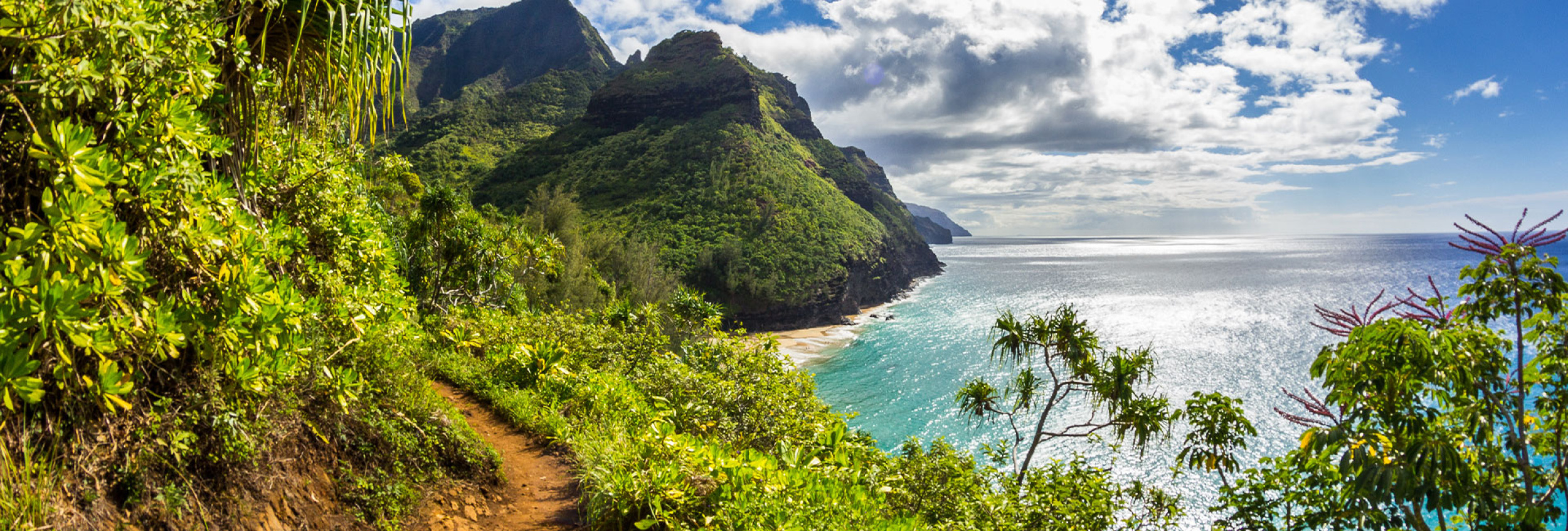
Nā Pali Coast

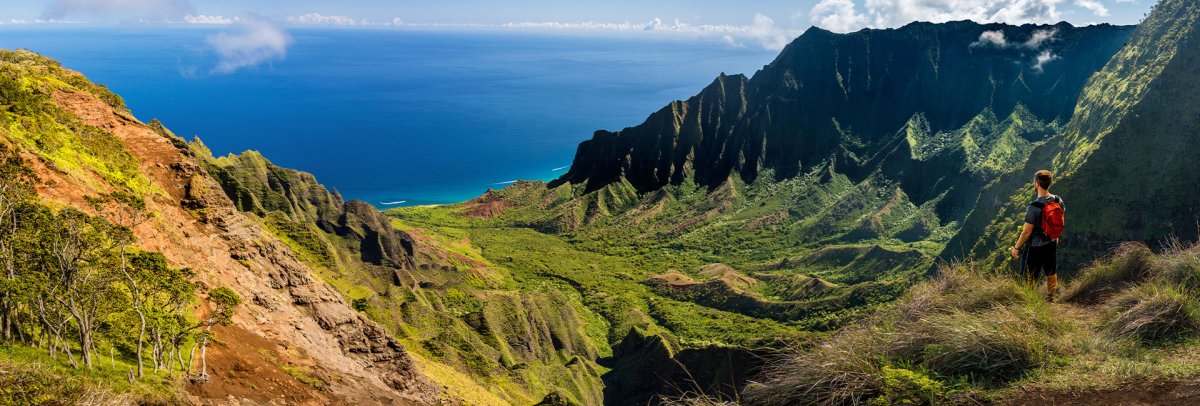
Na Pali Coast cliffs from the Kalalau Trail

The Nā Pali Coast is the single most iconic landscape in Hawaiʻi — 17 miles of fluted green cliffs rising 4,000 feet from the ocean along Kauaʻi's northwest shore. No road reaches it. You have three ways in: by boat, by helicopter, or on foot. Each gives you a fundamentally different experience.

Full Nā Pali Coast guide →

Nā Pali Coast Boat Tour

Cost: $150–$250 per person  |  Time: 4–5 hours  |  Season: April–October (summer, calmer seas)

The boat tour is the most popular way to experience the Nā Pali Coast. Catamaran tours depart from Port Allen on the south side and run up the coast with stops for snorkeling, dolphin watching, and — in winter — whale watching. Zodiac raft tours are rougher but get closer to the sea caves and waterfalls at the base of the cliffs. Summer is the prime season; winter swells make the water too rough for most boats. Book at least two weeks ahead during peak season.

Boat tour options →  |  Browse Kauaʻi tours on Viator →

Nā Pali Helicopter Tour

Cost: $250–$400 per person  |  Time: 50–75 minutes

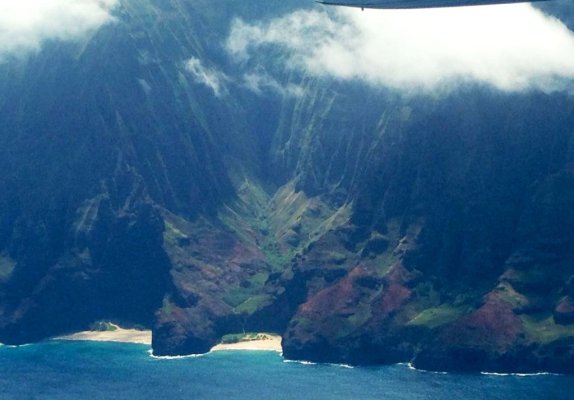
The helicopter is the only way to see the interior valleys — Kalalau, Honopu, Nuʻalolo — and the waterfalls cascading from the summit of Mt. Waiʻaleʻale, one of the wettest spots on Earth. On clear days, the flight over the Nā Pali cliffs, into the caldera, and along the coast is one of the most visually staggering experiences in Hawaiʻi. Doors-off flights are more immersive. Morning flights typically have better visibility.

Kauaʻi helicopter tours →

Kalalau Trail

Distance: 22 miles round trip (full trail)  |  Difficulty: Strenuous  |  Permit required: Yes  |  Time: 2 days minimum

The Kalalau Trail is a backpacking adventure, not a day hike. The full trail runs 11 miles along the Nā Pali Coast from Kēʻē Beach to Kalalau Beach, crossing five major valleys with exposed cliff sections, stream crossings, and elevation changes that earn every mile. Permits are required and limited — they sell out months ahead through the DLNR reservations system. Most hikers do the first two miles to Hanakāpīʻai Beach as a day hike, which is spectacular on its own and does not require an overnight permit (but does require Hāʻena State Park entry).

Kalalau Trail guide →

Beaches

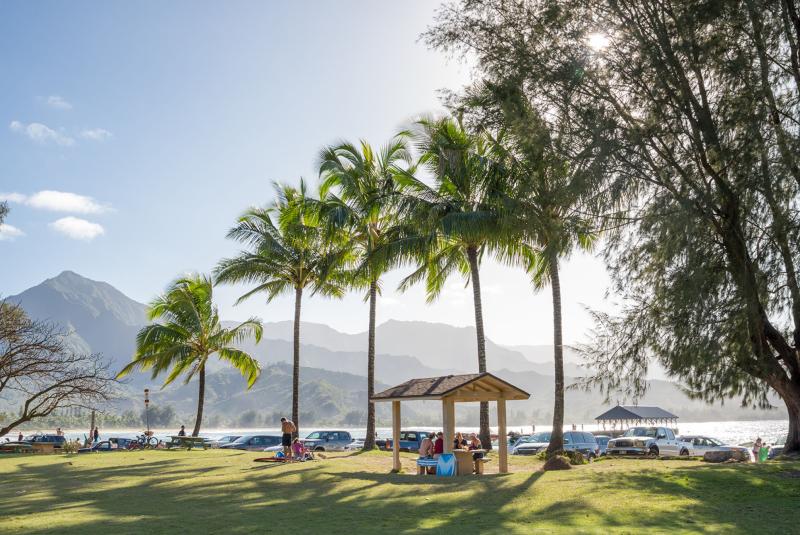
Hanalei Beach Park on Kauai

Kauaʻi's beaches range from the manicured, lifeguard-staffed sands of Poʻipū to wild, roadless stretches that require a 4WD or a boat to reach. The south shore is sunny and calm most of the year; the north shore turns rough in winter but flattens into calm turquoise water from May through September.

All Kauaʻi beaches →

Poʻipū Beach

Location: South Shore  |  Cost: Free  |  Time: 2–4 hours

The most popular beach on Kauaʻi and one of the best family beaches in all of Hawaiʻi. A natural tombolo (sand bar connecting to a small island) creates a protected kiddie pool on one side and open ocean swimming on the other. Hawaiian monk seals haul out here regularly — keep 50 feet away but the sightings are thrilling, especially for kids. Full facilities, lifeguards, and easy parking.

Poʻipū Beach guide →

Hanalei Bay

Location: North Shore  |  Cost: Free  |  Time: 2–5 hours

A two-mile crescent of sand backed by jagged green mountains and the Hanalei River. The bay is calm and swimmable in summer, with excellent stand-up paddleboarding conditions. Winter brings surf that draws experienced riders. The setting — mountains, river, waterfalls, taro fields — is arguably the most beautiful beach backdrop in Hawaiʻi. The town of Hanalei behind the beach has strong restaurants, shops, and a laid-back surf-village character.

Hanalei Bay guide →  |  Hanalei town guide →

Kēʻē Beach

Location: North Shore (end of the road)  |  Cost: Hāʻena State Park entry required (reservations mandatory)  |  Time: 3–4 hours

The last beach at the end of the road on Kauaʻi's north shore, tucked into a cove with the Nā Pali cliffs rising directly behind it. The snorkeling in the reef-protected lagoon is excellent in summer. This is also the trailhead for the Kalalau Trail. You must reserve parking and entry through the Hāʻena State Park reservation system — no walk-ins. The reef, the cliffs, the setting — it is genuinely one of the most beautiful places in Hawaiʻi.

Kēʻē Beach guide →

Tunnels Beach (Makua)

Location: North Shore  |  Cost: Free  |  Time: 2–4 hours

Named for the underwater lava tube formations, Tunnels is Kauaʻi's best snorkeling beach. The outer reef creates a large, calm lagoon with excellent visibility and abundant fish and sea turtles. The beach itself sits below the dramatic peak of Makana (the Bali Hai mountain from South Pacific). Summer is the time to snorkel here — winter surf makes the water dangerous. Parking is extremely limited; arrive before 8 a.m.

Tunnels Beach guide →

Polihale State Park

Location: West Side (end of the road)  |  Cost: Free  |  Time: Half day

One of the longest and most remote beaches in Hawaiʻi — over 7 miles of uninterrupted sand on the western tip of the island where the Nā Pali cliffs begin. The access road requires a 4WD or high-clearance vehicle (5 miles of unpaved, rutted dirt road). The swimming can be dangerous due to strong currents, but the sunset views and the sheer scale of the beach — dunes 100 feet high, sand stretching to the horizon — are worth the drive. Bring everything you need; there is nothing out here.

Polihale guide →

Hiking & Nature

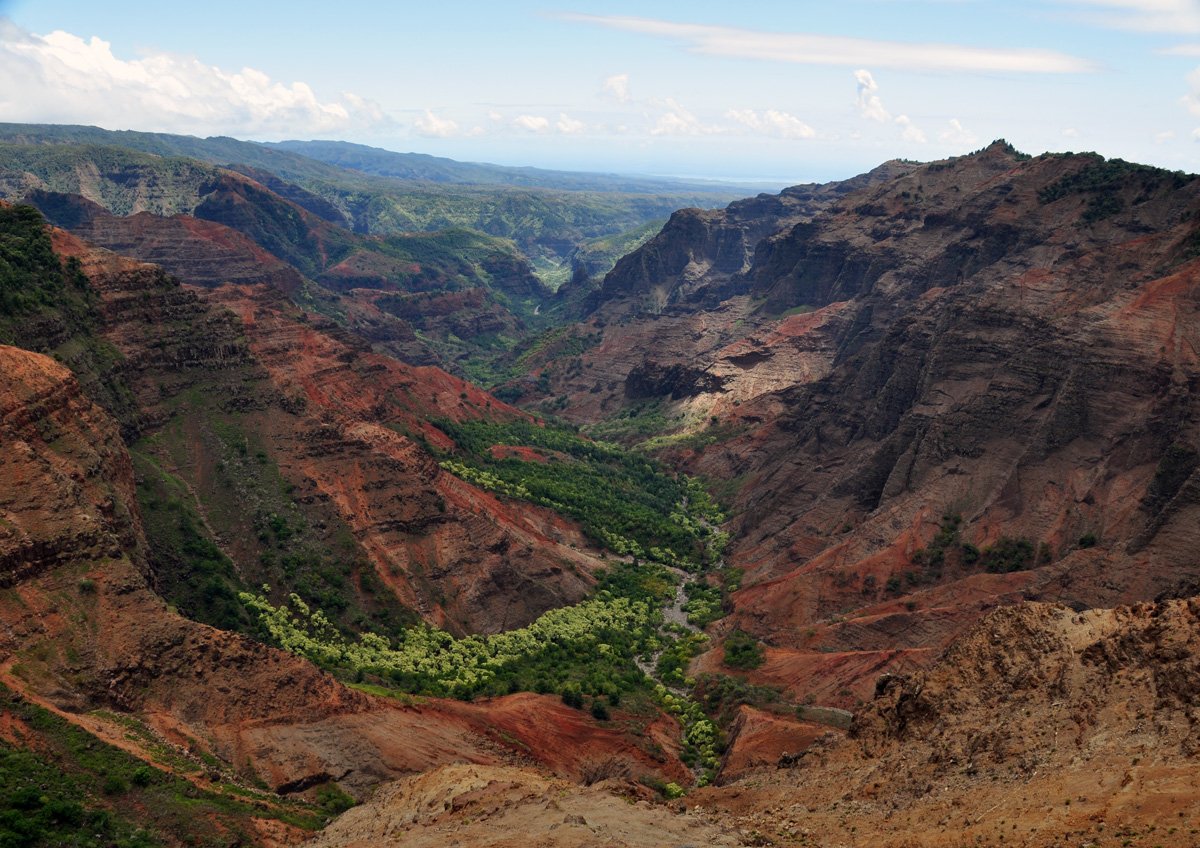
Waimea Canyon from Puu Hinahina Lookout

Kauaʻi has some of the most dramatic hiking in Hawaiʻi — ridgeline trails overlooking 4,000-foot valleys, rainforest paths to hidden waterfalls, and canyon hikes that rival the American Southwest. The island's interior is so rugged that no road crosses it.

Current conditions: Trail & road status →

All Kauaʻi hiking trails →

Waimea Canyon

Location: West Side  |  Cost: Free (parking fee)  |  Time: 2–4 hours for lookouts; half day with hiking

Mark Twain called it the "Grand Canyon of the Pacific," and the comparison holds. Waimea Canyon is 14 miles long, a mile wide, and 3,600 feet deep — layers of red and green volcanic rock carved by the Waimea River. Drive Waimea Canyon Drive to the major lookouts (Waimea Canyon Lookout, Puʻu Hinahina, Puʻu Ka Pele) for jaw-dropping views without any hiking. For a closer look, the Cliff Canyon Trail and the Kukui Trail descend into the canyon itself.

Waimea Canyon guide →

Kōkeʻe State Park

Location: Above Waimea Canyon  |  Cost: Free  |  Time: Half to full day

The highland forest above Waimea Canyon, with 45 miles of hiking trails through native ʻōhiʻa forest, bog, and ridgelines. The Kalalau Lookout — where you peer over the edge of a 4,000-foot cliff into Kalalau Valley and the Nā Pali Coast — is one of the most dramatic viewpoints in all of Hawaiʻi. Accessible by car with no hiking required. The Pihea Trail and Alakaʻi Swamp Trail take you deeper into the cloud forest. Bring layers — it is 10–15°F cooler up here.

Kōkeʻe guide →

Sleeping Giant (Nounou Mountain) Trail

Location: East Side  |  Difficulty: Moderate  |  Distance: 3.4 miles round trip  |  Cost: Free  |  Time: 2–3 hours

A ridgeline hike up the profile of a "sleeping giant" — the mountain genuinely looks like a reclining figure from the road. The east trail is the most popular route, climbing through forest to a ridge with panoramic views of the Wailua River, coast, and mountains. The summit adds a scramble section that is not for everyone, but the ridge viewpoint alone is worth the hike.

Sleeping Giant guide →

ʻAwaʻawapuhi Trail

Location: Kōkeʻe State Park  |  Difficulty: Moderate to Strenuous  |  Distance: 6.2 miles round trip  |  Cost: Free  |  Time: 3–4 hours

A forest trail that descends 1,600 feet to a ridgeline overlook above the Nā Pali Coast. The final viewpoint — perched on a knife-edge ridge with Nuʻalolo and ʻAwaʻawapuhi Valleys dropping away on both sides — is one of the most vertigo-inducing spots in Hawaiʻi. The hike down is easy; the return climb is the workout. Start early for clear views before the afternoon clouds roll in.

ʻAwaʻawapuhi Trail guide →

Wailua Falls

Location: East Side  |  Cost: Free  |  Time: 30 minutes

An 80-foot twin waterfall visible from a roadside lookout — no hiking required. You may recognize it from the opening credits of Fantasy Island. The falls are best after rain, when the flow doubles. There is an unofficial trail down to the base, but it is steep, muddy, and not maintained — injuries are common. The view from the top is excellent and accessible to anyone.

Wailua Falls guide →

Water Activities

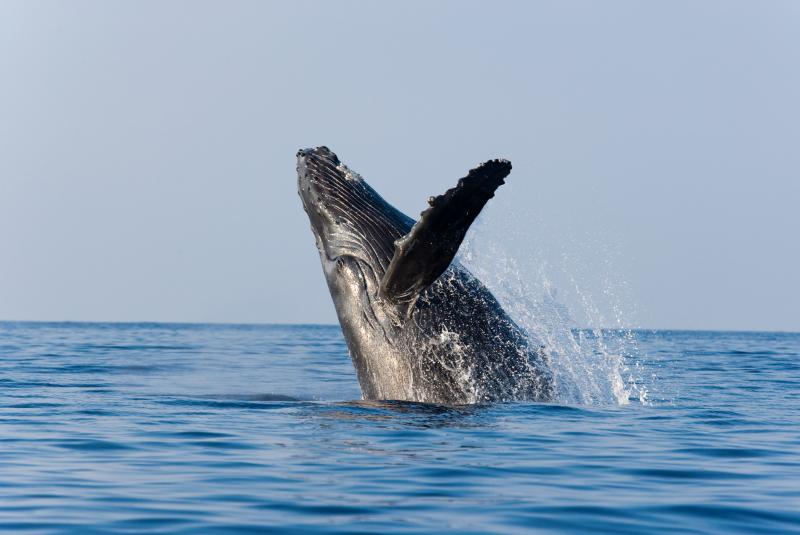
Humpback whale breaching in Hawaii

Kauaʻi's water is warm year-round (75–82°F) and the marine life is abundant. The south and east shores offer protected snorkeling; the north shore is calm and swimmable in summer; and the Wailua River provides a unique inland kayaking experience you will not find on other islands.

Current ocean conditions →

Kayaking the Wailua River

Location: East Side  |  Cost: $55–$100 (guided)  |  Time: 4–5 hours

The only navigable river in Hawaiʻi, and one of the best kayaking trips in the state. Paddle upstream through a tropical valley, then hike 30 minutes through forest to Secret Falls (Uluwehi Falls), a 100-foot cascade with a swimmable pool at the base. Guided tours handle logistics; self-guided kayak rentals are cheaper but require navigating independently. Go on a weekday morning for fewer crowds on the river.

Wailua River guide →

Snorkeling at Tunnels Beach & Poʻipū

Cost: Free (bring your own gear) or $15–$30 rentals  |  Time: 2–3 hours

Tunnels Beach on the north shore has the best reef snorkeling on the island — sea turtles, reef fish, and underwater lava formations in calm summer water. On the south shore, the rocks at Poʻipū Beach and the cove at Lāwai (Beach House) Beach offer year-round snorkeling with reliable visibility. For guided snorkel tours with gear included, boats depart from Port Allen to offshore reef sites.

All Kauaʻi snorkeling spots →

Whale Watching (Seasonal: December–May)

Cost: $40–$100  |  Time: 2–3 hours

Kauaʻi sees fewer whale-watching boats than Maui, which means less boat traffic and often more intimate sightings. Humpback whales are visible from shore along the south coast (Poʻipū, Shipwreck Beach) and from the Kīlauea Lighthouse lookout on the north shore. Boat tours from Port Allen combine whale watching with Nā Pali Coast viewing for a two-in-one experience during winter months.

Kauaʻi whale watching →  |  Current whale season status →

Tours & Guided Experiences

Aerial view of Honopu Valley on the Na Pali Coast

Some of Kauaʻi's best experiences are only accessible with a guide or a boat. The helicopter tour in particular reveals an island interior that most visitors never see.

Browse all Kauaʻi tours on Viator →

Helicopter Tours

Cost: $250–$400 per person  |  Time: 50–75 minutes

If you do one paid activity on Kauaʻi, make it this. The helicopter flies over the Nā Pali Coast, into the Waiʻaleʻale caldera (where dozens of waterfalls stream down sheer walls), over Waimea Canyon, and along the south shore. More than 70% of Kauaʻi is inaccessible by road — the helicopter is the only way to see it. Choose a company with A-Star or Hughes 500 helicopters for the best visibility. Morning flights typically offer clearer conditions.

Helicopter tour options →

Nā Pali Sunset Dinner Cruise

Cost: $180–$250 per person  |  Time: 4–5 hours (evening)

A catamaran cruise along the Nā Pali Coast timed so you watch the sunset paint the cliffs gold and orange. Dinner, cocktails, and dolphin sightings included. This is the premium Nā Pali experience — more romantic and relaxed than a daytime snorkel tour. Available April through October when ocean conditions allow safe passage.

Nā Pali sunset cruise guide →

Horseback Riding

Cost: $100–$170 per person  |  Time: 2–3 hours

Several ranches on Kauaʻi offer horseback rides through the dramatic interior — along ridgelines, through pastures, and past movie filming locations. CJM Country Stables in Poʻipū runs beach rides. Princeville Ranch does waterfall rides to a swimming hole. The scenery from horseback gives you a perspective you cannot get from a car or a trail.

Kauaʻi horseback riding →

Lūʻau

Cost: $100–$200 per person  |  Time: 3–4 hours (evening)

Kauaʻi's lūʻau scene is smaller and more intimate than Oʻahu's. Lūʻau Kalamakū at Kīlohana Plantation in Līhuʻe is the highest-rated — it tells the story of Polynesian voyaging with fire dancers, aerial performers, and a theatrical stage show. Smith's Tropical Paradise offers a garden setting with a river cruise before dinner. Book at least a week ahead during peak season.

Kauaʻi lūʻau guide →

Culture & History

Kauaʻi was the only major Hawaiian island that King Kamehameha I never conquered by force — he eventually unified it through diplomacy. The island's history runs deep, from ancient heiau (temples) along the Wailua River to plantation-era towns on the south shore.

Kīlauea Lighthouse & Wildlife Refuge

Location: North Shore  |  Cost: $10 per person  |  Time: 1–1.5 hours

A 1913 lighthouse on the northernmost point of the main Hawaiian Islands, surrounded by a national wildlife refuge that protects nesting seabirds — red-footed boobies, great frigatebirds, Laysan albatross, and nēnē (Hawaiian geese). The ocean views from the bluff are expansive, and in winter, humpback whales are visible from the lookout without binoculars. One of the best short stops on a north shore drive.

Kīlauea Lighthouse guide →

Old Kōloa Town

Location: South Shore  |  Cost: Free  |  Time: 1 hour

The site of Hawaiʻi's first sugar plantation (1835). The old mill chimney still stands, and the main street is a compact strip of galleries, shops, and restaurants in restored plantation-era buildings. The history here runs from ancient Hawaiian settlement through the sugar economy that brought Japanese, Chinese, Filipino, Portuguese, and Korean workers to Hawaiʻi — a microcosm of the islands' immigration story in a few walkable blocks.

Kōloa history →

Hanapepe Art Walk (Friday Nights)

Location: West Side  |  Cost: Free  |  Time: 1.5–2 hours

Every Friday from 5 to 9 p.m., the small town of Hanapepe — "Kauaʻi's Biggest Little Town" — opens its art galleries, sets up food vendors, and hosts live music on the main street. The town's historic swinging bridge crosses the Hanapepe River, and the galleries show a range of local Hawaiian and Pacific art. This is the best free evening activity on the island's west side.

National Tropical Botanical Garden

Location: South Shore (Allerton & McBryde Gardens)  |  Cost: $60 guided tour (Allerton), $35 self-guided (McBryde)  |  Time: 2–3 hours

Two world-class botanical gardens side by side in Lāwai Valley. Allerton Garden is the showpiece — a former royal estate with dramatic landscaping, Jurassic Park filming locations, and enormous Moreton Bay fig trees. McBryde is a working research garden with native Hawaiian plants and tropical collections. The Allerton guided tour is the better experience for most visitors.

NTBG guide →

Food & Dining

Fresh poke bowls in Hawaii

Kauaʻi's dining scene is smaller than Oʻahu's or Maui's but punches above its weight. The fresh-catch game here is strong — local fish (ahi, ono, mahi-mahi) shows up at roadside trucks and fine dining alike. Poʻipū and Hanalei have the most restaurant concentration.

Full Kauaʻi dining guide →

Plate Lunch & Local Grinds

Hamura's Saimin in Līhuʻe has served the best saimin (Hawaiian noodle soup) on the island since 1952. Mark's Place and Koloa Fish Market do classic plate lunches. Pono Market in Kapaʻa is where locals go for poke by the pound. Kauaʻi's food truck scene is growing — check the stretch along Kūhiō Highway in Kapaʻa and the Kōloa area for rotating options.

Taro & Poi

Kauaʻi's Hanalei Valley produces most of Hawaiʻi's taro — the staple crop of Native Hawaiian culture, pounded into poi. You can see the taro fields (lo'i) from the Hanalei Valley Overlook on the north shore drive. Taro chips, taro burgers, and fresh poi show up on menus across the island. The connection between this ancient crop and the surrounding landscape is more visible on Kauaʻi than anywhere else.

Shave Ice

Wishing Well Shave Ice in Hanalei and JoJo's Shave Ice in Kapaʻa/Waimea are the island favorites. The quality rivals Oʻahu's best — fine-shaved ice, homemade syrups, and toppings like fresh fruit, mochi, and li hing powder. A mandatory stop after any beach day.

Family-Friendly Activities

Kauaʻi's pace and scale make it one of the best family islands. Distances are short, beaches are calm on the south shore, and the overall atmosphere is relaxed enough that traveling with kids feels manageable.

Poʻipū Beach for Kids

The protected kiddie pool behind the natural tombolo at Poʻipū is custom-made for toddlers and young swimmers. Lifeguards on duty, facilities nearby, and the bonus of frequent monk seal sightings that kids go wild for. The grass park behind the beach is good for picnics and shade breaks.

Wailua River Kayak & Secret Falls

The kayak trip up the Wailua River is doable for kids ages 5 and up (younger children ride in the kayak). The river is calm — no ocean swells or currents — and the 30-minute hike to Secret Falls at the end is muddy but manageable for active children. Guided tours handle logistics and tell stories about the river's significance in Hawaiian history.

Waimea Canyon Lookouts (No Hiking Required)

Drive to the Waimea Canyon and Kalalau Lookouts for world-class views without any physical effort. The drive is paved, the lookouts are steps from the parking lot, and the scenery is dramatic enough to hold any child's attention. Pack snacks and stop at multiple viewpoints on the way up and down.

Spouting Horn

Location: South Shore  |  Cost: Free  |  Time: 20 minutes

A natural blowhole in the lava rock at Poʻipū that shoots water 30–50 feet in the air with each wave. The larger the surf, the bigger the spout. Kids love it. The viewing area is fenced and safe, and there are local vendors selling jewelry and crafts in the parking lot.

Spouting Horn guide →

Hidden Gems & Local Favorites

Kauaʻi Bike Path (Ke Ala Hele Makalae)

Location: East Side (Kapaʻa to Keālia)  |  Cost: Free (bike rentals $20–$40)  |  Time: 1.5–3 hours

A paved coastal path running along the east shore — flat, ocean-side, and one of the most pleasant bike rides in Hawaiʻi. Rent bikes in Kapaʻa and ride north toward Keālia Beach, or south toward Līhuʻe. The views of the coast and mountains are constant, and the breeze off the water keeps you cool. Perfect for a morning when you want activity but not a hike.

Bike path guide →

Queenʻs Bath

Location: Princeville, North Shore  |  Cost: Free  |  Time: 1–1.5 hours

A natural lava rock pool on the ocean's edge, filled by waves and tidal action. The setting — surrounded by black volcanic rock with the ocean crashing just beyond — is striking. Important safety note: Queen's Bath is one of the most dangerous attractions on Kauaʻi. The trail is steep and slippery, and rogue waves can sweep across the rocks without warning. Only visit on calm days (summer), never turn your back on the ocean, and check current conditions before going.

Queen's Bath guide →

Limahuli Garden

Location: North Shore (near Hāʻena)  |  Cost: $32 self-guided  |  Time: 1.5–2 hours

A terraced garden in a valley setting that National Tropical Botanical Garden calls "a living classroom of native Hawaiian plants and sustainable agriculture." The terraced taro patches here have been cultivated for 900 years. The garden sits against a dramatic cliff backdrop, and the self-guided tour winds through native species, restored terraces, and views of the north shore coastline.

Limahuli Garden guide →

Makawehi Lithified Cliffs

Location: South Shore, near Shipwreck Beach  |  Cost: Free  |  Time: 1 hour

Sandstone cliffs formed from ancient sand dunes, eroded into dramatic formations along the coast. A coastal walk from Shipwreck Beach east leads along the cliff tops with views of the ocean and the sculpted rock below. Few tourists make it out here — it is one of the quieter, more photogenic spots on the south shore.

Makawehi Cliffs guide →

Free Things to Do

Waimea Canyon & Kalalau Lookouts

The most dramatic scenery on Kauaʻi is accessible by car. Drive up Waimea Canyon Drive, stop at multiple lookouts, and end at the Kalalau Lookout above the Nā Pali Coast. Free except for a small parking fee.

Hanalei Valley Overlook

A pull-off on the road into Hanalei with a view of the taro fields, river, and mountains that defines Kauaʻi. Stop on your way in or out of the north shore — 5 minutes, no hiking, unforgettable.

Hanalei Valley Overlook →

Wailua Falls Viewpoint

An 80-foot waterfall visible from a roadside lookout on Maalo Road. Drive up, park, look at the falls. Free, easy, and photogenic — especially after rain.

Beach Days on the South Shore

Poʻipū Beach, Brennecke's Beach (bodyboarding), and Shipwreck Beach are all free, lifeguarded, and reliably sunny. The south shore gets less rain than any other part of the island.

Planning Your Kauaʻi Trip

Getting Around

A rental car is essential on Kauaʻi. There is no effective public transit for tourists, and the island's best attractions are spread across the north, south, east, and west coasts. The only road circles about two-thirds of the island — the Nā Pali Coast section has no road at all. Book your car early, especially during peak season.

Best time to visit Kauaʻi →

How Many Days Do You Need?

Five to seven days is ideal. Three days covers the south shore, Waimea Canyon, and one north shore day. Five days adds a helicopter tour, kayaking, and time to explore the smaller towns. Seven days lets you hike Kōkeʻe, catch a sunset cruise, and revisit your favorite beach. Use our day-by-day itineraries to plan.

Frequently Asked Questions

What are the best things to do on Kauaʻi?

The top things to do on Kauaʻi include a Nā Pali Coast boat tour or helicopter flight, hiking Waimea Canyon, snorkeling at Poʻipū Beach, kayaking the Wailua River to Secret Falls, visiting Wailua Falls, and exploring Hanalei Bay on the North Shore.

How many days do you need on Kauaʻi?

Most visitors need 5 to 7 days to experience Kauaʻi without rushing. You can see the highlights in 3 to 4 days, but a full week lets you hike deeper into Kōkeʻe State Park, explore multiple beaches, and take both a helicopter tour and a Nā Pali boat trip. See our itineraries for day-by-day plans.

Is Kauaʻi better than Maui?

Kauaʻi is better for nature lovers, hikers, and travelers seeking a quieter, less developed island. Maui has more resort infrastructure, restaurants, and nightlife. Kauaʻi has more dramatic scenery — the Nā Pali Coast and Waimea Canyon are unlike anything on Maui. Not sure? Try our Which Island quiz.

What should you not miss on Kauaʻi?

Do not miss the Nā Pali Coast (by boat, helicopter, or trail), Waimea Canyon, Poʻipū Beach, a helicopter tour of the island interior, and Hanalei Bay. Wailua Falls and the Kalalau Lookout are also essential stops.

Is Kauaʻi good for families?

Kauaʻi is excellent for families. Poʻipū Beach has calm, lifeguard-protected water and monk seal sightings. The Wailua River kayak trip is kid-friendly, Waimea Canyon has accessible lookouts, and the overall pace of the island is relaxed and manageable with children.