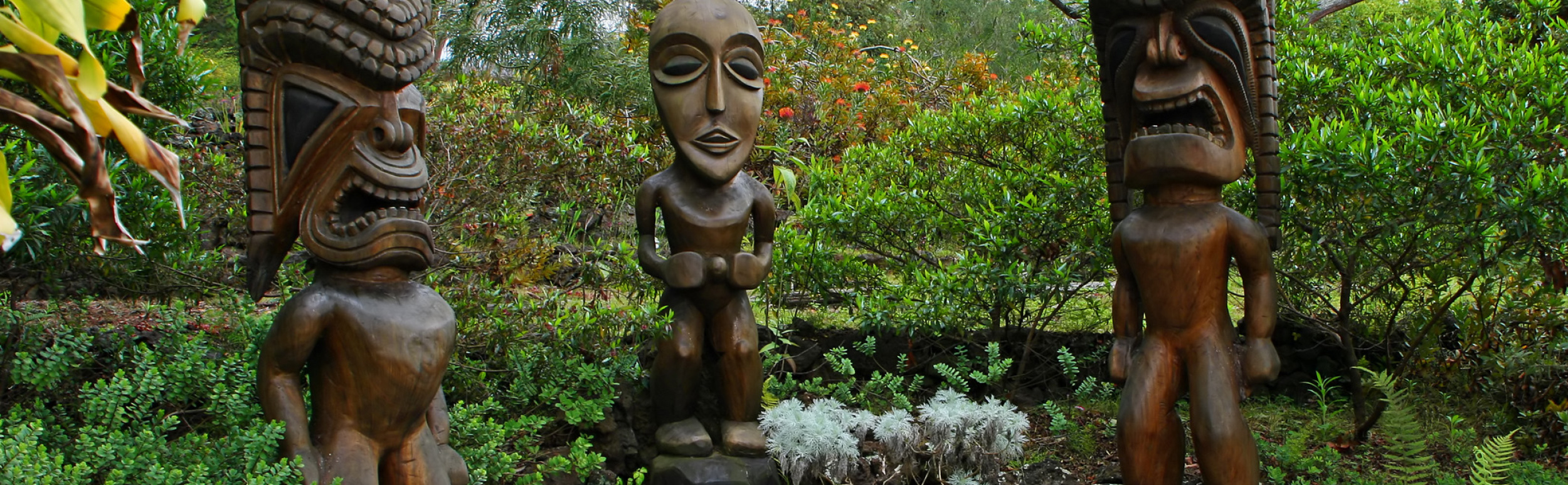

What Does Pono Mean?
Pono means righteousness, correctness, and moral balance in Hawaiian. It describes a state where things are as they should be. Not just technically correct, but deeply right. When a Hawaiian says something is pono, they mean it is fair, just, and in harmony with the natural and social order.
The concept resists a clean one-word English translation because pono operates across multiple dimensions. It applies to personal conduct, community relationships, governance, environmental stewardship, and spiritual alignment. A single decision can be pono or not pono depending on whether it serves the greater good or just the individual.
How to Pronounce Pono
Pono is pronounced POH-noh. Two syllables with stress on the first. Both vowels use the standard Hawaiian "o" sound, like "oh" in English.
- Po - like "poh" (stressed)
- no - like "noh"
Hawaiian pronunciation is consistent. Once you learn the five vowel sounds (A = ah, E = eh, I = ee, O = oh, U = oo), you can pronounce virtually any Hawaiian word.
Pono in the Hawaii State Motto
Pono's most visible appearance is in the Hawaii state motto: Ua Mau ke Ea o ka ʻĀina i ka Pono. It translates to "The life of the land is perpetuated in righteousness."
King Kamehameha III spoke these words on July 31, 1843, when British Admiral Richard Thomas restored Hawaiian sovereignty after a five-month unauthorized occupation by Lord George Paulet. The phrase became the Kingdom of Hawaii's motto and carried forward when Hawaii became a U.S. state in 1959.
The motto places pono at the foundation of governance: the land endures only when its people act with righteousness. That idea predates Western contact and runs through Hawaiian political philosophy from the ancient ahupuaʻa land management system to modern sovereignty discussions.
Living Pono: What It Means in Practice
Hawaiians apply pono as a practical standard for daily decisions. It is not an abstract philosophical concept locked away in academic texts. It shows up in conversations, business dealings, family conflicts, and environmental debates.
- In relationships: treating people with respect and fairness, even when it costs you something. A pono leader listens before deciding. A pono neighbor helps without being asked.
- In business: operating honestly, paying fair wages, giving back to the community. Local businesses that practice pono earn deep loyalty.
- With the land: taking only what you need, leaving places better than you found them. The aloha spirit and pono are intertwined in environmental stewardship.
- In conflict: seeking resolution that restores balance rather than punishing the other side. The Hawaiian practice of hoʻoponopono (making things right) puts pono at the center of reconciliation.
Hoʻoponopono: Making Things Pono
Hoʻoponopono literally means "to make right" or "to make pono." It is a traditional Hawaiian practice for resolving conflicts within families and communities. Rather than assigning blame and punishment, hoʻoponopono focuses on restoring balance. All parties discuss the conflict openly, express their feelings, and work toward a resolution that returns the group to a state of pono.
The practice was historically led by a family elder or community leader. In modern Hawaii, hoʻoponopono has been adapted for counseling, schools, and even the court system. Its core principle remains the same: the goal is not to win but to restore harmony.
Pono and Other Hawaiian Values
Pono connects to a constellation of Hawaiian values that together define what it means to live well:
- Aloha - love, compassion, and the breath of life. Aloha is the warmth; pono is the moral compass that guides it.
- ʻOhana - family, extended beyond blood. Pono governs how family members treat each other and resolve disputes.
- Kuleana - responsibility. Your kuleana is your duty and your privilege. Acting on your kuleana is pono.
- Mālama - to care for, to protect. Mālama ʻāina (caring for the land) is one of the most direct expressions of pono.
- Mahalo - gratitude. Recognizing what others give you and responding with genuine thanks is part of living pono.
Pono for Visitors
You do not need to use the word pono in conversation during your trip. But understanding the concept helps you travel more respectfully. A few ways to practice pono as a visitor:
- Stay on marked trails and respect closed areas, especially at sacred sites
- Do not stack rocks (they may be cultural markers) or take lava rocks, sand, or coral
- Give sea turtles, monk seals, and nesting birds space (10+ feet for turtles, 50+ feet for seals)
- Support local businesses and tip generously (cost of living in Hawaii is 30% above the mainland average)
- Learn a few basic Hawaiian words: mahalo, aloha, and excuse me (e kala mai) go a long way
Frequently Asked Questions
What does pono mean in Hawaiian?
Pono means righteousness, balance, and moral correctness. It describes a state where things are as they should be, in harmony with people, community, and the land.
How do you pronounce pono?
POH-noh. Two syllables, stress on the first. Both vowels sound like "oh."
What is the Hawaii state motto?
Ua Mau ke Ea o ka ʻĀina i ka Pono: "The life of the land is perpetuated in righteousness." King Kamehameha III spoke it in 1843 when British-occupied sovereignty was restored.
What is hoʻoponopono?
A Hawaiian conflict resolution practice meaning "to make right" or "to make pono." It focuses on restoring balance and harmony rather than assigning blame.