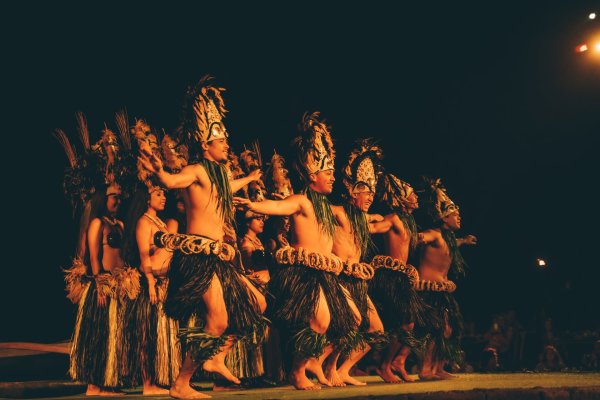

Hawaiʻi is not a theme park. It is a living culture on occupied indigenous land, and the way you move through it matters. The difference between a respectful visitor and an oblivious one usually comes down to a handful of things nobody told them before they landed.
This is that briefing. Some of these are actual laws with real fines. Others are cultural norms that locals notice immediately. All of them will make your trip better — and make the islands a better place for the people who live there year-round.
Accept Every Lei Offered to You
Refusing a lei is like refusing a handshake and then spitting on the floor. It is a deeply personal gesture in Hawaiian culture — a physical transfer of aloha from one person to another.
When someone places a lei around your neck, accept it graciously. Wear it draped over your shoulders so it hangs equally in front and back. Do not remove it in front of the person who gave it to you. If you are pregnant, tradition holds that you should receive an open-ended lei (untied) rather than a closed circle, symbolizing an unobstructed path for the baby.
When the lei wilts, return it to nature — hang it on a tree, place it in the ocean, or scatter the petals. Do not throw it in the trash. The Bishop Museum in Honolulu has excellent resources on lei traditions and their deeper significance.
Remove Your Shoes Before Entering a Home
This is non-negotiable in Hawaiʻi. Every home, most vacation rentals, and many small businesses expect you to leave your shoes at the door. You will see rows of slippers (flip-flops) lined up outside — that is your cue.
The practice is rooted in both Hawaiian and Asian cultural traditions that make up the islands’ heritage. It is about cleanliness and respect for someone’s living space. Wearing shoes inside is one of the fastest ways to mark yourself as someone who has not bothered to pay attention.
Do Not Touch Sea Turtles or Approach Monk Seals
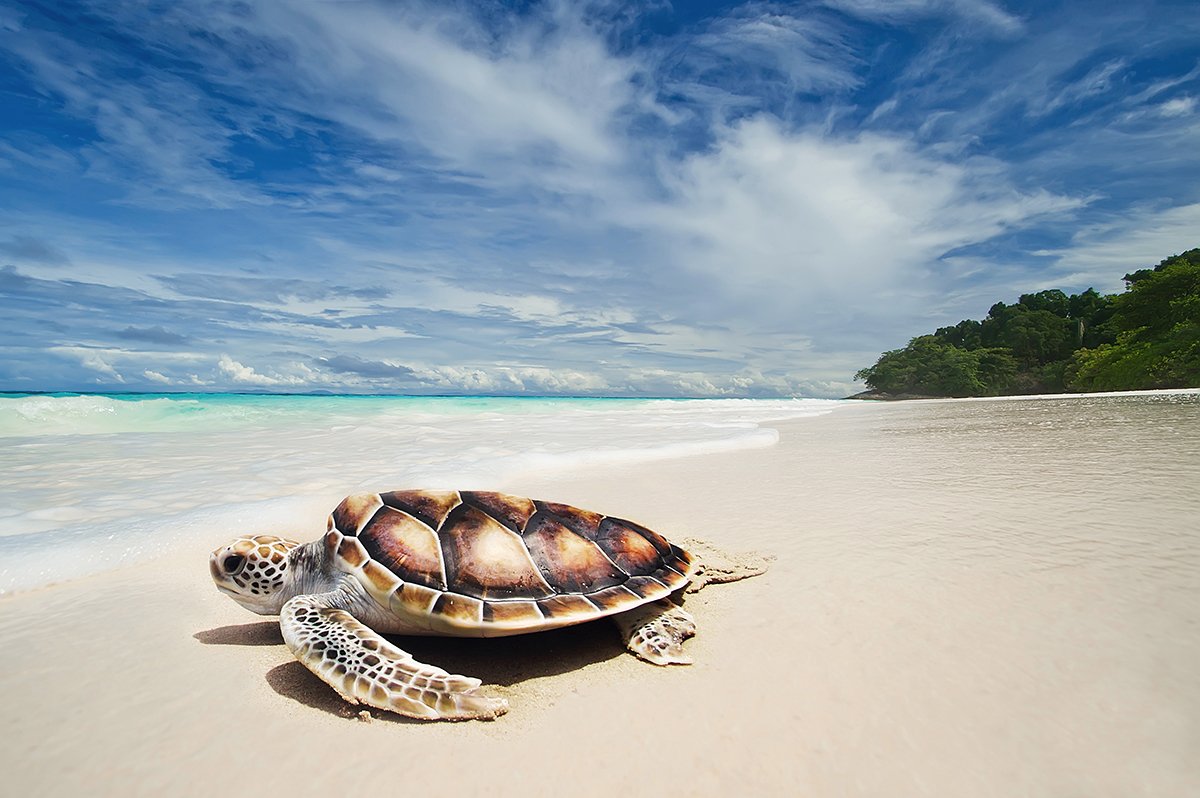
Hawaiian green sea turtles (honu) are protected under the Endangered Species Act. NOAA recommends maintaining at least 10 feet of distance. Touching, chasing, or feeding a honu violates the ESA and can result in federal fines up to $25,000. You will see them basking on beaches and swimming near shore — keep your distance and use a zoom lens.
Hawaiian monk seals are critically endangered — fewer than 1,400 remain. The mandatory buffer is 50 feet, and some beaches post 150-foot zones. Fines can reach $50,000 and include jail time. If you see a roped-off area on a beach, it is probably protecting a resting monk seal. Stay behind the rope. Do not approach for a selfie.
Both of these are actively enforced. DLNR officers patrol popular beaches, and other beachgoers will absolutely report you.
Wear Reef-Safe Sunscreen
Since January 1, 2021, Hawaiʻi Act 104 bans the sale of sunscreens containing oxybenzone and octinoxate — two chemicals linked to coral bleaching and reef death. You can still bring non-compliant sunscreen from the mainland, but you should not.
Look for mineral-based sunscreens with zinc oxide or titanium dioxide as the active ingredients. Brands like Raw Elements, Sun Bum Mineral, and Thinksport are widely available at Hawaiʻi drugstores and ABC Stores — or order before your trip so you are covered from day one. If your sunscreen is not reef-safe, the coral you just snorkeled over may not survive the visit.
Stay Off Sacred Sites and Heiau
Heiau are ancient Hawaiian temples — stone platform structures found across the islands. Many are still considered sacred by Native Hawaiian practitioners. Hawaiʻi state law (HRS §711-1107) makes it a misdemeanor to damage or disturb a heiau or any registered historic site.
At places like Puʻuhonua o Hōnaunau National Historical Park on the Big Island, the rules are posted: do not climb on walls, do not move stones, do not leave non-traditional offerings. But these rules apply everywhere, not just national parks. If you encounter a stone structure that looks ancient, treat it the way you would treat a church — with quiet respect and no climbing.
Do Not Take Lava Rocks or Stack Stones
Removing rocks, sand, coral, or any natural objects from a national park violates federal law (36 CFR §2.1). Hawaiʻi Volcanoes National Park receives packages of returned lava rocks every week from visitors who believe they have been cursed after taking them. “Pele’s curse” is a modern cultural belief, not an ancient Hawaiian tradition — but the park rangers will tell you the rocks keep coming back regardless.
Rock stacking (building cairns or ahu) has also become a problem at beaches and trailheads across the islands. The stacks topple and crush the small invertebrates living underneath. DLNR discourages the practice. If you see a rock stack, leave it — but do not build new ones.
Learn a Few Hawaiian Words (and Pronounce Them Right)
Hawaiian is not a dead language. It is one of two official state languages, and a growing number of families are raising children as native speakers through ʻAha Pūnana Leo immersion schools.
The basics: the Hawaiian alphabet has only 13 letters (a, e, i, o, u, h, k, l, m, n, p, w, plus the ʻokina). The ʻokina (ʻ) is a glottal stop — the catch in your throat between the syllables of “uh-oh.” The kahakō (a macron over a vowel) means you hold the sound longer. “Hawaiʻi” is three syllables: ha-WAI-ʻi. “Mahalo” (thank you) is ma-HA-lo.
You do not need to be fluent. But saying “mahalo” instead of “thanks,” “aloha” with intention, and making an honest attempt at place names — that goes a long way.
Every Beach in Hawaiʻi Is Public
The Hawaiʻi Constitution and HRS §115 guarantee public access to all beaches below the high-water mark. No beach in Hawaiʻi is legally private, no matter what a resort fence or “private property” sign suggests. Shoreline access must be maintained even through private property.
If a hotel has roped off a section of beach and placed lounge chairs on it, that sand still belongs to the public. You can lay your towel anywhere below the vegetation line. This right is fiercely defended by locals — and now you can defend it too.
Drive Like You Live Here

Honking your horn in Hawaiʻi is roughly equivalent to flipping someone off. Locals almost never honk except in genuine emergencies. If someone lets you merge or waves you through, give the “mahalo wave” — a raised hand through the window. It is expected.
Other road norms: drive slowly in residential areas (many neighborhoods have no sidewalks, so people walk in the road). Pull over at designated spots to let faster traffic pass on two-lane roads — especially on the Hāna Highway, Saddle Road, and Waimea Canyon Drive. And do not park blocking beach access paths. Hawaiʻi traffic law also requires yielding to pedestrians at all marked and unmarked crosswalks — this is more strictly enforced than on the mainland.
Tip Generously
Hawaiʻi’s cost of living is among the highest in the nation, and service industry wages have not kept pace. Tipping norms match or exceed mainland standards:
18-20% at restaurants. $2-5 per bag for hotel bellhops. $2-5 per day for housekeeping (left on the pillow with a note so it is clearly intentional). 15-20% for tour guides, boat captains, and activity operators. That surf instructor who spent 90 minutes pushing you into waves? Tip them. That shuttle driver who got you to your snorkel spot at 6am? Tip them too.
Respect the Shaka
The shaka — thumb and pinky extended, middle three fingers curled — is the unofficial hand signal of Hawaiʻi. It means hello, goodbye, thank you, I acknowledge you, we are good. You will see it everywhere: from passing cars, surfers in the lineup, cashiers at the grocery store, kids on the sidewalk.
Use it. But use it genuinely. The shaka is not an ironic tourist gesture — it is a real part of daily communication. Throw one to the driver who lets you in. Flash one to the guy at the shave ice window. It is the physical expression of aloha, and it costs nothing.
The Big Picture
Most of this comes down to a single principle: you are a guest. Hawaiʻi did not invite mass tourism — it was imposed through a colonial history that displaced Native Hawaiians from their own land. That does not mean visitors are unwelcome. It means the bar for respectful behavior is not “don’t break anything.” It is “leave this place better than you found it.”
Pick up trash that is not yours. Stay on marked trails. Buy from local businesses instead of chains. Eat at the family-run plate lunch spot, not the resort buffet. Ask before photographing someone’s cultural practice. If you want a deeper understanding of Hawaiian history and traditions, a guided cultural tour with a local historian is worth every dollar. And when a local shares something with you — a fishing spot, a lei, a story about their family — recognize it for what it is: a gift.