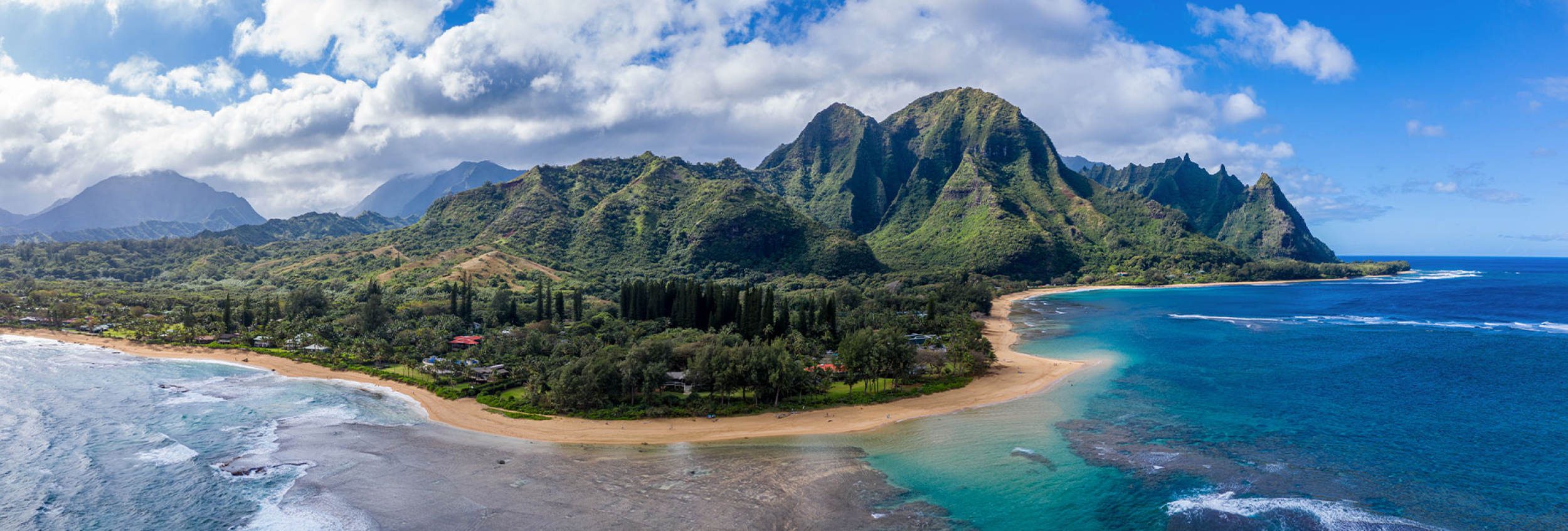

Your first Hawaii trip should feel like a revelation, not a logistics headache. But the islands are spread across 1,500 miles of open ocean, each with a distinct personality. Pick the wrong island for your travel style, book flights at the wrong time, or skip a few key preparations, and you’ll spend half your vacation course-correcting. This checklist exists so you don’t have to.
Step 1: Pick Your Island (or Islands)
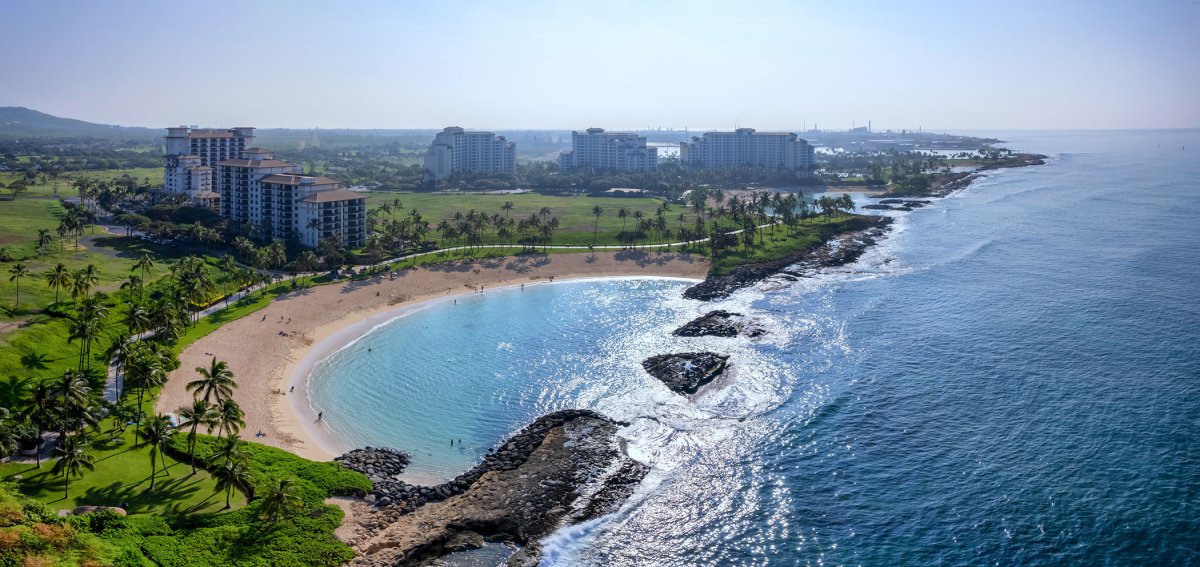
This is the single most important decision you’ll make, and most first-timers overthink it. Here’s the short version:
- Oahu — The most accessible island. Waikiki, Pearl Harbor, North Shore surf culture, and the widest range of restaurants and nightlife. If you want energy and variety, start here.
- Maui — The best all-rounder. Great beaches, the Road to Hana, Haleakala sunrise, whale watching in winter. Maui rewards couples and families who want a mix of adventure and relaxation.
- Big Island (Hawai’i) — Twice the size of all other islands combined. Active volcanoes, black sand beaches, coffee farms, and stargazing from Mauna Kea. Best for nature lovers who don’t mind driving.
- Kauai — The oldest island and the most dramatic scenery. Nā Pali Coast, Waimea Canyon, and a slower pace. Perfect if you want to hike and disconnect.
For a first trip, most people do best picking one island and staying 7 days. Two islands in 10+ days works if you don’t mind an interisland flight. Three islands in one trip is almost always a mistake — you’ll spend more time in airports than on beaches.
Step 2: Book Flights at the Right Time
Flight prices to Hawaii swing wildly depending on when you book and when you fly. A few rules that hold up year after year:
- Book 6–8 weeks out for the best fares on most routes. According to Hopper’s 2025 airfare study, domestic flights to Hawaii hit their lowest prices in this window.
- Fly midweek. Tuesday and Wednesday departures consistently run $50–$150 cheaper than Friday or Sunday flights.
- Shoulder seasons save real money. Mid-April through mid-June and September through mid-December offer lower fares, fewer crowds, and better hotel rates. Avoid the two weeks around Christmas and New Year — prices spike 40–60% across the board.
- Use Google Flights or Hopper to set price alerts. Don’t just check once and book. Track your route for a few weeks and pull the trigger when you see a dip.
Direct flights from the West Coast run roughly $250–$400 round trip in shoulder season. From the East Coast or Midwest, $450–$700 is typical. Anything below those ranges is a deal worth grabbing.
Step 3: Choose Where to Stay

Hawaii accommodations fall into a few buckets, and the right one depends on your budget and travel style:
- Resorts — Full-service properties with pools, restaurants, and beach access. Expect $350–$800/night at the major brands. Best for people who want everything in one place.
- Vacation rentals — Condos and houses booked through VRBO or Airbnb. Often $150–$400/night and ideal for families or longer stays where you’ll cook some meals. Check that the property has a legal Short-Term Rental permit — Hawaii has been cracking down on illegal rentals, and getting kicked out mid-trip is not the aloha you’re looking for.
- Boutique hotels & B&Bs — Smaller properties with more character. Prices vary widely. Good for couples who want something less corporate.
Location matters more than the hotel itself. On Maui, staying in Kaanapali puts you near great beaches but far from Hana. On Oahu, Waikiki is convenient but crowded. On the Big Island, the Kona side is sunny and resort-heavy; the Hilo side is rainy, lush, and closer to Volcanoes National Park. Research the region, not just the property.
Step 4: Decide on a Rental Car

The short answer: you probably need one. Here’s the island-by-island breakdown:
- Oahu — You can get by without a car if you’re staying in Waikiki and using TheBus or rideshares. But if you want to see the North Shore, windward coast, or anything beyond Honolulu, rent one.
- Maui — Rent a car. No question. The Road to Hana, upcountry Maui, and West Maui all require driving, and rideshare coverage is thin outside resort areas.
- Big Island — Absolutely rent a car. The island is massive. Driving from Kona to Volcanoes National Park takes 2.5 hours each way.
- Kauai — Rent a car. Public transit exists but won’t get you to trailheads or most beaches on any reasonable schedule.
Book early, especially for peak season. Rental car shortages in Hawaii made national news in 2021–2022, and while supply has improved, popular dates still sell out. Discount Hawaii Car Rental and Autoslash are two solid tools for tracking the best rates.
Step 5: Plan Activities (But Not Too Many)
The biggest first-timer mistake is cramming every day with tours, excursions, and reservations. Hawaii rewards a slower pace. Plan one major activity per day and leave the rest open.
A few things that genuinely require advance booking:
- Haleakala sunrise on Maui — Requires a National Park Service reservation made 60 days in advance. These sell out immediately.
- Pearl Harbor / USS Arizona Memorial on Oahu — Free timed-entry tickets release on Recreation.gov 60 days ahead. Walk-up availability exists but is limited.
- Snorkeling tours to Molokini (Maui) or Nā Pali Coast boat tours (Kauai) — Book 2–4 weeks out for the best boats and morning departures.
- Luaus — The popular ones (Old Lahaina Luau on Maui, Chiefs Luau on Oahu) book up weeks in advance.
Everything else — beach days, scenic drives, farmers markets, casual hiking — works fine without reservations.
Step 6: Pack Smart
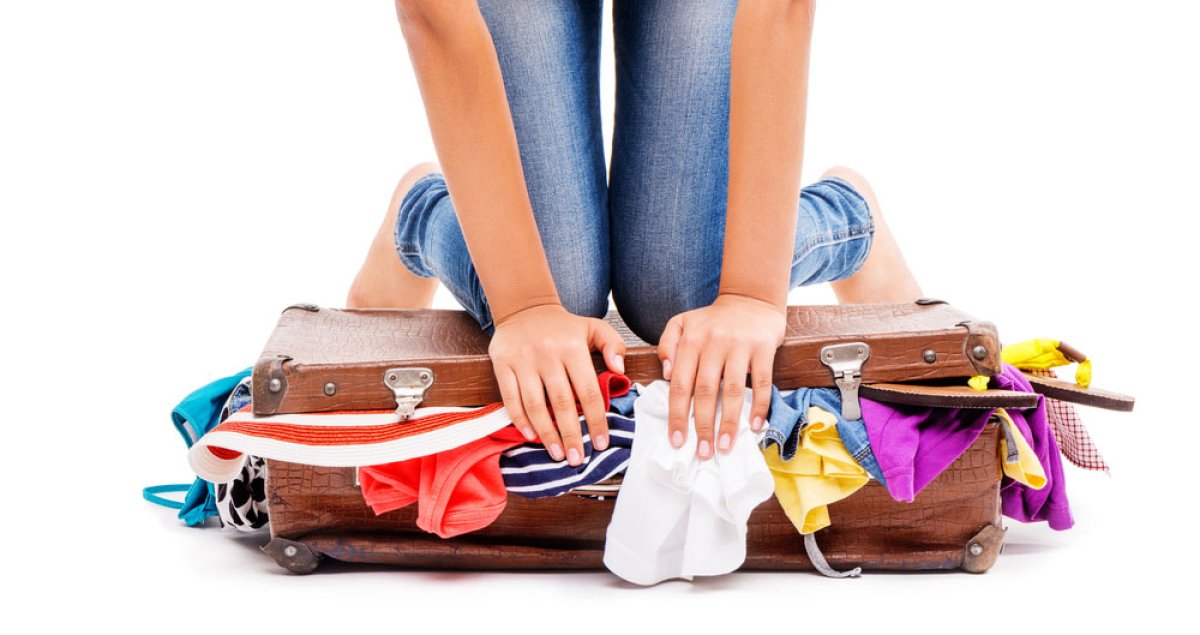
Hawaii’s weather is warm year-round (75–85°F at sea level), but microclimates mean you can hit rain, wind, and cool temperatures in a single day — especially if you drive to higher elevations or hike in valleys.
The essentials:
- Reef-safe sunscreen (Hawaii banned oxybenzone and octinoxate in 2021 — non-compliant sunscreen is illegal to use)
- A light rain jacket or windbreaker
- Water shoes for rocky beach entries and tide pools
- Hiking shoes if you plan any trails beyond paved paths
- A layer for Haleakala summit or Mauna Kea (temperatures drop to 40°F)
- Snorkel gear if you’ll use it more than twice (rentals add up fast at $15–$25/day)
Leave the formal wear at home. Hawaii is one of the most casual places on Earth. “Nice dinner” means a clean aloha shirt and closed-toe shoes.
Step 7: Know Before You Go
A handful of things that trip up first-timers every single time:
- Time zone. Hawaii is HST (UTC-10) and does not observe daylight saving. That means it’s 2–3 hours behind California and 5–6 hours behind New York depending on the time of year. Your body will wake you up at 5 AM. Use it — mornings are the best part of the day here.
- No passport needed. Hawaii is a U.S. state. If you’re a U.S. citizen, you just need a valid ID. International visitors need the same documentation required for any U.S. entry.
- Cash still matters. Many shave ice stands, food trucks, and small-town shops are cash-only. Carry $50–$100 in small bills.
- Respect the land and ocean. Stay on marked trails. Don’t stack rocks (they may be culturally significant). Never turn your back on the ocean — Hawaiian waves are powerful and unpredictable, and drowning is the leading cause of death for visitors.
- Tipping is standard. Same as the mainland — 18–20% at restaurants, $2–$5 for valet, $1–$2 per bag for bellhops.
The Quick-Reference Checklist
6–8 months out: ☐ Choose your island(s) ☐ Set flight price alerts ☐ Research regions and accommodations
3–4 months out: ☐ Book flights ☐ Book accommodations ☐ Reserve rental car
2 months out: ☐ Book Haleakala sunrise reservation (if Maui) ☐ Book Pearl Harbor tickets (if Oahu) ☐ Book any must-do tours or luaus
2–4 weeks out: ☐ Buy reef-safe sunscreen ☐ Pack using our packing guide ☐ Download offline maps for your island ☐ Confirm all reservations
Day before departure: ☐ Check weather and road conditions ☐ Charge all devices ☐ Pack a carry-on with swimsuit, sunscreen, and a change of clothes (in case luggage is delayed)
Published March 24, 2026.
Plan Your First Hawaii Trip
These guides cover the details you’ll need for each step of your planning.