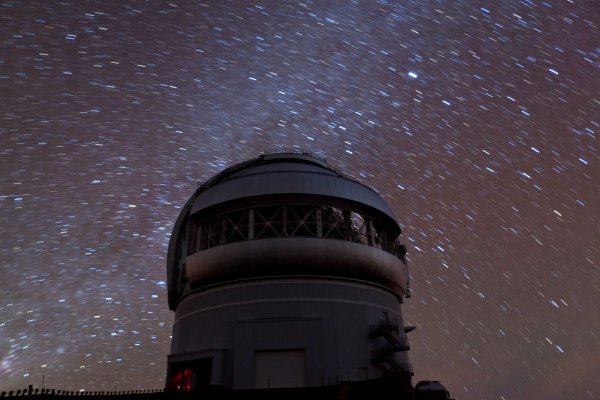

Hawaii sits at 20 degrees north latitude, surrounded by 2,500 miles of open ocean in every direction. No neighboring cities. No continental light domes. The Big Island’s Mauna Kea hosts more professional observatories than anywhere else on Earth: 13 telescopes from 11 countries perched at 13,796 feet, above 40% of the atmosphere and most of the water vapor.
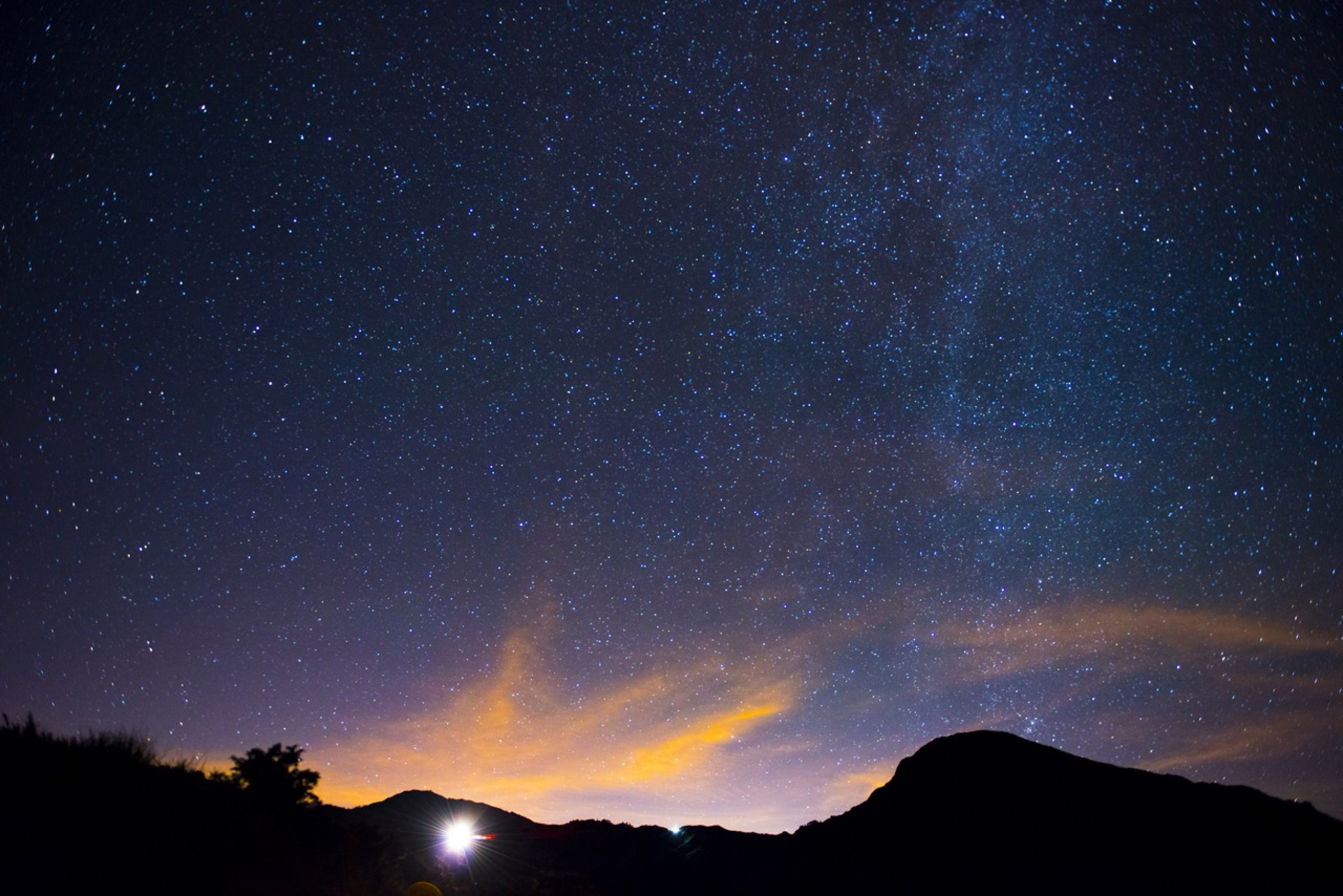
You do not need a telescope or a research grant to see what draws astronomers here. On any clear night, from the right spot, the Milky Way arcs overhead like a river of light. The Southern Cross hangs low on the southern horizon — visible from Hawaii but not from anywhere in the continental United States. And the seeing conditions that make Mauna Kea a $1 billion scientific investment also make a beach blanket at Hapuna Bay a front-row seat to the universe.