
Mainland visitors imagine Hawaii summer as a slightly warmer version of their beach vacation back home. It isn’t. Hawaii’s summer weather operates on a different system — one driven by trade winds, volcanic haze, microclimates that shift every few miles, and UV radiation that will cook unprotected skin faster than most people realize.
The good news: summer is Hawaii’s dry season. The better news: if you understand how the weather works here, you can plan around almost everything. Here’s the island-by-island reality for June through August.
Temperature: Hot but Not Brutal
Hawaii’s summer temperatures run between 75°F and 88°F at sea level across all four major islands. That’s warmer than winter (when highs sit around 78-83°F), but the difference is modest compared to the swings you get on the mainland. The real change in summer isn’t the thermometer — it’s the humidity.
When trade winds blow (more on that below), humidity stays manageable even on hot days. When they stall, which happens more often in summer than winter, the air gets thick and still. Leeward coasts — Waikiki, Kona, Lahaina, Poʻipū — feel it the most because they’re already sheltered from the breeze.
Elevation matters enormously. Hawaiʻi Volcanoes National Park sits at 4,000 feet and regularly drops into the low 60s at night. Haleakalā summit on Maui hits the 40s. If your itinerary includes upcountry or mountain stops, bring a layer. The National Weather Service Honolulu forecast page breaks temps down by zone — bookmark it before your trip.
Trade Winds: Your Free Air Conditioning
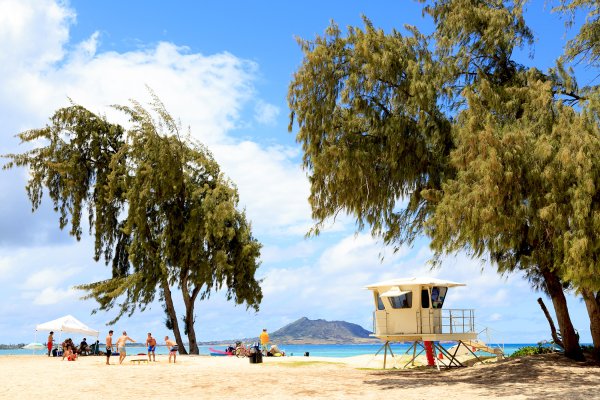
Trade winds are the single biggest factor in how Hawaii’s summer feels. These are persistent northeast winds blowing at 10-20 mph across the island chain. They keep coastal temperatures comfortable, push clouds over the mountains (creating the windward/leeward weather divide), and generally make Hawaii’s summer livable instead of oppressive.
Trades blow roughly 60-70% of summer days. When they stop — a pattern called “Kona weather” or “Kona winds” — the islands go flat calm. Humidity spikes, temperatures feel 5-10 degrees hotter than the thermometer says, and vog from Kīlauea drifts across the island chain instead of getting swept away. Kona conditions typically last 2-4 days before the trades return.
The practical takeaway: check the NOAA marine forecast for Hawaii before planning outdoor-heavy days. If trade winds are forecast, you’re golden. If the forecast says “light and variable winds,” expect a muggier, hazier day.
Rain: It Depends Where You're Standing
Summer is the dry season, but “dry” in Hawaii is relative. The trade winds push moisture-laden air into the northeast-facing (windward) slopes of every island, where it rises, cools, and dumps rain. Leeward sides stay mostly dry. This windward/leeward split is the defining feature of Hawaiian weather, and it’s dramatically more pronounced than most visitors expect.
Some perspective on how extreme the microclimates get: Mount Waiʻaleʻale on Kauaʻi receives over 400 inches of rain per year, making it one of the wettest spots on Earth. Drive 15 miles south to Poʻipū and you’re in near-desert conditions with under 30 inches annually.
Island-by-island summer rain reality:
Oʻahu: Waikīkī and the south shore are dry in summer — expect maybe a brief afternoon shower once a week. The North Shore and windward coast (Kailua, Kāneʻohe) get passing showers most afternoons, but they blow through in 10-15 minutes.
Maui: West Maui (Lahaina, Kaʻanapali) and South Maui (Kīhei, Wailea) are reliably dry. Upcountry and the Hāna coast catch afternoon rain regularly. The Road to Hana will have rain somewhere along it regardless of the forecast.
Big Island: The most dramatic split in Hawaii. Kona side (west) averages about 15 inches of rain per year. Hilo side (east) gets over 120 inches. If you’re staying in Kona, summer rain is a non-issue. If you’re hiking in Hawaiʻi Volcanoes National Park or exploring the Hāmākua Coast, pack a rain shell.
Kauaʻi: The wettest island overall, but the south shore (Poʻipū) and west side (Waimea) stay dry through summer. The North Shore (Princeville, Hanalei) gets more rain year-round, though summer showers are shorter and less frequent than winter.
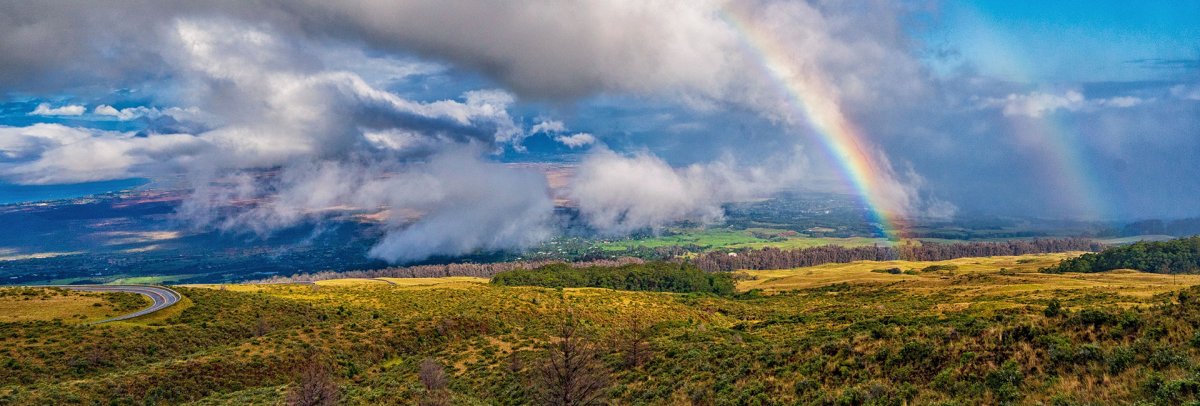
One universal rule: rain in Hawaii almost never ruins a day. It shows up, dumps for 10 minutes, and leaves a rainbow behind. Don’t reschedule plans because of a shower in the forecast.
Vog: The Big Island's Volcanic Haze
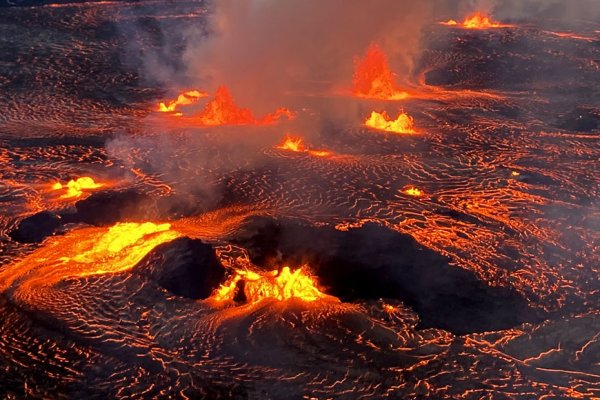
Vog is volcanic smog — sulfur dioxide and fine particulate matter emitted from Kīlauea volcano that mixes with moisture and sunlight to create a grayish haze. It’s been part of Big Island life for decades, and it intensifies during periods of active eruption.
When trade winds are blowing, vog gets pushed to the Kona (leeward) side of the Big Island and occasionally drifts to Maui, Oʻahu, and even Kauaʻi. When trades stall during Kona wind conditions, vog can blanket the entire Big Island and reduce visibility significantly.
For most healthy visitors, vog causes minor irritation — scratchy throat, watery eyes, slight headache. For people with asthma, COPD, or other respiratory conditions, it can trigger serious symptoms. The Hawaiʻi Interagency Vog Information Dashboard tracks real-time vog conditions and air quality across all islands, and the USGS Kīlauea air quality page monitors SO₂ emissions at the source. If you have respiratory sensitivities, check it daily.
Vog also kills sunset colors on bad days. Instead of the vivid oranges and reds you see in photos, you get a milky, washed-out horizon. Not a dealbreaker, but worth knowing if you’re planning a sunset cruise or photography session on the Kona coast.
UV Radiation: The Invisible Hazard
This is where Hawaii summer gets dangerous and most visitors underestimate it. Hawaii sits at 19-22°N latitude — closer to the equator than any other U.S. state. Summer UV index readings regularly hit 11 or 12, which the EPA classifies as “extreme.” For reference, a UV index above 8 means unprotected skin can burn in under 15 minutes.
The intensity spikes between 10am and 2pm, and the combination of reflection off water and sand at the beach amplifies exposure. Snorkelers and swimmers are especially vulnerable because water provides almost no UV protection, and the cooling effect of the ocean masks how badly you’re burning.
Practical UV survival tips:
-
Apply reef-safe sunscreen 15 minutes before going outside, and reapply every 90 minutes (more often if you’re in the water). Hawaiʻi law bans sunscreens containing oxybenzone and octinoxate, and Maui County goes further by banning all non-mineral sunscreens. Mineral (zinc oxide / titanium dioxide) sunscreen is your only legal option on Maui.
-
Wear a rashguard for snorkeling and water activities. It’s more effective than any sunscreen and you don’t have to reapply it.
-
A wide-brim hat and UV-rated sunglasses aren’t optional accessories here. They’re equipment.
-
Schedule beach time for early morning or late afternoon when UV is lower. The midday hours are better spent on shaded activities, lunch, or indoor attractions.
What to Pack for Summer Weather
Hawaii’s summer packing list is short but specific:
-
Reef-safe mineral sunscreen (SPF 50+). Buy it before you arrive — prices at island shops are inflated 30-50%. (Amazon: reef-safe sunscreen)
-
Lightweight rain shell — not a heavy rain jacket. Something packable that fits in a daypack. You’ll use it on windward sides and hiking trails.
-
Rashguard or UV swim shirt for snorkeling. (Amazon: UV rashguards)
-
Wide-brim hat and polarized sunglasses. The polarization cuts glare on the water, which matters for driving coastal roads too.
-
Light layers for elevation. A fleece or hoodie for Haleakalā, Mauna Kea, or Volcanoes National Park. It will be 20-30°F cooler than the coast.
-
Reusable water bottle. Dehydration creeps up fast when trade winds are blowing — the breeze evaporates sweat before you notice it.
Hurricane Season (Brief Note)
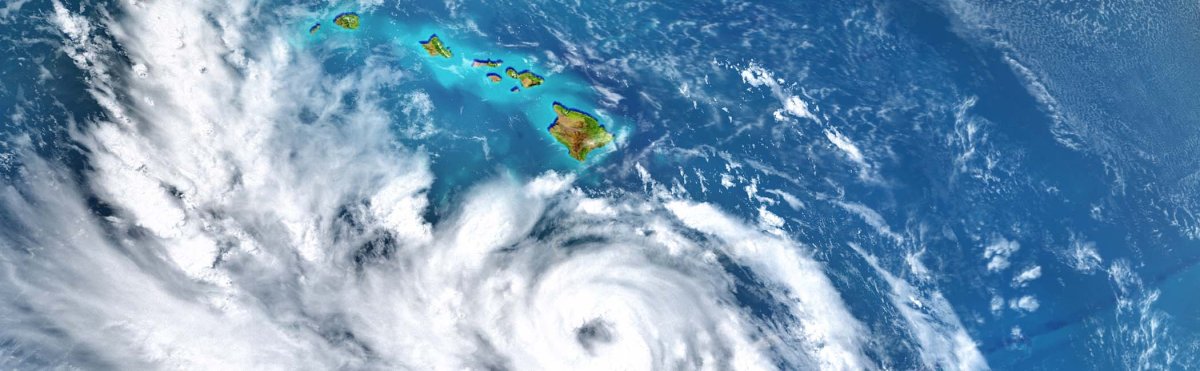
Hawaii’s hurricane season runs June 1 through November 30. Direct hits are extraordinarily rare — the last major one was Hurricane Iniki in 1992. The odds of a hurricane disrupting your summer trip are microscopic, but the season does affect travel planning in one practical way: it’s a reason to carry travel insurance.
We wrote a full breakdown of hurricane season in Hawaii — historical data, what actually happens during a storm threat, and preparation tips. Read it if you want the full picture. The short version: don’t cancel your trip over hurricane season. Do buy travel insurance.
The Bottom Line
Hawaii’s summer weather is predictable once you understand the patterns. Trade winds keep it comfortable. Rain falls on the windward side and clears fast. Vog is a nuisance, not a danger (unless you have respiratory issues). UV is the real threat, and it’s entirely manageable with the right gear.
Pick your island, check the forecast, pack smart, and stop worrying about the weather. The bigger question is whether you’ve booked your rental car yet — summer inventory disappears fast.
More Summer Planning Resources
Get ready for your summer Hawaii trip with these guides.