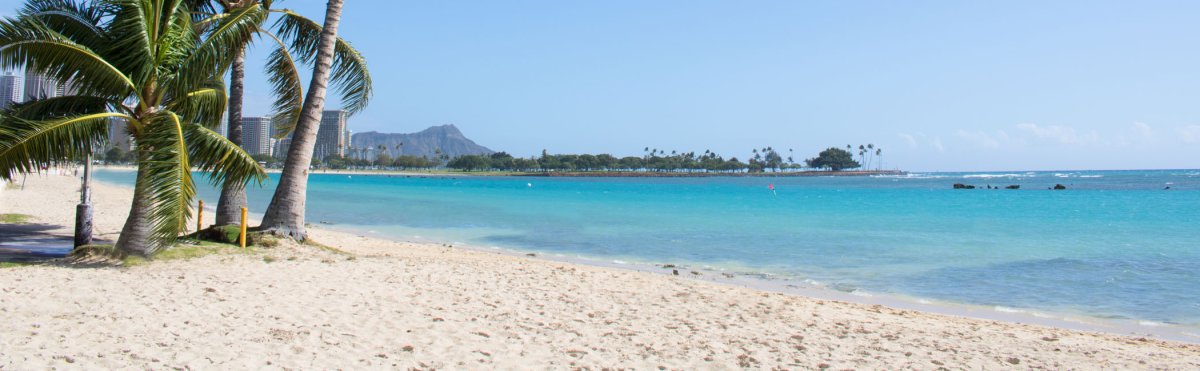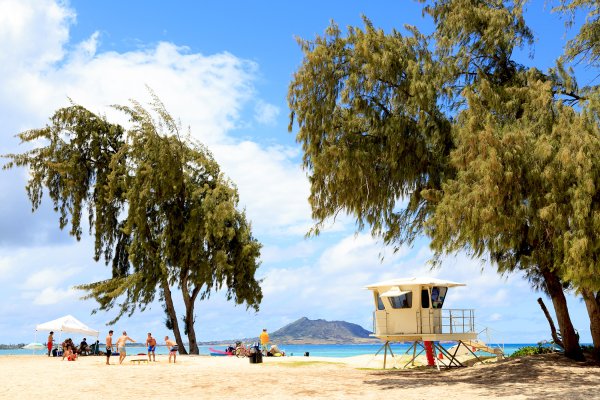

Hawaii’s ocean doesn’t take summer off. The hazards just change shape. Winter brings massive north shore swells — the kind that close beaches and draw surfers from around the world. Summer flips the script: south shore swells roll in from storms in the Southern Hemisphere, box jellyfish arrive on a predictable lunar cycle, and rip currents catch swimmers off guard at beaches that looked calm 20 minutes earlier. Hawaii averages roughly 83 drownings per year, and non-residents account for over half of all victims despite being a fraction of the population. Drowning is the leading cause of death for visitors to Hawaiʻi. (Honolulu Civil Beat — Hawaii Drowning Data) Most of those deaths are preventable. Here’s what changes in summer and how to stay out of trouble.
Box Jellyfish: The Lunar Calendar You Need to Know
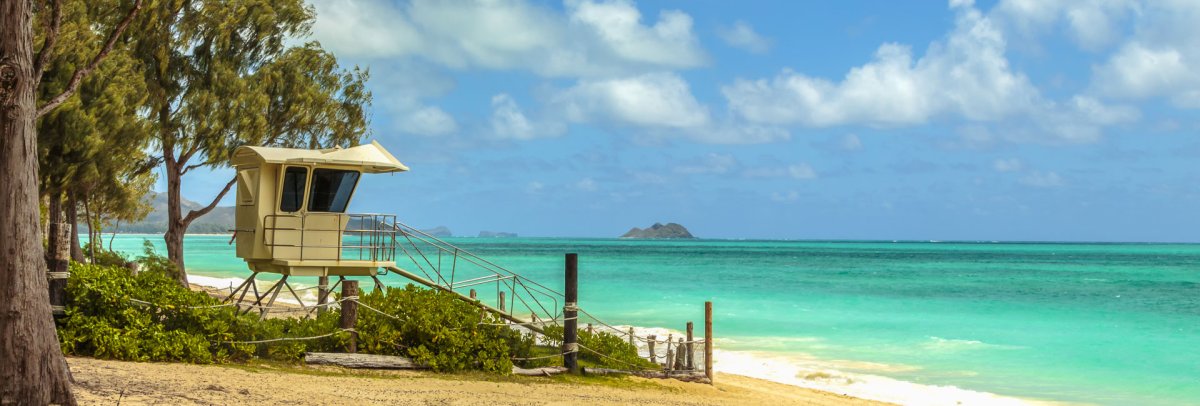
Hawaiian box jellyfish (Alatina alata) arrive on south- and leeward-facing shores roughly 8 to 10 days after each full moon. This pattern is one of the most reliable natural cycles in Hawaii — lifeguards and marine biologists have tracked it for decades. The Waikiki Aquarium publishes an annual box jellyfish prediction calendar. (Waikiki Aquarium — Box Jellyfish Calendar)
The official Waikiki Aquarium box jellyfish prediction calendar for summer 2026:
- May 21-24
- June 19-22
- July 18-21
- August 17-20
- September 16-19
These are estimates. Wind, currents, and water conditions shift the timing by a day or two in either direction. Waikiki Beach, Ala Moana Beach Park, and Hanauma Bay on Oʻahu are the most commonly affected. On Maui, Kamaʻole beaches and Kapalua Bay see influxes. Lifeguards post warning signs when jellyfish are present. (Hawaiʻi Ocean Safety — Jellyfish)
Box jellyfish stings are painful but rarely life-threatening for healthy adults. The standard first-aid protocol: rinse with vinegar (acetic acid), then apply a hot pack or immerse the area in hot (not scalding) water for 20 minutes. Do not rinse with fresh water or apply ice — both can cause unfired nematocysts to release more venom. (University of Hawaiʻi — Box Jellyfish Treatment)
Portuguese Man-o'-War — Not a Jellyfish, Still a Problem
Portuguese man-o’-war (Physalia physalis) show up year-round but spike when trade winds blow them onto windward-facing beaches. Unlike box jellyfish, they don’t follow a lunar cycle — they follow the wind. If trades are strong (common in summer), windward beaches on Oʻahu (Kailua, Waimānalo), Maui (Hāna coast), and the Big Island (Hilo side) may see man-o’-war washing ashore.
The blue-purple floats are easy to spot on the sand. Don’t touch them — even dead ones on the beach can sting. Treatment is different from box jellyfish: rinse with salt water (not vinegar), carefully remove tentacle fragments with tweezers, and apply hot water. (Hawaiʻi DLNR — Marine Hazards)
South Shore Swells: May Through September
Hawaiʻi’s swell patterns rotate seasonally. Winter (October-April) brings powerful north and northwest swells generated by North Pacific storms — that’s when Pipeline, Sunset Beach, and Waimea Bay light up. Summer reverses the energy. Swells generated by storms in the Southern Hemisphere travel north across the equator and hit Hawaiʻi’s south-facing shores from May through September. (National Weather Service Honolulu — Surf Forecast)
South shore summer swells average around 5.5 feet but can exceed 8-10 feet during large Southern Hemisphere storm events. The National Weather Service issues a High Surf Advisory for south-facing shores at 8 feet and a High Surf Warning at 15 feet. (NWS Honolulu — Surf Forecast) These swells hit beaches that many visitors assume are calm: Waikiki, Ala Moana, and the Kamaʻole beaches on Maui all face south. When a south swell is running, shore break at these beaches gets significantly stronger, and currents pull harder along the shoreline.
The south shore of Oʻahu is the most affected. Sandy Beach has the deadliest shore break in the state, and it gets worse during south swells. Lifeguards make more rescues at Sandy Beach than almost any other beach in Hawaiʻi. If the flag at Sandy Beach is red, stay out of the water unless you’re an experienced bodysurfer who knows the break. (City & County of Honolulu — Ocean Safety)
Rip Currents: The Invisible Threat
Rip currents kill more people in Hawaiʻi than sharks and high surf combined. They form when water pushed onto shore by waves funnels back out through a narrow channel. They’re hard to see from water level and can pull even strong swimmers offshore fast.
Rip currents can form at any beach, any time of year, but they’re especially dangerous during summer when increased south swells combine with reef channels that funnel water outward. Beach breaks along Maui’s south shore, Oʻahu’s Waikiki stretch (particularly near the groins and jetties), and Big Island’s Hapuna Beach all produce rip currents regularly.
If you’re caught in a rip current: don’t fight it. Swim parallel to shore until you’re out of the pull, then swim back in at an angle. If you can’t break free, float and wave for help. Exhaustion from fighting the current — not the current itself — is what drowns people. (NOAA — Rip Current Safety)
The Beach Flag System
Hawaiʻi’s lifeguarded beaches use a color-coded flag system. Learn it before you get in the water.
Green flag: Low hazard. Calm conditions. Still use common sense.
Yellow flag: Moderate hazard. Surf, currents, or jellyfish present. Swim near lifeguards.
Red flag: High hazard. Dangerous conditions. Only experienced ocean swimmers should enter.
Double red flag: Water closed to swimming. Stay out. Lifeguards will enforce this.
Purple flag: Dangerous marine life present (jellyfish, sharks, man-o’-war). Flies alongside other flags.
Not every beach flies flags. Unlifeguarded beaches have no warning system — you’re on your own assessment. The Hawaiʻi Beach Safety website (hawaiibeachsafety.com) provides real-time surf reports, wind conditions, and hazard alerts for beaches across all four major islands.
Safest Beaches for Summer Swimming
If you want to swim and not worry, pick beaches with lifeguards, protected bays, or reef-sheltered shorelines.
On Oʻahu, Ala Moana Beach Park has a calm lagoon with lifeguards. Kailua Beach is usually calm. Waikiki is protected by reef but watch for south swell days. Hanauma Bay is reef-sheltered with lifeguards (reservation required).
On Maui, Kapalua Bay is a protected cove that stays calm most days. Kamaʻole III has lifeguards and is generally calmer than Kamaʻole I and II.
On the Big Island, Hapuna Beach has lifeguards and a wide sandy stretch, but watch the shore break on bigger swell days. Kahaluʻu Beach Park is a sheltered snorkeling area with lifeguards.
On Kauaʻi, Poipū Beach has lifeguards and sheltered sections. Lydgate Beach Park has rock-walled pools that keep the water calm — the best family beach on the island.
Every one of these beaches has conditions that can change within hours. Check the surf report the morning of your beach day at hawaiibeachsafety.com.
Five Rules That Will Keep You Safe
-
Swim at lifeguarded beaches. Nothing else comes close. Hawaii’s state and county lifeguards make thousands of rescues annually. Drownings overwhelmingly happen at unguarded beaches. (Hawaiʻi DLNR — Drowning Data)
-
Never turn your back on the ocean. Waves come in sets, and the biggest wave in a set can be significantly larger than the ones before it. People standing in knee-deep water get swept off their feet by unexpected waves, especially at shore break beaches like Sandy Beach and Makapuʻu.
-
Check conditions before you go. The Hawaiʻi Beach Safety app and website (hawaiibeachsafety.com) give you real-time surf heights, wind, and hazard warnings. Two minutes of checking beats an hour of ambulance rides.
-
Don’t swim alone. Even experienced ocean swimmers should have someone watching from shore or swimming nearby. Cramps, disorientation, and sudden current shifts happen to everyone.
-
Know your limits. The ocean doesn’t care about your fitness level or swimming pool PRs. If the conditions look bigger or rougher than what you’re used to, stay on the sand. There’s zero shame in watching from the beach. The people who drown in Hawaiʻi are almost never surfers or local watermen. They’re visitors who overestimate their ability in unfamiliar conditions.
Stay Safe in Hawaii's Ocean
More resources for safe ocean activities in Hawaii.