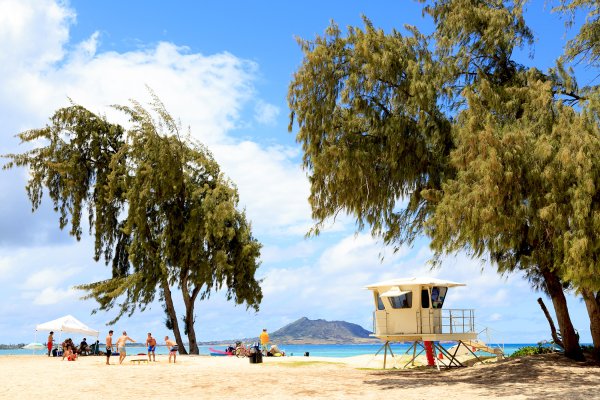

About 800 people have drowned off Hawaiʻi’s roughly 1,000-mile coastline in the last decade. That is not a typo. Honolulu Civil Beat reported in January 2026 that the state is finally reviving a dormant task force charged with placing warning signs at dangerous beaches — a group that has not convened since 2012.
Sixty-nine percent of those ocean drowning victims were visitors, according to data compiled by the Hawaiʻi Department of Health. Maui County’s per capita drowning rate has doubled compared to Oahu. If you are planning a Hawaii trip this summer, the ocean is the single biggest physical risk you will face — and it is one you can manage with the right information.
The Numbers Behind the Crisis
Hawaiʻi has the second-highest rate of residential drownings in the United States. Drowning is the number one cause of death for children ages 1 through 15 in the state, and less than 2% of Hawaiʻi’s second graders have the basic swimming skills to avoid or recover from a drowning situation.
The visitor numbers are stark. Beat of Hawaii reported that 69% of ocean drownings statewide involve tourists. The typical victim profile: male, aged 40 to 70, often from a landlocked state, frequently swimming alone or ignoring posted warnings. Snorkeling drownings are a distinct category — older visitors with pre-existing cardiac conditions are disproportionately represented, and full-face snorkel masks can obscure signs of breathing distress.
Neighbor Islands bear the heaviest burden. Maui County averaged 22 drownings per year over the past decade. The per capita rate on Neighbor Islands is roughly twice that of Oahu, driven by longer stretches of unguarded coastline and fewer lifeguard resources.
What the State Is Doing Now
Three things are changing in 2026.
The Beach and Water Safety Task Force is back. After 12 years of inactivity — and sustained pressure from the Hawaiian Lifeguard Association and investigative reporting by Civil Beat — the state Department of Land and Natural Resources is reconvening the group responsible for placing hazard warning signs at state beaches. The current sign count: 28 at state beaches on Oahu, 26 on the Big Island, and 95 on Kauai. The task force will evaluate gaps and recommend new placements.
Oahu’s lifeguard force has expanded. The Honolulu Ocean Safety Department graduated 13 new lifeguards, bringing the total force from roughly 40 to about 70. Honolulu’s ocean safety operation — which covers about 40 beaches on Oahu — is now its own county government agency, giving it a larger budget and more autonomy.
The state released its first Water Safety Plan. The 2025 Hawaiʻi Water Safety Plan (“I Palekana Kakou Ma Ka Wai” — Let Us Be Safe in the Water) is a statewide roadmap that includes expanded swimming lessons, targeted safety education for visitors, and a push to increase the percentage of children who can swim. The Department of Health designated May 15 as Hawaiʻi Water Safety Day to raise public awareness.
The Beaches That Catch Visitors Off Guard
These are not obscure spots. They are popular, often beautiful, and frequently underestimated.
Sandy Beach, Oahu. Powerful shore break slams directly onto shallow sand. Spinal injuries are common even on calm-looking days. Lifeguards are present, but the wave energy here punishes inexperience. This is not a swimming beach for visitors.
Big Beach (Makena), Maui. The wide, golden sand draws crowds. The shore break is vicious. Waves pitch steeply onto the beach with enough force to break bones. Multiple drownings and spinal injuries have occurred here over the years.
Hapuna Beach, Big Island. Consistently rated among Hawaiʻi’s best beaches. Also among its deadliest, with a steep underwater drop-off and strong shore break. It is lifeguarded, but conditions change fast — especially in winter.
Lumahai Beach, Kauai. Featured in South Pacific, and its beauty pulls people in despite extreme danger. No lifeguards. Powerful shore break. Strong currents. Multiple fatalities over the years.
Hanakapiai Beach, Kauai. Reachable only via the Kalalau Trail. No lifeguards. Extremely strong currents. A sign at the trailhead tallies drowning deaths — the count is over 80.
How to Protect Yourself This Summer
The ocean in Hawaiʻi is not the same as the ocean in Florida or Southern California. Conditions shift within hours. A beach that is flat in the morning can have six-foot shore break by afternoon. Here is what actually keeps people safe.
Check conditions before you go. The Hawaiʻi Beach Safety site, run by DLNR, uses a color-coded rating system (green, yellow, red) updated daily for beaches across all islands. Bookmark it.
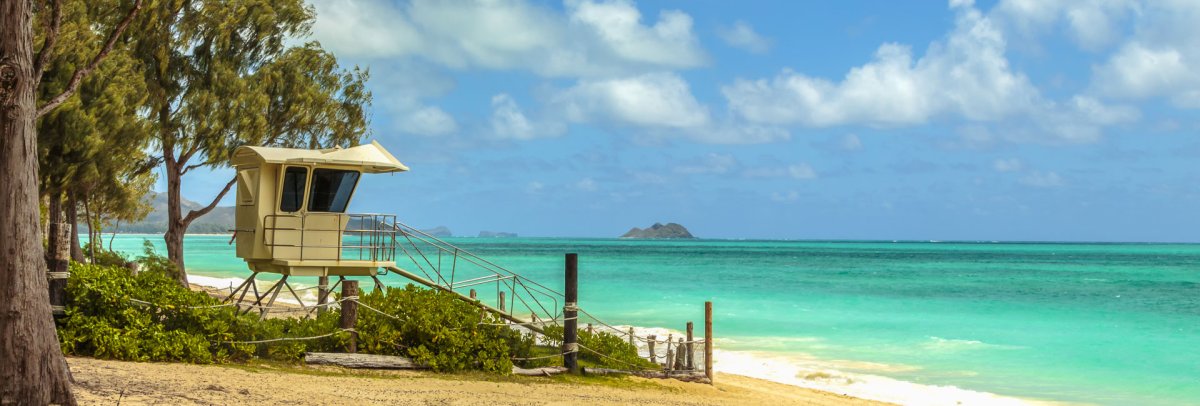
Swim at lifeguarded beaches. This single decision eliminates the majority of drowning risk. If a beach has no lifeguard tower, swim with extreme caution or not at all.
Never turn your back on the ocean. A significant number of fatalities involve people on rocks or at the water’s edge who are swept in by rogue waves. This is especially true on Kauai’s North Shore and the Big Island’s Hamakua Coast.
Skip the full-face snorkel mask. Standard two-piece snorkel gear (mask and separate snorkel) allows you to clear water and breathe more naturally. Full-face masks have been linked to CO2 buildup and reduced awareness of distress.
Do not swim alone. The simplest rule, and the one most often broken by drowning victims.
Respect the flags. Red means the beach is closed or conditions are dangerous. Yellow means caution. Green means conditions are relatively safe. These flags exist at lifeguarded beaches for a reason.
Summer Brings Different Hazards
Summer in Hawaiʻi means south swell season. From June through September, swells generated by storms in the Southern Hemisphere push surf onto south-facing shores — Waikiki, Ala Moana, Poipu, and other popular beaches that are typically calm in winter.
South swells can produce four-to-eight-foot surf, occasionally larger. The energy arrives with little warning, and south-facing beaches often have shallower reef structures that amplify wave power close to shore.
Trade winds are strongest in summer, creating choppy conditions on windward (east-facing) shores. And box jellyfish influxes hit south-facing beaches eight to ten days after each full moon — Waikiki and Ala Moana are frequent targets. Check the jellyfish calendar before planning beach days.
The North Shore, by contrast, is generally flat and swimmable in summer. Beaches like Waimea Bay that are off-limits in winter become calm enough for families by June.
What This Means for Your Trip
The state is moving in the right direction. More lifeguards on Oahu. A revived task force. A real plan on paper. But Hawaiʻi still has roughly 750 miles of coastline with no lifeguard coverage. The Neighbor Islands still have drowning rates that would be considered a public health emergency anywhere else.
Until the infrastructure catches up, the responsibility falls on visitors. Check the beach conditions. Swim where lifeguards are posted. Watch the water for 15 minutes before getting in. Ask lifeguards about current conditions — they will tell you exactly where it is safe and where it is not.
The ocean in Hawaiʻi is spectacular. It is also unforgiving. Those two things are not in conflict. Respecting the water is what makes it possible to enjoy it.
Stay Safe on Your Trip
More guides for a safe and enjoyable Hawaii vacation.