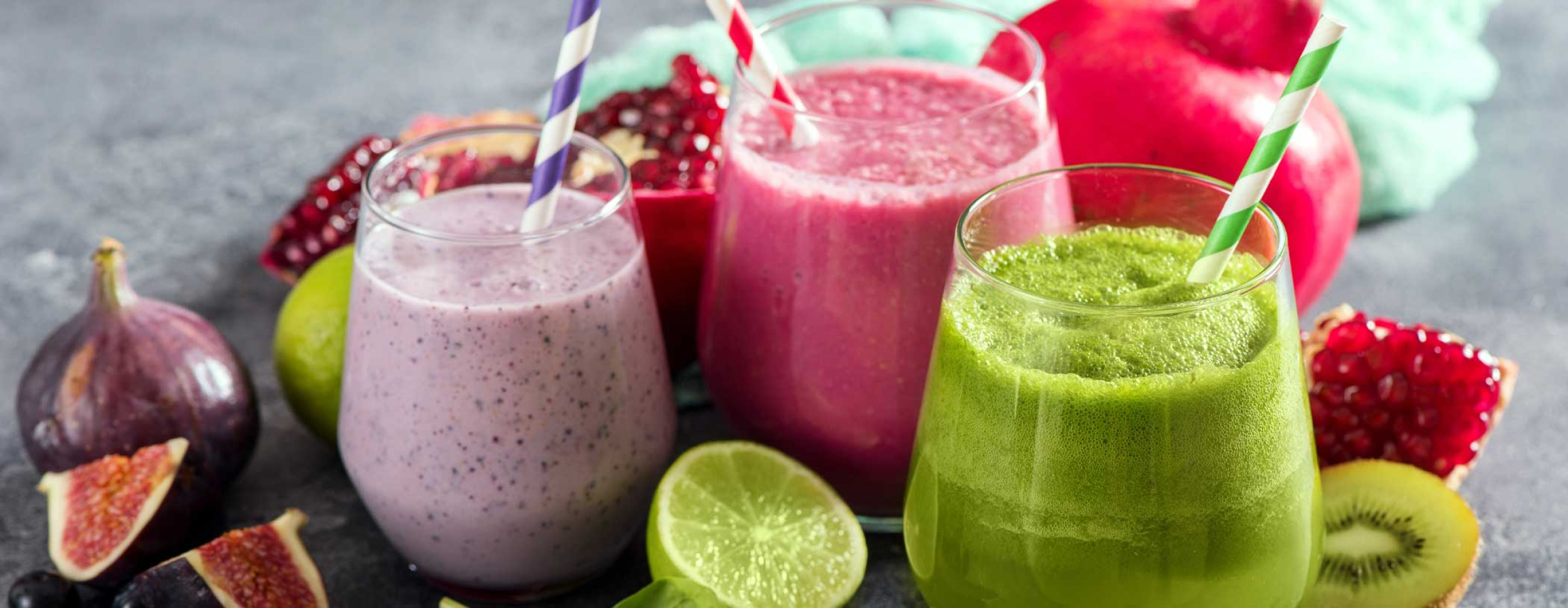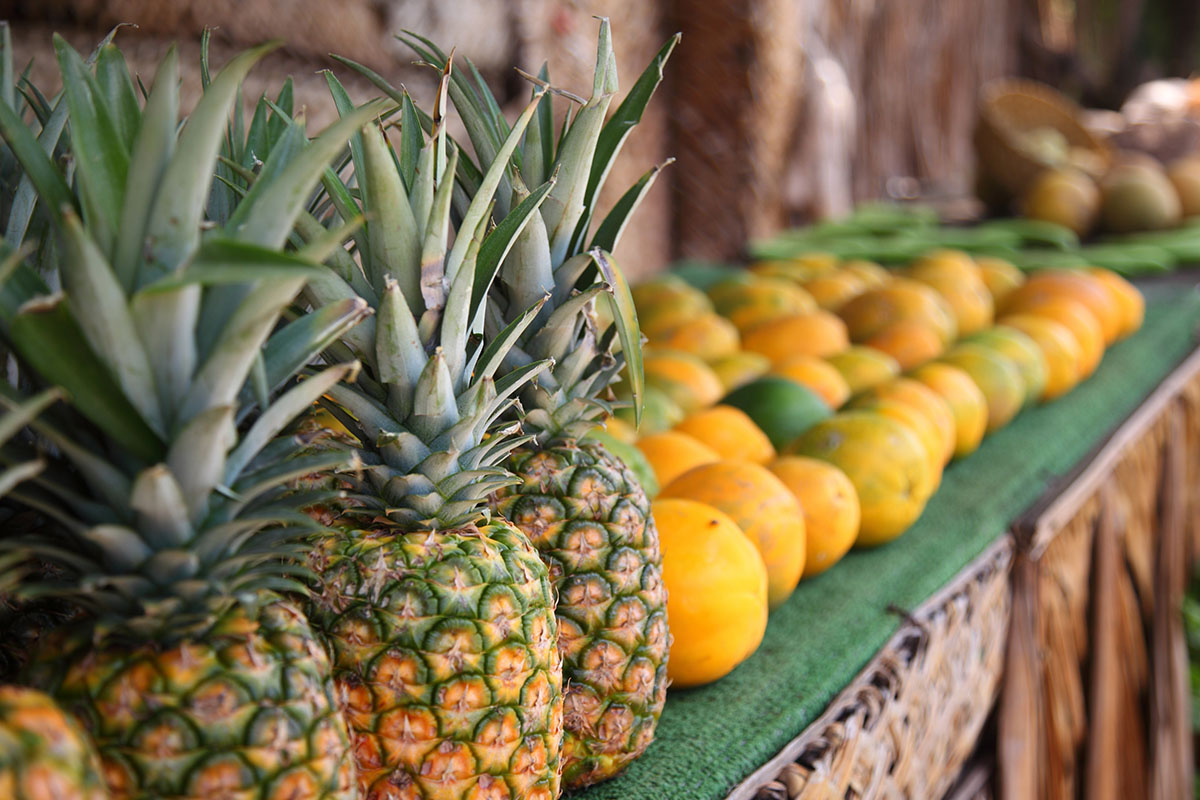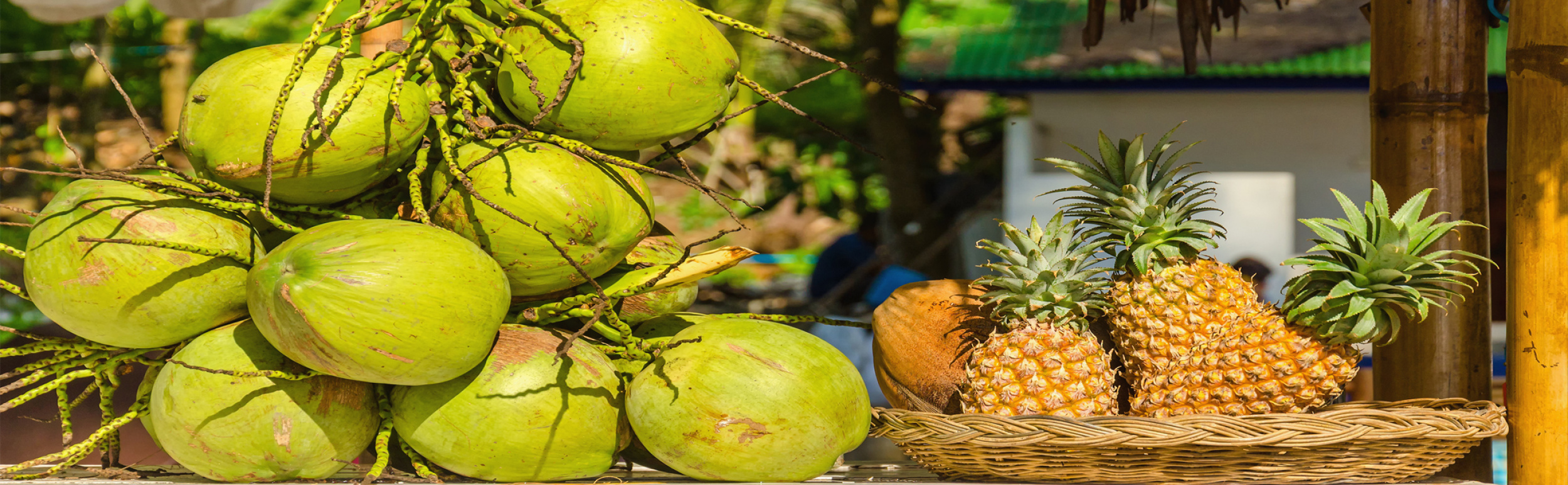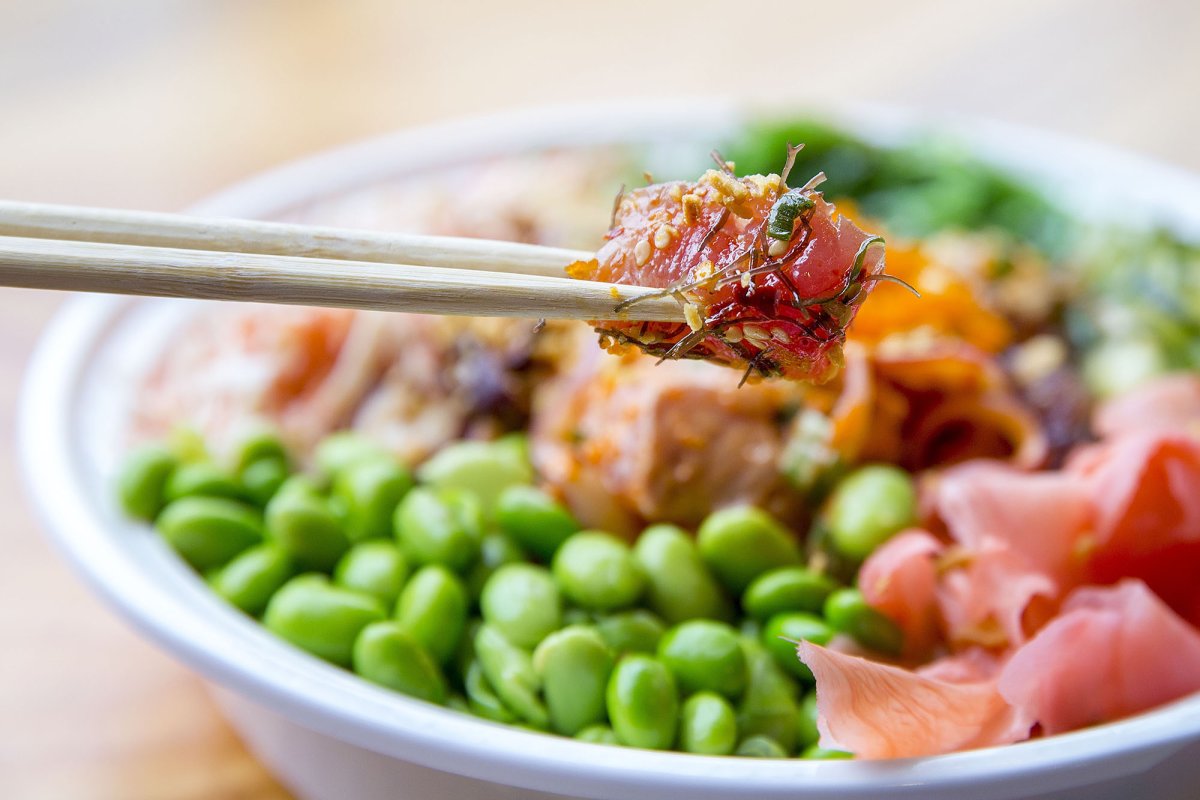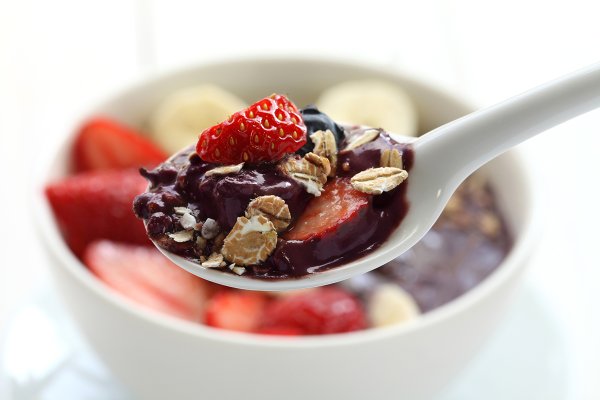

Hawaiʻi’s juice bar scene is not Jamba Juice with a palm tree out front. The islands grow half the ingredients on-site — lilikoi vines climbing backyard fences, apple banana bunches hanging from trees in Mānoa, turmeric root pulled from Big Island farms, spirulina cultivated in Kona sun. When the base ingredients are this fresh and this local, the drinks taste like a different category entirely.
This guide skips the “where to find smoothies” question (we have island-by-island location guides for that). Instead, this is about what to order once you walk in — the specific drinks, the acai bowl styles, the menu items that don’t exist on the mainland, and the spots that locals line up for while visitors walk right past.
The Drinks You Can't Get on the Mainland
Lilikoi (passion fruit) is the single flavor that defines Hawaiian juice bars. Tart, intensely aromatic, almost floral. It shows up in smoothies, fresh-squeezed juices, and as a syrup drizzled over acai bowls. If you see lilikoi on any menu, order it. This flavor profile doesn’t travel well. Mainland “passion fruit” tastes like a distant cousin.
Soursop (guanabana) is the sleeper. Creamy, custardy, somewhere between pineapple and strawberry. Hard to find outside the tropics because the fruit bruises if you look at it wrong. Summer Frappe on Kauaʻi makes a straight soursop smoothie — one of the only spots in the state that does.
Apple bananas are smaller, sweeter, and denser than the Cavendish bananas you buy at Safeway. They’re the base ingredient at Banan on Oʻahu, which built its entire concept around using only locally grown apple bananas instead of acai or standard bananas. The texture is richer, almost like soft-serve.
Mamaki tea comes from a native Hawaiian plant. Caffeine-free, mildly earthy, sometimes blended into wellness shots alongside ginger and turmeric. You’ll find it at health-focused juice bars across the islands.
Spirulina from Kona is the real thing. Cyanotech on the Big Island grows most of the world’s commercial spirulina in open ponds fed by deep ocean water. That blue-green powder in your smoothie? There’s a good chance it came from a few miles up the road.
POG (Passion-Orange-Guava) is the unofficial state drink blend. Every grocery store sells it by the carton, every juice bar has some version of it, and it’s been a Hawaiian staple since Meadow Gold Dairies first blended it in the 1970s. Order it if you’ve never tried it.
Oʻahu: The Lineup
Banan built a cult following on a simple idea: acai-style bowls made with locally grown apple bananas instead of imported acai. The base is frozen apple banana soft-serve — dairy-free, vegan, and surprisingly creamy. Locations in Waikiki and Chinatown. The “Banan Bowl” with granola, local honey, and cacao nibs is the move. (Banan — About)
Nalu Health Bar & Cafe has multiple Oʻahu locations and a menu deep enough to be a full meal. The Energizer (orange, carrot, ginger, apple) is their best juice. For smoothies, the Rainbow Passion blends acai with lilikoi and mango. The Mango Colada is dangerously drinkable. (Nalu Health Bar)
Blue Hawaii Lifestyle at Ala Moana Center adds twists you won’t find elsewhere — jasmine tea in acai bowls, lime juice and spirulina combinations, butterfly pea flower color shifts. It’s photogenic, but the flavor backs it up.
Tropical Tribe in Haleiwa makes Brazilian-style acai the way it’s actually eaten in Brazil — with guarana berry juice, not the watered-down, yogurt-heavy version most tourist spots serve. The acai flavor is stronger and more tart. Honolulu Magazine named it among the best acai bowls on Oʻahu.
Haleiwa on the North Shore has four or five acai and smoothie spots within a two-block stretch. It’s basically juice bar row. Park once and try a couple.
Maui: The Standouts
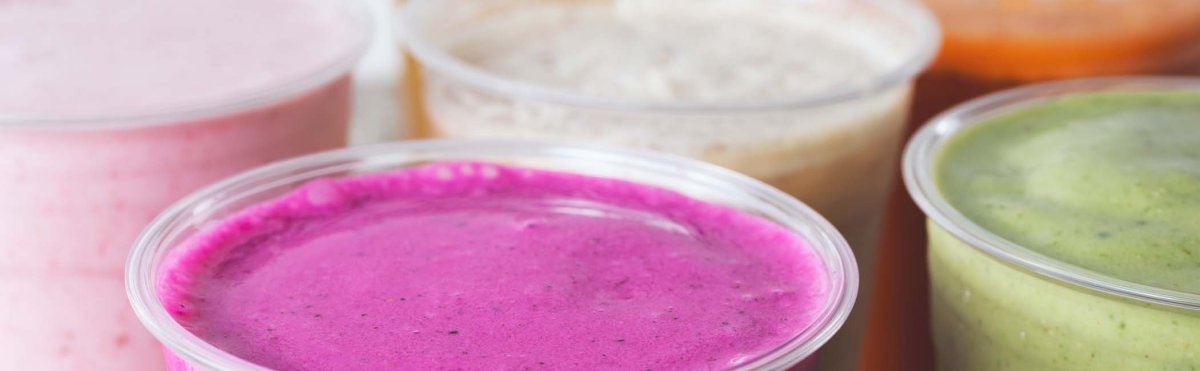
Moʻono Hawaiʻi keeps it simple and affordable. Their mini 8oz bowl runs around $5 — solid acai topped with fresh fruit and granola. Good for a quick hit when you don’t want to spend $16 on an oversized bowl you can’t finish.
Made in Hope Cafe is a local favorite where the acai base consistency is closer to ice cream than a smoothie. Thick, dense, and well-blended. Not the most Instagram-famous spot on Maui, which is exactly why it’s good.
Maui Fruit Ninja is a popup stand that rotates locations, offering eight varieties of acai bowls plus fresh-cut tropical fruit. The portions are generous, and the fruit is sourced from local farms.
Brekkie Bowls operates as a food truck. The Superfood Acai Bowl comes topped with housemade granola and toasted coconut. Expect a line on weekend mornings.
Maui Juice Co focuses on cold-pressed juices and wellness shots using local turmeric and ginger from Maui farms. Their turmeric shot with black pepper and lemon is a two-ounce wake-up call. Good for the health-obsessed crowd who want clean, single-ingredient juices rather than sweet smoothies.
Big Island: The Picks
Basik Cafe in Kailua-Kona runs seven different acai bowls, each topped with combinations of almonds, cashews, local honey, and fresh fruit. Clean execution, no gimmicks. The “Basik Bowl” with banana, granola, and honey is the bestseller, but the “Nut Butter Bowl” with almond butter and cacao is better. (Basik Cafe — Tripadvisor)
Under the Bodhi Tree on the Hilo side skews wellness-focused with adaptogenic mushroom smoothies, turmeric-heavy bowls, and spirulina blended into everything. The crowd here is more yoga-retreat than beach-vacation, and the menu reflects it.
The Big Island angle on smoothies is the spirulina. Cyanotech’s Kona facility produces BioAstin astaxanthin and Hawaiian Spirulina used worldwide. Many local juice bars within a 20-mile radius add it to smoothies, and you’re drinking it closer to the source than anywhere else on earth. Ask if they use Kona-grown spirulina — most do.
Kauaʻi: The Gems
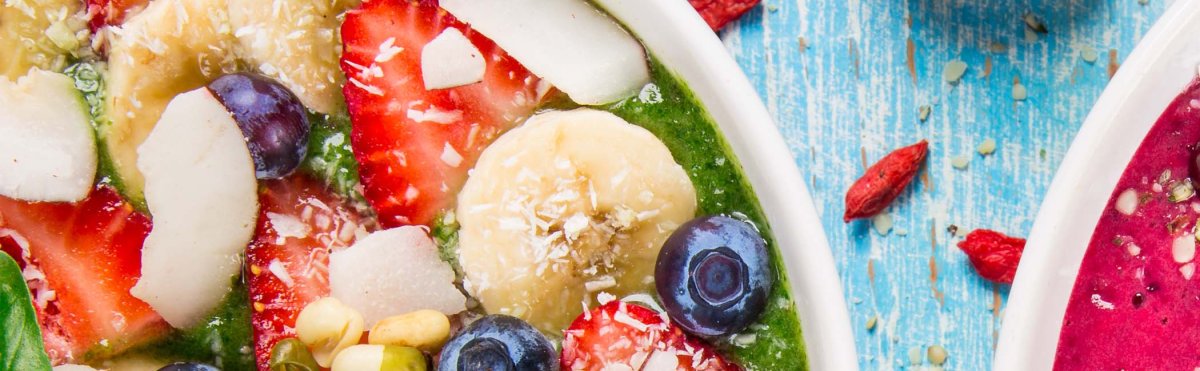
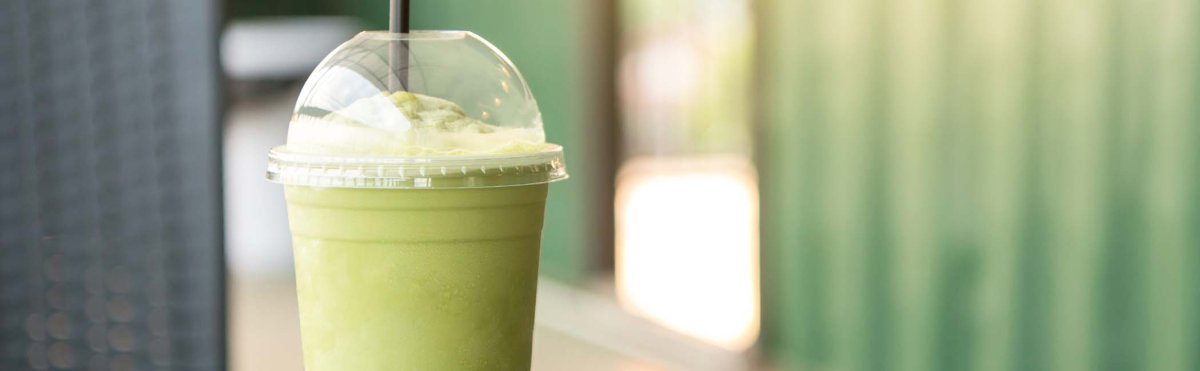
Kalalea Juice Hale makes a “Green Dream” with spinach, kale, banana, pineapple, and coconut milk that converts people who think they hate green smoothies. The banana and pineapple do the heavy lifting on flavor. Solid spot in Anahola.
Aloha Aina Juice Bar blends a “Haleakala Sunrise” — mango, pineapple, banana, coconut water, and turmeric — that works as both breakfast and post-hike recovery. Nothing complicated. Just good fruit and a clean base.
Summer Frappe is the hidden gem on this list. They stock soursop, durian, and lilikoʻi — fruits that most juice bars on other islands won’t touch. The soursop smoothie alone is worth the stop. If you’re adventurous enough for durian in smoothie form, this is your shot. (Summer Frappe Instagram)
Kauai Juice Co takes a different approach: cold-pressed, organic, farm-to-bottle. No smoothies. Just clean juices and wellness shots. Their turmeric-black pepper shot is a local staple. The cold-pressed pineapple-ginger is the easy crowd-pleaser. (Kauai Juice Co)
How to Order Like a Local
Ask for local honey instead of agave. Most spots carry honey from nearby apiaries, and it adds a distinctly floral sweetness that agave can’t match. Some places charge $1 extra. It’s worth it.
Order “Brazilian style” acai. That means just acai, banana, and guarana juice — no granola, no toppings, no drizzle. That’s how it’s eaten in Brazil. Most Hawaiian acai bowls are loaded with extras that mask the acai flavor. If you want to taste the actual berry, go Brazilian style.
Lilikoi anything. If it’s on the menu, order it. The passion fruit grown in Hawaiʻi is more aromatic and complex than the concentrated puree used on the mainland. This applies to smoothies, juices, bowl toppings, and the lilikoʻi butter you’ll find at farmers markets.
The “mini” or “keiki” size is plenty. Most Hawaiʻi juice bars serve generous portions. A small bowl here is the equivalent of a medium or large at a mainland chain. Save money and stomach space by starting small.
Walk two blocks from your hotel. The smoothie counter in the resort lobby charges $14–$18 for a basic blend. Two blocks in any direction on foot, you’ll find a local spot charging $8–$12 for something better, made with fruit from a farm you could drive to. If you need a car to reach the off-resort spots, compare rental rates at Discount Hawaii Car Rental.
More Hawaii Food & Drink
Eat and drink your way across the islands.