
Hawaiʻi is the only state in the U.S. that grows coffee commercially. Four main islands produce it — Big Island, Maui, Kauaʻi, and Oʻahu — and each region tastes different because of elevation, rainfall, soil, and the volcanic slopes the trees grow on. You can visit working farms on all four, and several of the best tours are free.
Most visitors default to “Kona coffee” as shorthand for all Hawaiian coffee. It’s not. Kona is one growing district on one island. Kaʻū, 20 miles south of Kona, has been outscoring it at international cuppings. Kauaʻi grows coffee on an industrial scale that Kona can’t touch. Maui has a boutique estate producing varietals you won’t find anywhere else. Here’s where to go and what to taste.
Big Island: Kona Belt & Kaʻū
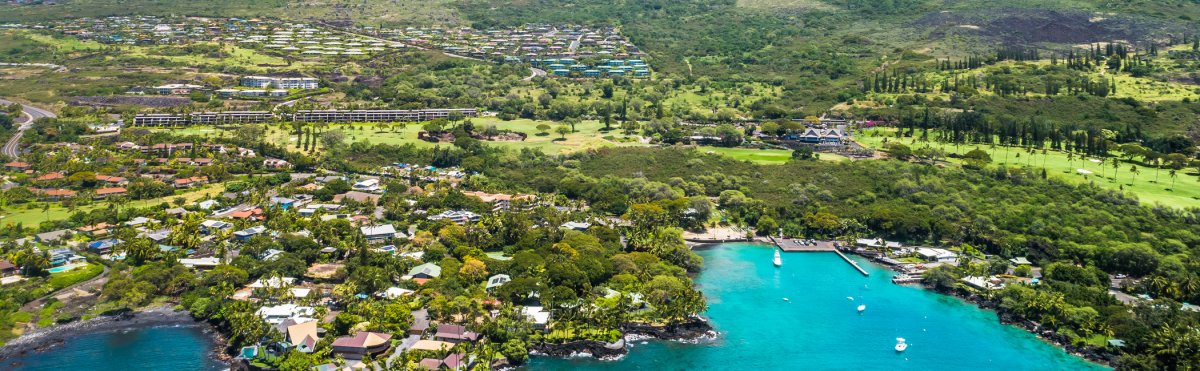
The Big Island has two distinct growing regions, and understanding the difference will change how you shop for beans.
Kona coffee grows on the western slopes of Hualālai and Mauna Loa, in a belt roughly 30 miles long and one mile wide. About 800 farms cultivate around 830 acres at elevations between 1,100 and 2,700 feet. Morning sun, afternoon clouds, and volcanic soil create the conditions that made Kona coffee famous — smooth, mellow, low acidity, with notes of citrus and nuts. The dominant variety is Typica, and it has grown here for over 100 years. (Big Island Coffee Roasters — Hawaiian Coffee Guide)
Kaʻū coffee is the new kid. After the last sugar plantation in the district closed in 1996, farmers converted the land to coffee. The growing region spans about 600 acres on the southern slopes of Mauna Loa, with 20+ farms at elevations between 300 and 2,600 feet. Kaʻū farmers grow a wider range of varieties — Caturra, Yellow Bourbon, Maragogipe, Pacamara — and the flavor profile runs richer and more full-bodied than Kona, with chocolate, cherry, and floral notes. Kaʻū has scored in the top 10 at Specialty Coffee Association cuppings multiple times. (Paradise Roasters — Kona vs. Ka’u)
Best Big Island Coffee Farm Tours
Most Kona coffee farms line up along Highway 11 between Kailua-Kona and Captain Cook. You can hit two or three in a morning without backtracking.
Greenwell Farms (Kealakekua) — Free guided tours daily, 9am–3pm, no reservation needed. The 45–60 minute walk covers the full seed-to-cup process, including their processing facilities. They also grow black pepper, cacao, and bananas on the property. Voted Hawaiʻi’s Best Farm Tour by Hawaiʻi Magazine four times (2021, 2023–2025). A deluxe paid tour adds access to the cupping room, roasting room, and nursery. (Greenwell Farms — Tours)
Mountain Thunder (Kailua-Kona) — Free 20-minute walking tours every half hour, 9:30am–3:30pm daily. Groups under 10 don’t need reservations. Wheelchair accessible. For an extra $10 per family, add their self-guided lava tube and nature walk. (Love Big Island — Kona Coffee Tours)
Heavenly Hawaiian Kona Coffee Farm (Holualoa) — Hourly tours Monday–Saturday, 9am–4pm, starting at $27 per person. Finishes with a tasting on the lanai. They also offer a Paniolo Roasting Experience where you roast beans cowboy-style over a fire and take your custom blend home. (Heavenly Hawaiian)
Rooster Farms — Free tours by reservation, about 30 minutes, with a 100% Kona tasting included. (Love Big Island — Kona Coffee Tours)
Kuaiwi Farm — Coffee and cacao, $50/adult, two hours. Tours by appointment. More in-depth than most. (Love Big Island — Kona Coffee Tours)
Kona Coffee Living History Farm — $100 for up to 4 people. Costumed interpreters, a preserved 1920s farmhouse, and demonstrations of traditional farming methods. This one is more museum than farm tour, and it’s excellent for families. (Love Big Island — Kona Coffee Tours)
Down in the Kaʻū district, Kaʻū Coffee Mill offers free seed-to-cup tours twice daily — growing, milling, roasting, and tasting in one stop. It’s the easiest way to taste Kaʻū coffee at the source. (Ka’u Coffee Mill)
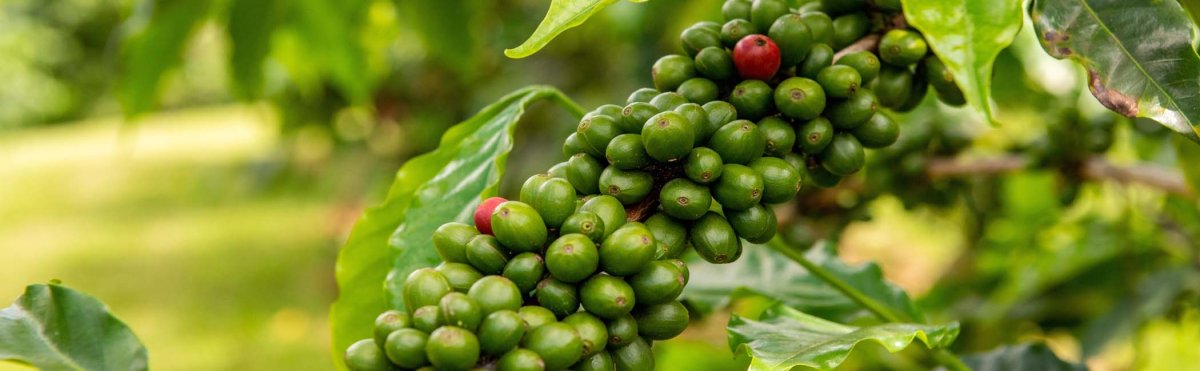
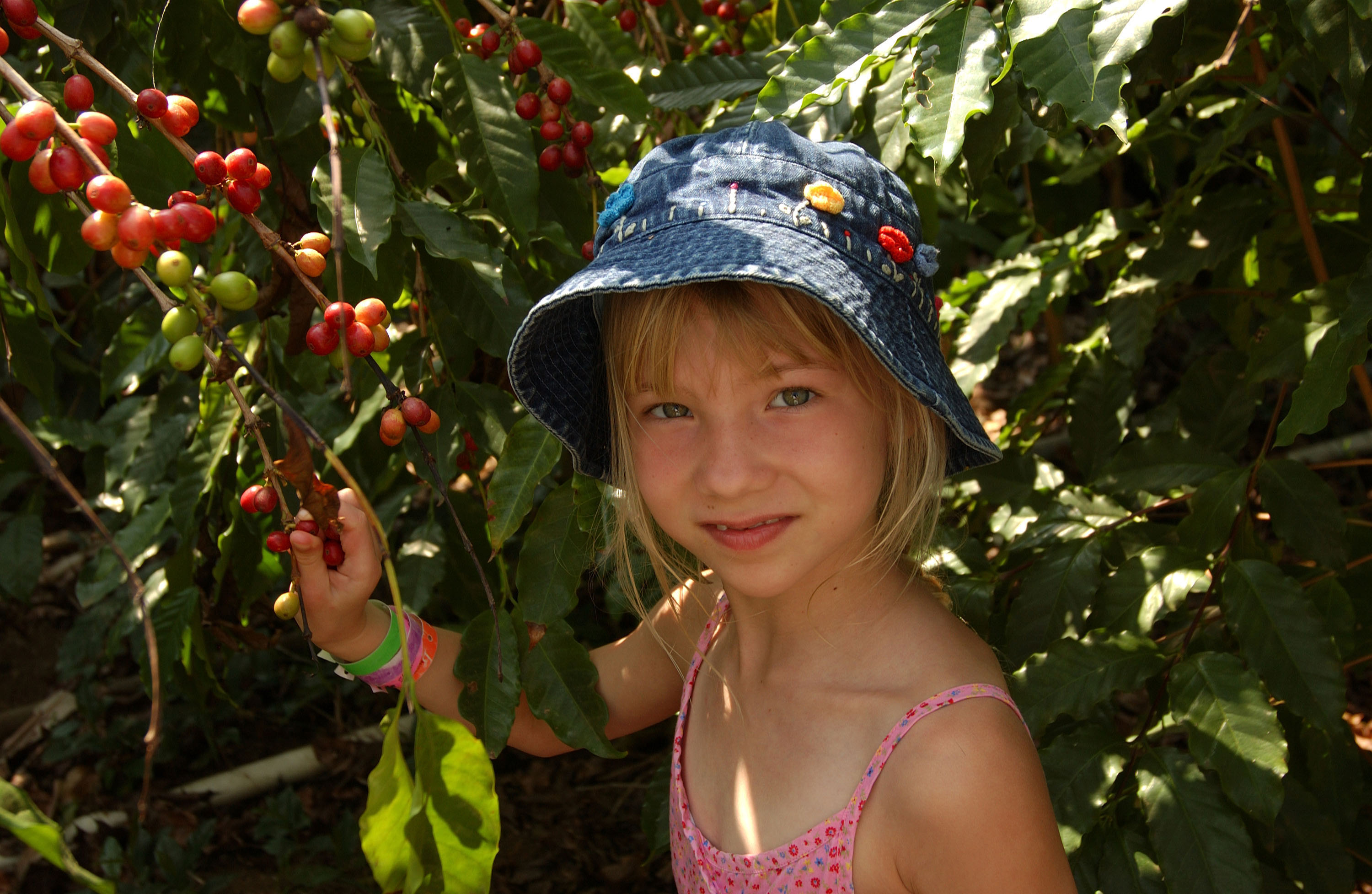
Best time for farm visits: February through August. The coffee cycle runs from blossoming (February–March) to cherry harvest (August–November). Visit during blossom season and the hillsides smell like jasmine — locals call it “Kona snow.” Visit during harvest and you’ll see the bright red cherries being picked by hand. (Konacoffee.com — Harvest Season)
Kauaʻi: The Biggest Farm You've Never Heard Of
Kauaʻi Coffee Company in Kalāheo is the largest coffee grower in the United States. Not just Hawaiʻi — the entire country. Over four million coffee trees spread across 3,100 acres on the island’s south shore, along Highway 540 (locally called Kauaʻi’s Coffee Highway). For scale: all of Kona’s 800 farms combined cover 830 acres. This single estate is nearly four times that. (Kauai Coffee — Visit the Estate)
Self-guided walking tour: Free, no reservation. Wander the paths beneath shade-grown coffee trees, read the interpretive signs, and take your time. The visitor center lets you taste their entire lineup — every variety is 100% Hawaiian, estate-grown, roasted on-site. No imported beans ever touch the facility. Open daily 9am–5pm (summer hours until 5:30pm).
Guided farm tour: $45/adult, $40/children 8–18 (no kids under 8). One hour on an open-air truck, bouncing down red-dirt roads that only harvesters normally travel. You’ll see how coffee is planted, grown, and processed, and finish with the freshest cup you’ll drink on your trip.
The estate sits about 17 miles from Līhuʻe airport, a few miles from Poʻipū, and it makes a natural stop on the way to Waimea Canyon.
Maui: Boutique Estate, Unique Varietals
MauiGrown Coffee operates the Kaʻanapali Coffee Estate on Maui’s west side — roughly 500 acres and the only major producer of 100% Maui-origin coffee in the world. What makes MauiGrown distinct: they grow four Arabica varietals (Yellow Caturra, Red Catuai, Typica, and the rare Maui Mokka), each with its own cup profile. Maui Mokka is the one to look for — small beans, intense chocolate and wine notes, produced in limited quantities. (MauiGrown Coffee — Ka’anapali Farms)
The MauiGrown store is at 277 Lahainaluna Road in Lahaina — call ahead to confirm hours, as the Lahaina area is still recovering from the 2023 wildfire. Tastings available. Farm visits are more personalized given the boutique scale.
Oʻo Farm in Upcountry Maui (Kula) offers a guided seed-to-cup coffee experience starting with French press tasting and coffee-cherry chocolate truffles, followed by a walk through the farm. They also grow produce used in Lahaina restaurants. (O’o Farm — Tours)
Maui Chocolate & Coffee Tours runs guided visits to an organic cacao and coffee farm. Good pairing if you want both chocolate and coffee in one stop. (Maui Chocolate & Coffee Tours)
Oʻahu: North Shore Surprise
Most visitors don’t realize Oʻahu grows coffee. Waialua Estate farms 155 acres of Arabica Typica on the North Shore, on former Dole sugarcane land bordered by the Waiʻanae and Koʻolau mountains. They also maintain a 20-acre cacao orchard. (Waialua Estate)
The farm doesn’t run public tours, but you can buy their coffee (and chocolate) at Island X Hawaii in the Old Waialua Sugar Mill. It’s a good North Shore stop — sample Waialua coffee, browse the shops in the converted mill, and combine it with a trip to Haleʻiwa town.
How to Buy Hawaiian Coffee Without Getting Scammed
This is the section that will save you money. The labeling rules around Hawaiian coffee are loose, and retailers exploit them.
“100% Kona Coffee” means every bean in the bag was grown in the Kona district. This is what you want. Expect to pay $30–$60 per pound, depending on grade.
“Kona Blend” means the bag contains as little as 10% Kona beans. The rest is commodity coffee from Brazil, Colombia, or wherever it’s cheapest that month. A $15 bag of “Kona Blend” at the airport gift shop is 90% not-Kona. That’s changing: Act 198, signed in July 2024, raises the minimum Hawaiian coffee content in blends from 10% to 51% by weight, effective July 1, 2027. Until then, the old rules apply. (Hawaiʻi Coffee Association — Labeling Laws)
The same rule applies to Kaʻū, Maui, and Kauaʻi coffee. If it doesn’t say “100%” before the origin name, check the fine print.
Buy direct from farms. Every farm listed in this article sells bags on-site and online. You’ll pay less than airport shops, the beans are fresher, and you know exactly where they came from. Greenwell, Heavenly Hawaiian, Kauaʻi Coffee, and MauiGrown all ship to the mainland.
Grades matter for Kona. Extra Fancy is the top grade (largest beans, fewest defects, about 20% of the crop), followed by Fancy, then No. 1. Peaberry — a natural mutation where a single round bean forms instead of the usual two flat-sided beans — makes up only about 5% of the harvest and is prized for smooth, concentrated flavor. (Kona Coffee Buzz — Grading System)
Price check. If roasted 100% Kona coffee costs less than $20 per pound, be suspicious. Raw green Kona runs $19–$23/lb before roasting and retail markup. Labels that say “Kona style,” “Kona roast,” or just “Kona” without the word “100%” are red flags.
Planning a Coffee Farm Day
Big Island: Start at Greenwell Farms (free, no reservation) around 9am. Drive north to Mountain Thunder (free, 20 minutes). Finish at Heavenly Hawaiian ($27, with a tasting). Total: a half-day in the Kona coffee belt with two free stops and one paid. Bring cash for bean purchases.
Kauaʻi: Kauaʻi Coffee Company is a single stop that covers everything. The free self-guided tour takes 30–45 minutes. The paid truck tour is an hour. Combine with Waimea Canyon on the same day.
Maui: MauiGrown in Lahaina plus Oʻo Farm in Kula makes a good full-day loop, especially if you’re already heading Upcountry.
Oʻahu: Waialua Estate’s shop at the Old Sugar Mill is a quick stop on a North Shore day trip — pair it with Haleʻiwa, the Dole Plantation, and the North Shore beaches.
A rental car is the only practical way to reach most farms. Compare rates at Discount Hawaii Car Rental.
More Hawaiʻi Food & Farm Experiences
Explore island dining, farm-to-table restaurants, and trip planning.