
Hawaiʻi’s craft beer scene is small, scrappy, and completely unlike what you’ll find on the mainland. Around 20 breweries operate across four islands, and most of them pour beers you can’t get anywhere else — brewed with Kona coffee, lilikoi, coconut, li hing mui, and local honey. Pints run $8–$12 at taprooms. Flights cost $12–$18. That’s cheaper than what resort bars charge for a single Bud Light.
The scene shifted in 2025. A few longtime names closed. Others expanded. One rose from literal ashes. Here’s what’s pouring on each island right now.
Oʻahu: The Biggest Scene, Getting Bigger
Oʻahu has the most breweries in the state, clustered around Honolulu’s Kakaʻako neighborhood and spreading into Kailua, Waikiki, and Chinatown.
Honolulu Beerworks just settled into a much larger space in Kakaʻako. Their Cooke Street IPA and South Shore Stout remain solid, and the expanded taproom means you can actually get a seat on a Friday night. (Honolulu Magazine — Year in Beer 2025)
Waikiki Brewing Company runs two taprooms — the original on Kalākaua Avenue and a second in Kakaʻako. Their Skinny Jeans IPA and Black Strap Molasses Porter are both worth ordering. Full restaurant menus at both spots.
Lanikai Brewing in Kailua keeps a low profile with a dedicated local following. Pillbox Porter (named after the Lanikai Pillbox hike) and Moku Imperial IPA are the standouts.
Aloha Beer Company operates a big beer-hall-style taproom on Queen Street in Kakaʻako. Good for groups.
Beer Lab HI in Aiea focuses on experimental small-batch brews. If you like rotating one-offs and aren’t sure what you’ll get, this is your spot.
The newest addition: Olohana Brewpub by Kalihi Beer found a new home in Chinatown, rebranded, and is brewing on-site again with a bigger food menu. (Honolulu Magazine — Who’s Opening 2025)
Maui: Resilience in a Glass
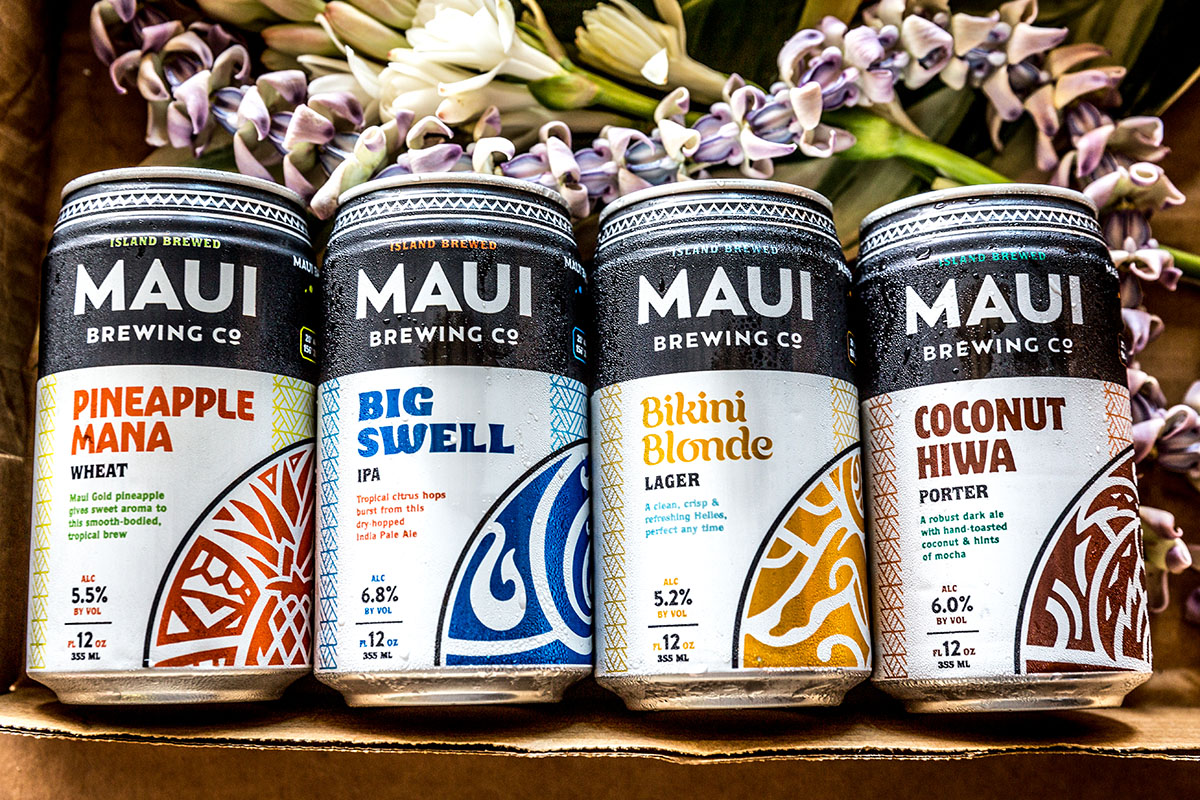
Maui Brewing Co. is Hawaiʻi’s largest craft brewery by volume, and the brand most visitors already recognize. The main brewpub in Kihei has 36+ taps, many exclusive to the taproom. Bikini Blonde Lager, Big Swell IPA, and Coconut Hiwa Porter (made with hand-toasted coconut) are the flagships. MBC was an early adopter of all-can packaging — no bottles — citing environmental reasons for the islands. Tours of the Kihei production facility are available. (Maui Brewing Co.)
The bigger story on Maui is Lāhainā Brewing Co. — formerly Koholā Brewery. The August 2023 Lahaina wildfire destroyed Koholā’s brewery and taproom. Kona Brewing stepped in to brew their core beers while they rebuilt. Less than a year later, Koholā reopened a taproom in Wailea with a full restaurant. In July 2025, they acquired Mahalo Aleworks in Pukalani, giving them on-island brewing capacity again. By September 2025, the company rebranded as Lāhainā Brewing Co. Their five flagship cans — Lahaina Haze IPA, Talk Story Pale Ale, Lokahi Pilsner, Red Sand Amber Ale, and Waterman IPA — still carry the Kohola Series label across the state. (Honolulu Magazine — Koholā Reopens in Wailea)
Wailuku Brew Works is expanding in 2026 with a new Elevate Lounge space for private events and curated tastings. (Wailuku Brew Works)
Koa Brewing in Kihei is close to opening, testing a sandwich menu with homemade sourdough to pair with their brews. (Honolulu Magazine — Who’s Opening)
Big Island: Coffee Stouts and Elevation Ales
Kona Brewing Company in Kailua-Kona is the most famous Hawaiian beer brand globally — but a crucial detail: Kona Brewing was acquired by Anheuser-Busch InBev in 2019. Most Kona beer sold on the mainland is brewed at AB InBev facilities, not in Hawaiʻi. The original Kailua-Kona brewpub still brews some beers on-site, and the pub-only specialties are genuinely good. Pipeline Porter, brewed with 100% Kona coffee, is the one to order. Big Wave Golden Ale and Longboard Island Lager are the easy-drinking staples. (Kona Brewing Co.)
Big Island Brewhaus in Waimea sits at roughly 2,700 feet — one of the highest-elevation breweries in the country. Small brewpub, strong lineup. Overboard IPA and White Mountain Porter are the picks. They use local honey from Big Island apiaries in several brews. (Big Island Brewhaus)
Ola Brew Co. in Kailua-Kona is the one doing something genuinely different. They produce beer, hard cider, and hard seltzer using locally grown Big Island fruits — lilikoi, guava, mango, pineapple. Their taproom usually has food trucks parked outside. (Ola Brew Co.)
One loss: Hilo Brewing (formerly Mehana Brewing, formerly Hawaiʻi Nui Brewing) closed after the unexpected passing of co-owner Ron Jeffries in late 2024. It was one of the oldest brewery operations in the state. (Honolulu Magazine — Year in Beer 2025)
Kauaʻi: A Scene in Transition
Kauaʻi’s beer scene took a hit in 2025 when Kauaʻi Beer Company in Līhuʻe closed its taproom and restaurant. Their draft beer may still show up on tap around the island until existing kegs run out, but the brewery itself is done. (Honolulu Magazine — Year in Beer 2025)
Kauaʻi Island Brewing Company in Port Allen is still operating, with a brewpub near the harbor. Lilikoi Ale and Captain Cook IPA are solid choices, and the location works well as a stop before or after a Nā Pali Coast boat tour. (Kauaʻi Island Brewing)
The bright spot: Hawaiʻi Standard Time Brewing is slated to open in Līhuʻe in 2026, filling the gap left by Kauaʻi Beer Co. Keep an eye on this one. (Honolulu Magazine — Who’s Opening)
The Local Ingredients That Set Hawaiʻi Beer Apart
What makes Hawaiʻi’s craft beer scene distinct from Portland or San Diego or Asheville isn’t the hop profiles. It’s the ingredients growing in the backyard.
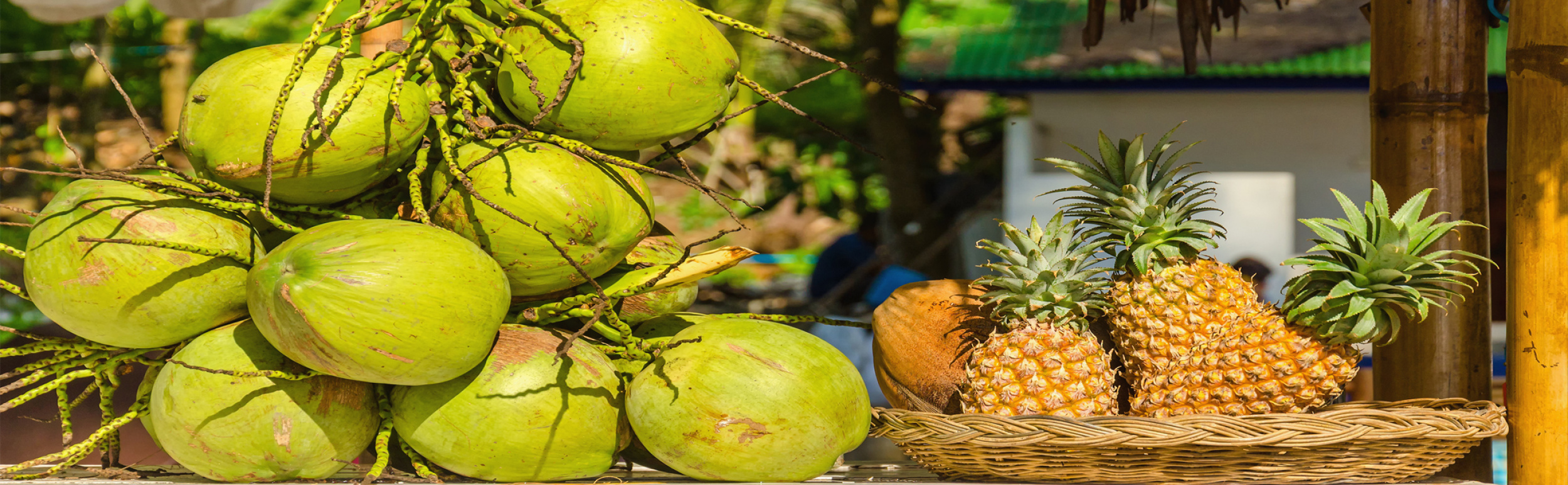
Kona coffee goes into porters and stouts across the islands. Kona Brewing’s Pipeline Porter is the most famous example, but smaller breweries do it too. Coconut shows up in porters — Maui Brewing’s Coconut Hiwa uses hand-toasted coconut that’s noticeable without being sweet. POG (passion fruit, orange, guava), a classic Hawaiian juice blend, gets added to IPAs and wheat beers. Li hing mui — the salty dried plum powder found in every crack seed shop — appears in sour ales. Kauaʻi Beer Co.’s Li Hing Sour was a standout before they closed. Local honey, macadamia nuts, taro, and cane sugar all make appearances in seasonal and specialty releases.
Lighter styles sell best in the tropics. Golden ales, blonde ales, and lagers dominate taproom pours. If you’re used to mainland haze-bomb IPAs, you’ll find the Hawaiian approach leans toward drinkability over intensity.
Practical Tips for a Hawaiʻi Beer Crawl
Order flights. Every taproom offers them — typically 4–6 tasters for $12–$18. A flight covers more ground than committing to a pint of something you’re guessing at.
Drink local at retail, too. Mainland craft beer gets expensive in Hawaiʻi because everything ships by container. A six-pack of Maui Brewing at a grocery store runs $10–$14. A comparable mainland IPA might hit $16–$18. Local is fresher and usually cheaper.
Check taproom hours before driving. Smaller breweries keep limited hours — some close Mondays and Tuesdays, some only open afternoons. Don’t assume.
Skip the resort bar for craft beer. A single pint at a hotel bar can run $14–$16. Taprooms charge $8–$10 for the same quality, and you’re drinking it 20 feet from where it was brewed.
The beer festivals are worth timing a trip around. The Kona Brewers Festival typically runs in March. The Maui Brewers Festival happens at the Maui Arts & Cultural Center, usually in spring. Both feature 30+ breweries, local food, and live music.
Getting between breweries on any island means having a car. Compare rental rates at Discount Hawaii Car Rental — especially useful if you’re hitting taprooms outside the resort zones.
The State of Hawaiʻi Beer in 2026
The numbers aren’t huge. Hawaiʻi doesn’t have 200 breweries like Colorado or 400 like California. Around 20 operations serve a state of 1.4 million residents plus roughly 10 million annual visitors. Shipping costs for grain, hops, and equipment are brutal. Rent is brutal. Everything about running a small business in Hawaiʻi is harder than it needs to be.
But the breweries that survived 2025’s closures are expanding, not contracting. Honolulu Beerworks has more space. Lāhainā Brewing rebuilt from a wildfire. New spots are opening on Kauaʻi and Maui. The beer itself keeps getting better — more local ingredients, more creativity, fewer attempts to clone mainland trends.
Order a flight. Start with whatever has Kona coffee or lilikoi in it. Go from there.
More Hawaiʻi Food & Drink
Explore island dining, farm experiences, and trip planning.