
The Big Island is Hawaii's best-kept budget secret. While Maui and Oahu get most of the tourism attention (and the prices that come with it), the Big Island quietly offers the most affordable Hawaiian island experience — especially on the Hilo side.
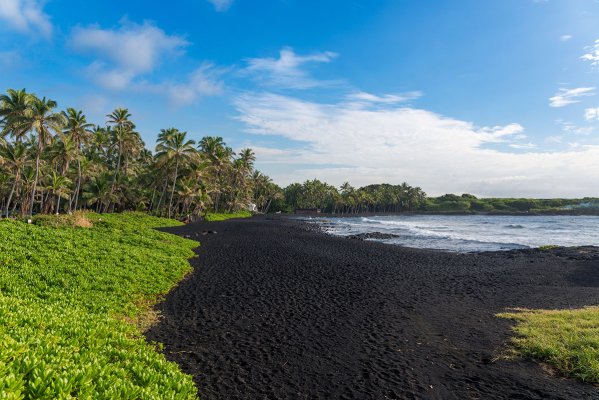
This is the island of contradictions: it has active volcanoes and snow-capped mountains, black sand beaches and green sand beaches, dry desert coasts and dripping rainforests. It's twice the size of all the other Hawaiian islands combined. And because tourism is more spread out and less resort-driven than Maui or Oahu, the prices reflect that.
Hilo — the island's county seat and the rainier east side — has hotel rooms under $100/night, plate lunches for $10, and a farmers market that runs four days a week. The Kona side is drier, sunnier, and more tourist-oriented (read: pricier), but even there, budget options exist. Hawaii Volcanoes National Park, the island's headliner attraction, costs $30/vehicle and delivers days of free hiking, lava landscapes, and some of the most unique terrain on the planet.
This guide walks through how to do all of it affordably. Start with the Hawaii Trip Cost Calculator or the Hawaii Cost Explorer for your personalized estimate.
When to Visit the Big Island for the Best Deals
The Big Island's pricing follows the statewide pattern — peak December through March and June through mid-August — but the swings are less dramatic than on Maui or Oahu. The resort corridor along the Kohala Coast (Waikoloa, Mauna Lani) does spike significantly in peak season, but Hilo and Kona town stay relatively affordable year-round.
Best value: May through mid-June, and September through mid-November. Shoulder season on the Big Island means Kona-side hotel rates drop 20–30%, Hilo-side rates barely change (they're already low), and flights from the West Coast to Kona (KOA) or Hilo (ITO) dip to their yearly lows.
September and October are optimal. The Kona side is dry and sunny (it's almost always dry and sunny), the Hilo side gets less rain than its winter peak, and visitor counts are at annual lows. Rental car prices drop to $35–$55/day.
One Big Island advantage: the weather is remarkably consistent. The Kona Coast gets less than 15 inches of rain per year — it's essentially a desert climate with reliable sunshine. Hilo gets 130+ inches annually, mostly as brief afternoon showers. This split means you can always find good weather somewhere on the island, regardless of season.
Winter does bring humpback whale watching opportunities (November through April) and the best Mauna Kea stargazing conditions (clear, dry winter nights). If those matter to you, January and February are worth the slightly higher prices on the Kona side.
Finding Cheap Flights to the Big Island
The Big Island has two airports: Kona International Airport (KOA) on the west side and Hilo International Airport (ITO) on the east side. Most mainland visitors fly into Kona, which receives more direct flights and is closer to the resort areas. Hilo is served primarily by interisland flights, though some direct routes from the West Coast exist.
Kona (KOA)
Direct flights from Los Angeles, San Francisco, Seattle, and Portland on Hawaiian Airlines, Alaska Airlines, Southwest, and United. Pricing is comparable to Maui — $300–$450 round trip from the West Coast in shoulder season, $450–$650 from the East Coast. Southwest runs frequent sales on Kona routes; sign up for alerts.
Hilo (ITO) — the budget play
Fewer direct mainland flights means slightly higher fares to Hilo. But here's the strategy: fly into Honolulu on a cheap mainland fare, then catch a Southwest or Hawaiian interisland flight to Hilo for $60–$90 one way. The total is often $50–$100 cheaper than flying direct to Kona. Plus, Hilo is where the cheapest accommodations are. If your goal is "cheapest possible Big Island trip," this is the entry point.
Two-airport strategy
The Big Island is large enough that an open-jaw flight makes sense: fly into Kona, explore the west side, drive across to the east side and Volcanoes National Park, then fly out of Hilo (or vice versa). This avoids backtracking across the island on your last day. Check pricing for one-way flights — sometimes two one-ways cost less than a round trip.
Where to Stay on the Big Island Without Overspending
The Big Island's two-coast split creates a clear budget map. Hilo side: cheap. Kona side: moderate. Kohala Coast resorts: expensive. Pick your base wisely.
Hilo: Hawaii's most affordable town
Hilo is the cheapest base in all of Hawaii. Hotels like the Hilo Hawaiian Hotel and the Grand Naniloa (a DoubleTree) run $90–$140/night with bay views. Budget motels on Banyan Drive start under $80/night. Vacation rentals in Hilo neighborhoods average $80–$120/night for a one-bedroom with kitchen.
Hilo puts you 30 minutes from Hawaii Volcanoes National Park, has the best farmers market in the state, and is surrounded by waterfalls and rainforest hikes. The trade-off: it rains. A lot. But it's warm rain, usually in the afternoon, and mornings are often clear. Pack a rain jacket, not an umbrella — you'll be fine.
Kona town and surroundings
Kailua-Kona is the Big Island's main tourist hub — sunnier, drier, and more resort-adjacent than Hilo. Budget hotels along Ali'i Drive like the King Kamehameha's Kona Beach Hotel and the Royal Kona Resort run $130–$180/night. Vacation rentals in Kona town and Keauhou start around $100–$150/night. The Ali'i Villas and Kona Reef condos have units in the $90–$120/night range on booking platforms.
Kona is a 2.5-hour drive to Volcanoes National Park, but it's close to the Kohala Coast beaches, Kealakekua Bay (the best snorkeling on the island), and Mauna Kea access roads.
Volcano Village
For a unique budget stay, the small community of Volcano Village sits at 4,000 feet elevation right outside Hawaii Volcanoes National Park. Bed and breakfasts and vacation rentals here run $90–$140/night. The climate is cool and misty — bring long pants and a fleece. You're walking distance to the park entrance, which means you can do sunset lava viewing and early-morning crater hikes without a long drive. Several B&Bs include breakfast.
Camping: the Big Island's biggest budget lever
The Big Island has more campgrounds than any other Hawaiian island.
Hawaii Volcanoes National Park has two drive-in campgrounds: Kulanaokuaiki (primitive, 5 sites, free, first-come basis) and Namakanipaio ($15/night, reservable, with restrooms). Both put you inside the park for next-day hiking without the entrance drive. The park also has backcountry camping along the coast — apply for a free permit at the visitor center.
Spencer Beach Park (Kohala Coast) is a county campground on one of the best swimming beaches on the west side — $20/night per site, showers and restrooms. Hapuna Beach State Recreation Area offers A-frame shelters for $30/night near one of the island's most beautiful white sand beaches. Kohaihai (Kalopa State Recreation Area) near Hamakua is a cool, forested inland campground at 2,000 feet — $30/night.
County camping permits: apply through Hawaii County at the county parks website. $20/night for most sites. Book at least a week in advance for popular spots.
Getting Around the Big Island: A Car Is Non-Negotiable
You need a rental car on the Big Island. This is the largest island in the chain — 4,028 square miles, roughly the size of Connecticut. Distances are real. Kona to Hilo is 2.5 hours. Kona to Volcanoes National Park is 2.5–3 hours. The Hele-On Bus exists but runs a handful of routes with limited frequency. It's not viable for sightseeing.
Rental cars
Good news: Big Island rental cars are usually the cheapest in Hawaii. Discount Hawaii Car Rental shows Kona and Hilo rates. Expect $35–$55/day in shoulder season for a compact, $55–$85/day in peak. Picking up in Hilo is sometimes $5–$10/day cheaper than Kona.
Gas is $4.50–$5.50/gallon. Fill up in Kona or Hilo before heading to remote areas. Gas stations along the Hamakua Coast and near Volcanoes are fewer and more expensive. Budget $15–$25/day for gas depending on your route.
Driving tips
The Saddle Road (Daniel K. Inouye Highway/Route 200) connects Kona and Hilo across the middle of the island in about 1.5 hours — the fastest route between coasts and the access road for Mauna Kea. It's a well-paved, scenic drive through lava fields between two 13,000-foot mountains. The coastal route (Highway 19 through the Hamakua Coast) takes 2.5 hours but passes through dramatically different landscapes — waterfalls, tropical valleys, old sugar towns.
Don't try to see the whole island in one day. Split your trip: 2–3 days on the Kona/Kohala side, 2–3 days on the Hilo/Volcano side. Moving your base from Kona to Hilo mid-trip eliminates hours of repeat driving.
Eating Well on the Big Island Without Spending Big
The Big Island's food scene divides along the same line as everything else: Hilo is cheap, Kona is moderate, and the resort areas are expensive. Hilo in particular has some of the best affordable eating in the entire state.
Hilo: budget food paradise
Suisan Fish Market on the Hilo bayfront sells some of the freshest poke in Hawaii — $14–$17/lb, served from a counter where commercial fishermen bring their catch the same morning. Get a poke bowl for $12–$14. Cafe 100 has been serving loco moco (hamburger patty, rice, fried egg, gravy) since 1946 — 30+ varieties from $5–$9. It's a Hilo institution. Ken's House of Pancakes is open 24 hours with full meals for $10–$14 — the Hawaiian sweet bread French toast is worth waking up for.
Hilo Bay Cafe does a solid lunch for $14–$18. Puka Puka Kitchen serves Japanese-Hawaiian lunch plates from $10–$13. The Hilo Farmers Market (Wednesday and Saturday mornings for the big market, smaller markets on other days) sells prepared food, tropical fruit, and produce at excellent prices — a papaya for $1, a bag of rambutan for $5, fresh poi for $3.
Kona side
Da Poke Shack on Ali'i Drive is the most awarded poke on the island — bowls from $12–$16. Big Island Grill in Kona does massive plate lunches for $12–$15 (the shoyu chicken is a local favorite). Scandinavian Shave Ice on Ali'i Drive has the best shave ice on the west side ($6–$8). For breakfast, Annie's Island Fresh Burgers in Waimea does exactly what the name suggests, with local beef, from $13–$16.
Grocery stores
Costco Kona (on the highway near the airport) is the first stop. Same strategy: stock up on water, snacks, breakfast supplies, and deli items. KTA Super Stores is the Big Island's local chain — locations in Hilo, Kona, Waimea, and Keaau. Good poke counter, local products, and reasonable island prices. Sack N Save in Hilo has the lowest grocery prices on the east side. Target in Kona has mainland-ish pricing on basics.
Daily food budget
Hilo side: grocery breakfast ($3–$5) + farmers market or poke for lunch ($10–$14) + cook dinner or cheap eat out ($8–$14) = $21–$33/day. Kona side: add $5–$8/day for slightly higher restaurant prices. Overall Big Island daily food budget: $25–$40 per person.
Free and Cheap Things to Do on the Big Island
The Big Island has the highest ratio of free experiences to paid ones in Hawaii. The main attraction — an active volcano — costs $30 for a vehicle pass good for seven days. Most of the island's beaches, hikes, waterfalls, and scenic points cost nothing.
Hawaii Volcanoes National Park
Hawaii Volcanoes National Park ($30/vehicle, valid 7 days) is the Big Island's must-see and the best value in Hawaii tourism. Crater Rim Drive loops around Kilauea Caldera with multiple free overlooks. The Kilauea Iki Trail (4 miles) descends through rainforest into a solidified lava lake — it's like walking on another planet. Devastation Trail (1 mile, paved) crosses a cinder field from a 1959 eruption. The Thurston Lava Tube (Nahuku) is a walk-through tunnel formed by flowing lava — free, short, and fascinating.
The Chain of Craters Road descends 3,700 feet from the summit to the coast through miles of lava flows from different decades. At the bottom, the Holei Sea Arch and the Pu'u Loa Petroglyphs (a 1.5-mile round trip to thousands of ancient Hawaiian rock carvings) are both free. After dark, the Kilauea Caldera often glows from volcanic activity — visible from multiple overlooks along Crater Rim Drive. Free, unforgettable.
Beaches
Hapuna Beach on the Kohala Coast is a half-mile of white sand regularly ranked among Hawaii's best — $10 parking (free if you arrive early and park along the road). Punalu'u Black Sand Beach is free and famous for its jet-black volcanic sand and the green sea turtles that haul out on the shore. Kua Bay (Manini'owali Beach) is a stunning white sand cove on the Kona coast — free, with turquoise water and good bodysurfing.
Papakolea (Green Sand Beach) is one of four green sand beaches in the world. The 5-mile round trip hike to reach it is flat but exposed — bring water and sun protection. Free, unforgettable. Makalawena Beach north of Kona requires a 20-minute walk over lava rock but rewards you with empty white sand and clear water. Free.
Hikes and waterfalls
Akaka Falls State Park ($10/vehicle) features an easy half-mile loop through tropical jungle to a 442-foot waterfall — one of the tallest accessible falls in Hawaii. Rainbow Falls in Hilo is a roadside waterfall that earns its name on sunny mornings — free, 2-minute walk from parking. Pe'epe'e Falls and the Boiling Pots are just upstream — free, less crowded.
Pololu Valley Lookout at the northern tip of the island provides a dramatic view of a black sand beach and towering sea cliffs. Free. A steep 20-minute trail descends to the beach. Waipio Valley Lookout is another jaw-dropper — a 2,000-foot-deep valley with waterfalls and taro fields. The lookout is free; hiking into the valley is a steep 1-mile trail (road access by guided tour only).
Stargazing
Mauna Kea (13,796 feet) is one of the best stargazing sites on Earth. The summit road is free to drive — you'll need a 4WD vehicle and should acclimate at the Visitor Information Station (VIS) at 9,200 feet, which hosts free stargazing programs on most evenings (check their schedule). The VIS program includes telescopes and knowledgeable astronomers — a world-class experience that costs nothing.
Snorkeling
Kealakekua Bay is the Big Island's premier snorkeling spot — a marine sanctuary with the clearest water and most abundant reef life on the island. Access by kayak or a moderate hike down the Captain Cook Monument Trail (4 miles round trip, free). Two Step (Honaunau Bay) next to Pu'uhonua o Honaunau (Place of Refuge) is an easy shore entry with excellent coral and tropical fish — free. Kahalu'u Beach Park in Kona has a shallow reef close to shore, perfect for beginners — free.
Worth the Splurge: Two Experiences That Justify the Cost
A manta ray night snorkel or dive ($80–$130). Off the Kona coast, giant manta rays (12–16 foot wingspans) feed on plankton attracted by underwater lights. You float on the surface while these gentle giants glide inches below you. It's one of the most surreal wildlife encounters in the world and only happens here. This is the one paid experience on the Big Island that cannot be replicated for free. Compare Big Island manta ray tours on Viator.
A Mauna Kea summit sunset and stargazing experience ($70–$200 guided, or free DIY). Driving to the summit of Mauna Kea for sunset above the clouds, then descending to the Visitor Information Station for free stargazing, is a once-in-a-lifetime experience. You can do this for free if you have a 4WD vehicle. Guided tours ($150–$200) provide parkas, warm drinks, telescopes, and expert narration, plus handle the mountain driving for you. If you're not comfortable driving a 4WD on a steep mountain road at altitude, the guided option is money well spent.
Sample Daily Budgets: What the Big Island Actually Costs
Per-person, per-day estimates based on 2026 Big Island prices. Accommodation assumes double occupancy.
Shoestring Budget: $70–$95/day per person
- Sleep: Camping or budget Hilo motel ($15–$80/night = $8–$40/person)
- Food: Grocery-heavy + one plate lunch or poke bowl ($21–$30)
- Transport: Rental car split ($20–$30/person incl. gas)
- Activities: Free beaches, hikes, Volcanoes NP ($0–$8)
- Misc: Sunscreen, water, snacks ($5–$10)
Comfortable Budget: $140–$195/day per person
- Sleep: Budget hotel or vacation rental ($90–$150/night = $45–$75/person)
- Food: Mix of cooking and eating out ($30–$45)
- Transport: Rental car ($25–$40/person incl. gas)
- Activities: Volcanoes NP + Akaka Falls + free hikes ($15–$25)
- Misc: Coffee, shave ice, incidentals ($10–$15)
Moderate Budget: $235–$330/day per person
- Sleep: Mid-range Kona hotel or nice vacation rental ($170–$250/night = $85–$125/person)
- Food: Eat out most meals ($50–$75)
- Transport: Rental car ($30–$45/person incl. gas)
- Activities: Manta ray tour + Volcanoes NP + snorkel spots ($55–$75)
- Misc: Souvenirs, drinks, incidentals ($15–$25)
Get your personalized estimate with the Hawaii Trip Cost Calculator or the Hawaii Cost Explorer.
Budget Mistakes to Avoid on the Big Island
Staying only on the Kona side. Kona is where most visitors default — it's sunny and has the airport. But Hilo is significantly cheaper for accommodation and food, and it's the gateway to Volcanoes National Park, waterfalls, and the Hamakua Coast. A split-base trip (3 nights Kona, 3 nights Hilo) saves money and cuts driving time.
Underestimating driving distances. The Big Island is big. Kona to Hilo: 2.5 hours. Kona to Volcanoes: 2.5–3 hours. Kona to Pololu Valley: 1.5 hours. Don't plan three activities in three different corners of the island on the same day. You'll spend more on gas and time than on the activities themselves.
Paying for a helicopter tour before visiting Volcanoes on foot. Helicopter tours run $250–$400/person. They're beautiful, but Hawaii Volcanoes National Park gives you ground-level access to craters, lava tubes, steam vents, and coastal lava flows for $30/vehicle. Spend two full days in the park on foot before deciding if an aerial view is worth the extra $250.
Skipping the Hilo Farmers Market. The Wednesday and Saturday markets at the Hilo Farmers Market are the best in the state — fresh tropical fruit, prepared food, coffee, honey, and local crafts at prices that make supermarkets look overpriced. A $15 market haul covers breakfast and snacks for two days.
Not budgeting for gas. The Big Island's size means you'll spend $15–$25/day on fuel. This adds up over a week. Don't forget to include it in your daily budget. Fill up in Kona or Hilo where prices are lowest. Avoid the small-town stations near resorts.
Buying a $200 Kona coffee farm tour. Drive through the Kona Coffee Belt (Holualoa to Captain Cook) yourself and stop at farms that offer free tastings. Greenwell Farms, Hula Daddy, and Mountain Thunder all give free tours or tastings. Buy a bag directly and you're supporting the farm at a fraction of tour-company prices.
Plan Your Budget Big Island Trip
The Big Island is the most affordable Hawaiian island for travelers willing to venture beyond the resort corridor. Hilo's cheap accommodation, the massive free value of Volcanoes National Park, and the island's less tourism-dependent pricing structure mean you can do a week here for $500–$700 per person all-in (camping and cooking) or $1,000–$1,400 (budget hotels and mixed eating). That's less than most people spend on three days in Waikiki.
The island also has the most geographic diversity of any Hawaiian island. Active volcanoes, black and green sand beaches, snow-capped mountains, rainforests, desert coasts, waterfalls, and world-class stargazing — all accessible in a single trip. You're getting more variety per dollar here than anywhere else in Hawaii.
Start planning with the Hawaii Trip Cost Calculator or the Hawaii Cost Explorer. Or compare other islands:
Get Your Free Big Island Guide
Instant access — opens immediately
- Beaches, activities & top spots
- Restaurant & dining recommendations
- Maps, itineraries & insider tips
Want the full offline version? Get the Complete Big Island Guidebook →