
Oahu gets a bad rap as the expensive island. And yes, if you park yourself in a Waikiki resort, eat every meal at a restaurant, and sign up for every organized tour, you can blow through money fast. But that version of Oahu is optional.
The island that 70% of Hawaii visitors choose first is also the most budget-friendly — if you know where to look. Oahu has the only real public transit system in Hawaii, the densest concentration of free beaches and hikes, a plate lunch culture that feeds you for under $12, and enough grocery stores and farmers markets to keep a self-catering traveler well-fed for a fraction of restaurant prices.
This guide covers every angle: when to fly, where to stay, how to eat, what to do for free, and where the few dollars you do spend will stretch furthest. Real prices, real places, no fluff. Whether you're backpacking through on $80 a day or traveling comfortably on $200, Oahu can work for your wallet.
Use our Hawaii Trip Cost Calculator to plug in your dates and travel style for a personalized estimate, or try the Hawaii Cost Explorer for an interactive breakdown of what everything costs.
When to Visit Oahu for the Best Deals
Oahu's peak season runs mid-December through March and again during summer (June through mid-August). These windows bring the highest airfare, the priciest hotels, and the most crowded beaches. Avoid them if your budget matters more than your calendar.
The sweet spot: mid-April through mid-June, and September through mid-November. These shoulder seasons deliver the best combination of lower prices and good weather. You'll find hotel rates 30–40% below peak pricing, airfare drops of $100–$200 round trip from the West Coast, and far fewer crowds at popular spots like Hanauma Bay and Diamond Head.
September and October are particularly good. Airfare from Los Angeles or San Francisco often drops below $300 round trip. Hotels in Waikiki that run $250+ in peak season regularly list at $140–$180. The trade winds keep temperatures comfortable (mid-80s), and the rain — while slightly more frequent — is usually short-lived afternoon showers on the windward side.
One caveat: late August through early September brings slightly higher humidity and the occasional tropical weather system. But that's also when you'll find some of the best hotel deals of the year, especially during the post-Labor Day lull before fall break travel picks up.
The worst time for your wallet: Christmas through New Year's. Hotel rates double or triple, minimum-stay requirements kick in, and flights from the mainland regularly exceed $700 round trip.
Finding Cheap Flights to Oahu
Daniel K. Inouye International Airport (HNL) in Honolulu is the most heavily served airport in Hawaii. More competition means more deals — this is the easiest island to find cheap flights to.
Best origin airports
The cheapest routes to Honolulu consistently originate from West Coast cities. Los Angeles (LAX), San Francisco (SFO), Oakland (OAK), San Jose (SJC), Seattle (SEA), and Portland (PDX) all see regular fare sales in the $250–$400 round trip range. Southwest, Alaska Airlines, and Hawaiian Airlines compete aggressively on these routes.
From the East Coast, expect $450–$650 round trip. Direct flights from New York (JFK) on Hawaiian Airlines and Delta can occasionally dip below $400 during fare wars. Connecting through a West Coast hub is almost always cheaper than a direct flight from cities like Chicago, Dallas, or Atlanta.
Timing your booking
Book 6–10 weeks before your trip for the best prices. Booking too early (4+ months out) rarely gets you the lowest fare — airlines release sale prices closer to departure to fill seats. Set up Google Flights alerts for your dates and wait for the drop. Southwest doesn't appear on Google Flights, so check their site separately.
Mid-week flights (Tuesday through Thursday departures) typically save $50–$100 over weekend flights. Red-eye departures from the West Coast — arriving in Honolulu around 8–9 AM — are often the cheapest options and give you a full first day on the island.
Airline-specific tips
Southwest Airlines flies to Honolulu from several West Coast cities. No change fees, two free checked bags. Their sales are real and frequent — sign up for fare alerts. Hawaiian Airlines offers the most nonstop routes, a solid in-flight experience, and competitive pricing when they match Southwest sales. Alaska Airlines runs good mileage deals if you have their credit card. Budget carriers (Frontier, Sun Country) fly seasonal routes — the base fare looks cheap, but add bags and seat selection and the savings shrink fast.
Where to Stay on Oahu Without Overspending
Waikiki dominates Oahu's hotel scene, and while it's not the cheapest neighborhood, it's where budget travelers get the most value — walkable beaches, restaurants, transit, and nightlife without needing a rental car.
Waikiki on a budget
Skip the beachfront towers. The blocks between Kuhio Avenue and the Ala Wai Canal are full of older, no-frills hotels that run $100–$160/night in shoulder season. Hotels like the Waikiki Banyan, Pacific Monarch, and the White Sands Hotel put you five minutes from the beach at half the price of an oceanfront room. Many have kitchenettes — a serious budget advantage when you can make your own breakfast.
Hostels: Oahu is one of the few Hawaiian islands where hostels are a real option. The Polynesian Hostel Beach Club and HI Honolulu on Seaside Avenue offer dorm beds in the $40–$65/night range, right in Waikiki. Private rooms at hostels run $90–$130. These aren't luxury, but the locations are unbeatable and most include a shared kitchen.
Beyond Waikiki
North Shore: Vacation rentals in Haleiwa and the surrounding area are significantly cheaper than Waikiki hotels, especially for groups. A two-bedroom place in Haleiwa runs $120–$180/night. The trade-off: you'll need a rental car, and the drive to Honolulu is 45+ minutes each way. Best for travelers who want surf, hikes, and a mellow vibe over city convenience.
Windward Side (Kailua/Kaneohe): Vacation rentals near Kailua Beach start around $130–$170/night. Kailua town has solid restaurants and shops, and it's a 25-minute drive through the Pali Highway tunnels to Honolulu. Great middle ground between beach town and city access.
Leeward Side (Kapolei/Ko Olina area): The newer resort corridor west of Honolulu has some hotel deals, but limited dining and activities within walking distance. Only worth it if you score a deal under $150/night.
Camping
Oahu has several county and state campgrounds. Malaekahana State Recreation Area on the North Shore is the standout — beachfront camping for $30/night (tent) with showers and restrooms. County campgrounds like Bellows Field Beach Park (weekends only, military-adjacent) and Kualoa Regional Park offer camping permits at $52 for five days through the City & County of Honolulu. Apply online at camping.honolulu.gov well in advance — popular sites book up weeks out.
Getting Around Oahu: Car vs. Bus vs. Bike
Oahu is the one Hawaiian island where you can genuinely skip the rental car — if you plan around it.
TheBus
Honolulu's public bus system covers the entire island. A one-way fare is $3.00 (exact change or use a HOLO card). A day pass costs $7.50. For a longer stay, a monthly pass is $80. Routes run from Waikiki to the North Shore, Kailua, Pearl Harbor, and everywhere in between. The #52 and #55 circle the island. The #2 runs from Waikiki to downtown and Chinatown every 10 minutes.
Where the bus works: Waikiki to Pearl Harbor (Route #42, 45 minutes), Waikiki to Kailua (Route #56/57, 40 minutes), Waikiki to Ala Moana Center (multiple routes, 15 minutes), Waikiki to Chinatown (Route #2, 25 minutes), and around the North Shore coastal loop.
Where the bus doesn't work well: Getting to remote trailheads, early-morning sunrise trips, and hauling beach gear across the island. If your plan is "Waikiki base with day trips," the bus handles most of it. If your plan is "explore a different corner of the island every day," you'll want a car for at least part of your trip.
Rental cars
If you do need a car, Discount Hawaii Car Rental consistently beats the big agency websites for Oahu rates. Expect $45–$75/day for a compact car in shoulder season, $70–$110/day in peak. Reserve early — Oahu's rental fleet gets tight during busy periods. Factor in parking: Waikiki hotels charge $30–$50/night for parking. Metered street parking in town is $1.50/hour. Beach park parking is free but fills early on weekends.
Bikes and scooters
Biki bikeshare stations dot Honolulu from Chinatown through Waikiki to Diamond Head. A single ride is $4.50 for 30 minutes. A 300-minute pass is $30 — solid for a week of short hops. The flat coastal stretch from Ala Moana to Diamond Head is bikeable. Beyond that, the hills and highway speeds make cycling impractical for most visitors.
Eating Well on Oahu Without Burning Cash
Food is where Oahu's budget-friendliness really shines. The island's plate lunch culture, ethnic diversity, and sheer volume of cheap eats mean you can eat incredibly well for $25–$35 a day if you mix self-catering with local spots.
Plate lunch: your budget best friend
The Hawaiian plate lunch — two scoops rice, macaroni salad, and a protein — runs $10–$14 at most spots and is genuinely a full meal. Rainbow Drive-In near Kapahulu has been doing this since 1961 — mixed plate for $11.50. Ono Seafood on Kapahulu Avenue sells poke bowls that rival anything at twice the price. Helena's Hawaiian Food in Kalihi serves kalua pig and pipikaula (dried beef) that's earned a James Beard Award — plates run $12–$16.
For cheap eats outside Waikiki: Liliha Bakery on Kuakini Street for their famous coco puffs ($1.50 each) and full breakfasts under $12. Marukame Udon in Waikiki has hand-pulled udon noodles from $5.25 (expect a line — it's worth it). Pioneer Saloon near Monsarrat Avenue for garlic shrimp plates at $14.
Grocery stores and cooking
If your accommodation has a kitchen, use it. Breakfast and lunch from groceries saves $20–$30/day over eating out.
Costco Iwilei (near the airport) is your first stop if you're feeding a family or staying more than a few days. Membership required, but a rotisserie chicken ($4.99) and a bag of rice lasts multiple meals. Don Quijote on Kaheka Street (open 24 hours) sells poke by the pound ($12–$16/lb), bento boxes for $6–$9, and a huge Japanese grocery selection. Foodland is the local chain — their poke counter is excellent and they run weekly specials. Walmart on Keeaumoku Street has the lowest prices on staples, but skip their prepared food.
Farmers markets
KCC Farmers Market (Kapiolani Community College, Saturday mornings 7:30–11 AM) is the big one — local produce, honey, baked goods, and breakfast plates. Get there before 9 AM for the best selection. Kailua Farmers Market (Thursday evenings, Sunday mornings) is smaller but less crowded with good prepared food. The Aloha Stadium Swap Meet (Wednesday, Saturday, Sunday) combines a flea market with food vendors — plate lunches for $8–$10.
How to structure your food budget
Breakfast: make it yourself (grocery run: bread, eggs, fruit, coffee = $3–$5/day). Lunch: plate lunch or poke bowl ($10–$14). Dinner: alternate between cooking at your accommodation and eating out. This approach keeps daily food spending around $25–$35 per person.
Free and Cheap Things to Do on Oahu
Oahu's best experiences cost nothing. The island packs more free attractions per square mile than any other in Hawaii.
Beaches (all free)
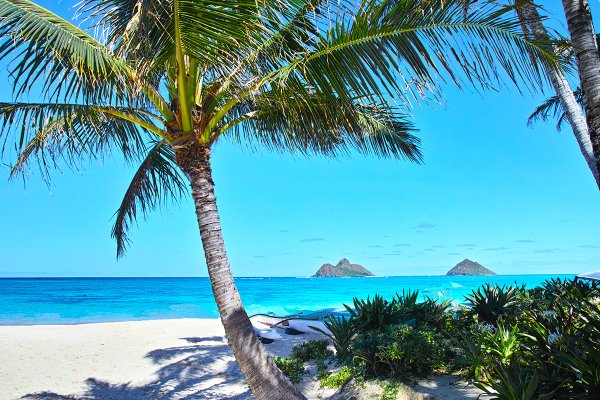
Every beach in Hawaii is public and free to access. On Oahu, the range is staggering. Waikiki Beach is the obvious starting point — two miles of sand with Diamond Head as a backdrop. Lanikai Beach in Kailua is regularly ranked among the world's best — turquoise water, soft sand, views of the Mokulua Islands, and no vendors or high-rises. Sunset Beach on the North Shore has massive winter waves (watch, don't swim unless you're experienced) and calm summer waters perfect for snorkeling.
Kailua Beach Park has facilities, shade, and calm water for families. Ala Moana Beach Park is where locals go — a protected reef creates a calm swimming lagoon, and there's a huge park with picnic areas. Waimea Bay on the North Shore is iconic — perfect for summer swimming and the famous rock jump.
Hikes (free to cheap)
Diamond Head (Leahi) is the signature Oahu hike — 1.6 miles round trip with panoramic views of Waikiki and the coastline. Entry requires a reservation ($5/person). Go early to beat the heat and crowds. Manoa Falls Trail is a 1.6-mile round trip through a rainforest to a 150-foot waterfall. Parking is $7; the trail itself is free. Muddy but worth it.
Koko Head Stairs (1,048 railroad tie steps) is a brutal but rewarding workout with sunrise views that rival any paid experience on the island. Free, no reservation needed. Makapu'u Lighthouse Trail is a paved 2-mile round trip with whale watching opportunities (November–April) and views of the windward coast. Free, family-friendly.
Aiea Loop Trail (4.8 miles) offers ridgeline views without the crowds of Diamond Head. Pillbox Hikes (Lanikai and Ehukai) deliver big views for short efforts — 20–30 minutes up, Instagram-worthy panoramas at the top.
Cultural sites and attractions
Pearl Harbor National Memorial — the USS Arizona Memorial program is free (timed-entry tickets required, released online 60 days in advance at recreation.gov). This is one of the most powerful historical experiences in the Pacific. Tickets go fast — book the day they release.
Iolani Palace grounds are free to walk (the palace tour inside is $27, but the grounds, Coronation Pavilion, and exterior history are worth the stop). The Royal Hawaiian Band plays free concerts on Friday afternoons at the palace bandstand and select other venues. Chinatown is a self-guided cultural experience — temples, herbal medicine shops, art galleries, and the best cheap food on the island.
The Duke Kahanamoku Statue on Waikiki Beach, the Haleiwa town art scene, the Byodo-In Temple in the Valley of the Temples ($5 entry), and Waimea Valley botanical garden ($20, includes waterfall swimming) round out the affordable cultural lineup.
Snorkeling (free with your own gear)
Buy a basic snorkel set at Walmart or Don Quijote ($15–$30) and you've unlocked some of the best snorkeling in the Pacific for free. Hanauma Bay ($25 entry, reservation required) is the most famous spot — a protected marine sanctuary with reef fish guaranteed. Shark's Cove on the North Shore (summer only) is free and has the best tide pool snorkeling on the island. Electric Beach (Kahe Point) near Ko Olina is a local favorite with sea turtles and excellent visibility — free, uncrowded, and off the tourist radar.
Worth the Splurge: Two Experiences That Justify the Cost
Even on a tight budget, there are a couple of Oahu experiences that deliver outsized value for the money.
A catamaran snorkel sail off Waikiki ($45–$65). Several operators launch right from the beach — no transfer needed. You get 2–3 hours on the water, snorkel gear, sea turtle sightings, and views of Diamond Head and the coastline from the water. It's one of those "this is why I came to Hawaii" moments that's worth skipping a few restaurant meals to fund. Browse Oahu snorkel tours on Viator to compare options.
A North Shore food tour (self-guided, $30–$50 in food costs). Drive to Haleiwa and eat your way through: shrimp trucks (Giovanni's or Romy's, $14–$16/plate), shave ice at Matsumoto's ($5), poke from a North Shore fish market, and malasadas from a roadside truck. It's not a ticketed tour — just a plan and a car — and it's one of the best eating days you'll have in Hawaii.
Sample Daily Budgets: What Oahu Actually Costs
These are realistic per-person, per-day estimates based on current (2026) Oahu prices. Accommodation costs assume double occupancy (splitting a room).
Shoestring Budget: $80–$110/day per person
- Sleep: Hostel dorm ($45–$65/night = $22–$32/person)
- Food: Grocery breakfast + plate lunch + cook dinner ($25–$35)
- Transport: TheBus day pass ($7.50)
- Activities: Free beaches, hikes, Pearl Harbor ($0–$5)
- Misc: Sunscreen, water, snacks ($5–$10)
Comfortable Budget: $160–$210/day per person
- Sleep: Budget hotel with kitchenette ($120–$170/night = $60–$85/person)
- Food: Grocery breakfast + eat out lunch and dinner ($40–$55)
- Transport: Mix of bus + occasional rideshare ($10–$20)
- Activities: Hanauma Bay + one paid activity ($30–$40)
- Misc: Shave ice, coffee, incidentals ($10–$15)
Moderate Budget: $260–$350/day per person
- Sleep: Mid-range Waikiki hotel ($200–$280/night = $100–$140/person)
- Food: Eat out for most meals, mix of casual and mid-range ($60–$85)
- Transport: Rental car ($50–$75/day + parking = $40–$55/person)
- Activities: Snorkel tour + cultural site + hike ($50–$65)
- Misc: Souvenirs, drinks, incidentals ($15–$25)
For a personalized breakdown based on your exact dates, group size, and travel style, try the Hawaii Trip Cost Calculator or the Hawaii Cost Explorer.
Budget Mistakes to Avoid on Oahu
Renting a car for your entire trip. If you're staying in Waikiki, you don't need a car every day. Rent one for 2–3 days to hit the North Shore, windward side, and remote hikes. Use TheBus or walk the rest of the time. Waikiki parking fees ($30–$50/night) eat your savings alive.
Eating every meal on Kalakaua Avenue. The main drag in Waikiki is tourist-priced. Walk two blocks inland to Kuhio Avenue or drive to Kapahulu Avenue and prices drop 30–40% for better food. Chinatown and Kalihi are where the real cheap eats are.
Paying for things that are free. You don't need a guided hiking tour on Oahu — the trails are well-marked and maintained. You don't need to rent snorkel gear for $25/day when you can buy a set for $20. You don't need a sunset cruise when every west-facing beach on the island has the same sunset for free.
Booking activities through your hotel concierge. Hotel desks mark up tours by 15–25%. Book directly with operators or through Viator for better prices and cancellation policies.
Skipping grocery stores. Even if you don't have a kitchen, a cooler bag from ABC Stores ($8) and supplies from Don Quijote or Foodland turns your hotel room into a breakfast-and-snack station. That alone saves $15–$20/day per person.
Falling for the luau impulse buy. Luaus run $100–$180 per person. They're a fine cultural experience, but they're not a budget move. If money is tight, attend a free hula show at Kuhio Beach (Tuesday, Thursday, Saturday evenings) instead — it's authentic, beautiful, and costs nothing.
Plan Your Budget Oahu Trip
Oahu rewards budget travelers more than any other Hawaiian island. The infrastructure is here — public transit, hostels, cheap food, free beaches and hikes — in a way it simply isn't on Maui or Kauai. You can genuinely explore this island on $80–$100 a day and have a trip that rivals what someone spending three times that amount experiences.
The key is shifting your spending from the tourist defaults (resort hotels, restaurant meals, guided tours) to the local alternatives (budget hotels, plate lunches, self-guided adventures). The beaches are the same. The sunsets are the same. The aloha is the same. The main difference is your bank balance at the end.
Ready to plan? Use the Hawaii Trip Cost Calculator or the Hawaii Cost Explorer to build a detailed estimate for your specific trip. Or explore our other island budget guides to compare your options:
Get Your Free O'ahu Guide
Instant access — opens immediately
- Beaches, activities & top spots
- Restaurant & dining recommendations
- Maps, itineraries & insider tips
Want the full offline version? Get the Complete O'ahu Guidebook →