
Hawaii with kids is one of the best trips you can take as a family. But the wrong island choice or an overloaded itinerary will turn paradise into a meltdown factory. I’ve watched it happen hundreds of times. The formula that works: one island, seven days, one big activity per day. Everything else is beach time, pool time, shave ice runs, and naps. Start there.
Best Island by Family Type
Every island has a different personality. Match it to your family instead of chasing a generic “best island for kids” answer.
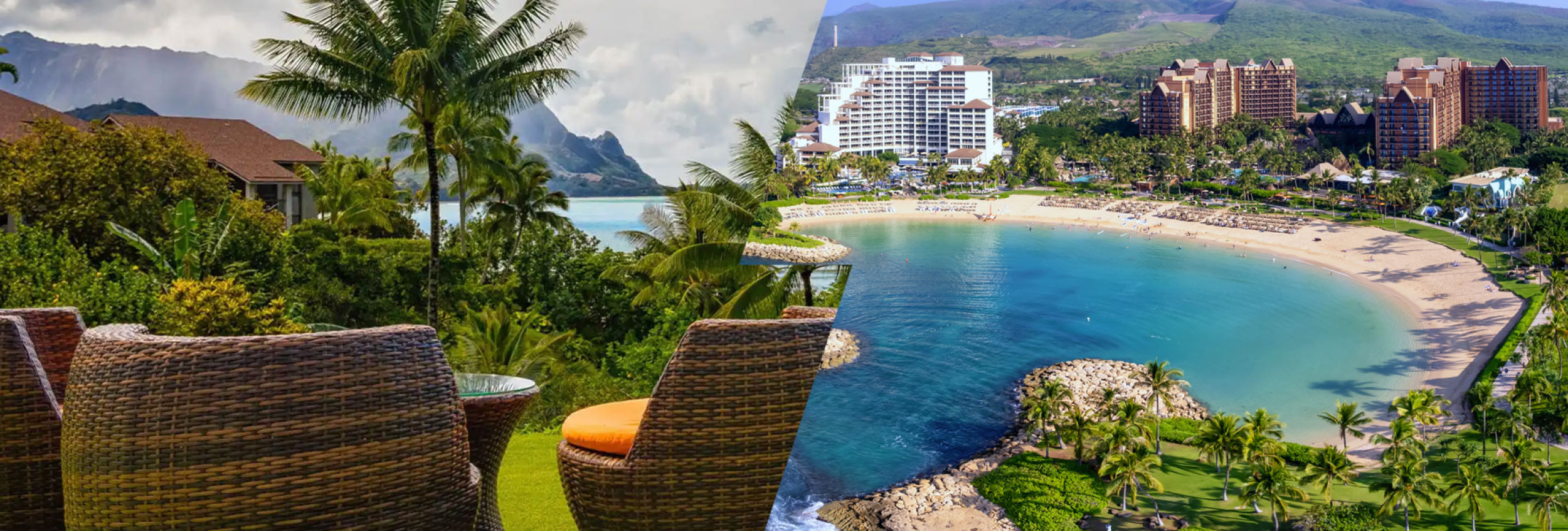
Oahu is best for first-timers and families on a budget. The most activities, the most variety, the most infrastructure. Waikiki is stroller-friendly with flat sidewalks right along the beach. A family of four can save $1,000 or more compared to Maui just on accommodations and food. Disney’s Aulani resort is here if that matters to your crew.
Maui is the best all-rounder for families with kids age 6 and up. Whale watching from December through March is a guaranteed hit. Kapalua Bay has calm, clear water perfect for first-time snorkeling. The Road to Hana is spectacular but comes with a motion sickness warning for younger kids — three hours of switchbacks each way.
Big Island is built for adventurous families. Hawai’i Volcanoes National Park is unlike anything your kids have seen in a textbook. Punalu’u Black Sand Beach has sea turtles resting right on shore. Mauna Kea stargazing programs run year-round. Crowds are thinner here than on Oahu or Maui.
Kauai is ideal for outdoorsy families with older kids and teens. Kayaking the Wailua River, hiking Kalalau Trail (first two miles to Hanakapi’ai), and exploring Waimea Canyon fill a full week. Fair warning: less infrastructure means more driving and fewer restaurant options. That’s a feature for some families and a dealbreaker for others.
Toddlers & Under 5
Little kids don’t need much. They need calm water, short drives, and a schedule that respects nap time. Build your trip around that.
The best beaches for toddlers have protected coves with minimal waves. Poipu Beach on Kauai has a natural wading pool formed by a rock breakwater. Ala Moana Beach Park on Oahu has a reef-protected lagoon with water so still it looks like a swimming pool. Kapalua Bay on Maui is sheltered and shallow at the edges.
Book an outrigger canoe surfing session on Waikiki. These run about 30 minutes, and the guides handle everything while your kid rides gentle waves in a traditional canoe. It’s the one activity that works for every age.
The Honolulu Zoo and Waikiki Aquarium are small enough to see in an hour or two without exhausting anyone. Both are walking distance from most Waikiki hotels.
Skip the long drives. Skip the 5 AM hikes. Skip anything that requires your toddler to sit still for more than 30 minutes. You know your kid. Plan accordingly.
Ages 6–12
This is the sweet spot for Hawaii. Kids are old enough to snorkel, hike short trails, and actually remember the trip.
Snorkeling opens up a new world. Hanauma Bay on Oahu requires reservations and has a short educational video before entry — which actually helps kids understand what they’re seeing. The Molokini Crater boat trip from Maui takes about half a day and puts kids face-to-face with hundreds of fish species in crystal-clear water.
Junior Ranger programs at Volcanoes National Park and Haleakala National Park give kids a booklet of activities tied to the landscape. They earn a badge at the end. It’s free and keeps them engaged during what might otherwise feel like “just another hike.”
Kualoa Ranch on Oahu runs ATV tours and the famous movie site tour through Jurassic Park filming locations. The Ka’a’awa Valley looks exactly like it does on screen. Kids lose their minds here.
The Bishop Museum in Honolulu has live lava-pouring demonstrations and a planetarium. It’s the best rainy-day backup plan on Oahu.
Atlantis Submarines off Waikiki takes you 100 feet underwater in an actual submarine. It’s a tourist trap in the best way. Every kid between 6 and 12 will rank it as a highlight.
Teens
Teens need to feel like they’re doing something real, not following mom and dad around on a guided bus tour. Give them adrenaline and autonomy.
Surfing lessons on Waikiki work for absolute beginners. The waves at Canoes and Queens break gently and instructors get most people standing within the first session. For teens who already surf or want bigger waves, the North Shore has beginner-friendly spots in summer months when the swells calm down.
Ziplining at Kualoa Ranch or over Maui’s north shore waterfalls is the kind of thing that ends up on their Instagram story. Multiple operators run courses for ages 10 and up.
Haleakala sunrise requires advance reservations and a 3 AM wake-up call, but watching the sun rise above the clouds at 10,023 feet is a core memory. Mauna Kea stargazing on the Big Island hits a similar note for science-minded teens.
Diamond Head on Oahu and the Lanikai Pillbox Trail are short, steep hikes with views that justify the effort. Both take under two hours round trip.
Then there’s night snorkeling with manta rays off the Kona coast on the Big Island. You float on the surface with a light board while manta rays with 12-foot wingspans barrel-roll inches below you. This is the one activity that gets teens to put their phones down.
Practical Tips for Families
Book your rental car early. Availability gets thin during school breaks and summer. Bring your own car seats or confirm in advance that the rental company provides them — don’t assume. Use Discount Hawaii Car Rental to compare rates across companies.
Reef-safe sunscreen is the law in Hawaii. Products containing oxybenzone and octinoxate are banned statewide. Kids burn fast at Hawaiian latitudes — reapply every 90 minutes and use rash guards for extended water time.
Take ocean safety seriously. Drowning is the leading cause of visitor deaths in Hawaii according to the Hawaii Department of Health. Never turn your back on the ocean. Shorebreak beaches that look fun are often the most dangerous for children. Check hawaiibeachsafety.com for daily conditions before heading out.
Plan for jet lag. Hawaii is 2–6 hours behind the mainland depending on where you’re flying from. Your kids will wake at 5 AM for the first few days. Use it. Mornings are the best part of a Hawaii day — cooler, less crowded, better light for photos. By day three or four, everyone adjusts.
Pack layers for altitude. If you’re visiting Haleakala or Mauna Kea, summit temperatures sit around 40°F even when it’s 85°F at sea level. Bring fleece or a light jacket for each kid. A good rash guard doubles as reef protection and sun coverage.
Mistakes Parents Keep Making
Trying to see two or three islands in one trip. I get the impulse. You flew all this way. But interisland flights eat half a day when you factor in airport time, rental car pickup, and hotel check-in. One island is enough for a week. Two islands work in 10 or more days if you don’t mind the transition day.
Overplanning every single day. Your kids don’t need a packed itinerary. They need unstructured beach-and-pool days where nobody has to be anywhere at a specific time. Build in at least two or three of those per week.
Skipping reservations for the popular stuff. Haleakala sunrise permits, Pearl Harbor tickets, and the top luaus book up 60 days in advance. If it’s on your list, reserve it the moment you book your flights.
Picking a hotel based on price alone. A cheap rate on the windward (east) side of an island often means rain, wind, and rougher seas. The leeward (west) side of each island is where you’ll find calmer water, more sunshine, and better swimming conditions. Location on the right side of the island matters more than the nightly rate.
More Family Hawaii Guides
Planning tools for your family trip to Hawaii.