
Solo travel bookings have surged over 40% in the past two years, and Hawaii is one of the top destinations driving that growth. Makes sense. The islands are safe, walkable in key areas, packed with group activities where you’ll meet people naturally, and the food culture rewards solo diners more than almost anywhere in the U.S.
But Hawaii also has quirks that can trip up a solo traveler — single-supplement pricing at hotels, the near-necessity of a rental car on most islands, ocean conditions that punish people who swim alone, and evenings that go quiet early outside Waikīkī. This guide covers all of it.
Which Island for Solo Travelers
Oʻahu is the obvious pick for first-time solo visitors. Waikīkī has walkable restaurants, nightlife, and beaches within a few blocks. TheBus runs a reliable public transit system across the island ($3 per ride, $7.50 day pass), which means you can skip a rental car entirely if you’re staying in the Honolulu-Waikīkī corridor. The North Shore, Pearl Harbor, and Diamond Head are all reachable by bus.
Oʻahu also has the only HI Hostel location in Hawaii — HI Honolulu on Seaside Avenue in Waikīkī, with dorm beds typically running $40-$60 per night. It’s clean, well-located, and has a social atmosphere that makes it easy to find hiking or beach partners.
Maui works for confident solo travelers who want a rental car and are comfortable eating alone. West Maui (Lahaina, Kaʻanapali) has enough restaurant density to keep evenings interesting. The Road to Hana is perfectly doable solo — you’re in your car most of the time — though pull over frequently and don’t rush. South Maui (Kīhei, Wailea) has good food truck clusters and casual dining that’s solo-friendly.
Big Island rewards the independent explorer. The island is enormous — 4,028 square miles, bigger than all other Hawaiian islands combined — and the distances between attractions are long. A rental car is mandatory. But the payoff is huge: Hawaiʻi Volcanoes National Park, Mauna Kea stargazing, manta ray night snorkeling, and the Hāmākua Coast are all experiences that work well alone. Hilo has an authentic, unhurried vibe that solo travelers appreciate.
Kauaʻi is the introvert’s island. Quiet, green, minimal nightlife, spectacular scenery. If your idea of a solo trip is hiking the Kalalau Trail, kayaking the Wailua River, and reading a book on a beach in Poʻipū, Kauaʻi delivers. Just know that evenings here are very mellow — plan accordingly.
Safety: What Solo Travelers Need to Know
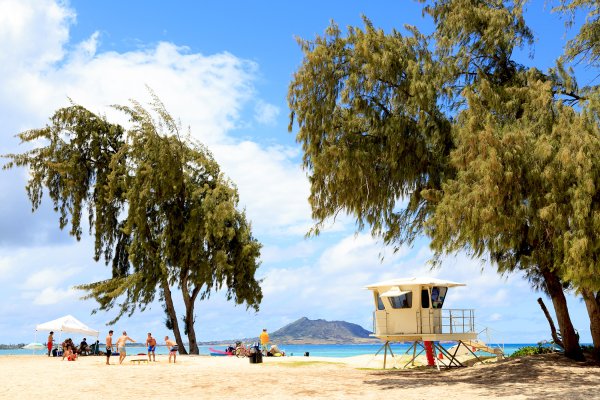
Hawaii is one of the safest states for visitors, but solo travelers face specific risks that groups don’t.
Ocean safety is non-negotiable. Drowning is the leading cause of death for visitors in Hawaii. Rip currents, shore break, and unfamiliar wave patterns catch people off guard, especially on north-facing beaches in winter and south-facing beaches in summer. As a solo traveler, there’s nobody watching your back.
Rules: Never swim at unguarded beaches alone. Never turn your back on the ocean. If you get caught in a current, swim parallel to shore — not against it. Check the Hawaii Beach Safety site before heading to any beach; it shows real-time surf and hazard conditions by beach.
Hiking solo has limits. Some trails in Hawaii are genuinely dangerous — narrow ridgelines, flash-flood-prone valleys, sections with steep drop-offs and no guardrails. The DLNR Division of Forestry and Wildlife manages most state trails. For high-risk trails like Kalalau (Kauaʻi) or Aiea Loop in wet conditions (Oʻahu), tell someone your plan, bring a charged phone, and start early. Several popular trails now require reservations or permits, which is actually helpful for solo hikers — it means someone knows you’re there.
Car break-ins are the most common crime affecting tourists. Leave nothing visible in your rental car. Nothing. Not a towel, not a bag, not sunscreen. Trailhead parking lots on all islands are targeted regularly. The Hawaiʻi County Police Department and Honolulu Police both list trailhead theft as a persistent issue.
Where to Stay on a Solo Budget
Hotels in Hawaii price by room, not by guest — which means solo travelers pay the same rate as couples. That’s the biggest budget hit. A few strategies to soften it:
Hostels: HI Honolulu in Waikīkī is the main option. Private rooms run $90-$130, dorms $40-$60. The common areas and organized outings make meeting other travelers easy. Book well ahead for summer — this place fills up.
Vacation rentals: Studio apartments and guest suites on Airbnb and VRBO can be significantly cheaper than hotels, especially on the Big Island and Kauaʻi where hotel options outside resort areas are limited. Make sure the listing has a valid short-term rental permit — Hawaii has been cracking down on illegal vacation rentals, particularly on Maui and Oʻahu.
Budget hotel chains: Aqua-Aston and Castle Resorts operate mid-range properties on all four major islands. On Oʻahu, the hotels on the back streets of Waikīkī (Seaside Ave, Kūhiō Ave) run $100-$180 in summer, which is about as cheap as Waikīkī gets.
Camping: Hawaiʻi has both state and county campgrounds on every island. Permits are required and cheap ($12-$30 per night). Bellows Beach on Oʻahu and Spencer Beach Park on the Big Island are popular, safe options. Bring your own gear or rent locally.
Eating Alone (It's Easy Here)
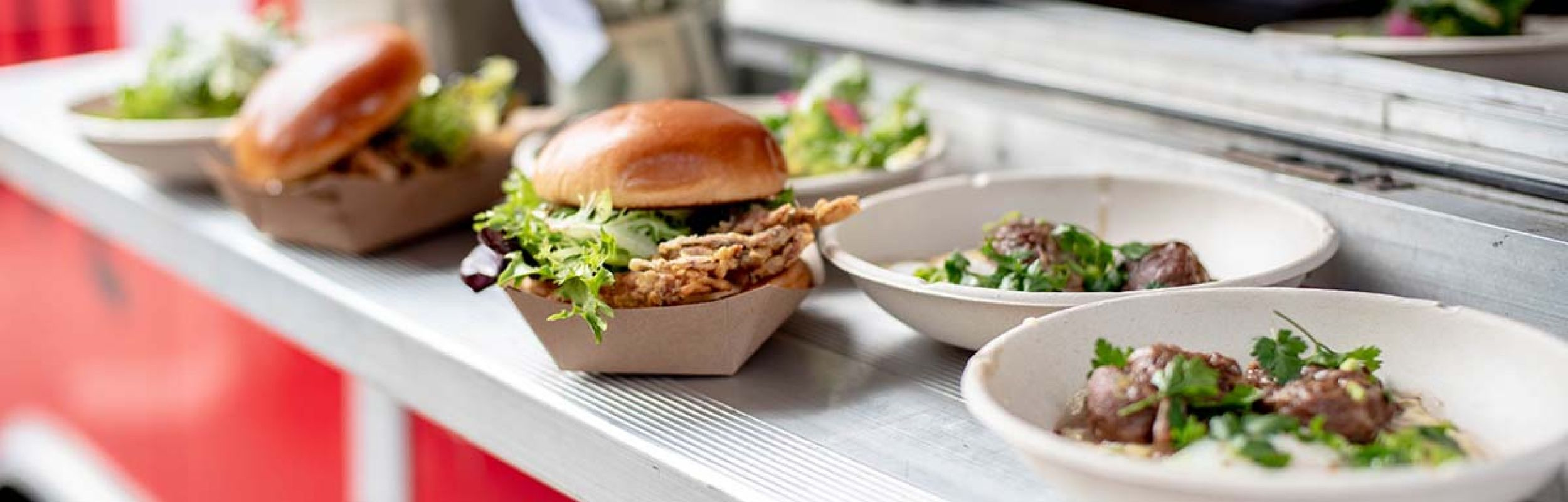
Hawaii’s food culture is built around counter service, plate lunches, and casual outdoor eating. Nobody notices or cares if you’re dining alone, because half the best food in the state comes through a window.
Plate lunch: The Hawaiian plate lunch — two scoops rice, macaroni salad, and a protein (kalua pork, teriyaki chicken, laulau) — is served at hundreds of spots across the islands. You eat at a picnic table or in your car. It’s $10-$15, it’s filling, and it’s the most authentically local meal you can have. Rainbow Drive-In on Oʻahu and Da Kitchen on Maui are solid starting points.
Food trucks: Every island has a food truck scene that’s perfect for solo dining. Oʻahu’s North Shore has the famous shrimp trucks (Giovanni’s, Romy’s). Maui’s food truck pods in Kīhei and Pāʻia are dinner-worthy. Big Island has food truck clusters near farmers markets in Kona and Hilo.
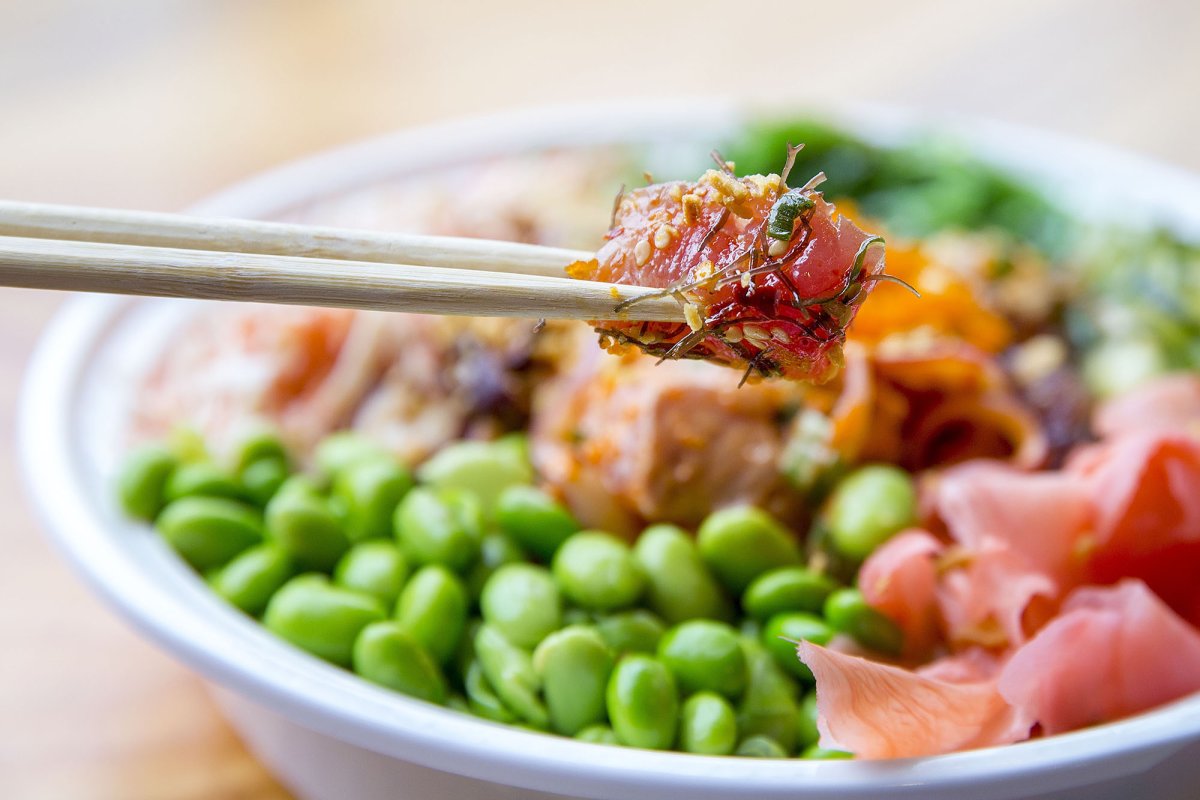
Poke counters: Poke (seasoned raw fish over rice) is Hawaii’s grab-and-go solo meal. Every grocery store has a poke counter — Foodland, Safeway, and Times all have solid selections for $12-$16 per pound. For dedicated poke shops, Ono Seafood and Maguro Brothers on Oʻahu are well-known.
Sit-down restaurants: If you want a proper dinner, sit at the bar. Hawaii restaurant bars are social spaces — you’ll end up talking to someone. Monkeypod Kitchen (Maui/Oʻahu), Merriman’s (Big Island/Maui), and Duke’s (multiple locations) all have good bar-seating cultures.
Transportation Without a Travel Partner
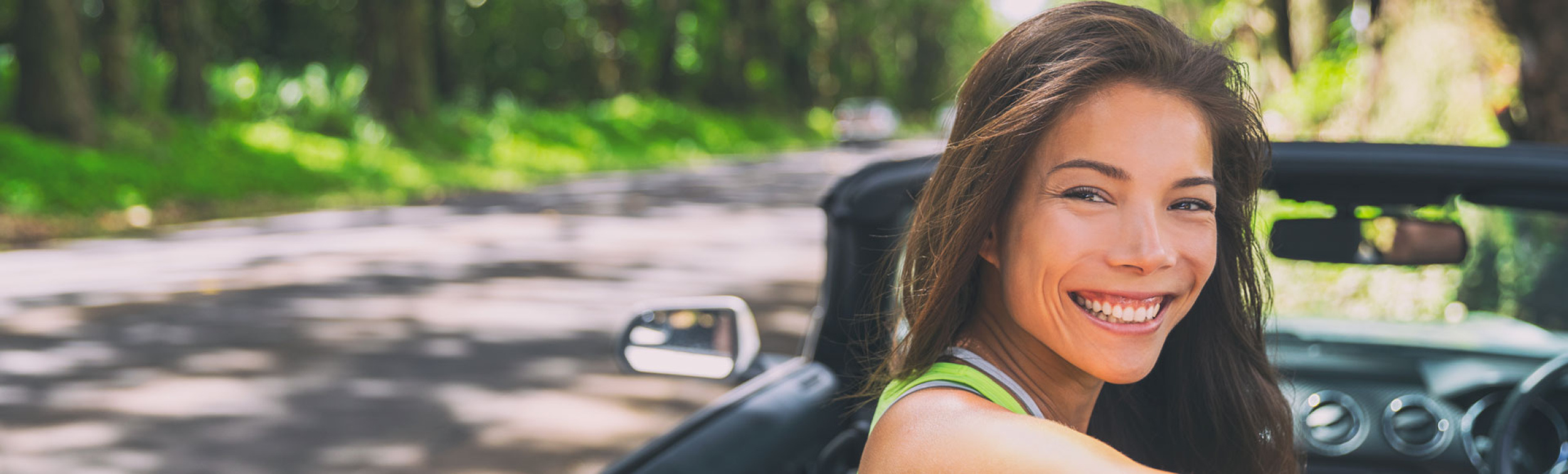
Oʻahu: You can get by without a car if you’re staying in Waikīkī. TheBus covers the island, and rideshare (Uber/Lyft) works reliably in the Honolulu metro area. For a North Shore day trip, the #52 bus runs from Ala Moana Center. If you do want a car for flexibility, book through Discount Hawaii Car Rental — summer rates climb fast, so reserve early.
Maui, Big Island, Kauaʻi: A rental car is effectively required. Public transit exists but is too limited for visitor use. The solo traveler’s challenge is that you’re paying full car rental price yourself. Summer 2026 rates are running $40-$80 per day depending on island and vehicle class. Book as early as possible — summer inventory can run short.
One practical tip: on islands where you need a car, stay in a central location so you minimize driving time. On Maui, Kīhei puts you within 30-45 minutes of most major attractions. On the Big Island, the Kona coast covers the west side efficiently, but you’ll want at least one overnight on the Hilo side to avoid the 2.5-hour cross-island drive twice.
Meeting People
Solo doesn’t have to mean alone the entire time. Hawaii has natural social touchpoints:
Group tours and activities: Snorkeling tours, surf lessons, hiking groups, and kayak excursions put you with other travelers automatically. A 3-hour snorkeling catamaran trip is a reliable way to have a few conversations. Surf lessons in Waikīkī run in small groups of 3-6 students — you’re learning together and wiping out together.
Hostel common areas: If you’re staying at HI Honolulu, the common kitchen and lounge areas are designed for socializing. Many hostels organize group outings — beach days, hike groups, sunset meetups.
Farmers markets: The big Saturday morning markets (KCC on Oʻahu, Upcountry Farmers Market on Maui) are communal experiences. You’re standing in line for the same food, and conversations happen naturally.
Yoga and fitness: Outdoor yoga classes are popular across the islands, particularly in Maui (Pāʻia) and Oʻahu (Waikīkī beachfront). Drop-in classes run $15-$25 and attract a mix of travelers and locals.
Volunteer opportunities: Organizations like Surfrider Foundation Hawaii run regular beach cleanups on all islands. Show up, help out, meet people who care about the same things you do.
Budget Math for Solo Travelers
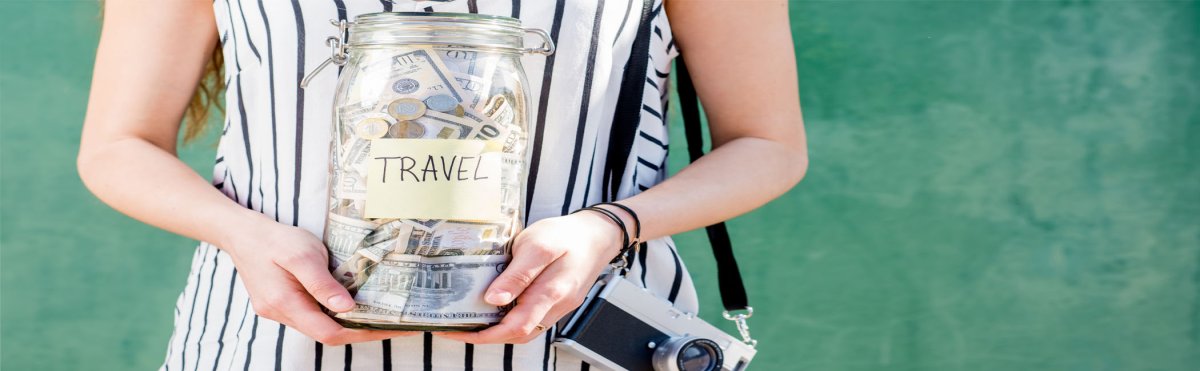
The honest math on a solo Hawaii trip, per day, in summer 2026:
Budget tier ($100-$150/day): Hostel dorm ($50), plate lunches and food trucks for meals ($30-$40), TheBus or no car ($0-$7), one free activity (beach, hiking, snorkeling your own gear) ($0-$10).
Mid-range tier ($200-$300/day): Budget hotel or Airbnb ($120-$180), mix of casual and sit-down restaurants ($50-$70), rental car split over trip length ($45-$65), one paid activity ($50-$100).
Comfort tier ($350+/day): Resort or quality hotel ($200-$350), good restaurants ($80-$120), rental car ($50-$70), premium activities (helicopter tour, private boat charter) ($150+).
The fixed costs hurt more as a solo traveler — hotel rooms and rental cars are priced the same whether one person uses them or two. Food and activities scale linearly. The effective solo premium over a couple splitting costs is about 40-60% more per person per day. Oʻahu without a car is the cheapest solo option. Big Island is the most expensive because the car is mandatory and distances mean more gas.
Summer-Specific Solo Tips
A few things change for solo summer visitors specifically:
Book everything early. Summer is peak season. The hostel fills up. Rental cars get scarce. Luau seats disappear. Manta ray tours book out. As a solo traveler, you don’t have a partner to stay behind and juggle waitlists — lock things down before you arrive.
Hydration is your responsibility. When you’re traveling with someone, they notice when you look overheated. Solo, nobody’s watching. Hawaii’s summer UV index hits extreme levels, and the trade winds can mask dehydration. Carry a water bottle everywhere. Refill stations are common at parks and beaches.
Tell someone your plans. Not just for safety — though that matters for hiking and ocean activities — but for accountability. Share your itinerary with a friend or family member back home. Most hotels and hostels have a front desk that can note if you haven’t returned.
Embrace the early schedule. Hawaii runs early. Sunrise is around 5:50 AM in June, and the best light for beaches and hiking is before 10 AM. Going to bed early and waking at dawn is easier as a solo traveler — no one else’s schedule to negotiate.
More Planning Resources
Plan your solo Hawaii trip with these guides.