
Most visitors default to a luau or hotel bar after sunset. Understandable. You’re tired from a full day of snorkeling and sunburn. But Hawaii’s nighttime scene runs deeper than tiki torches and mai tais, and the best evening experiences happen off the resort grounds entirely.
These eight activities are the ones I keep recommending to friends who’ve already done their first trip. Ghost tours through Honolulu’s haunted districts. Glow-lit paddleboards drifting over reef fish. Intimate slack-key guitar shows in 50-person rooms. If your evening plans start and end with “dinner reservation,” you’re leaving the best part of these islands on the table.
Slack-Key Guitar Concerts
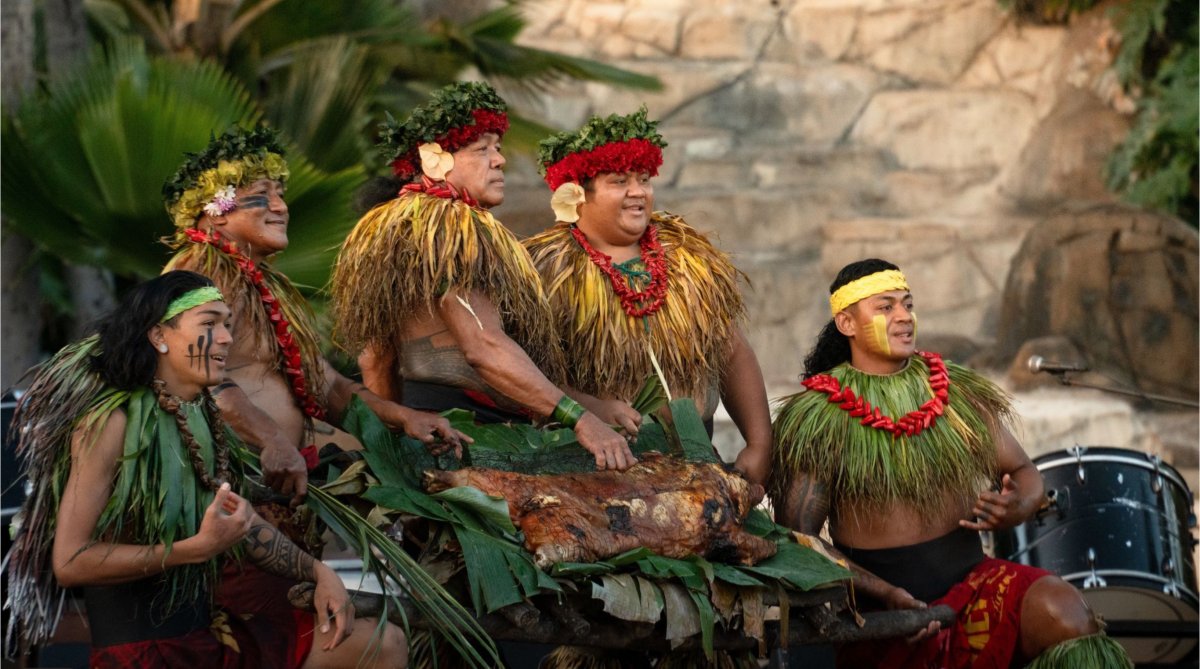
Kī hōʻalu — Hawaiian slack-key guitar — is fingerpicked, open-tuned, and sounds like nothing else. The music is meditative, unhurried, and deeply rooted in Hawaiian family traditions passed down through generations. Most visitors never hear it live, which is a shame because the best shows happen in intimate rooms where you’re 15 feet from a Grammy-winning musician.
On Maui, George Kahumoku Jr. hosts a weekly Masters of Hawaiian Music show at Napili Kai Beach Resort every Wednesday from 6:30 to 8 PM. Kahumoku is a four-time Grammy winner, and he rotates in different guest artists each week. The room holds maybe 100 people. Arrive early.
On Kauaʻi, Doug and Sandy McMaster have been running slack-key guitar shows since 1999 — Hanalei on Friday and Saturday evenings, Princeville on Tuesdays from 6-8 PM, and Kapaʻa on Wednesdays. These are community-scale shows, not concert halls.
If your timing lines up, the annual Kī Hōʻalu Guitar Festival on Maui is a free daylong event featuring the state’s top slack-key and steel guitar players. It draws serious fans from across the islands.
Ghost Tours and Night Marcher Walks
Hawaii’s ghost stories aren’t campfire fluff. The Night Marchers — Huakaʻi Pō — are spectral warriors said to march in torchlit processions across the islands after dark. Ancient battlefields, heiau (temples), and burial grounds dot every island. The history here is heavy, and the tours built around it are genuinely compelling.
Mysteries of Hawaiʻi was voted the number one ghost tour in America by USA Today 10Best three consecutive years (2023-2025). Their Oahu tours cover historic Honolulu sites with deep cultural context. This isn’t a jump-scare operation.
The Waikiki Night Marchers Ghost Tour is a 90-minute walking tour focused specifically on the Night Marcher legend and the stories behind Waikiki’s most haunted locations. Honolulu Haunts runs nightly rain or shine with a different route through downtown and Chinatown.
On the Big Island, American Ghost Walks operates tours in both Hilo and Kailua-Kona. Expect to pay $30-$50 per person across all operators. Most tours are kid-friendly, though some evening options are geared toward adults.
Glow Paddleboarding (LED SUP)
Strap LED lights to the bottom of a stand-up paddleboard, push off into calm water after dark, and watch the ocean floor light up beneath you. The boards cast a bright halo that illuminates coral, reef fish, sea turtles, and — on good nights — bioluminescent plankton that sparkle with every paddle stroke.
On Oahu’s North Shore, Haleiwa Twilight Glow Paddle launches at dusk from Haleiwa Harbor. The sheltered water makes it beginner-friendly, and the light show beneath the board is surreal.
On the Big Island, LightSUP Hawaii runs tours where the LED lights attract plankton, which in turn attracts larger marine life. You end up floating above an impromptu food chain. On Maui, Glow SUP Maui operates out of Makena with a bioluminescent plankton and stargazing combo.
No paddleboarding experience required for any of these. Most tours run 60-90 minutes. Price range is $80-$130 per person, and they typically cap group sizes at 8-10 boards.
Sunset on the Beach (Free Outdoor Movies)
Sunset on the Beach is a free outdoor movie screening on a 30-foot screen at Queen’s Surf Beach in Waikiki. Live local music plays before the film starts, food trucks line the park, and hundreds of people spread blankets across the sand. It feels like a block party that happens to be on a beach.
This is a locals’ tradition first, tourist attraction second. You’ll see families with coolers and lawn chairs staked out hours before showtime. The vibe is completely different from anything on Kalākaua Avenue — relaxed, communal, no cover charge.
The Hilton Hawaiian Village also screens kid-friendly movies every Wednesday at sundown on their Village Green lawn. It’s free and open to the public, not just hotel guests. Grab a plate from one of the nearby restaurants and settle in.
Bring a blanket, a sweatshirt for after the sun drops, and skip the hotel dinner reservation. This is a better evening than most paid activities on the island.
Public Stargazing Events
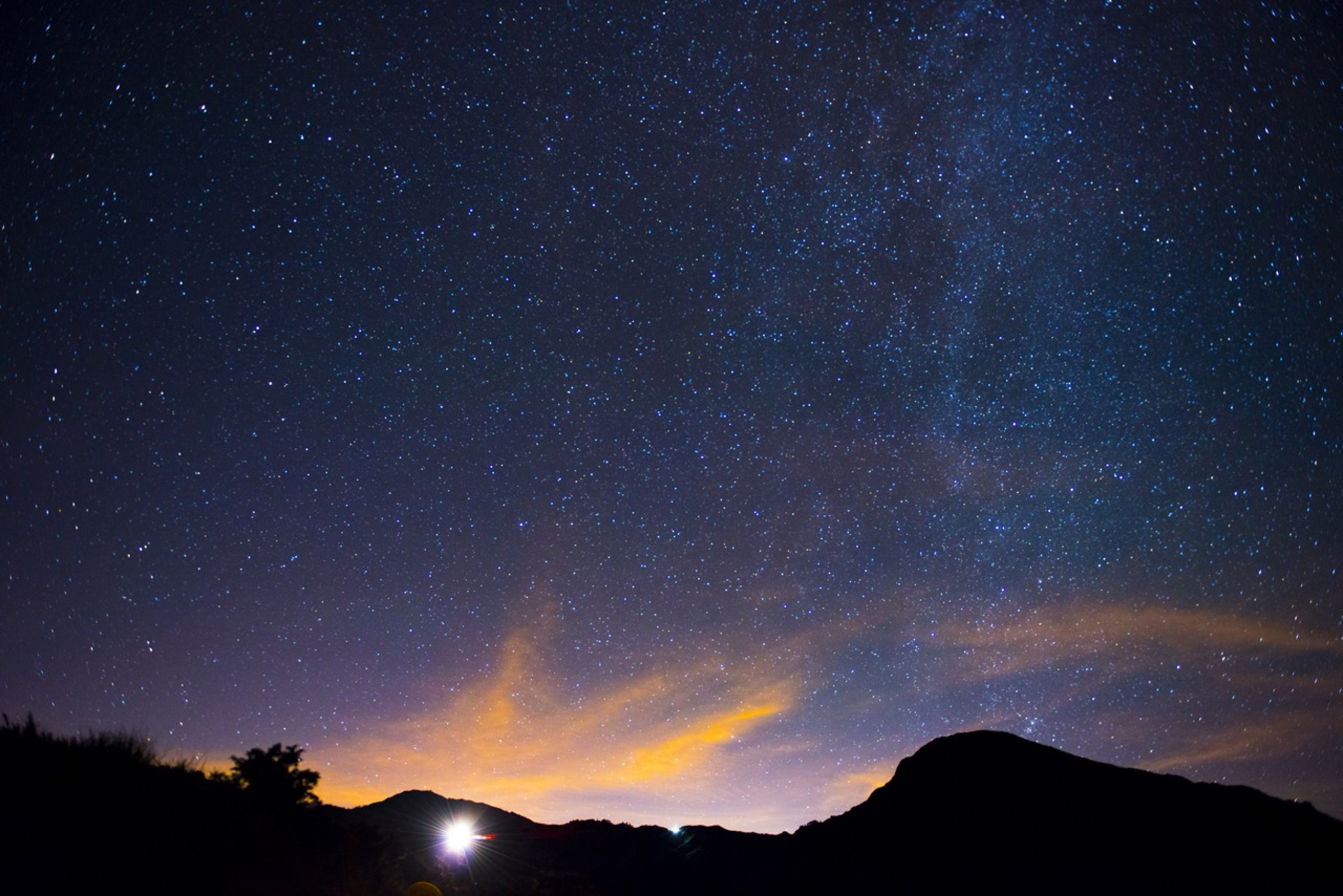
You don’t need a $250 guided summit tour to see Hawaii’s night sky. Several free programs put you behind a telescope with expert guidance — and you can drive yourself to all of them.
The Maunakea Visitor Information Station at 9,200 feet on the Big Island hosts free stargazing programs with telescopes when weather permits. They also run periodic full public stargazing events — the next one is April 21, 2026, from 6:15 to 9 PM. No reservation needed for the regular programs. Just show up.
On Oahu, the Hawaiian Astronomical Society has been running free public star parties three times per lunar month since 1949. They set up multiple telescopes at sites around the island and volunteers walk you through what you’re looking at. Check their calendar for dates — they schedule around moon phases to maximize dark skies.
The ʻImiloa Astronomy Center in Hilo combines planetarium shows with Hawaiian cultural exhibits that trace how Polynesian navigators used stars to cross the Pacific. It’s astronomy through an indigenous lens, and the planetarium alone is worth the visit. On the Big Island’s west side, the W.M. Keck Observatory in Waimea hosts periodic public events and a visitors gallery.
Evening Shore Fishing
Shore fishing after dark is a deep local tradition across every island. It’s not a tourist activity, which is exactly why it’s interesting. The pace is slow, the shoreline is quiet, and you’ll see a side of Hawaii that resort guests never encounter.
Ulua, papio, and menpachi (soldierfish) are more active feeders after sunset. The fishing picks up once the reef calms down and daytime species bed down. Popular night spots include Kaʻena Point on Oahu’s west tip, South Point on the Big Island (the southernmost point in the United States), and Keālia Beach on Kauaʻi.
You don’t need a charter boat or a guide. Pick up basic tackle from a local fishing shop or Walmart, and head to a rocky shoreline after dinner. Hawaii does not require a fishing license for recreational shore fishing — one of the few states with that policy. Check the DLNR regulations page for bag limits and restricted species.
Bring a headlamp, closed-toe shoes for rocky terrain, and mosquito repellent. The fishing itself is secondary. It’s the experience of standing on a lava rock shoreline under a sky full of stars while the waves crash around you.
Tiki Bars and Craft Cocktail Lounges
Hawaii’s cocktail scene isn’t about nightclubs. It’s mellow, sunset-paced, and often paired with live slack-key guitar or ukulele in the corner. The best spots lean into history and atmosphere over bottle service.
La Mariana Sailing Club in Honolulu is the real deal — a waterfront tiki bar that’s been operating since 1955. Floating docks, vintage tiki decor collected over decades, and live Hawaiian music most evenings. It feels like stepping into 1960s Honolulu. The drinks are stiff and the ambiance is impossible to replicate.
For something different, Skull and Crown in Honolulu’s Chinatown district is a speakeasy-style tiki bar with creative tropical cocktails in a moody, dimly lit space. It draws a younger crowd but keeps the tiki tradition intact.
Monkeypod Kitchen has locations on Maui (Wailea) and Oahu (Ko Olina) with craft cocktails built around local ingredients — lilikoi, guava, macadamia nut. They run live music most evenings and their happy hour is one of the better deals on either island. None of these places require reservations or dressy attire. Show up in your beach clothes.
Night Snorkeling (Not Manta Rays)
The Big Island manta ray night snorkel gets all the press, but regular night snorkeling — no mantas involved — is its own experience. The reef completely transforms after dark. Daytime fish wedge themselves into coral crevices to sleep. Nocturnal species emerge: octopus hunting across the reef, spiny lobsters crawling out of their dens, moray eels on patrol, and parrotfish cocooned in their mucus sleeping bags.
On Oahu, several operators run night snorkel tours off Waikiki using underwater LED lights that illuminate the reef. The light draws in small fish and invertebrates, so you’re watching an active ecosystem rather than just swimming over sleeping coral. It’s a completely different ocean than what you saw six hours earlier.
On Maui, night snorkel tours off Olowalu reef put you over one of the island’s healthiest coral systems. Olowalu is already one of the best daytime snorkel spots on Maui’s west side — at night, with lights, the biodiversity ramps up.
Expect to pay $80-$120 per person. Tours run about 60-90 minutes of water time. You’ll need basic snorkeling comfort — being in open ocean in the dark isn’t for everyone — but operators provide full gear and guides stay with the group the entire time.
More Hawaii Evening Ideas
Plan your island nights.