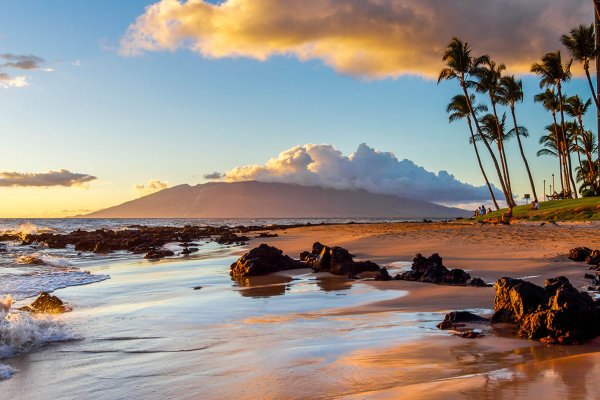

Most Hawaii visitors spend their evenings at a hotel restaurant scrolling through tomorrow’s beach plans. That’s a waste. Summer sunsets don’t hit until 7:15-7:18 PM in June and July, which means you get two to three hours of warm, golden evening before the stars come out. And what happens after dark on these islands will outlast every beach photo in your camera roll.
Manta rays the size of a car door gliding under your snorkel mask. Galaxies visible to the naked eye from 9,000 feet. Fire dancers at a cliffside luau. Night markets with smoke pouring off pork belly skewers. Hawaii’s evening scene is specific, varied, and — if you plan ahead — surprisingly easy to access.
Manta Ray Night Snorkeling (Big Island)
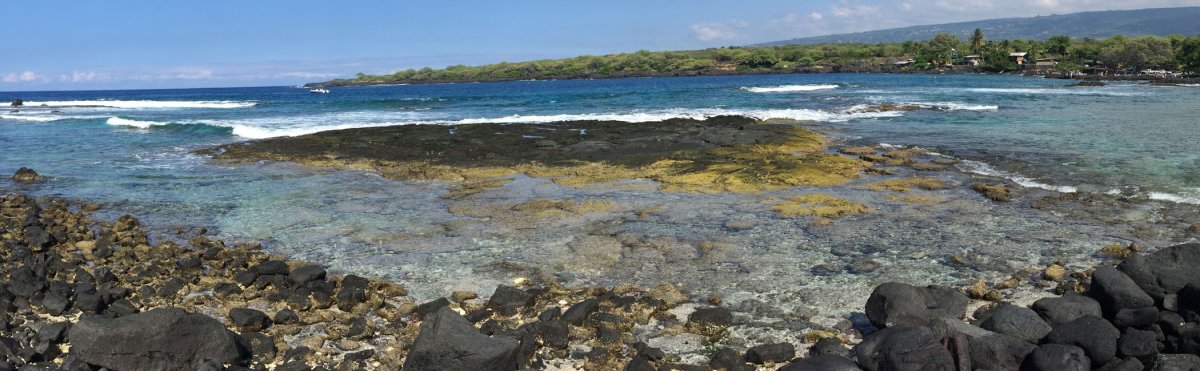
Nothing else in Hawaii compares to this. Off the Kona Coast, operators anchor boats over shallow reefs and lower bright lights into the water. Plankton swarms to the light. Manta rays — with wingspans up to 16 feet — arrive to feed, swooping inches beneath snorkelers floating at the surface. The experience lasts about 45 minutes in the water, and the mantas are there almost every night.
Two primary sites run these tours: Keauhou Bay and Garden Eel Cove (near the Kona airport). Keauhou has a higher manta encounter rate — some operators report sightings on 90% of trips. Summer is actually peak season because calmer ocean conditions mean fewer cancellations.
Book at least two weeks ahead for June-July departures. These tours sell out fast during summer. Expect to pay $100-$150 per person. No scuba certification needed — you float face-down with a pool noodle and watch.
Stargazing on Mauna Kea (Big Island)
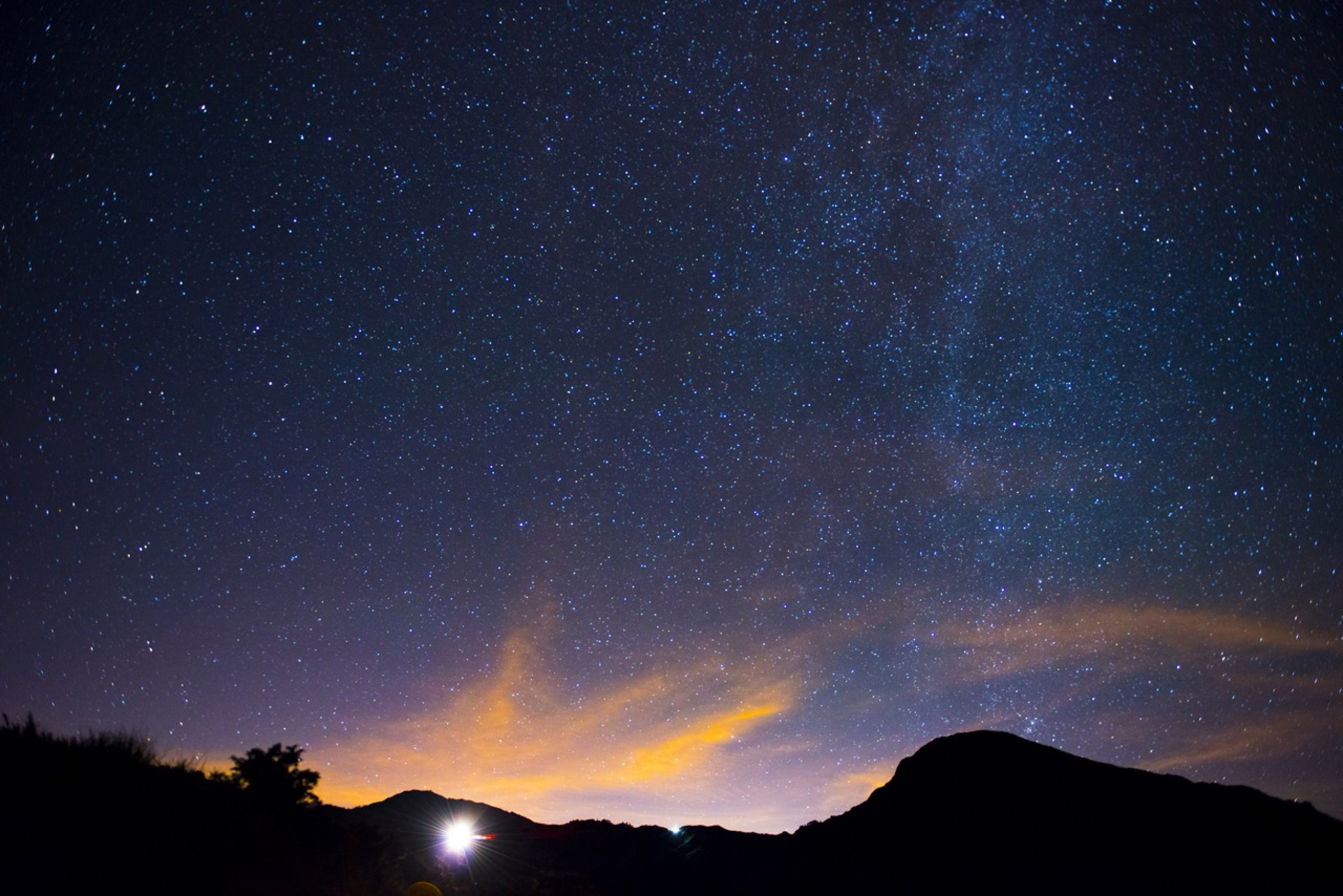
Mauna Kea stands at 13,796 feet — above 40% of Earth’s atmosphere and most of its water vapor. That’s why thirteen nations built astronomical observatories on its summit. It’s also why stargazing from this mountain is unlike anything you’ve experienced on the mainland.
The Maunakea Visitor Station (Visitor Information Station at 9,200 feet) hosts free public stargazing programs with telescopes several evenings per week. The station typically opens its stargazing program from 6-10 PM. Summit access above the VIS requires a reservation through the Maunakea Access Permit system, and personal vehicles need 4WD for the unpaved summit road.
Several outfitters run guided sunset-stargazing combo tours that handle transportation, provide jackets and hot cocoa, and set up professional telescopes. Hawaii Forest & Trail and Mauna Kea Summit Adventures are two established operators. Tours run $200-$250 per person and book out weeks in advance during summer.
Bring warm layers. At 9,200 feet, nighttime temperatures drop into the 40s even in July. The altitude can also cause mild symptoms (shortness of breath, headache) — drink extra water and avoid heavy meals beforehand.
Sunset Dinner Cruises
Every major island has sunset sailing options, but summer’s extended daylight makes them noticeably better. You’re on the water during golden hour for longer, and June-July seas on the leeward coasts are typically the calmest of the year.
Oʻahu: The departure point is the Ala Wai Small Boat Harbor in Waikīkī. Multiple operators run catamaran sunset sails along the south shore with views of Diamond Head backlit by the setting sun. Star of Honolulu offers dinner cruises with multiple course options. Budget catamarans start around $60; dinner cruises with full service run $120-$180.
Maui: The Lahaina Harbor area is the hub. Trilogy Excursions runs well-regarded sunset sails along the West Maui coast. Summer is also when humpback whales are absent from Maui’s waters (they’re in Alaska), so these cruises focus on coastal scenery, spinner dolphins, and food rather than whale watching.
Kauaʻi: The Nā Pali Coast sunset cruise is the standout. Summer’s calm conditions mean catamarans can run the full 17-mile coastline more consistently than any other season. Seeing those 4,000-foot sea cliffs turn gold as the sun drops is a top-five Hawaii moment.
Big Island: Kona’s clear skies make it a reliable sunset cruise destination. Smaller operators run from Kailua Bay, with some combining sunset viewing and manta ray snorkeling into a single evening trip.
Night Markets and Evening Food
Hawaii’s night market scene has expanded in the last few years, and summer brings the most consistent schedules.
Oʻahu: The Honolulu Night Market runs on select Saturdays in Kaka’ako, featuring local food vendors, craft booths, and live music. The International Market Place in Waikīkī hosts evening entertainment most nights during summer, and the food hall stays open late. Chinatown has its own evening food scene — the bars and restaurants along Hotel Street are where locals go after dark.
Maui: Lahaina’s Front Street stays lively into the evening. The Friday Town Parties in various Maui towns (Wailuku, Makawao, Kīhei, Lahaina) rotate weekly and feature food trucks, live music, and an open-street-festival atmosphere that peaks during summer months.
Big Island: Kona’s Aliʻi Drive has a walkable strip of restaurants and bars overlooking the ocean. The Kona Brewing Company taproom is a low-key spot for post-activity food. In Hilo, the Hilo Farmers Market runs a smaller evening/afternoon session on certain days, worth checking if your schedule lines up.
Kauaʻi: The food truck scene on Kauaʻi picks up during summer evenings, particularly around Kapaʻa town. The Coconut Marketplace area has evening dining and occasional live entertainment.
Luaus Worth Booking
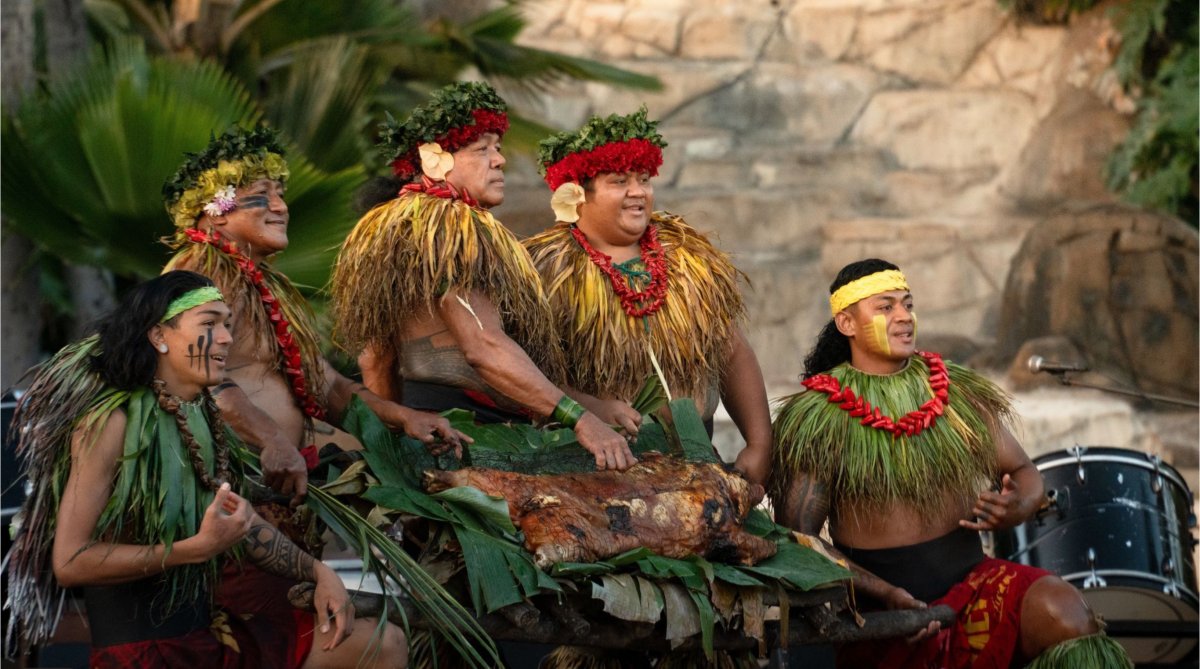
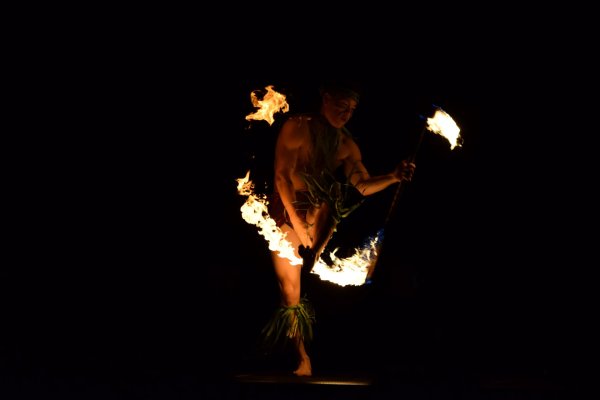
Yes, luaus are touristy. The good ones are also genuinely excellent — a full evening of Polynesian cultural performance, fire dancing, traditional Hawaiian food, and open-bar drinks in an outdoor oceanfront or garden setting. Summer’s dry weather and warm evenings make them more enjoyable than winter dates, where rain can dampen (literally) the experience.
A few that consistently deliver:
Old Lahaina Luau (Maui): Widely considered the most authentic luau in Hawaii. Oceanfront setting, traditional imu ceremony (underground oven), hula and Polynesian dance performances. Books out weeks ahead — reserve the moment your trip dates are set.
Chief’s Luau (Oʻahu): Held at Wet ‘n’ Wild in Kapolei. Known for an over-the-top fire knife dance finale. Good for families.
Gathering of the Kings (Big Island): At the Fairmont Orchid on the Kohala Coast. Higher-end food and production values. The sunset ocean backdrop at this venue is hard to beat.
Smith’s Tropical Paradise (Kauaʻi): A garden luau with a tram ride through tropical gardens before the show. More laid-back than the big-production luaus on other islands.
Prices across all islands range from $100-$180 per adult. Book early for summer — these fill up fast.
Kīlauea After Dark (Big Island)
When Kīlauea is actively erupting — and as of early 2026, it’s been cycling through eruption episodes roughly every few months — the best time to see the glow is after sunset. The lava lake in Halemaʻumaʻu Crater lights up the gas plume with an orange-red glow that’s visible from multiple overlooks in Hawaiʻi Volcanoes National Park.
The park stays open 24 hours. After dark, drive to the Kīlauea Overlook or the Jaggar Museum area (now a viewing platform since the 2018 summit collapse) and look into the caldera. If eruption is active, the glow is unmistakable. If it’s in a pause between episodes, you still get one of the darkest skies on the Big Island — bring binoculars.
Check the USGS Kīlauea activity page before your visit for current eruption status. The park entrance fee is $30 per vehicle, valid for 7 days.
Waikīkī After Dark (Oʻahu)
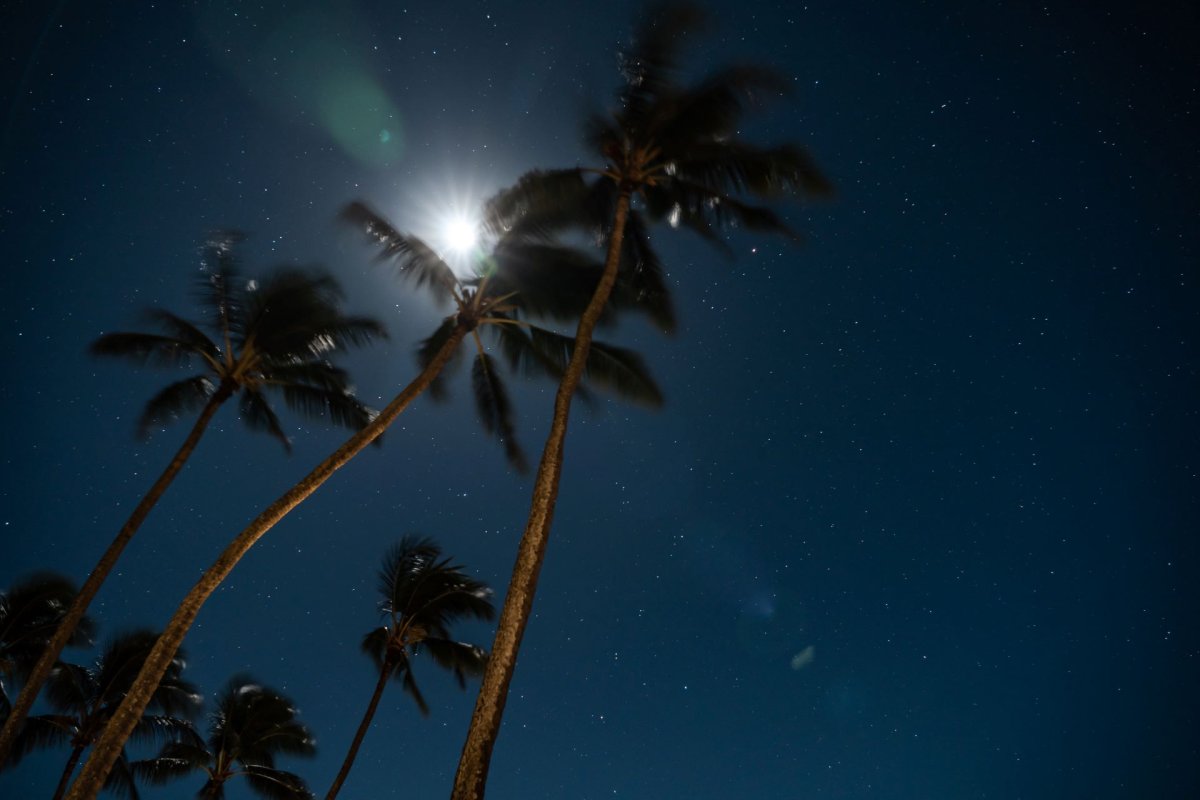
Waikīkī is the only place in Hawaii with a genuine nightlife scene. Kuhio Avenue and Kalākaua Avenue have bars, live music venues, and restaurants open past midnight.
A few specific evening options worth knowing about:
Kuhio Beach Hula Show: Free hula and Hawaiian music performance at the Kuhio Beach Hula Mound every Tuesday, Thursday, and Saturday at 6:30 PM (weather permitting). It runs about an hour and draws a mix of tourists and locals. Arrive 15 minutes early for a decent viewing spot.
Duke’s Waikīkī: Live music most evenings on the beachfront patio at the Outrigger Waikiki. Solid food, strong drinks, and the kind of sunset view that explains why people keep coming back.
Chinatown arts district: A 10-minute drive from Waikīkī. First Friday art walks draw crowds, and the bar scene (Tchin Tchin, Bar Leather Apron) is the best on the island.
Beyond Waikīkī, Oʻahu’s evening options thin out quickly. The North Shore rolls up early. Kailua and Kāneʻohe are residential. If nightlife matters to you, stay in Waikīkī proper.
Planning Your Evenings
A few practical notes for after-dark planning in Hawaii:
Driving at night: Rural Hawaii roads are dark — no streetlights, narrow shoulders, and occasionally livestock on the road (Big Island ranch country especially). Slow down. A rental car with decent headlights matters more than usual.
Bug situation: Mosquitoes come out at dusk, particularly near standing water and in windward/tropical areas. If your evening involves outdoor dining or gardens, spray with DEET or picaridin. Trade winds keep most beach areas clear.
Reservations: Anything involving a boat, a tour, or a table at a popular restaurant needs a reservation in summer. The manta ray tours, luaus, and sunset cruises mentioned above all sell out days to weeks ahead. Don’t wing it in June or July.
Temperature: Summer evenings hover around 75-78°F at sea level. A light layer is only needed if you’re going to elevation (Mauna Kea, Haleakalā, Volcanoes NP) or on a boat where wind chill is a factor.
More Evening & Activity Planning
Plan your Hawaii evenings and activities with these guides.