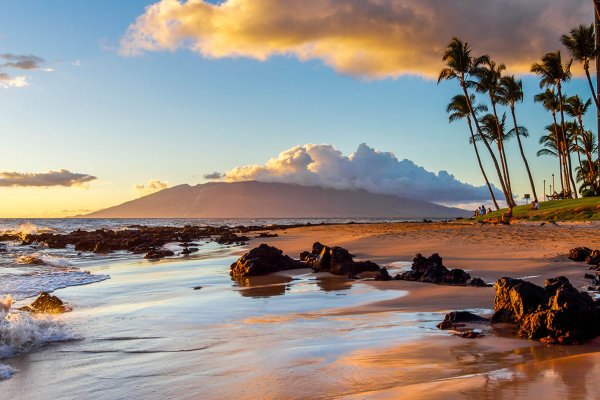

Hawaii sits in the middle of the Pacific with nothing between you and the horizon in any direction. That isolation, combined with clean oceanic air and volcanic peaks reaching above 13,000 feet, produces sunrises and sunsets you won’t find anywhere else on Earth. You can watch the sun come up from a frozen summit at 10,000 feet and catch it going down from a warm beach the same day. I’ve done that more times than I can count, and it never gets old.
Maui: Haleakala and Beyond
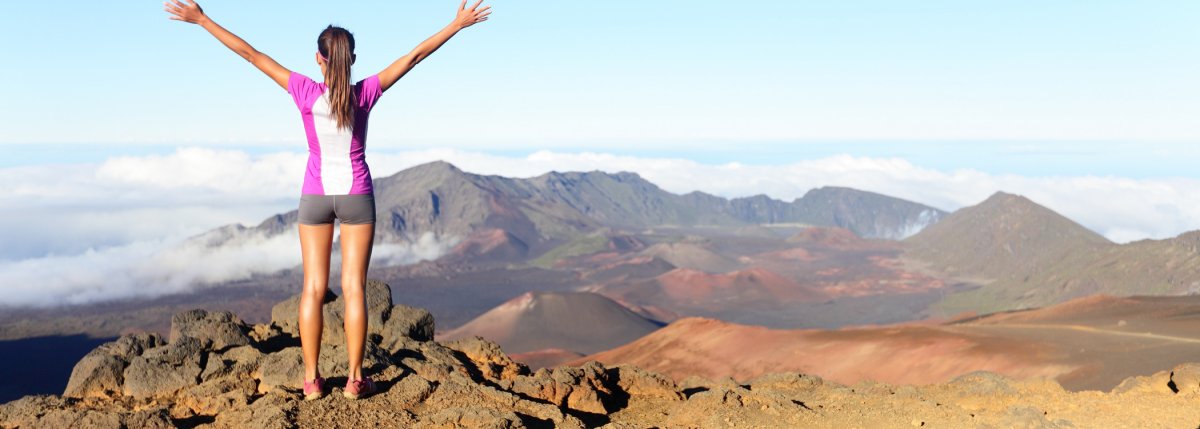
Sunrise at Haleakala Summit is the single most famous sunrise experience in Hawaii, and it earns that reputation. You’re standing at 10,023 feet inside a volcanic crater while the sun breaks over the cloud layer below you. The colors shift from deep purple to orange to blinding white in about twenty minutes. It feels like watching the planet start up for the day.
Reservations are required and cost $1.50 through Recreation.gov. They open 60 days in advance and sell out fast. You’ll need to enter the park between 3:00 AM and 7:00 AM, which means leaving your hotel around 2:00-2:30 AM depending on where you’re staying. The summit temperature regularly drops to 40°F, sometimes lower with wind chill. Bring a real jacket, not a hoodie. The National Park Service sunrise page has current conditions and reservation details.
If waking up at 1:30 AM doesn’t appeal to you, Baldwin Beach on Maui’s north shore is a mellow alternative. East-facing, uncrowded at dawn, with a long golden sand stretch. You won’t get the altitude drama, but you’ll get a beautiful sunrise with your feet in warm sand.
Sunset at Haleakala is the secret most visitors miss. No reservation required for sunset entry. Same crater, same elevation, same jaw-dropping views, but with warm golden light flooding in instead of dawn pastels. The crowds are a fraction of what you’ll deal with at sunrise.
Down at sea level, Ka’anapali Beach gives you a wide western horizon with Lana’i and Moloka’i in silhouette. Walk to the far north end near Black Rock for the best vantage. Secret Beach (Pa’ako) near Makena faces southwest with Kaho’olawe and Lana’i on the horizon. It’s one of the better green flash spots on Maui because of that unobstructed ocean line.
Big Island: Summits, Lava, and Golden Sand
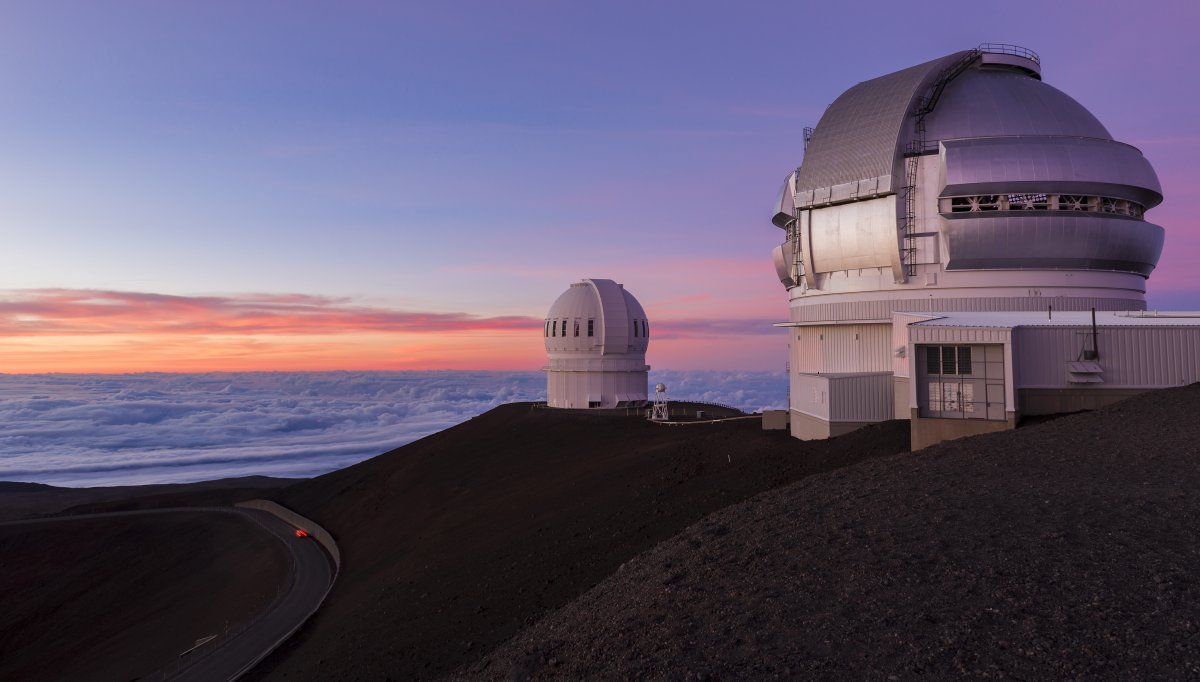
Mauna Kea’s summit sits at 13,796 feet. That’s above 40% of Earth’s atmosphere. Sunrise here means watching the sun climb out of a sea of clouds while you stand in sub-freezing air surrounded by world-class observatories. The drive requires 4WD past the Visitor Information Station, and you should spend at least 30 minutes at the 9,200-foot level acclimatizing before heading up. Altitude sickness is real at this elevation. Headaches, nausea, shortness of breath. Mauna Kea is also a sacred site in Hawaiian culture, so treat it with respect.
Pololu Valley Lookout on the Kohala Coast is a completely different sunrise experience. You’re looking down into a deep green valley with black sand beach at the bottom while the eastern sky lights up behind the Kohala Mountains. No altitude concerns, no 4WD needed. Just a short drive from Hawi and a five-minute walk to the overlook.
Hawai’i Volcanoes National Park offers something no other spot in the state can match. If Kilauea is actively glowing, watching that lava glow fade as dawn light takes over is surreal. The orange-to-blue transition happens slowly, and you’re standing on one of the most active volcanic landscapes on the planet.
For sunset, Hapuna Beach is the Big Island’s best. Wide, flat, west-facing golden sand that turns into a mirror when the tide is right. Ali’i Drive in Kona is the easiest sunset on any Hawaiian island. Park, walk the seawall, grab a coffee, and watch the sun drop into the ocean. Zero effort, maximum reward.
Mauna Kea at sunset is the ultimate combo. Watch the sun set from above the clouds, then stay for some of the clearest stargazing in the Northern Hemisphere. The observatory area runs free stargazing programs several nights a week.
Oahu: City Skyline to Wild North Shore
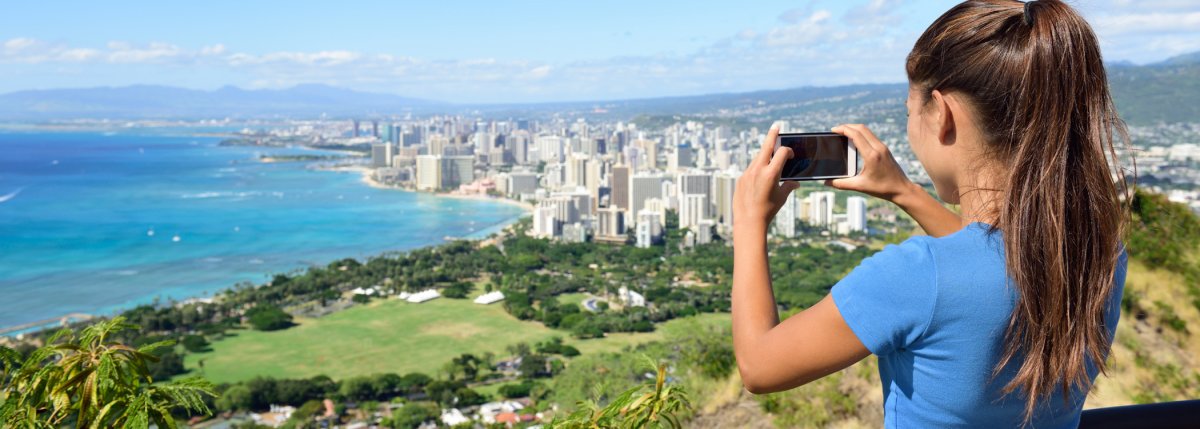
Diamond Head is the classic Oahu sunrise hike. The trail is 1.6 miles round trip with a 560-foot elevation gain, and the summit gives you panoramic views of Waikiki, Honolulu, and the ocean stretching east toward Moloka’i. Reservations are required through the Hawaii DLNR system. Get the earliest entry time available. The hike takes 30-45 minutes up, so plan your start time accordingly.
Lanikai Beach is the other premier Oahu sunrise spot. The beach faces east toward the Mokulua Islands, two small offshore islets that anchor the composition perfectly. The water is turquoise even in low light, and the beach is narrow enough that you feel surrounded by the scene rather than watching it from a distance. Parking is tight in the residential area, so arrive early.
For sunset, Sunset Beach on the North Shore is named for a reason. In winter, you get massive surf with golden light backlighting the spray. In summer, the water flattens out and the colors go deeper. Either season works.
Tantalus Lookout (Pu’u ‘Ualaka’a State Park) sits above Honolulu and gives you the city sprawling below with Diamond Head and the ocean in the background. The sunset paints the entire scene in warm tones, and it’s far enough from Waikiki to feel like an escape. Kapi’olani Park at the quiet east end of Waikiki works for anyone who doesn’t want to drive anywhere. Grab a spot on the grass, face west toward the hotels and harbor, and let the sky do its thing.
Kauai: Raw Beauty at the Edges
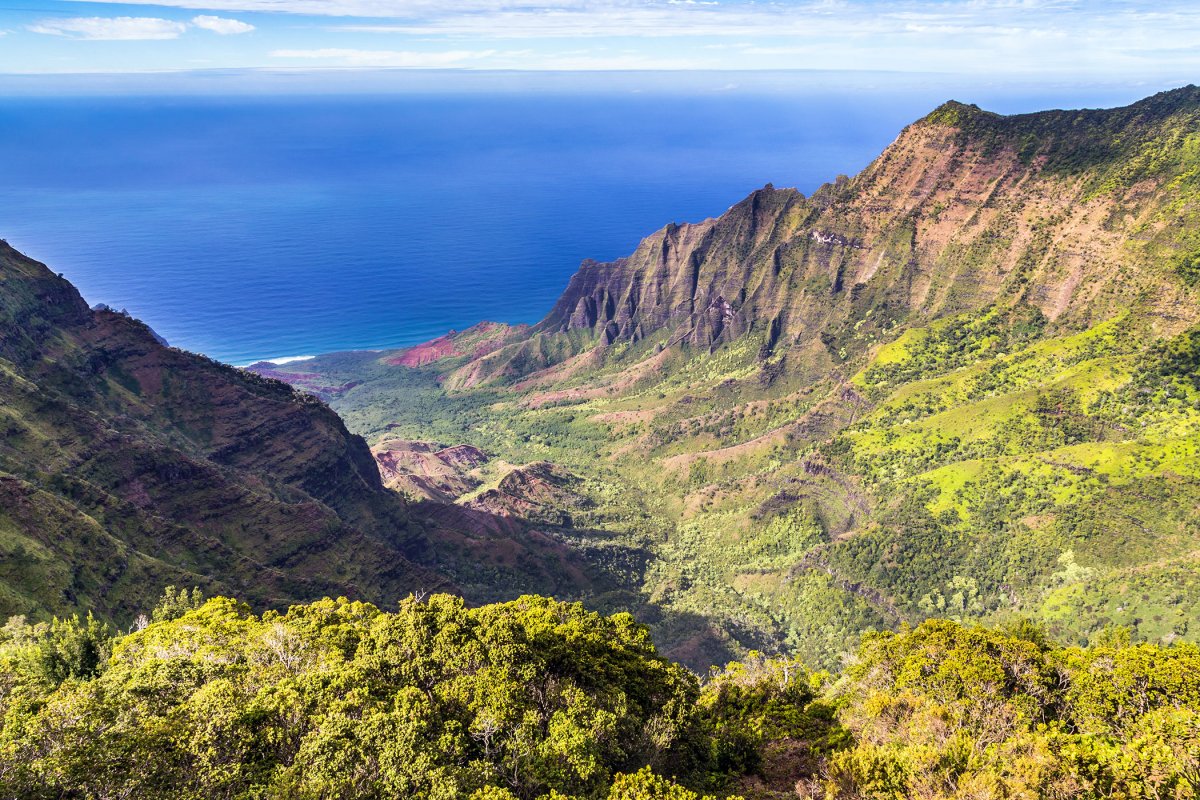
Kauai’s best sunrise is on the Mahaulepu Heritage Trail near Poipu. The trail runs along the southeast coast, which faces directly into the rising sun. It’s flat, coastal, and dramatic. Lithified sand dunes, tide pools, and open ocean on one side, green cliffs on the other. Start walking before dawn and let the light come to you.
Sunset on Kauai belongs to the west and north shores. Polihale Beach is the statement pick. Seventeen miles of sand, the longest beach in Hawaii, and one of the most remote you can drive to. The road in is rough (check conditions, sometimes it requires 4WD after rain), but the payoff is a sunset with Ni’ihau on the horizon and nobody around. It feels like the edge of the known world.
Ke’e Beach at the end of the road on the north shore puts the Na Pali Coast cliffs in your sunset frame. The jagged green ridgelines catch the last light in a way that looks almost artificial. Parking requires a reservation through the Ha’ena State Park system, and spots fill up.
Hanalei Bay rounds out the list. The wide crescent bay faces north-northwest, which means you don’t get a direct ocean sunset, but the sky colors reflected in the bay are stunning. The Hanalei Pier is the classic spot. It photographs well and gives you that sense of place that makes Kauai feel different from every other island.
Timing Tips for Hawaii Sunrises and Sunsets
Hawaii does not observe daylight saving time. The state stays on HST (UTC-10) year-round, which makes planning straightforward. Sunrise ranges from about 5:45 AM in summer to 7:00 AM in winter. Sunset falls between roughly 5:50 PM in December and 7:15 PM in late June.
Winter months (November through February) often produce the most dramatic skies. Trade winds push moisture into the mountains, leaving the leeward coasts clear while high clouds catch and scatter light across the full spectrum. The angle of the sun also sits lower, which stretches golden hour longer.
Arrive 30 to 40 minutes before the listed sunrise or sunset time. The best light happens before the sun actually breaks the horizon and after it disappears. If you show up at the official sunrise time, you’ve already missed the opening act.
The green flash is real. It’s a brief green spot visible at the very top of the sun as it drops below a flat ocean horizon. Best chances come on clear evenings with no clouds on the horizon line. Flat western ocean views give you the cleanest shot. I’ve seen it maybe a dozen times over twenty years of watching Hawaiian sunsets. Don’t count on it, but keep your eyes locked on that last sliver.
What to Bring
Your phone camera will do the job if you shoot during golden hour. Switch to the lowest exposure setting you can and let the natural light do the work. Overexposed sunsets are the number one photo mistake visitors make.
Layers matter for summit spots. Haleakala drops to 40°F regularly. Mauna Kea gets below freezing. Bring a proper jacket, long pants, and closed-toe shoes. Flip-flops at 13,000 feet is a choice you’ll regret quickly.
A headlamp is essential for pre-dawn hikes. Diamond Head and Haleakala both require walking in the dark if you want to catch sunrise from the top. Phone flashlights work in a pinch but drain your battery right when you need the camera.
Reef-safe sunscreen matters for beach sunrise and sunset sessions. Hawaii law bans sunscreens containing oxybenzone and octinoxate. Apply mineral-based sunscreen before you settle in, especially for morning sessions when the UV index ramps up fast after sunrise.
Plan Your Hawaii Adventures
More guides to help you explore the islands.