NOAA’s latest forecast gives El Nino a 62% chance of developing between June and August 2026. Some long-range models push that probability higher — 80 to 90% for a strong event by late summer. If those models are right, Hawaiʻi is heading into a distinctly different kind of summer than the storm-battered spring the islands just survived.
El Nino reshapes Hawaiʻi’s weather in specific, measurable ways. Less rain. Weaker trade winds. Warmer ocean temperatures. Higher wildfire risk. And a more active Central Pacific hurricane season. If you are planning a Hawaiʻi trip for June through October, here is what the data says you should expect.
Drier Conditions, Especially on Leeward Sides
The signature effect of El Nino in Hawaiʻi is reduced rainfall. The Pacific jet stream shifts during El Nino events, placing the islands in a zone of sinking air that suppresses cloud formation and precipitation. NOAA records show a roughly 70% chance of drought during the wet season following an El Nino onset.
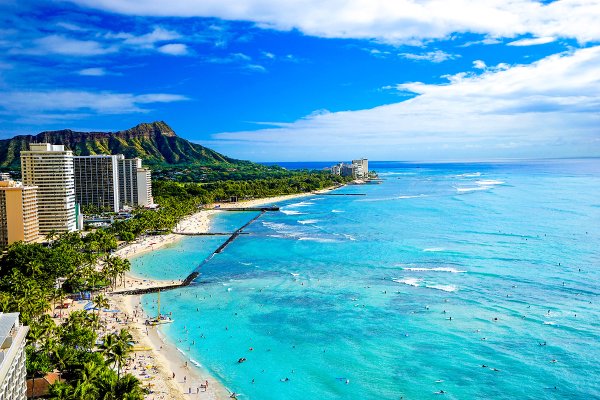
For summer visitors, this mostly registers as good news. Leeward (west-facing) coasts — Waikiki, Kaanapali, Kohala, Poipu — are already the driest parts of each island. El Nino makes them drier. The odds of a rain-free beach day go up. The odds of a waterfall at peak flow go down.
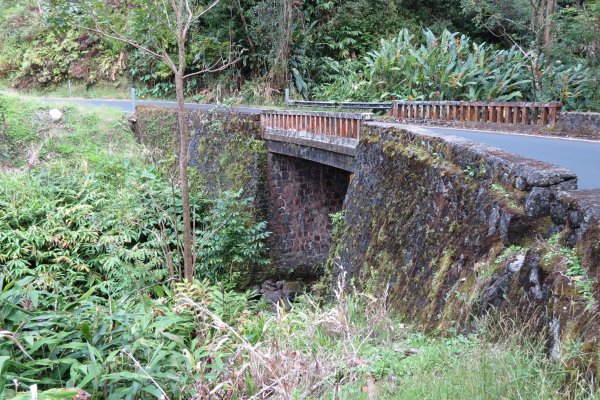
Windward and mauka (mountain) areas still receive rainfall in summer, but El Nino reduces it. If you are planning a Road to Hana drive on Maui or a hike in the Koʻolau Mountains on Oahu, you may encounter lighter showers than a typical summer. Stream crossings on the Kalalau Trail and in Waipiʻo Valley will be lower.
Weaker Trade Winds, Muggier Days
Hawaiʻi’s northeast trade winds are the islands’ natural air conditioning. They blow consistently from late April through September in a typical year, keeping humidity manageable and temperatures in the low-to-mid 80s. El Nino weakens them.
During El Nino summers, trade wind frequency drops. NOAA’s El Nino impact summary for Hawaiʻi documents fewer trade wind days, which means muggier conditions, especially at lower elevations. Kona (leeward) winds — warm, humid, and southwesterly — fill the gaps.
What this feels like on the ground: mornings are still pleasant, but midday heat lingers longer without the trades. Afternoon highs may push into the upper 80s in coastal areas, with heat index values in the low 90s. Not unbearable, but noticeably different from a normal Hawaiʻi summer.
Pack accordingly. Lightweight, moisture-wicking clothing. A refillable water bottle. Plan strenuous hikes for early morning. Afternoon beach time with shade access is the move.
Wildfire Risk Goes Up
Drier conditions and weaker trades are the same ingredients that fueled the August 2023 Lahaina wildfire. El Nino does not cause wildfires, but it creates the environment where they spread faster.
The DLNR drought forecast and the GACC Hawaiʻi seasonal outlook both flag elevated fire potential for leeward areas during El Nino summers. Non-native grasses that cover vast stretches of leeward land dry to tinder by June. When Kona winds replace the trades, the combination is dangerous.
Hawaiʻi has invested heavily in wildfire prevention since Lahaina — AI fire cameras, weather stations, and a Public Safety Power Shutoff program are all operational. But the risk is higher in an El Nino year than a neutral one.
For visitors, the practical impact is the same as what we outlined in our wildfire prevention guide: sign up for emergency alerts, ask about backup power at vacation rentals in leeward areas, and keep your rental car above half a tank.
Hurricane Season Gets More Attention
Hawaiʻi’s hurricane season runs June 1 through November 30. In neutral years, Central Pacific tropical cyclone activity is modest — one or two named storms, most of which pass well south of the islands. El Nino changes the math.
NOAA research shows that El Nino years bring above-average tropical cyclone activity in the Central Pacific basin. Warmer sea surface temperatures provide more fuel for storm development, and the shifted jet stream pattern can steer storms closer to the islands.
This does not mean a hurricane will hit Hawaiʻi this summer. Direct landfalls are rare — Hurricane Lane in 2018 and Hurricane Iselle in 2014 are the most recent near-misses. But the probability of tropical storm watches or hurricane warnings increases in strong El Nino years, particularly from August through October.
If you are booking a late-summer or fall trip, consider travel insurance that covers weather disruptions. Hawaiian Airlines and most major carriers waive change fees during declared weather emergencies, but trip interruption coverage adds a layer of protection for non-refundable hotel bookings.
Warmer Ocean, Better Snorkeling (With a Catch)
El Nino warms sea surface temperatures across the tropical Pacific. For Hawaiʻi, this means ocean temps in the 78-82 degree range through summer — a couple degrees above the 76-80 degree normal.
Warmer water makes snorkeling and swimming more comfortable without a rash guard. Visibility tends to be excellent during drier periods because less runoff enters the ocean from streams and rivers.
The catch: sustained warm ocean temperatures can trigger coral bleaching. Hawaiʻi experienced bleaching events during the 2014-2016 El Nino cycle, and DLNR marine biologists will be monitoring reefs closely this summer. If you snorkel at Hanauma Bay, Molokini Crater, or Captain Cook, you may see bleached coral — white patches where the algae that gives coral its color has been expelled by heat stress. The reef is still alive during bleaching, but under serious strain.
Reef-safe sunscreen (mineral-based, zinc oxide or titanium dioxide) is required by law in Hawaiʻi. Protecting reefs from chemical sunscreen stress is even more critical during a bleaching-risk summer.
What This Actually Means for Your Trip

El Nino is not a disaster scenario. For most visitors, it is a net positive for beach weather — more sun, less rain, warmer water. The tradeoff is muggy afternoons and slightly higher environmental risk in the background.
A few practical adjustments for an El Nino summer:
Hotter, less breezy conditions mean faster dehydration and sunburn. Bring a refillable water bottle, high-SPF mineral sunscreen, and a wide-brimmed hat. Book hikes, tours, and outdoor activities for early morning — by 11 AM, the heat builds and the trades may not be there to cool you down.
If chasing waterfalls is a priority, go early in the season (June) before drought conditions reduce flow. By August or September, some seasonal falls may be reduced to a trickle.
August through October carries higher hurricane risk. Travel insurance with weather disruption coverage costs $50-100 for a week-long trip and covers flight cancellations, hotel closures, and mandatory evacuations.
Rent a car so you can chase shade, hit beaches early, and retreat to air conditioning on the worst afternoons. Book through Discount Hawaii Car Rental for the best rates.
The Forecast in Context
Hawaiʻi just came out of a brutal spring. The March 2026 Kona Low storms dumped up to 40 inches of rain on parts of Oahu and Maui, triggering widespread trip cancellations and stalling the tourism recovery that had been building since the 2023 wildfires. HTA’s spring tourism update acknowledged the damage but noted that January and February 2026 showed strong visitor numbers before the storms hit.
El Nino flips the script. The same warming pattern that dries out leeward Hawaiʻi in summer also suppresses the kind of deep tropical moisture that produces Kona Lows. A strong El Nino summer likely means calmer, sunnier conditions through the peak travel months — the opposite of what March delivered.
If you were spooked by the storm headlines and postponed a trip, summer 2026 may be an unusually good window. Drier than average, warm, and clear. Just bring the sunscreen and drink your water.
Plan Your Summer Hawaii Trip
More guides for summer 2026 travel planning.