
Two Kona Low storms hit Hawaii in the span of two weeks — March 14 and March 20, 2026. Governor Josh Green called it the worst flooding in Hawaii in 20 years. Parts of Oahu received 8 to 12 inches of rain in hours, on top of ground already saturated from the first storm. The Wahiawa Dam came within feet of catastrophic failure. Damage estimates across the state could exceed $1 billion.
If you have a Hawaii trip coming up: don’t cancel. The state is open. But here’s what actually happened and what you should know.
The Wahiawa Dam Crisis
On the morning of March 20, water levels in the 120-year-old Wahiawa Dam reached 85 feet — just 3 feet below the crest. Water poured over the spillway at 1,500 gallons per second. Honolulu emergency officials issued an imminent dam failure notification just before 8:30 AM.
The 660-foot earthen dam holds up to 9,200 acre-feet of water. A breach would have sent a wall of water through Waialua and Haleiwa on Oahu’s North Shore. Evacuation orders went out to 5,500 residents. Five emergency shelters opened across Central and North Shore Oahu. The city re-evacuated 186 people and 45 dogs from Waialua High School to higher ground in Wahiawa.
By late afternoon, water levels dropped to 82.6 feet. Dole Food Company, which owns the dam, confirmed it remained structurally sound. The dam did not fail. But the near-miss exposed decades of deferred maintenance — state agencies had flagged the dam’s deficiencies since a 1978 Army Corps of Engineers report, and Dole received four notices of deficiency since 2009.
As of March 26, the state DLNR board is expected to authorize the department to take over the reservoir from Dole and begin safety upgrades.
Flooding Across the Islands
The damage wasn’t limited to the dam. The twin Kona Low storms hit multiple islands hard.
Oahu: Raging floodwaters lifted homes and cars on the North Shore. More than 138,000 people were placed under a life-threatening flash flood emergency. Crews rescued 236 people. About 10 were hospitalized for hypothermia. No deaths were reported.
Big Island: Properties in Ka’u and South Kona were flooded during the March 14 storm. Several schools sustained damage. Agricultural losses are mounting — the Hawaii Farmers Union Foundation estimates statewide farm damage exceeding $15 million.
Maui: Flooding temporarily cut off access to some areas, particularly underserved communities on Maui and Molokai. The Maui Rapid Response organization is providing mutual aid to affected residents.
Recovery and Relief Efforts
Recovery is underway. Here’s where resources are going:
Office of Hawaiian Affairs (OHA): Approved $3.96 million in disaster aid for Native Hawaiian households. That includes $410,000 in direct disaster grants and $250,000 in home repair grants (Malama Honua), ranging from $10,000 to $20,000 per household. Applications will be posted on the OHA website.
State Department of Agriculture: One-time grants of $1,500 for immediate farm recovery needs, plus emergency loans up to $100,000 at 3% interest through the Hawaii DOD disaster page.
Hawaii Community Foundation: Activated the Stronger Hawaii Fund to deploy resources statewide for response and recovery.
Federal aid: Governor Green has asked President Trump for a major disaster declaration to unlock federal recovery funding.
What This Means for Your Hawaii Trip
The storms are over. Trade winds returned by March 22. On March 22, the Hawaii Tourism Authority confirmed there is no reason to cancel or postpone upcoming travel to Hawaii. The state is open and welcoming visitors.
Airports: All Hawaii airports are operating normally. No flight cancellations related to weather as of this writing.
Hotels and resorts: Major resort areas — Waikiki, Ko Olina, Kaanapali, Wailea, Poipu, Waikoloa — were not significantly impacted. These areas are on the dry leeward sides of the islands, which receive far less rainfall than windward areas.
North Shore Oahu: Some roads and businesses in Haleiwa and Waialua may still be dealing with cleanup. If the North Shore is on your itinerary, check conditions before heading out. The surf breaks, beaches, and main highway (Kamehameha Highway) are open.
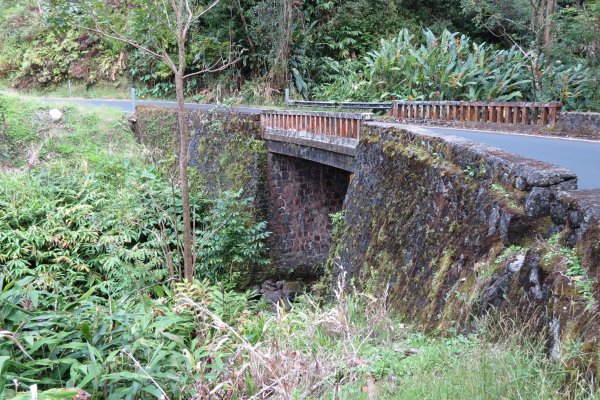
Driving conditions: Some secondary roads across the islands may have lingering damage. Watch for uneven pavement, debris, or temporary closures on rural roads, especially on the windward sides. A rental car gives you flexibility to adjust your route if you encounter closures.
How to Help
If you want to support Hawaii’s recovery, the most effective route is through established local organizations:
- Hawaii Community Foundation — Stronger Hawaii Fund: Deploys resources to affected communities statewide.
- Hawaii Farmers Union Foundation — Flood Response Fund: Direct aid to farms with flood damage across the islands.
- Hawaiian Council — Kako’o Oahu: Housing stability and financial assistance for Oahu residents, matching donations up to $200,000.
Visiting Hawaii is itself a form of support. Tourism dollars go directly into local businesses, restaurants, and communities. Showing up matters.
Stay Informed About Hawaii Travel
More resources for planning a safe, informed Hawaii trip.