
You float face-down in dark water, gripping a foam board ringed with lights. Below you, a manta ray with a 15-foot wingspan glides upward, mouth open, scooping plankton inches from your face. It barrel-rolls, banks, and comes back for another pass. The whole encounter lasts 30 to 45 minutes, and most people surface saying it was the single best thing they did in Hawaii.
Night manta ray tours operate exclusively off the Big Island’s Kona coast, where resident reef manta rays feed on plankton attracted by underwater lights. The tours run year-round, cost $99 to $169 per person, and have sighting success rates above 90%. No certification required. No prior snorkel experience needed. You just have to be comfortable floating in the ocean at night.
Why the Kona Coast (and Nowhere Else)
Manta rays exist throughout Hawaiian waters, but the Kona coast is the only place with a reliable, nightly setup for close encounters. The magic ingredient is light. Tour operators anchor near the reef and shine powerful underwater lights straight down, which attracts clouds of microscopic plankton. The plankton draws the mantas. It is an underwater campfire, and the rays are the moths.
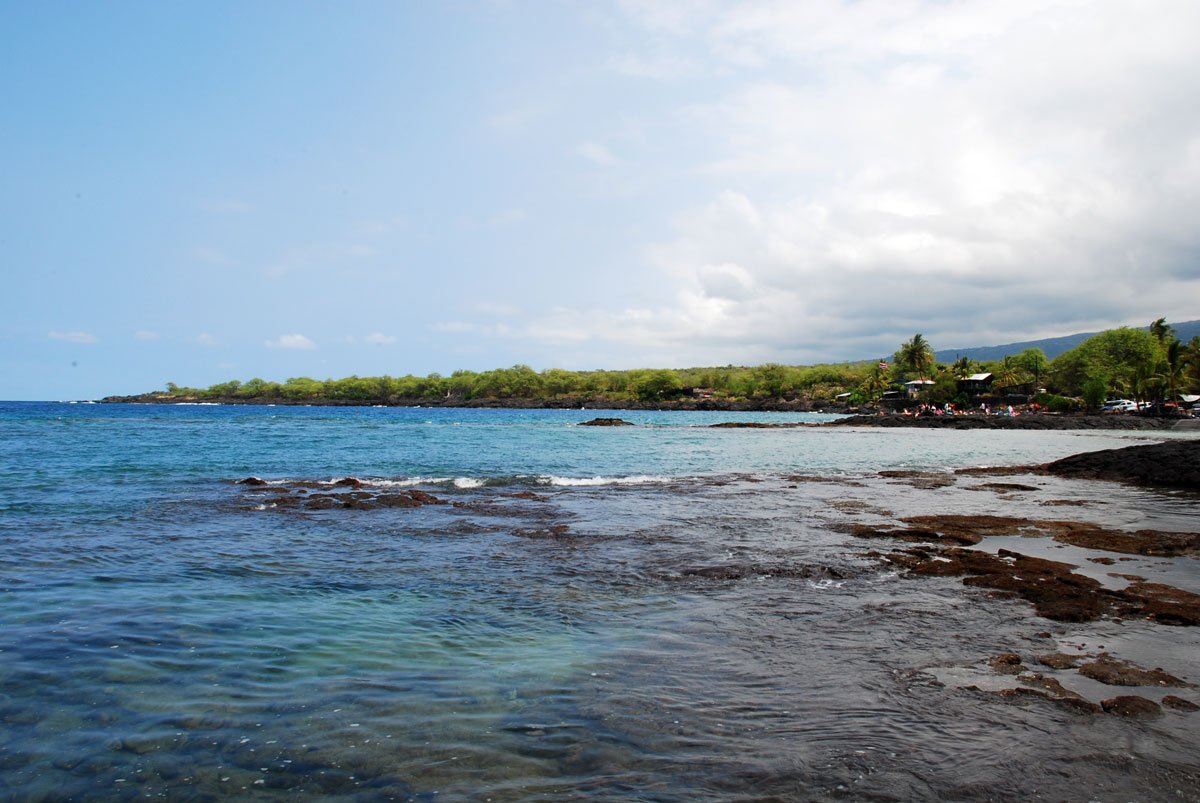
The primary site is Keauhou Bay, sometimes called “Manta Village.” A second site near the Kona airport also operates when conditions allow. Both spots have resident manta populations — these rays do not migrate. They live here full-time, which is why sighting rates stay so high across all seasons.
Other islands occasionally have manta sightings during dives or snorkel trips, but there are no dedicated manta tour operations on Oahu, Maui, or Kauai. If this is on your list, you are going to the Big Island.
Snorkel vs. Scuba: Two Different Experiences
Both options put you in the water with mantas. The perspective is completely different.
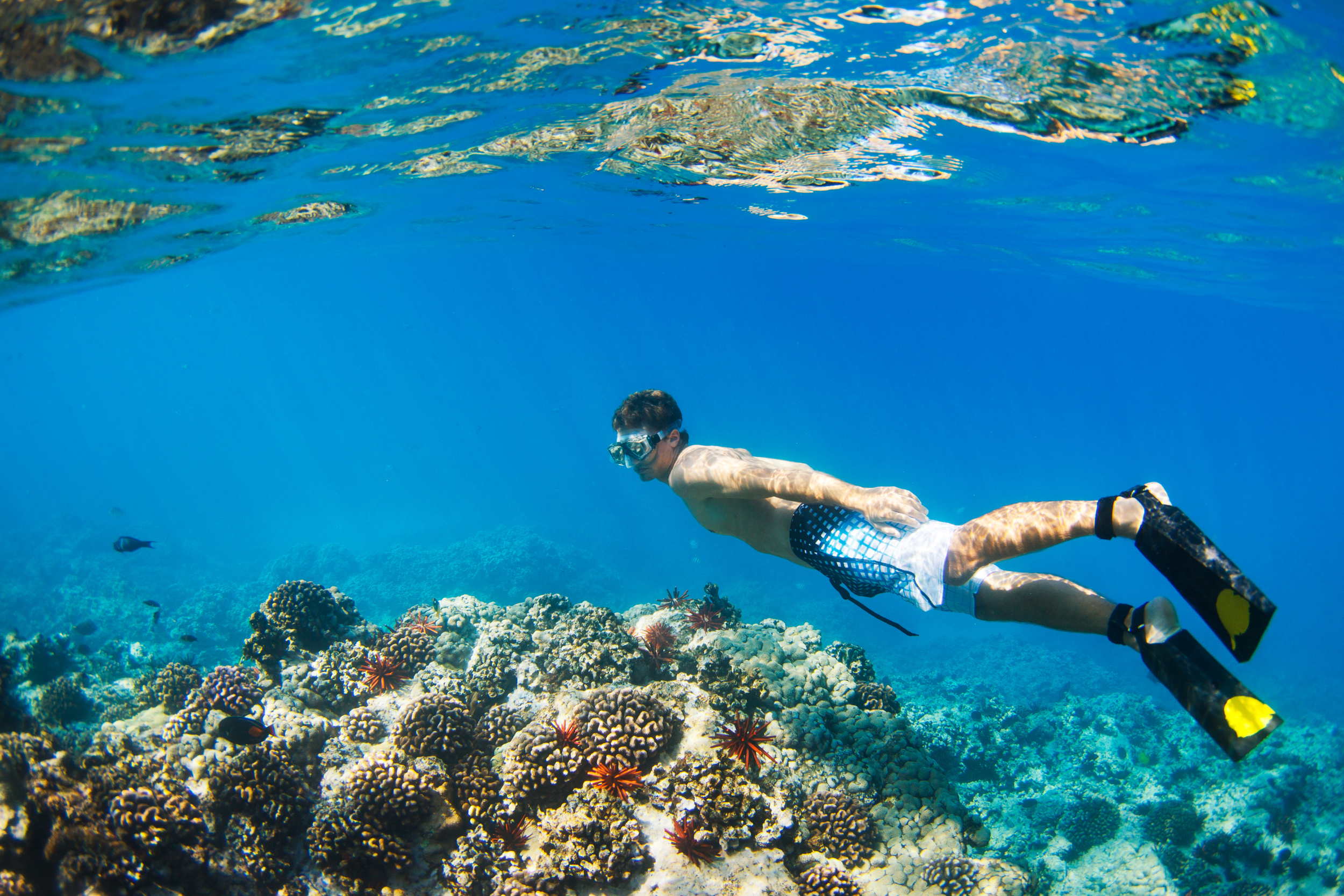
Snorkeling (most popular, no certification needed). You float at the surface holding a lit surfboard or flotation bar. The lights attract plankton below you, and mantas swim up from the depths to feed — rolling, banking, and looping directly beneath your body. You watch from above. This is the option that works for families, first-timers, and anyone who is not scuba-certified. Minimum age is typically 5 years old.
Scuba diving (certified divers only). You sit on the ocean floor at about 30 feet, looking up. Lights are positioned around you, and the mantas feed in the illuminated column above your head. The perspective is dramatic — you see the full underside of the rays as they glide overhead. You need an Open Water certification at minimum.
The snorkel version is more popular, more accessible, and arguably more intense because the mantas feed closer to the surface. But divers who have done both often say the bottom-up view is unforgettable. If you are certified, consider doing both on separate nights.
What It Costs and Who to Book With
Night manta ray snorkel tours on the Kona coast run $99 to $169 per person. Scuba manta dives cost slightly more. All tours include snorkel gear, wetsuits, and a boat ride to the site. Most depart from Keauhou Bay or Honokohau Harbor.
Several operators have strong track records:
Kona Honu Divers focuses on small groups and marine education. They run both snorkel and scuba manta trips and are known for giving thorough safety briefings.
Manta Ray Advocates was founded by marine biologists. A portion of your ticket funds active manta research. Their guides identify individual rays by belly markings and share real-time population data.
Sea Quest Hawaii operates rigid-hull inflatable boats that access sites other vessels cannot reach. Good option if you want a less crowded experience.
Big Island Divers has been running Kona dive and snorkel tours for decades. Reliable and straightforward.
Most operators offer a free re-ride guarantee if no mantas show up. Given that sighting rates hit 96% or higher during peak months (April through October 2025 data), you are unlikely to need it.
Book at least a week in advance during summer. Tours fill up. If your schedule is flexible, book for early in your trip so you have a backup date if seas are too rough.
Best Time of Year to Go
Mantas feed year-round in Kona, but conditions vary by season.
April through October is the sweet spot. Seas are calmest, cancellation rates are lowest, and water temperatures sit in the 75-80 degree range. Operators reported 100% sighting success on operating nights during May, June, July, and September of 2025.
November through March still works, but winter swells increase the chance your tour gets canceled due to rough seas. Water is slightly cooler (73-76 degrees). Mantas are still present — they do not migrate — but you may need to be flexible with your schedule.
All tours happen after dark. Departure times shift with sunset: roughly 5:30 PM in winter, 6:30 PM in summer. Total time on the water is about two to three hours, including the boat ride out, the swim, and the return.
What the Experience Is Actually Like
Here is the sequence, start to finish.
You check in at the harbor 30 minutes before departure. The crew fits you with a wetsuit and snorkel gear. On the boat ride out (10-15 minutes), the captain gives a safety briefing and explains how the encounter works: stay on your flotation board, keep your arms inside the light ring, do not touch anything.
At the site, you slip into the water and grab your lit board. The lights are already drawing plankton. Within minutes — sometimes seconds — the first manta arrives. The rays feed in a repeating loop pattern, swimming toward the light, mouth open, then banking and circling back. They come within inches of you. You can see the gill rakers inside their mouths filtering plankton.
Some nights, two or three mantas show. Some nights, a dozen. The Kona manta population includes over 300 individually identified rays, and researchers have cataloged them by the unique spot patterns on their bellies.
After 30 to 45 minutes in the water, the crew calls everyone back to the boat. Hot chocolate, water, and snacks are standard on most tours. You are back at the harbor by 8:30 or 9:00 PM.
Rules You Need to Follow
Manta rays are protected under Hawaii state law (Act 92), which prohibits capturing, killing, or harassing them in state waters. Fines start at $500 for a first offense and escalate to $10,000 for repeat violations, plus potential seizure of vessels and equipment.
In practical terms for tour participants, the rules are simple:
Do not touch the mantas. Their skin has a protective mucus coating. Human contact removes it and exposes the ray to infection. Your tour guides will reinforce this — hands on the board at all times.
Stay still. Manta rays are not dangerous (no barbs, no stingers, they eat plankton), but they are skittish. Splashing and sudden movements push them away. The calmer the group, the closer the mantas come.
Use reef-safe sunscreen. Hawaii law requires biodegradable, reef-safe sunscreen in ocean waters. Chemical sunscreens containing oxybenzone and octinoxate are banned. Apply before you arrive, not on the boat — the crew will ask.
The reef manta ray is classified as Vulnerable by the IUCN, and the oceanic manta ray is listed as Threatened under the U.S. Endangered Species Act. The Kona manta population is doing well compared to global populations, but the tourism load is a live issue. In late 2024, a court order halted new commercial use permits for manta tour operations, and environmental impact reviews are underway before new permits can be issued.
Practical Tips
Motion sickness is real. You are on a boat at night, then floating in swells. If you are prone to seasickness, take Dramamine or Bonine 30 minutes before departure. The non-drowsy formulas work fine.
You do not need to be a strong swimmer. The wetsuit and flotation board keep you on the surface. You are not free-diving. That said, you do need to be comfortable with your face in the water in the dark. If that sounds unpleasant, this may not be your activity.
Wear a rashguard under the wetsuit to prevent chafing. The crew provides wetsuits, but they are rentals — a rashguard adds a comfort layer.
Leave the GoPro debate at home. Some operators allow cameras, some do not. Those that do will tell you to use a wrist strap. If you drop a GoPro, it sinks to the reef, and the crew is not going after it. Check your operator’s camera policy when you book.
Rent a car. Most tours depart from Keauhou Bay or Honokohau Harbor, both south of the Kona airport. You will need transportation back to your hotel after 9 PM. A rental car gives you flexibility.
Is It Worth It?
At $139 for a 2-hour tour with 90%+ odds of swimming alongside 15-foot rays, this is one of the highest-value wildlife experiences in the United States. There is nothing like it on the mainland. The closest comparison is cage diving with sharks in South Africa or swimming with whale sharks in Mexico — except manta tours are cheaper, more accessible, and available every night of the year.
It is the single activity I recommend most on the Big Island, above volcano tours, above Mauna Kea stargazing, above snorkeling at Two Step. Book it for the first or second night of your trip so you have a weather backup. And if you are debating between the Big Island and another island for your Hawaii trip, this alone tips the scale.
Plan Your Big Island Trip
More guides for the Kona coast and Big Island activities.