
The 43rd Pan-Pacific Festival runs June 12-14, 2026, across multiple venues from Ala Moana Center to Waikiki. Three days of hula, live music, cultural performances from Japan and the Pacific Rim, a block party that shuts down Kalakaua Avenue, and a sunset parade through the heart of Waikiki. Every single event is free. If your trip overlaps with this weekend, rearrange your schedule around it.
What Is the Pan-Pacific Festival
The festival started in 1980 as “Matsuri in Hawaii” — a small cultural exchange between Hawaiʻi and Japan during a period when Japanese tourism to the islands was booming. The founders wanted that cross-cultural contact to go deeper than shopping and sightseeing. (Pan-Pacific Festival — About Us)
By 1996, the scope expanded beyond Japan to include cultures from across the Pacific Rim, and “Matsuri in Hawaii” became the Pan-Pacific Festival. It returned in 2024 after a five-year COVID hiatus and drew thousands of performers and attendees back to Waikiki. (Hawaiʻi News Now — Pan-Pacific Festival Returns)
The Pan-Pacific Festival Foundation is now a 501(c)(3) nonprofit supported by the Hawaiʻi Tourism Authority through its Signature Events Program. Performers travel from Japan (hula hālau, taiko drummers, musicians, dancers) and share stages with local Hawaiian, Filipino, Samoan, and other Pacific Island groups. No other free event in Hawaiʻi packs this much cultural programming into a single weekend. (Pan-Pacific Festival Foundation)
2026 Schedule: Day by Day
Friday, June 12 — Hoʻolauleʻa Block Party
The weekend opens with the Pan-Pacific Hoʻolauleʻa, a street festival on Kalakaua Avenue between Seaside and Uluniu Avenues. Kalakaua shuts down to traffic at 5:00 p.m. The block party runs from 7:00 to 10:00 p.m. (Pan-Pacific Hoʻolauleʻa)
Picture Waikiki’s main drag turned into a pedestrian-only cultural corridor. Stages at both ends. Performance groups rotating every 20-30 minutes — taiko, hula, Okinawan dance, Japanese folk music, contemporary Hawaiian. Food vendors line the closed-off street. The energy is high, the crowd is mixed (locals, Japanese tourists, families, honeymooners), and the whole thing is free.
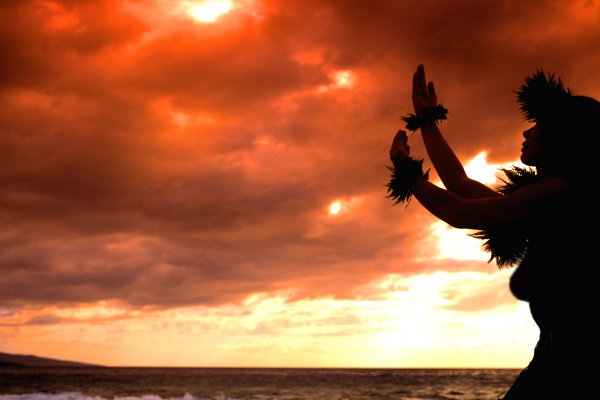
The Hula Festival also kicks off Friday evening, 5:00-7:00 p.m. at the Kuhio Beach Hula Mound near the Duke Kahanamoku statue. Hula hālau from Hawaiʻi and visiting groups from Japan perform on the oceanfront stage. (Pan-Pacific Festival — Schedule)
Saturday, June 13 — Cultural Performances
Saturday is the densest day for programming. Performances run 10:00 a.m. to 10:00 p.m. at three simultaneous venues: Ala Moana Center (Centerstage), International Market Place, and Waikiki Beach Walk. (Pan-Pacific Festival — Venues)
Expect rotating acts all day. Japanese performing arts groups share the stage with Hawaiian slack-key guitarists, Polynesian dance troupes, and martial arts demonstrations. In past years, over 100 performance groups have participated across the weekend. If you like one venue, park yourself and watch the rotation. If you want variety, hop between the three — they’re all within a 10-minute walk of each other.
The Hula Festival continues Saturday, 4:30-9:00 p.m. at the Kuhio Beach Hula Mound. Saturday evening’s hula program is the longest of the weekend.
Sunday, June 14 — Parade Finale
Cultural performances continue through the day at Ala Moana Center and International Market Place. But the main event is the Pan-Pacific Parade, the festival’s grand finale.
As the sun sets over Waikiki, the parade steps off from Fort DeRussy Park and marches down Kalakaua Avenue to Kapiʻolani Park. Colorful floats, Japanese matsuri groups in traditional happi coats, hula hālau, taiko drummers, marching bands, and cultural delegations from across the Pacific. Kalakaua Avenue closes to traffic at 4:00 p.m. from Kalakaua to Monsarrat Avenue. (Pan-Pacific Parade)
The final Hula Festival session runs 6:30-10:00 p.m. at the Kuhio Beach Hula Mound, wrapping the weekend with oceanfront performances under the stars.
Where to Watch the Parade
The parade route runs along Kalakaua Avenue from Fort DeRussy to Kapiʻolani Park. Your best viewing spots:
The stretch between the Royal Hawaiian Center and the Moana Surfrider is the prime spot — you get the ocean backdrop and the performers are fully warmed up by this point. Arrive by 5:00 p.m. to claim sidewalk space.
Near Kapiʻolani Park at the end of the route is less crowded and easier to photograph — performers are more relaxed here and sometimes stop for extended interactions with the crowd.
Avoid the Fort DeRussy staging area unless you want to see the lineup form. It’s chaotic before the start and the performances haven’t hit their stride yet.
Logistics and Getting There
All events are free. No tickets, no reservations, no wristbands. Show up and walk in.
Getting around: If you’re staying in Waikiki, walk. Every venue is within the Waikiki-Ala Moana corridor. If you’re coming from elsewhere on Oʻahu, TheBus routes 2, 8, 19, 20, and 42 all stop in Waikiki. The Skyline rail connects to Ala Moana Center. Expect Kalakaua Avenue road closures Friday evening (5:00 p.m.) and Sunday afternoon (4:00 p.m.) — if you’re driving, plan for traffic detours. (Honolulu DTS — 2026 Parade Schedule)
Parking: Ala Moana Center’s garage is your best bet early in the day (free with validation). In Waikiki proper, hotel garages run $6-$10/hour. Street parking along Kalakaua will be unavailable during closures.
Food: Festival food vendors at the Hoʻolauleʻa on Friday are part of the experience — expect plate lunches, musubi, takoyaki, mochi, and shave ice. Saturday and Sunday, the surrounding Waikiki restaurants are all within walking distance.
If you don’t have a rental car yet and want to explore beyond Waikiki during your trip, compare rates at Discount Hawaii Car Rental.
Why This Festival Is Worth Your Time
Most Waikiki events cater to tourists. The Pan-Pacific Festival is different. It exists because of a real historical relationship between Hawaiʻi and Japan — one built over decades of immigration, cultural exchange, and shared Pacific identity. The performers aren’t hired entertainment. They’re cultural ambassadors, many of whom travel from Japan specifically for this weekend.
You’ll see hula performed by hālau who’ve trained for months. Taiko drumming that rattles your chest. Okinawan sanshin music. Filipino tinikling dancers. All of it free, all of it outdoors, all of it in the middle of Waikiki.
You get three days of this for free. No resort brochure comes close.
Plan Your Oahu Trip
More guides for exploring Waikiki and Oahu.