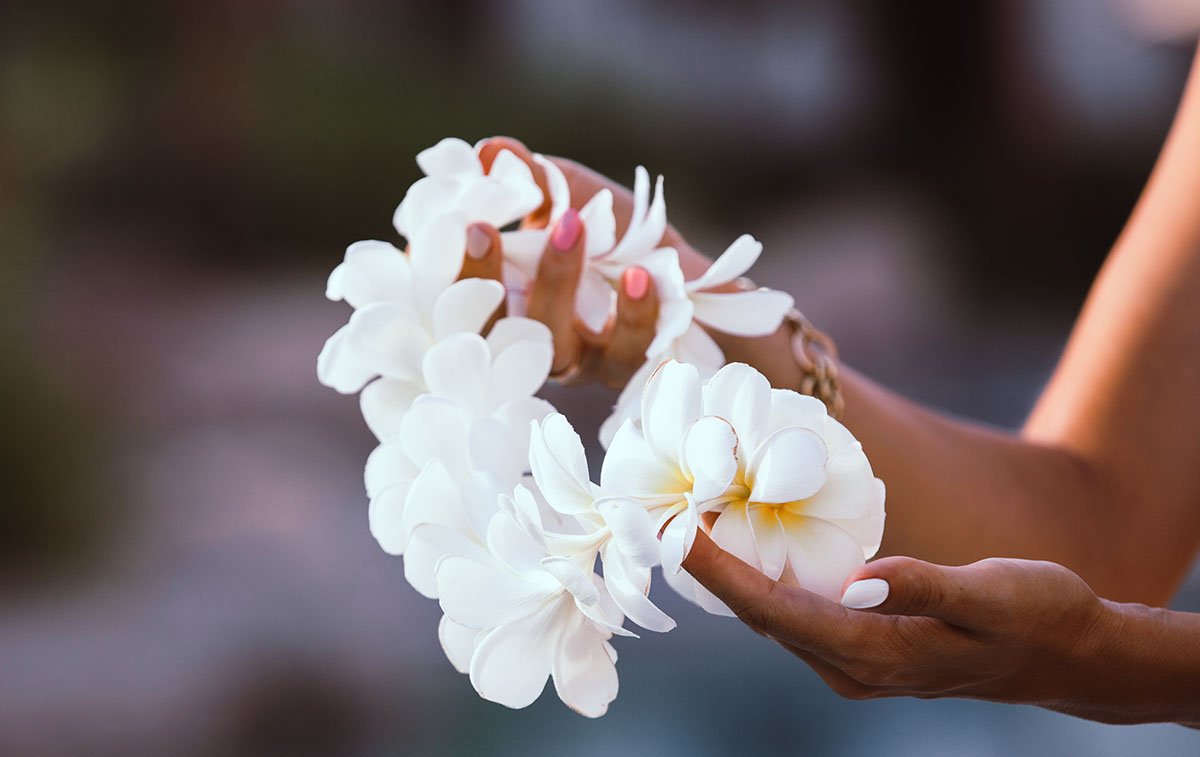

The 98th Annual Lei Day Celebration takes over Kapiʻolani Park on May 1, 2026, from 9 a.m. to 5 p.m. Free. Open to the public. The single most Hawaiian public event you can attend. If your trip overlaps with May 1, rearrange your schedule. The lei contest alone — hundreds of handcrafted lei displayed in open exhibition — is unlike anything else you’ll see in Hawaiʻi.
May Day Is Lei Day
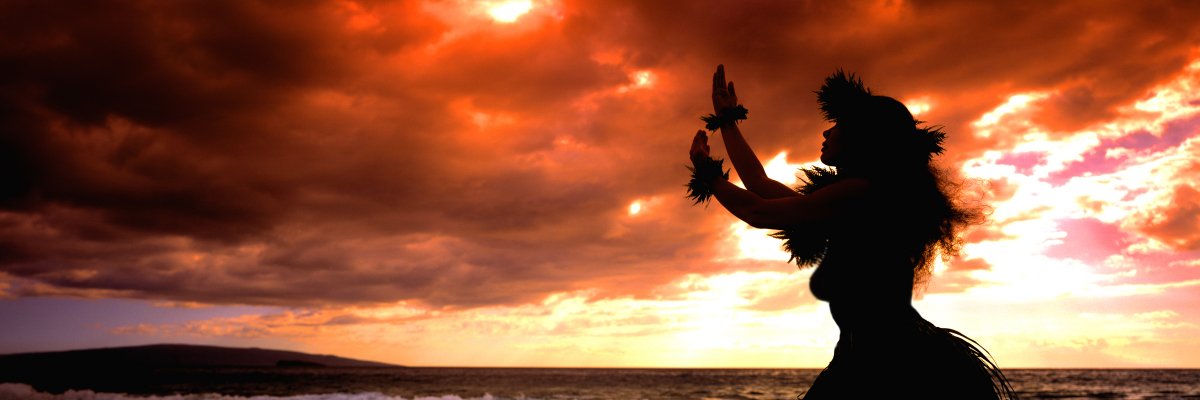
The phrase “May Day is Lei Day in Hawaiʻi” goes back to 1928. Don Blanding, a poet and writer for the Honolulu Star-Bulletin, proposed a holiday honoring the Hawaiian lei in a column published February 13, 1928. His colleague Grace Tower Warren suggested tying it to May 1 and coined the slogan. The first Lei Day was held that same year in the lobby of Bank of Hawaiʻi. (Kamehameha Schools — The History of May Day and Lei Day)
Governor Wallace R. Farrington made it official in 1929, declaring May 1 “Lei Day” statewide. The early celebrations were held at Honolulu City Hall with pageant princesses representing each island, wearing lei of their island’s signature flower. When the event outgrew City Hall, it moved to Kapiʻolani Park — where it has stayed ever since. (LeiDay.org — The History of Lei Day)
For Hawaiians, Lei Day was never just about flowers. It was a deliberate act of cultural preservation at a time when Hawaiian traditions were being erased by modernization and Americanization. The lei is a circle — no beginning, no end. It’s aloha you can hold in your hands. (Wikipedia — Lei Day)
2026 Theme: ʻUala (Sweet Potato)
Each year’s celebration has a theme plant. For 2026, it is ʻuala — the Hawaiian sweet potato (Ipomoea batatas). The official theme is Mai ka hoʻokuʻi i ka hālāwai, which translates roughly to “From zenith to horizon,” invoking spirits from all directions. (Honolulu DPR — 98th Lei Day Celebration)
This is year three of a four-year theme series tied to the Hōkūleʻa’s Moananuiākea Voyage — the traditional voyaging canoe’s circumnavigation of the Pacific. Each year’s theme is a voyaging proverb from Mary Kawena Pukui’s ʻŌlelo Noʻeau. The series started with kī (ti plant) in 2024 and wraps with kou in 2027. (Spectrum News — Lei Day Themes for 4 Years)
ʻUala was one of the original canoe plants brought to Hawaiʻi by Polynesian voyagers. It was a staple food crop — more widely grown than taro in some regions. Expect to see the vines, leaves, and flowers of ʻuala woven into contest lei in ways you wouldn’t predict. The theme plant always pushes lei makers into inventive territory.
The Lei Contest
The Lei Contest is the centerpiece of the day. Lei makers from across the islands submit handcrafted lei in categories spanning traditional methods — simple kui (strung) styles, intricate haku (braided), wili (wound) techniques.
Want to enter? Fresh flower lei must be submitted between 7:30 a.m. and 9 a.m. at the Lei Receiving Booth. Entry fee is $10 per lei, and the contest is open to anyone — not just residents. But even if you’re not competing, the contest exhibit is the highlight. Hundreds of lei go on public display from 1 p.m. to 4:45 p.m. near the Waikīkī Shell parking lot. The detail will stop you in your tracks — lei made from flowers, ferns, seeds, shells, feathers, and this year’s theme plant ʻuala. (Honolulu DPR — Lei Day)
The next morning, May 2, fresh flower lei from the contest are carried to Mauna ʻAla (the Royal Mausoleum) at 9 a.m. and then to Kawaiāhaʻo Church around 10:15, where they are placed on the graves and tombs of Hawaiʻi’s aliʻi. The public is invited. The Lei Court performs hula and oli (chant), then visitors help drape the lei on the burial places. No fanfare. Just lei on stone. If you’re still on Oʻahu on May 2, this is worth the early morning. (DLNR — Royal Mausoleum State Monument)
What Else Happens at Lei Day
Beyond the lei contest, the day is packed.
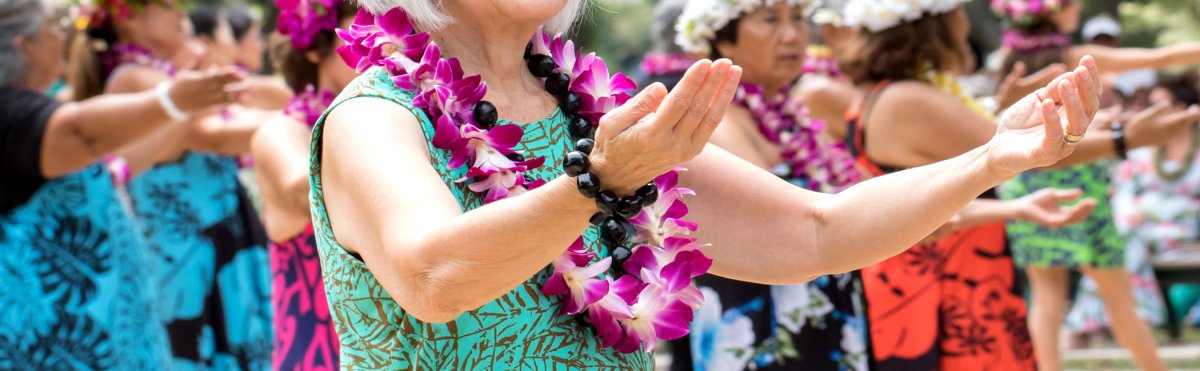
Free lei-making workshops run throughout the day at the park. You can sit down, learn a basic technique, and make your own lei from fresh materials. No experience needed. This is the single best hands-on cultural activity a visitor can do for free in Honolulu.
Live hula and music performances run all day on the bandstand stage. Hula hālau perform alongside slack-key guitar players and Hawaiian vocalists. Blankets on the grass, families eating plate lunch, music drifting through the ironwood trees. Relaxed in a way that organized events rarely are.
The Lei Court adds another layer. Each year, contestants compete for spots on the court based on lei-making skill, hula, poise, and public speaking in both English and Hawaiian. The 2026 Lei Court — Queen Puamana Garcia, First Princess Chariya Willis, and Princess ʻAlohilani Alegarbes — will serve as the City’s Ambassadors of Aloha at public events throughout the year. (KHON2 — Lei Court Contestants Announced)
Local artisans and food vendors fill out the park. Hawaiian-made crafts, jewelry, and plate lunch. Come hungry.
Each Island Has Its Own Flower
One of the traditions that makes Lei Day distinct: each Hawaiian island has an official flower, and you’ll see all of them represented at the celebration.
Oʻahu wears ʻilima, a small golden-yellow flower. Lei made from ʻilima require hundreds of individual blossoms and are among the most prestigious in Hawaiian culture. Maui wears lokelani, a small pink damask rose. The Big Island wears lehua, the red blossom of the ʻōhiʻa tree — tied to the Pele and Hiʻiaka legends. Kauaʻi wears mokihana, a small green berry with a distinctive anise scent found nowhere else.
The smaller islands have their own: Molokaʻi wears white kukui blossom (candlenut), Lānaʻi wears kauna’oa (an orange air vine), and Niʻihau wears pūpū — tiny shells, not flowers. Niʻihau shell lei are among the rarest lei in existence. A single strand can sell for thousands of dollars.
Practical Tips for Visitors
The celebration is at Kapiʻolani Park near the Bandstand, at the Diamond Head end of Waikīkī. If you’re staying in Waikīkī, walk. It’s about 15 minutes from the center of the hotel strip.
Parking fills early. The park lots are small, and street parking along Monsarrat and Paki Avenues goes fast. Walk from Waikīkī, take TheBus (check current routes at TheBus.org — the system was restructured in 2024), or rideshare. Do not plan on finding a spot after 9 a.m.
Bring reef-safe sunscreen (Hawaiʻi bans oxybenzone and octinoxate statewide, and Maui County and Hawaiʻi County require mineral-only formulas), a hat, a reusable water bottle, and a blanket or mat to sit on. Shade is limited in the open areas of the park.
For the best lei contest viewing, arrive mid-morning. By late afternoon some lei have been removed. Music and performances run all day, so there’s no single must-be-there moment, but the energy peaks midday.
You won’t need a rental car for Lei Day itself, but if you’re exploring beyond Waikīkī during your Oʻahu stay, use Discount Hawaii Car Rental to compare rates. Book ahead for May — inventory tightens.
If you have kids: most elementary schools across Hawaiʻi hold their own Lei Day programs with hula performances and May Day courts. Kids in flower crowns performing hula they’ve rehearsed for weeks. Ask your hotel concierge if any nearby schools have public-facing celebrations.
Lei Day Beyond Oʻahu
The Kapiʻolani Park celebration is the flagship event, but Lei Day is observed statewide. Hotels, resorts, and cultural centers on every island typically hold their own lei-making activities and performances on May 1. The scale varies — nothing matches the Honolulu event — but the spirit is the same.
If you’re on Maui, the Maui Arts & Cultural Center often hosts programming. On the Big Island, check with the Hilo and Kona visitor centers for local events. Kauaʻi celebrations tend to be smaller and community-driven, which gives them a more intimate feel.
Wherever you are in Hawaiʻi on May 1, wear a lei. Buy one from a roadside stand, get one at a farmers market, or make one at a workshop. It is the most Hawaiian thing you can do on this day.
Plan Your Oʻahu Visit
More resources for experiencing Hawaiian culture and planning your trip.