
Hawaiʻi’s hiking landscape is shifting heading into summer 2026. A brutal Kona Low storm in March knocked out trail access across Oʻahu’s North Shore. Mānoa Falls is under temporary maintenance restrictions. The Kīlauea Visitor Center on the Big Island won’t reopen until late 2026. And the state legislature is — once again — debating whether to bill trespassing hikers for their own rescue.
None of this means you can’t hike in Hawaiʻi this summer. You can, and the trails that are open are some of the best in the Pacific. But the days of just showing up and winging it are over. Reservations, closures, and fee changes demand a little homework. Here’s the full picture.
Oʻahu: Storm Closures and Maintenance Windows

The March 2026 Kona Low dumped heavy rain across Oʻahu’s Waianae and North Shore areas. Farrington Highway flooded with over a foot of water in both directions, and evacuation orders went out for parts of Mokulēʻia and Waialua. The damage closed multiple state parks, and some remain shut as of late March. Hawaiʻi News Now — Farrington Highway flooding
Kaʻena Point State Park is closed on both sides. The Mākua-Keawaʻula (west) section is shut due to a collapsed section of Farrington Highway. The Mokulēʻia (north) section closed because of saturated and eroded access roads. No reopening date has been announced. If Kaʻena Point was on your list, you’ll need to wait for DLNR updates. DLNR Oʻahu Park Closures — March 23, 2026
Ahupuaʻa O Kahana State Park on the windward coast is closed for storm debris removal. Puʻu o Mahuka Heiau near Waimea Bay is closed for cleanup. Waʻahila Ridge State Recreation Area above Mānoa is closed for tree trimming.
Mānoa Falls Trail is under modified hours through at least April 11. During the weeks of March 30 and April 6, the trail closes 6 a.m. to 2 p.m. on weekdays for maintenance — erosion repair, vegetation clearing, and storm damage fixes. It opens at 2 p.m. those days and runs normal hours on weekends and holidays. DLNR News Release — Mānoa Falls maintenance
Diamond Head: Reservations Still Required, Slots Still Tight
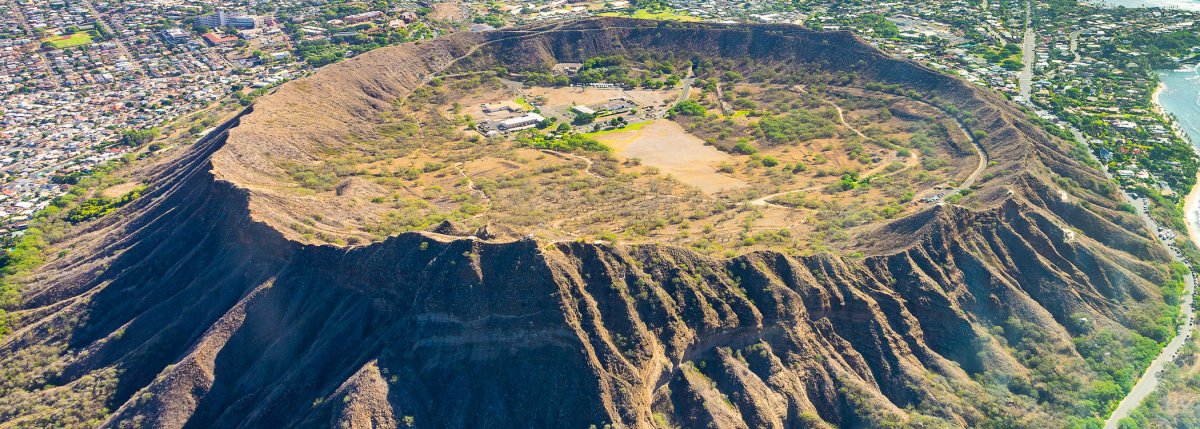
Diamond Head State Monument hasn’t changed its rules, but the reservation system continues to trip up visitors who don’t plan ahead. Non-residents need advance reservations for both entry ($5/person) and parking ($10/vehicle). Reservations open 30 days out and popular sunrise slots (6–7 a.m.) sell out within hours. Diamond Head State Monument — Reservations
If you miss the sunrise window, mid-morning slots between 9 and 11 a.m. are easier to grab. You can also skip parking entirely by taking TheBus Route 23 from Waikīkī. Arrive within the first 30 minutes of your reservation window — show up late and you’ll be turned away with no refund.
Hawaiʻi residents are exempt from fees and reservations with valid state ID. But if you’re visiting with a local friend, you still need your own reservation.
Koko Crater Stairs: Open, but Watch the Summit
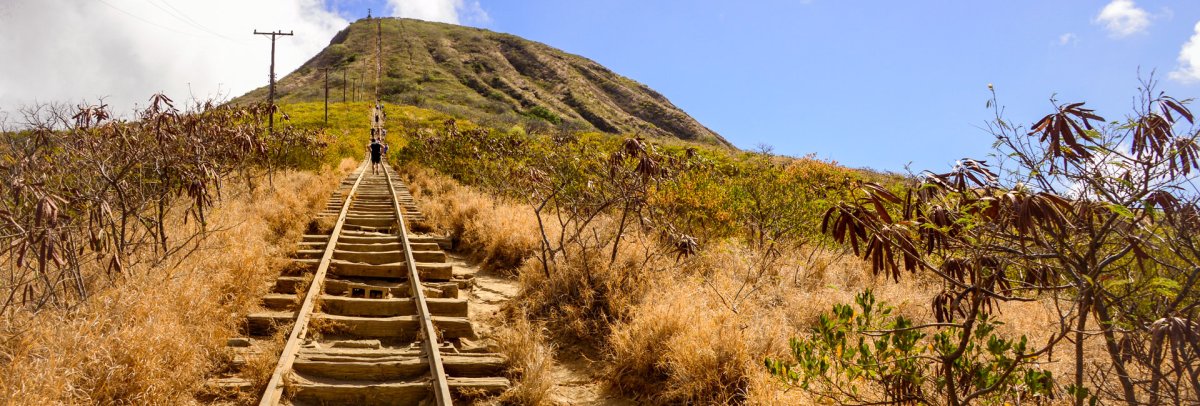
Koko Crater Railway Trail (the “Stairs of Doom”) is open and running 24/7. The 1,048-step grind up the old tramway is one of Oʻahu’s most popular hikes, and there’s no reservation required.
The summit bunker area saw safety improvements after a child fell into a shaft in mid-2025. The Department of Parks and Recreation sealed the bunkers and cleared a beehive issue halfway up the tramway. The new viewing platform installed in 2023 ($426,800 project) remains in good shape. Honolulu Magazine — Koko Crater Trail renovation
One thing to know: Koko Crater and Diamond Head are the top two hike rescue sites in the state. Start early (before 7 a.m.) to beat the heat, bring at least a liter of water, and don’t underestimate the steepness. There’s no shade on the climb.
Haiku Stairs: Still Off-Limits, Fate Unresolved
The Haʻikū Stairs (“Stairway to Heaven”) remain closed and illegal to access. The Honolulu city council voted to remove the 3,922-step structure in 2021 and awarded a $2.6 million demolition contract to Nākoa Companies in 2024. But the Friends of Haʻikū Stairs filed suit and won an injunction in July 2024, halting demolition while litigation continues. Hawaiʻi News Now — Haiku Stairs removal announcement
The stairs sit in limbo. They’re not open to hikers. Attempting the hike from any access point is trespassing, and DLNR enforcement officers regularly patrol the area. Social media posts showing people on the stairs are documenting a crime, not a travel tip. Plan your Oʻahu hiking elsewhere.
Big Island: Kīlauea Visitor Center Closed Through Late 2026
Hawaiʻi Volcanoes National Park is open 24 hours a day, but the Kīlauea Visitor Center (KVC) is closed for a major renovation that won’t wrap until late 2026. The project is Phase Two of disaster recovery from the 2018 eruption and summit collapse that shut most of the park for 134 days. NPS — Kīlauea Visitor Center renovation
The renovation is adding a covered hālau (pavilion), relocating restrooms, expanding interior visitor space, installing bilingual exhibits in English and ʻŌlelo Hawaiʻi, and moving the former Jaggar Museum collection into the building. As of March 2026, roof work on the hālau is complete, contractors are installing fascia and sheathing, and plumbing and electrical rough-ins for restrooms are nearly finished. NPS — March 2026 park updates
In the meantime, ranger services, the NPS Passport stamp, Junior Ranger books, and the Hawaiʻi Pacific Parks Association store have moved to a temporary Welcome Center at Kilauea Military Camp (KMC), open daily 9 a.m. to 4:45 p.m. Bring your own water — the KVC water station is offline during construction.
The park’s trails, Crater Rim Drive, Chain of Craters Road, and lava viewing areas are all still accessible. You’re not missing the hikes — just the building.
Maui: ʻĪao Valley Reopening, Waiʻānapanapa Access
ʻĪao Valley State Monument closed in late March 2026 and has a tentative reopening of March 31. If you’re visiting in early April or beyond, it should be accessible — but check the DLNR State Parks page before driving out.
Waiʻānapanapa State Park (the black sand beach on the Road to Hana) shut down for the last week of March for maintenance. It requires advance reservations year-round for non-residents: $5 entry per person, $10 parking. Slots open 30 days ahead. Summer demand is high, so book the moment your window opens. Waiʻānapanapa Reservations
Haleakalā National Park operates normally, but the sunrise reservation system ($1 per car, separate from the $30 park entrance fee) still catches visitors off guard. Sunrise reservations open 60 days in advance and sell out fast. If you miss the sunrise window, sunset from the summit is just as spectacular — and free with your park entrance, no additional reservation needed.
Kauaʻi: Kalalau Trail Open, Molokaʻi Parks Under Renovation
Good news for Kauaʻi hikers: the Kalalau Trail along the Nā Pali Coast is open. Permits are required for hiking beyond Hanakāpīʻai (the 2-mile mark) and for overnight camping. Secure these well in advance through the Nā Ala Hele permit system — summer permits move fast.
On Molokaʻi, Palaʻau State Wayside and its camping areas are closed for renovations through May 4, 2026. If you were planning a Molokaʻi side trip with camping, adjust your dates accordingly.
The Rescue-Cost Debate: What Hikers Should Know
The Hawaiʻi state legislature is once again considering bills that would charge trespassing hikers for their own rescue. This is the fourth time in seven years the idea has surfaced. Honolulu Star-Advertiser — Legislative bills address rescue costs
Senate Bill 2358, introduced by Sen. Lynn DeCoite, would require government entities to recover search-and-rescue costs from hikers rescued while trespassing. DeCoite cited social media influencers who deliberately trespass on closed trails for content, driving up rescue demand. Helicopter rescues run about $1,500 per hour.
Senate Bill 2937 proposes a “hike safe card” — an annual fee ($25 individual, $35 family) that funds a search-and-rescue pool, similar to programs in Colorado and Utah. The DLNR has noted the bill doesn’t clearly benefit cardholders beyond contributing to the fund.
Neither bill has passed yet, and the Honolulu Fire Department opposes reimbursement mandates, arguing they’ll discourage injured hikers from calling for help. But Hawaiʻi is clearly moving toward holding trespassers accountable for rescue costs, even if the mechanism is still being debated.
Stay on legal, open trails. Check DLNR’s trail status page before heading out. Don’t climb fences or ignore closure signs, no matter what you saw on Instagram.
How to Check Trail Status Before You Go
Trail conditions in Hawaiʻi change fast — storms, erosion, and maintenance can close access with little notice. Bookmark these before your trip:
The state’s official trail database is Nā Ala Hele (hawaiitrails.ehawaii.gov), which lists current conditions and permit requirements. For closure notices on state parks and monuments, check the DLNR Division of State Parks at dlnr.hawaii.gov/dsp. National park visitors should go straight to the source: nps.gov/havo for Hawaiʻi Volcanoes and nps.gov/hale for Haleakalā.
User-reported conditions on AllTrails are a useful supplement. Recent reviews often flag mud, downed trees, and closures before official sources catch up.
Most trailheads outside of Honolulu require a car. If you’re renting, book early — summer rates climb fast. Discount Hawaii Car Rental compares rates across agencies and consistently beats the major booking sites for Hawaiʻi.
Plan your routes before you fly. Make your reservations the moment booking windows open. And if a trail is closed, respect it. People die on these mountains every year.
Hawaiʻi Hiking Guides
Trail guides and planning resources for every island.