

Hawaii sounds like a fantasy remote work destination until you check Honolulu rent prices. Then it sounds expensive. Both things are true — but the gap between “fantasy” and “functional” is smaller than most people assume, especially if you pick the right island, know where the reliable WiFi is, and plan for the time zone.
This guide covers the specifics: coworking spaces with pricing on each island, cafes where you can actually get work done, internet reliability, and what a month of remote work in Hawaii actually costs. Whether you are doing a two-week workcation or testing a longer stay, here is what you need to know.
Oahu: Most Options, Highest Cost
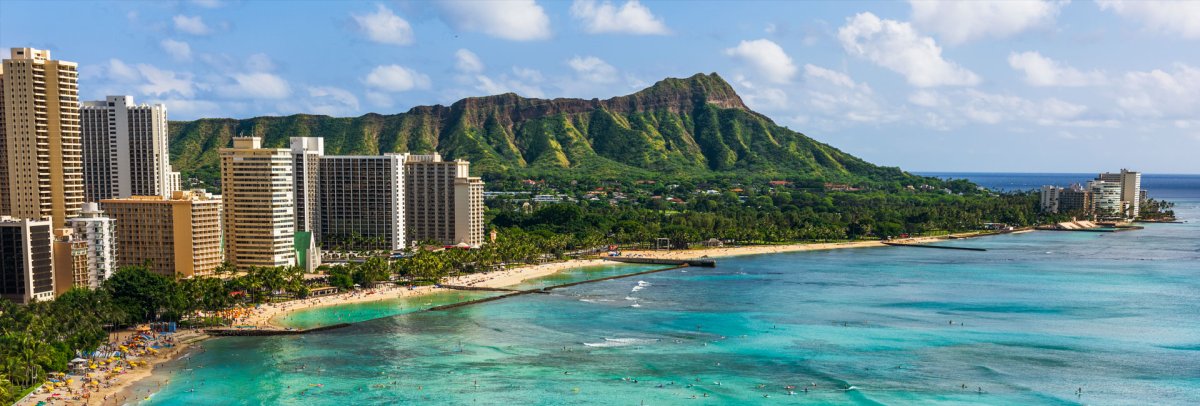
Oahu has the most developed coworking scene in the state, concentrated in Honolulu’s Kakaako neighborhood and downtown.
Hub Coworking Hawaii is the largest operation — voted Best Coworking Space in Honolulu two consecutive years. They have locations in Kakaako (1050 Queen Street) and Waikiki. Over 3,700 members and 1,200 companies use the space. The Kakaako location has a 1 Gbps symmetrical fiber line, phone booths, soundproof call rooms, showers, local coffee and kombucha on tap, and surfboard storage. That last detail tells you everything about the clientele.
BoxJelly operates out of Ward Centre in Kakaako. Day passes run about $55. Walking distance to Whole Foods, restaurants, and Ala Moana Beach Park. Clean, quiet, no-frills workspace.
Treehouse Coworking has locations in Kailua and Kahala — both on the residential side of the island, away from the Waikiki tourist density. Memberships start around $275 per month. Good for anyone staying on the Windward or East side.
Entrepreneurs Sandbox is a 13,500-square-foot facility on Ilalo Street run by the Hawaii Technology Development Corporation. Geared toward tech startups and creative professionals.
Average day pass across Oahu coworking spaces: roughly $32, according to Coworking Magazine.
Oahu Cafes for Remote Work
Not every day needs a coworking space. Honolulu has solid cafe options with WiFi and outlets.
Island Brew Coffeehouse has three locations, all with outlets and strong WiFi. The Level 3 location near Bloomingdale’s at Ala Moana Center has ample seating and parking.
Morning Brew in Kakaako has fast WiFi, large work tables, and a relaxed atmosphere that tolerates laptop campers.
Coffee Talk in Kaimuki is a come-as-you-are spot — decent drinks, fair prices, and nobody rushes you out.
Kai Coffee Hawaii downtown (King and Alakea) serves locally grown Hawaiian coffee with free WiFi and accessible outlets. Opens early.
The 24-hour option: Lifestyle Safeway on Kapahulu has free WiFi, work tables, and never closes. Not glamorous, but functional at 2 AM when your deadline is on East Coast time.
Maui: Fewer Spaces, Reliable Internet
Maui’s coworking scene is smaller but functional. The internet around Wailuku and Kahului is solid for video calls and file uploads.
Cohana is the standout — fast internet, secure access, clean environment, five minutes from the beach. They offer day passes and monthly memberships.
Above The Wave provides day passes, dedicated desks, and event spaces. Built for Maui’s growing entrepreneur and creative community.
For cafe-based work, Wailuku’s Market Street has a renovated gas station turned coffee shop with excellent coffee, food, and a strong WiFi signal. Several Paia coffee shops also work, though parking in Paia is a project.
Maui’s main limitation is geographic spread. If you are staying in Wailea or Kaanapali and working from Wailuku or Kahului, you are looking at a 30 to 45 minute drive each way. A rental car is mandatory on Maui regardless of whether you are working remotely.
Big Island: Lower Cost, Fewer Options

The Big Island has the lowest cost of living of the four main visitor islands, particularly in Hilo. Internet is stable in both Kona and Hilo for daily remote work.
Honua Studios in Kailua-Kona is the primary dedicated workspace — it doubles as Hawaii’s largest independent film studio and shared creative space.
Kona’s cafe scene is your best bet for day-to-day work. Kona Coffee Lounge opens at 7 AM, serves locally roasted coffee, and has reliable WiFi. The vibe is chill, prices are fair, and the staff is used to laptop workers.
Hilo’s advantage is cost. Monthly rents run significantly lower than Kona or any town on Oahu or Maui. If you are optimizing for a longer stay (one to three months), Hilo offers functional internet, cheap housing by Hawaii standards, and a slower pace that pairs well with deep-focus work. The trade-off is more rain and fewer dining options.
Kauai: The Fiber Surprise
Here is the detail that surprises most people: Kauai has 100% fiber internet availability. Every home and business on the island has access to symmetrical fiber through Hawaiian Telcom. For a rural island with one traffic light in Kapaa, that is remarkable infrastructure.
Kuleana.work in Lihue (Kukui Grove) is centrally located with security, parking, and nearby shops and restaurants. It is a proper coworking space, not a converted garage.
The 808 Workplace focuses on community and collaboration — smaller, more personal than the Oahu operations.
Kauai’s cost of living sits below Oahu and Maui, and the fiber infrastructure means you are not sacrificing connectivity for scenery. The downside is limited dining, nightlife, and social options compared to Honolulu. If you want to surf in the morning, work until 4 PM, and watch the sunset in silence, Kauai is the island.
Free WiFi: Libraries and Public Hotspots
Hawaii’s public library system has 51 branches across the islands, all offering free WiFi to library cardholders. Hours vary by branch, but most open by 9 or 10 AM. Air conditioning and quiet — two things your Airbnb lanai cannot always guarantee.
The state also maintains 100 Spectrum WiFi hotspots at parks, civic centers, and community areas. Each device gets one free hour per day. Useful for a quick email check at the beach park, not for a full workday.
Whole Foods locations (Kakaako on Oahu, Maui Marketplace) offer unlimited WiFi in their dine-in areas. Coffee Bean and Tea Leaf at Manoa Marketplace on Oahu opens at 5:30 AM — early enough for East Coast calls.
The Time Zone Problem (and Why It Is Also an Advantage)
Hawaii Standard Time is UTC-10 year-round. No daylight saving. That puts you 2 to 3 hours behind the West Coast and 5 to 6 hours behind the East Coast, depending on the time of year.
If your team is on Eastern time, a 9 AM standup in New York is 3 AM in Honolulu. That is not workable for most people. But if your core meeting window is afternoon Eastern (1-5 PM ET), that translates to 7-11 AM Hawaii time — a perfectly normal morning.
The flip side: your afternoons are completely free. Your East Coast colleagues are offline by noon Hawaii time. That gives you uninterrupted deep work from lunch until sunset, then an evening with no Slack notifications. For anyone whose job involves focused creative or technical work, this schedule is a genuine productivity hack.
For West Coast teams, the offset is only 2-3 hours. A 10 AM Pacific standup is 7 or 8 AM in Hawaii. Manageable.
What a Month Actually Costs
Here is a realistic monthly budget for a digital nomad in Honolulu, based on 2025-2026 data from Nomads.com and local rental listings:
Housing: $2,000-4,900 per month. A studio or one-bedroom in Kakaako or Waikiki runs $2,500 to $3,500. Furnished month-to-month rentals cost more. Airbnb stays for a full month often work out to $3,000 to $4,500 depending on location and season.
Coworking: $275-400 per month for a dedicated desk. Or $32 per day pass, which adds up fast if you go daily.
Groceries: Around $590 per month. Everything is shipped in. Costco and local farmers markets help.
Dining out: Around $540 per month if you eat out regularly. Plate lunches run $12 to $16. A sit-down dinner with drinks is $50 to $80.
Rental car: $40-70 per day, or $800-1,400 per month. Required on every island except maybe Waikiki. Use Discount Hawaii Car Rental for the best local rates.
Total realistic range: $4,800 to $6,900 per month on Oahu. Subtract 20-30% for the Big Island (Hilo) or Kauai.
This is not cheap. Hawaii is one of the most expensive states in the country. But if your remote income supports it, the quality of life — ocean access, year-round warmth, no daylight saving time zone shifts — makes the math work for a lot of people.
Visa and Legal Notes for International Workers
The United States does not have a digital nomad visa. International remote workers typically enter on a B-2 tourist visa or ESTA (for Visa Waiver Program countries), which allow stays of up to 90 days.
The legal gray area: B-2 and ESTA technically prohibit “work” in the U.S., but immigration attorneys generally interpret remote work for a non-U.S. employer as permissible since you are not entering the U.S. labor market or displacing American workers. The key distinction is that your income source and employer must be entirely outside the United States.
Do not freelance for U.S. clients on a tourist visa. Do not take local gig work. If your situation is ambiguous, consult an immigration attorney before booking a long stay.
For U.S. citizens and residents, there are no restrictions. You can work remotely from Hawaii as long as you like. State income tax may apply if you establish residency (183+ days), but short-term stays do not trigger it.
Picking Your Island
Oahu if you want coworking infrastructure, restaurants, nightlife, and the social energy of a city. Highest cost, most options.
Maui if you want beach access and reliable internet but can handle limited coworking choices. Mid-range cost. You will need a car.
Big Island if you are optimizing for cost and do not need a polished coworking setup. Hilo is the budget play. Kona has better weather and more dining options.
Kauai if you want fiber internet, natural beauty, and solitude. Best for independent workers who do not need much social infrastructure. Surprisingly strong connectivity.
For a first-time digital nomad trial run of two to four weeks, start with Oahu. The coworking spaces are real, the cafe options are abundant, and you can get around without a car if you stay in Honolulu. Once you know the rhythm works, then experiment with the neighbor islands.
More Hawaii Planning Guides
Resources for planning your trip and stay.