
Hawaii passed the first climate impact fee on tourism in the country last May. Governor Josh Green signed Act 96 into law, raising the Transient Accommodations Tax to 11% and — for the first time — applying it to cruise ship passengers. The tax was supposed to generate roughly $100 million a year for wildfire mitigation, shoreline protection, and climate resilience.
Hotels and vacation rentals started paying the higher rate on January 1, 2026. Cruise ships did not. A federal appeals court blocked enforcement on New Year’s Eve, and the legal fight is still going. If you have a Hawaii cruise booked for this summer, here’s what you need to know.
What the Tax Actually Does
Act 96 imposes an 11% tax on the gross fares paid by cruise ship passengers, prorated for the number of days the vessel is in Hawaiian waters. Counties can add a 3% surcharge on top of that, bringing the potential total to 14% of prorated fares.
On a 7-day inter-island cruise where 5 days are spent in Hawaii ports, a $2,000 fare would mean roughly $200 in new taxes. For a 15-day round-trip from the West Coast with 5 port days in Hawaii, the prorated amount drops — but it’s still a meaningful hit on top of existing port fees and taxes.
The revenue is earmarked for climate-specific projects: shoreline erosion barriers, wildfire risk reduction, water infrastructure, and environmental restoration. It’s a direct response to the Maui wildfire recommendations. Hawaii’s coastline is eroding. Its watersheds are stressed. Climate-driven disasters are getting more expensive. The money has to come from somewhere.
Why It's Blocked
The Cruise Lines International Association (CLIA) sued the state, arguing the tax violates the U.S. Constitution’s Commerce Clause by effectively taxing cruise ships for entering Hawaii ports. A federal district judge initially upheld the law, but a federal appeals court reversed that decision on December 31, 2025 — one day before it was set to take effect on cruise passengers.
The legal argument centers on whether a state can tax the fare you paid to a cruise line for time spent in the state’s waters, when the voyage originated elsewhere. CLIA’s position: this is a tax on interstate commerce, and only Congress can regulate that. Hawaii’s position: it’s an accommodation tax — no different from what hotels pay — applied to the nights you sleep in Hawaiian jurisdiction.
The case is still being litigated. No final ruling yet.
The $10 Per-Passenger Backup Plan
While the courts sort it out, Hawaii’s legislature is moving on a Plan B. Bills in both the state House and Senate would replace the percentage-based tax on cruise ships with a flat fee of roughly $10 per passenger per port call.
The math is straightforward. The 11% tax was projected to bring in about $26 million from cruise ships in fiscal year 2027 (starting July 1). The $10 per-passenger fee would generate closer to $10 million. That’s less than half the revenue, but it sidesteps the constitutional challenge entirely — per-passenger port fees are well-established in U.S. law.
The bills are advancing through committee. If passed, the per-passenger fee could take effect as early as late 2026 or January 2027. Cruise lines have signaled they can live with a per-passenger structure, even if they’d prefer no fee at all.
What This Means for Summer 2026 Cruises
Right now, cruise passengers are not paying the green fee. The court injunction is active. If you have a Hawaii cruise booked for summer 2026, you won’t see an 11% climate surcharge on your bill.
That could change. If the state wins the appeal, the tax could snap back into effect. If the legislature passes the per-passenger fee, you might see a $10-$50 charge added (depending on the number of port calls). Either way, the amounts are unlikely to be retroactive — they’d apply to future sailings.
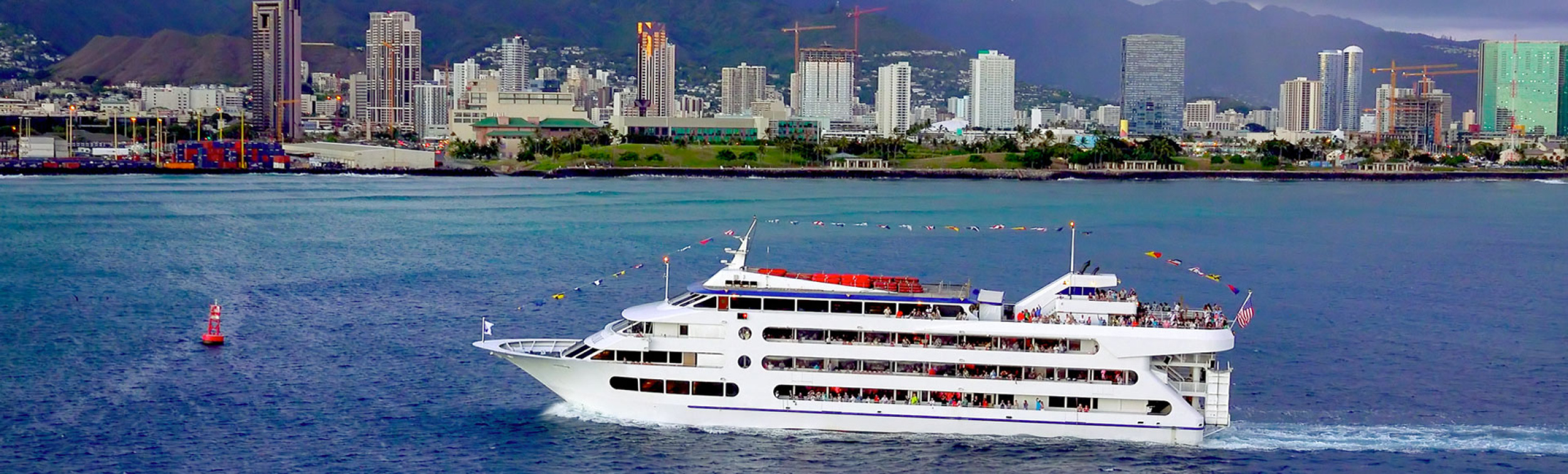
Norwegian Cruise Line’s Pride of America — the only major cruise ship home-ported in Hawaii, running 7-day inter-island itineraries year-round — would be most affected by the percentage tax. Five port days in Hawaii on a $2,000+ fare means a bigger tax bill than a Princess or Holland America sailing that spends most of its itinerary crossing the Pacific.
For round-trip sailings from the West Coast (typically 15-17 days via Princess, Holland America, or Royal Caribbean), the prorated tax would be smaller because fewer days are spent in Hawaiian waters relative to the total voyage.
The Bigger Picture: Hotels Are Already Paying
The 11% TAT is already hitting hotel and vacation rental guests. Combined with county surcharges and the General Excise Tax, the total tax on accommodations runs 18-18.5% depending on the island. On a $300/night hotel room, that’s about $55 per night in taxes.
The cruise industry’s argument — that they shouldn’t pay what hotels pay — has rubbed some locals the wrong way. Cruise ships bring roughly 200,000 passengers to Hawaii annually. They use harbor infrastructure, produce wastewater, and their passengers visit state parks, crowd beach access points, and use county roads. The green fee was designed to make cruise tourism contribute to the environmental costs it creates.
Whether that happens through an 11% fare tax or a $10 head fee, cruise passengers will likely pay something by 2027. The only question is how much.
What to Do If You're Booking
If you’re comparing a cruise to a land-based Hawaii trip, factor in the tax uncertainty. Hotel guests know exactly what they’ll pay — the 11% TAT is locked in. Cruise passengers are in limbo.
For summer 2026 sailings, you’re almost certainly in the clear. No fee is being collected right now. But if you’re booking for late 2026 or 2027, build in a buffer for a potential per-passenger charge.
Either way, Hawaii’s ports are open, the itineraries haven’t changed, and the islands don’t care how you arrive. Rent a car at the port to explore beyond the tourist corridors — Discount Hawaii Car Rental compares rates across all agencies serving Hawaii’s cruise terminals.
More Hawaii Travel Planning
Guides to help you plan your Hawaii trip and budget for 2026 changes.