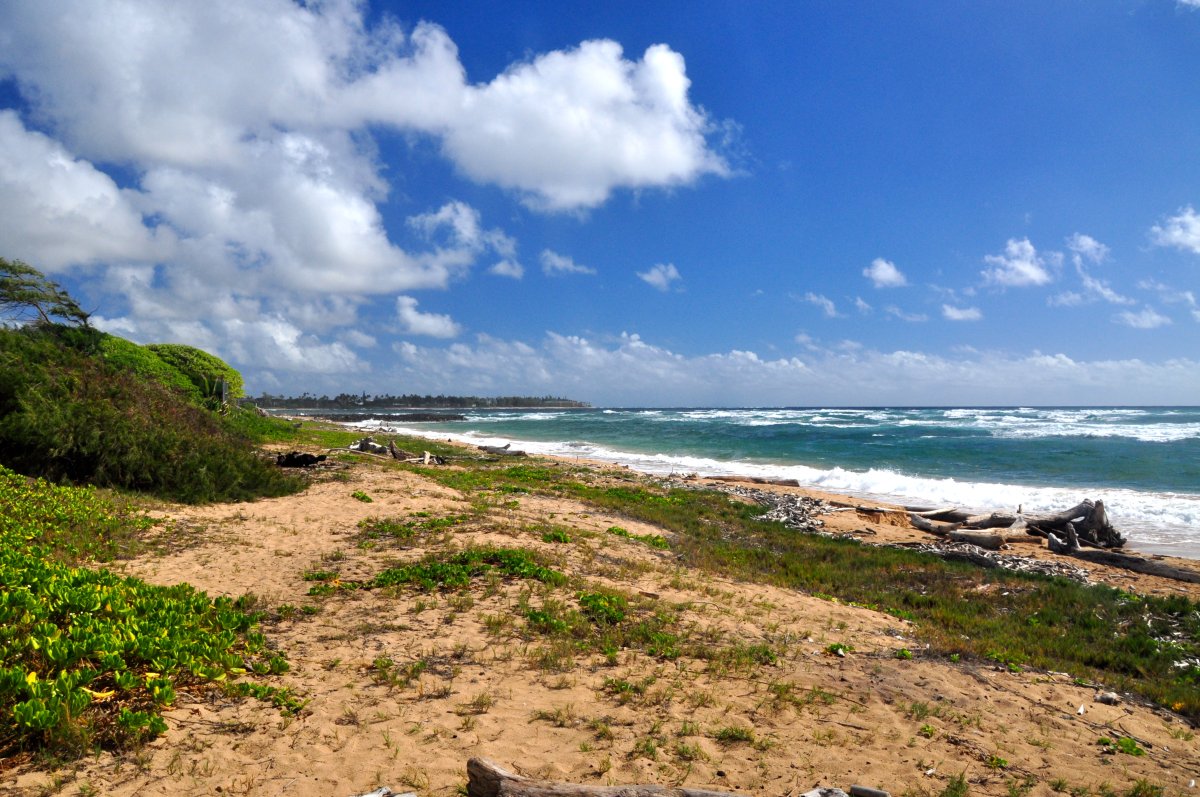

Hawaiʻi’s tide pools are natural aquariums carved into volcanic rock by centuries of wave action. They collect seawater at low tide, trapping sea urchins, hermit crabs, small fish, sea cucumbers, and the occasional octopus in shallow, calm basins — perfect for kids who want to see marine life without getting into open water.
Every major island has tide pools worth visiting. Some are roadside and easy to reach. Others require a short hike over lava rock. The key variable is timing: you need a low tide, ideally a minus tide, to see the pools at their best. Show up at high tide and many of these spots are just wet rocks with waves washing over them.
Oʻahu Tide Pools
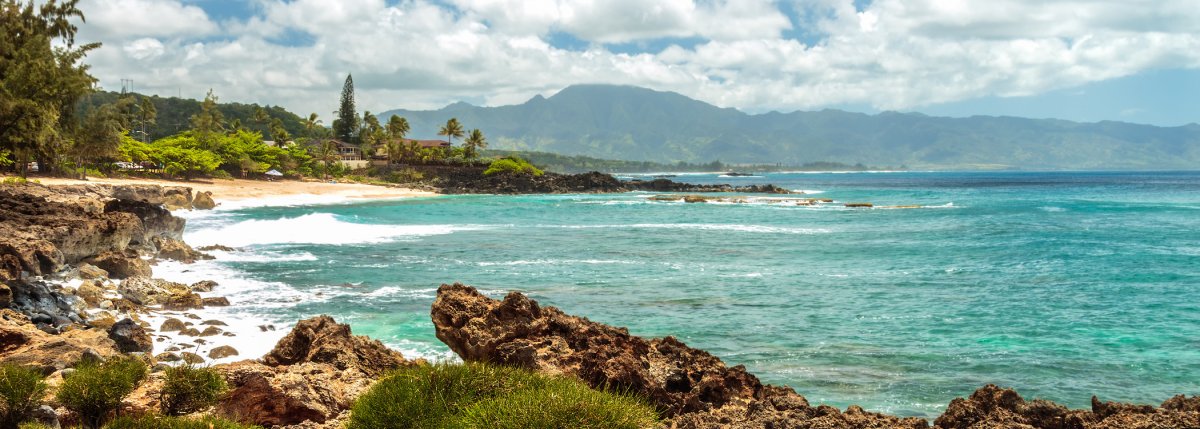
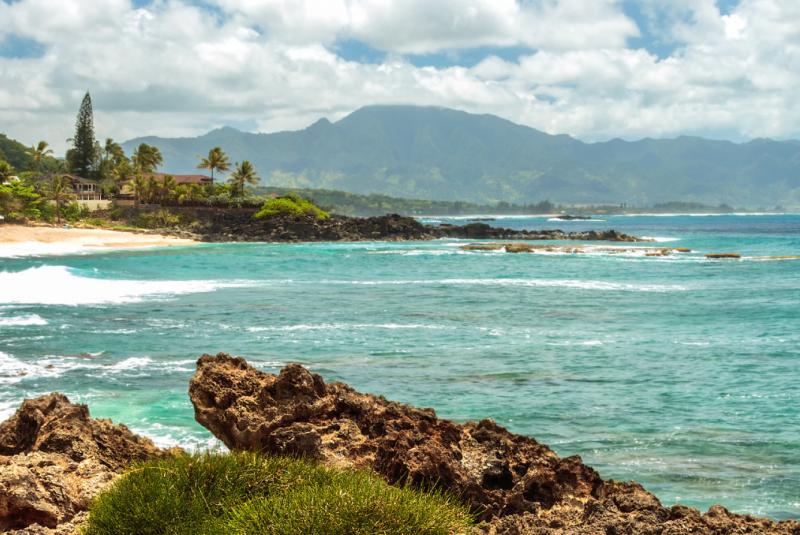
Shark’s Cove (Pūpūkea Beach Park) is Oʻahu’s best tide pool destination. The name scares people off, but there are no sharks — the cove is named for a shark-shaped rock formation. During summer months (May through September), the North Shore calms down and the rocky shelves on the cove’s south side expose dozens of interconnected pools filled with tropical fish, sea urchins, and crabs. It doubles as one of Oʻahu’s best snorkeling spots when conditions allow.
The pools here range from ankle-deep basins perfect for toddlers to chest-deep channels where older kids and adults can snorkel among butterflyfish and wrasses. Parking is free along Kamehameha Highway, and there are restrooms at the beach park. Arrive before 9 AM on weekends — the lot fills fast.
You’ll see old blog posts recommending Makapuʻu Tide Pools on Oʻahu’s southeast coast. Skip them. The area is officially closed by DLNR after multiple fatalities, including a father and his six-year-old daughter swept out by a rogue wave in 2016. Accessing the pools is illegal. The trail to the Makapuʻu Point Lighthouse above is still open and worth the hike for the views — just stay on the paved path and off the rocks below.
Kuilima Cove at Turtle Bay on the North Shore is a protected, crescent-shaped cove with shallow pools along its rocky edges. The cove is sheltered from open-ocean swells by a natural rock barrier, which keeps it calmer than almost anywhere else on the North Shore year-round. Families with young kids will appreciate the gentle conditions. Green sea turtles frequent the area — watch from a distance (federal law requires staying 10 feet away from Hawaiian green sea turtles).
Maui Tide Pools
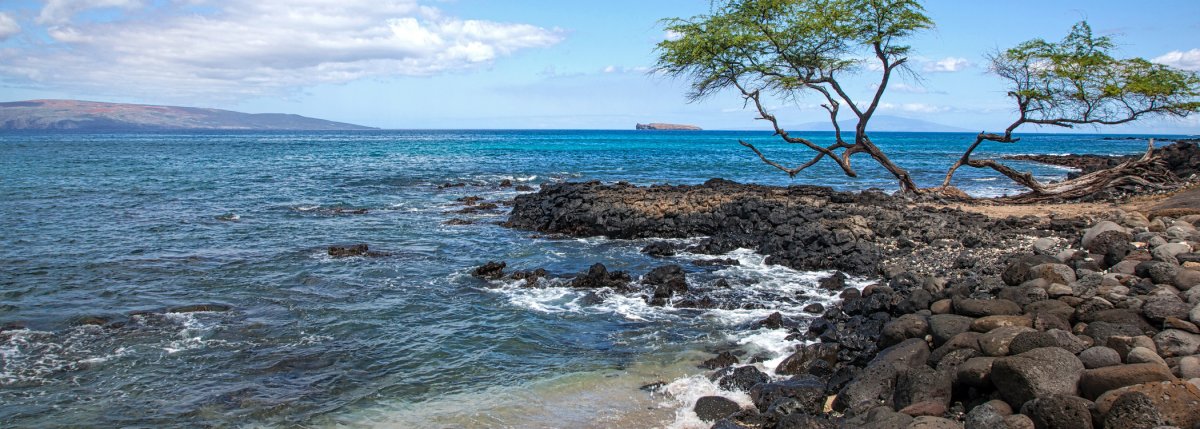
Kapalua Tide Pools are tucked into the lava rock shoreline between Kapalua Bay and Namalu Bay in West Maui. A short path from the Kapalua Coastal Trail leads to a series of shallow pools that sit above the surf line at low tide. These pools are calm, small, and loaded with sea life — urchins, small eels, anemones, and juvenile reef fish. The surrounding coastline is gorgeous. Families with kids under 10 will find this spot manageable, though the lava rock is rough on bare feet. Wear reef shoes.
Olivine Pools (Kahakuloa) on Maui’s remote northwest coast are a different experience entirely. These natural pools sit in a dramatic volcanic rock formation along the rugged coastline between Kahakuloa and Wailuku. The setting is wild — black rock, crashing surf, and no lifeguards or facilities of any kind. The pools can be beautiful on calm days, but they are exposed to open ocean swells. Multiple rescues and drownings have occurred here. This is emphatically not a family spot. Only visit on flat days, never alone, and never turn your back on the ocean.
Ahihi-Kināʻu Natural Area Reserve in South Maui protects a lava flow that meets the sea, creating an intricate network of pools and shallow reef areas. Snorkeling here is exceptional — the reserve has restricted access to reduce human impact, so marine life is abundant. Check the current access rules before visiting; some sections close periodically for conservation. No facilities, no shade, and the lava rock absorbs heat like a furnace. Bring water and sun protection.
Big Island Tide Pools
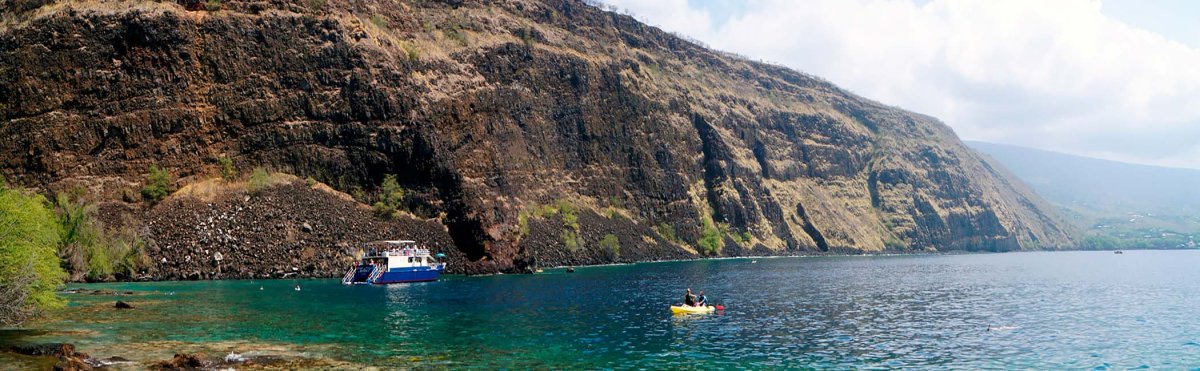
Kapoho Tide Pools were the Big Island’s premier snorkeling destination until the 2018 Kīlauea eruption buried the entire area under 50-80 feet of lava. They no longer exist. If you see old guidebooks or blog posts recommending Kapoho, the information is outdated. The community of Vacationland and the tide pool network were completely destroyed.
Waiʻōpae Tide Pools (Kapoho area) suffered the same fate — also buried by the 2018 lava flow. Two of the Big Island’s best tide pool systems are gone permanently.
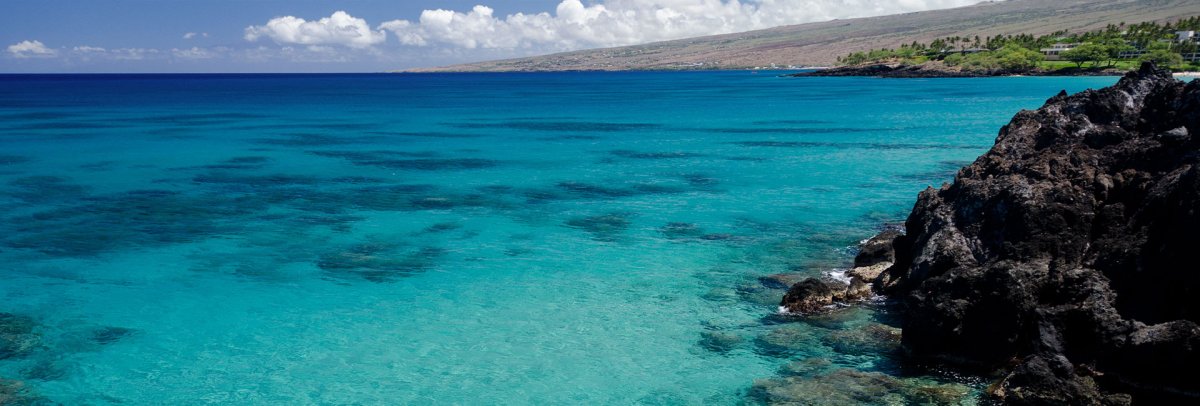
What remains: Puakō Tide Pools along the Kohala Coast offer accessible tide pooling on the Big Island’s dry west side. The reef shelf at Puakō extends hundreds of yards from shore, and at low tide, shallow pools appear across the flat coral and lava rock. The area is home to green sea turtles, urchins, and small reef fish. Access is through Puakō Bay or the public access points along Puakō Beach Drive. The substrate is fragile — step only on bare rock, not on coral.
Richardson Ocean Park in Hilo has small tide pools along its rocky shoreline, plus a protected swimming area where green sea turtles regularly feed on limu (seaweed). The park has restrooms, showers, picnic tables, and lifeguards on duty — the easiest family-friendly ocean access on the Big Island’s east side.
Kauaʻi Tide Pools
Māhāʻulepū Heritage Trail along Kauaʻi’s south shore passes some of the island’s best tide pool areas. The coastal trail runs from Shipwreck Beach past Māhāʻulepū Beach and along sea cliffs formed from lithified sand dunes. Several sections of the trail cross rocky shelves where tide pools form at low tide. The hike itself is about 2 miles one way and relatively flat. Watch for monk seals resting on the rocks — maintain a 150-foot distance as required by NOAA.
Keʻe Beach at the end of the road on Kauaʻi’s north shore has a reef-protected lagoon with small pools along the rocky edges. During summer, when north shore conditions calm, families can explore the shallow reef areas. Hāʻena State Park reservations are required for entry — book in advance, especially during peak months. The parking lot is small and access is strictly controlled to reduce overcrowding.
Lydgate Beach Park in Wailua has man-made rock-walled pools — basically giant, permanent tide pools. The Kamalani Playground adjacent to the pools makes this the single best option for families with very young children on Kauaʻi. The enclosed pools keep waves out while allowing ocean water and small fish to flow through. Lifeguards, restrooms, showers, and pavilions are all on-site.
When to Go: Timing Your Visit
Most visitors skip the tide chart and show up whenever. Big mistake. At low tide, you’re peering into clear pools full of crabs, urchins, and fish. At high tide, you’re standing on wet rocks with waves rolling over your ankles. The difference is everything.
Check the NOAA tide predictions for Hawaiʻi before you go. You want a tide of 0.0 feet or lower — a “minus tide” exposes the deepest and most interesting pools. Hawaiʻi gets minus tides most often during summer mornings and winter afternoons.
Arrive about 30 minutes before the predicted low tide. This gives you the full window — pools filling as tide drops, then maximum exposure at low point, then about an hour of good viewing before the tide returns. The best light for seeing into the pools is morning, when the sun angle is low and glare is reduced.
One timing detail that catches people: Hawaiʻi’s tides are relatively small compared to the mainland. The difference between high and low tide is typically only 1-2 feet. This means even a “low” tide doesn’t drain the pools dramatically — but it does matter for safety, because at high tide, waves reach areas that feel safe at low tide.
Safety Rules for Tide Pooling
Hawaiʻi’s tide pools sit at the edge of the Pacific. People get injured and killed every year by waves at rocky shorelines. The Hawaiʻi Department of Health documents multiple ocean-related fatalities annually, many at rocky coastline areas where visitors weren’t expecting waves.
The first rule is the oldest: never turn your back on the ocean. Rogue waves sweep across lava shelves with zero warning. This isn’t a theoretical risk. It happens every year on every island.
Wear reef shoes. Lava rock slices skin like broken glass, and sea urchin spines will puncture bare feet. A $15 pair from any ABC Store prevents a trip to urgent care. Leave marine life alone — it’s illegal to collect or remove most organisms from Hawaiʻi’s tide pools under state law (HRS 188-22.6), and sea urchins are critical grazers that keep the entire pool ecosystem healthy. Look, don’t grab.
With kids, position yourself between them and the open ocean at all times. Small children are at eye level with the pools, which is great for wonder and terrible for noticing incoming swells. And check Hawaiʻi Beach Safety before heading out — south swells in summer and north swells in winter can send waves washing across shelves that felt safe an hour earlier.
What to Bring
Reef shoes are non-negotiable. A pair of polarized sunglasses cuts surface glare and lets you see straight to the bottom of the pools — the difference between watching fish and staring at your own reflection. Bring a small mesh bag for carrying gear over rocks (backpack works too), reef-safe sunscreen (required by Hawaiʻi law — no oxybenzone or octinoxate), plenty of water, and a waterproof phone case if you want underwater photos.
Most tide pool spots outside of Waikīkī and Lydgate require a car to reach. If you’re renting, book through Discount Hawaii Car Rental to lock in rates — summer availability tightens fast.
Skip the snorkel gear for actual tide pools — most pools are too shallow for snorkeling. But if you’re visiting a spot like Shark’s Cove or Ahihi-Kināʻu where tide pools transition into deeper snorkeling areas, bring mask and snorkel along.
More Ocean Activities
Explore more of Hawaii’s coastline.