Project Myna · Road Trip Audio Guide
Road to Hana
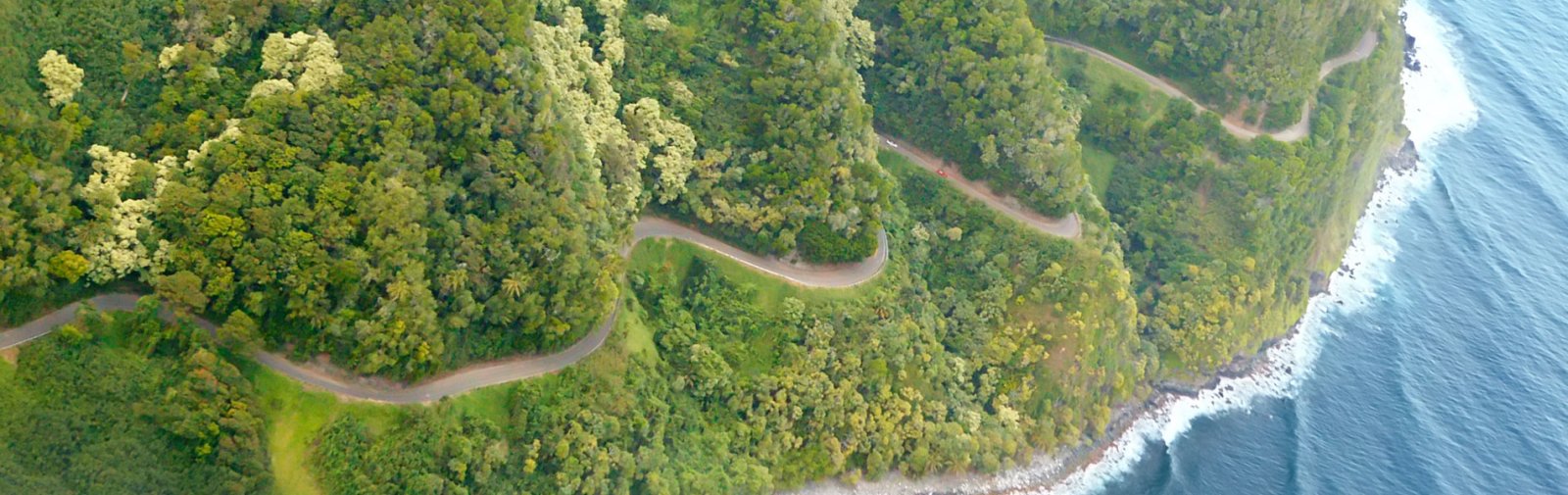
The slow drive from Paia through Hana to Kipahulu, then back out to Hamoa Beach. 59 one-lane bridges, waterfall pullouts, black-sand beaches, bamboo forest, and the Seven Sacred Pools. ~27 curated stops across bookends, stops, and connectors. Free GPS-triggered audio companion.
64 miles
30 curated segments
Free AI-narrated tour
We may link to trusted Hawaiʻi resources at no extra cost to you.
Guide Mode — Coming Soon
We're building free audio tours for the Road to Hana and seven other iconic Hawaiian drives. Check back when they land, or head to our Road to Hana guide for the full written version.
-
Intro
Intro
Show transcript
The drive from Paia to Hana is 64 miles and takes most travelers 3 to 4 hours one-way — not because the mileage is long, but because you will stop often. 59 one-lane bridges. 620 curves. No shoulder for most of it. The point of this drive is not to reach Hana. Hana is small and sleepy and the reward is the road itself: waterfalls, black-sand beaches, bamboo forests, fruit stands, sea cliffs. Plan a full day. Leave early so the pullouts are not clogged. Fill the gas tank in Paia before you start — the next station is in Hana. Bring water, snacks, a swimsuit, mosquito spray, and patience for the last car that will not let you pass. The guide will announce each stop as it comes up. -
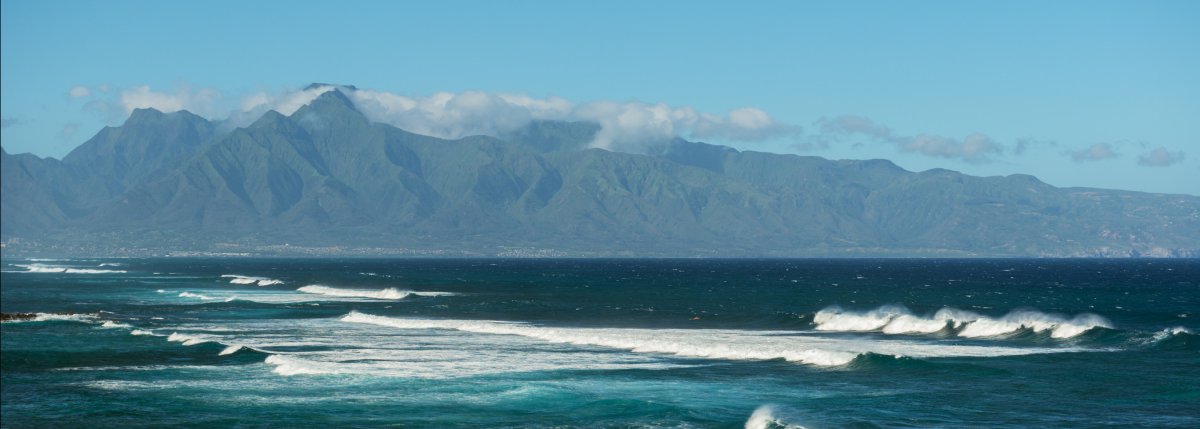
Windsurfing and surfing hotspot on Maui's North Shore; overlook at the east end of the park is the easy visit, beach access below is a surfer hangout
Approach cue (~12-15 sec)Show transcript
Ho'okipa Beach Park coming up on the makai side in about a quarter mile. Pull into the overlook at the east end, not the beach parking below — the overlook is the clean quick stop. This is the windsurfing capital of the world. On a windy afternoon you will see thirty or forty sails on the water at once. If it is still morning, you will see surfers instead.Arrival narration (~45-60 sec)Show transcript
You are standing above one of the most photographed stretches of shoreline on Maui. Ho'okipa hosts world-class windsurfing events every year, and on any given afternoon you can watch pros and locals threading the breaks below. The beach itself is a surfer hangout — crowded, rocky underfoot in places, not really a swimming beach. Stay up here at the overlook for the best view. Green sea turtles haul out on the sand most afternoons to rest; keep your distance, they are federally protected. Restrooms and picnic tables available below if you need them. Quick stop — ten or fifteen minutes at the overlook is plenty before you get back on the highway and head into the real drive. -
Connector
Paia to twin falls connector
Show transcript
Last chance for gas, last chance for a bathroom at a real store, last chance for a plate lunch before Hana. Paia is it. The next station is 50 miles away in Hana Town. Once you pass the turn onto Highway 360 the mile markers reset to zero and the real drive begins. You are climbing into the Ko'olau Forest Reserve — one of the wettest rainforest belts in the Hawaiian Islands. Rainfall along the coast averages 60 to 80 inches a year. A thousand feet up the slope of Haleakala it jumps to 200 to 300 inches. That is why everything is so green. The Hawaiian Ditch System cuts through this reserve — 75 miles of tunnels and flumes built over a century ago to move water to the dry side of the island. Most of what you are about to see below the highway is EMI property. Private. Off-limits. Stay on the road and the marked stops. -
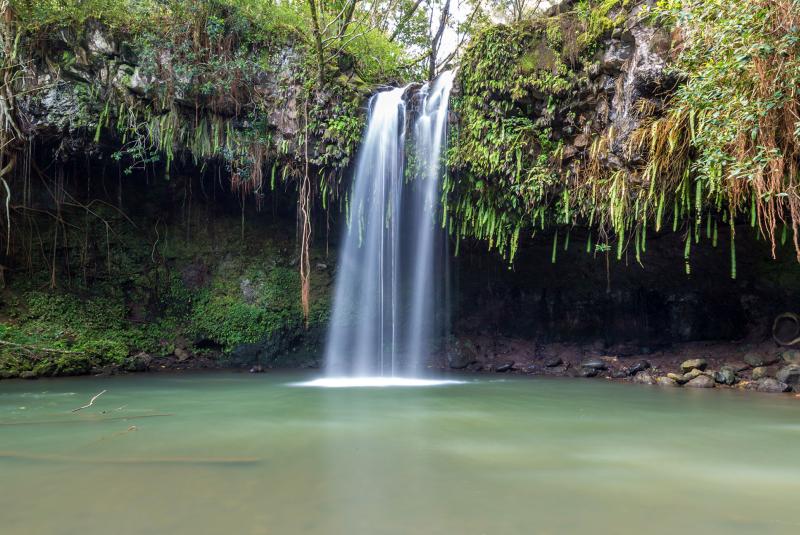
First major stop on Hana Highway; paid private property with small entrance fee and on-site smoothie stand
Approach cue (~12-15 sec)Show transcript
Twin Falls is the first real stop on the Hana drive, mauka side, about two miles past Paia. A private farm with gated parking and a smoothie stand at the entrance. Small fee per car last checked. Arrive before ten in the morning or the lot fills. Short walk to the lower falls through fruit trees; longer walk to the upper pool if you want to swim. Muddy after rain — footwear matters.Arrival narration (~45-60 sec)Show transcript
You are standing at the entrance to a private family farm that has been letting travelers through for decades. The lower falls are a ten-minute walk along a flat path through banana and passionfruit trees. Water drops into a swimmable pool wide enough for a small crowd. The upper falls take another fifteen minutes and climb a little; fewer people make the walk, so the pool up top is quieter. Freshwater after rain, so the current can be strong. Leptospirosis is a real risk in Hawaiian freshwater — do not swim with open cuts. The smoothie stand at the entrance uses fruit grown on the property; worth the stop even if you skip the falls. -
Connector
Twin falls to garden connector
Show transcript
Between here and Waikamoi Ridge the road tightens. First real one-lane bridges start showing up. Between mile markers 6 and 7 a small grove of painted bark eucalyptus trees stands makai — patches of red, purple, and green on the trunks that look hand-applied. You can spot them from the window; there is no real pullout, so do not stop. You will see the same trees at Keanae Arboretum later. Near mile marker 6 you may also see a sign or trail for the Na'ili'ili-haele four-waterfalls hike. Skip it. It is on private EMI property and is considered off-limits. Most of the cars behind you right now are locals getting home from work. If you have a line building up, use the next pullout to let them pass. It is the right thing to do and it will make the drive easier for everyone. -
Stop · mile 9 mauka
Waikamoi ridge trail
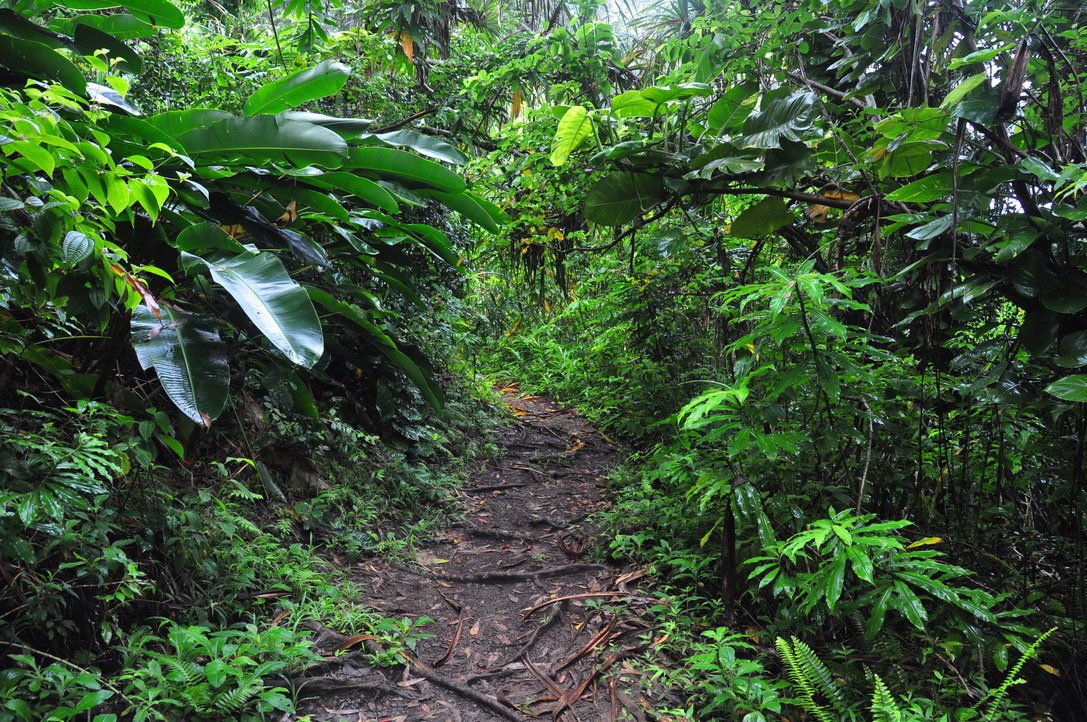
Free rainforest nature walk with picnic shelter at trailhead; no facilities; bug spray recommended
Approach cue (~12-15 sec)Show transcript
Waikamoi Ridge Trail is coming up just past mile marker 9, mauka side. Easy to miss — the parking lot is around a bend. Short loop through bamboo, ferns, and tall trees with two scenic overlooks. Thirty minutes to an hour depending on whether you take the extension. Bring bug spray. No bathrooms.Arrival narration (~45-60 sec)Show transcript
You are standing at the trailhead of one of the best short hikes on the Hana drive. Two trail options from the picnic shelter. The loop is about eight tenths of a mile and takes half an hour; the extension adds another stretch out to a grassy overlook with views down the highway and out to the ocean. Go right at the trailhead to take the loop counterclockwise — easier on the feet that direction. The trail surface can be muddy and rooty after rain. Bamboo stands, hala trees, and painted bark eucalyptus along the way. The picnic shelter at the trailhead is a good spot for a packed lunch if you brought one. Mosquitoes love this place. No restrooms, no trash cans, no services — pack out whatever you bring in. -
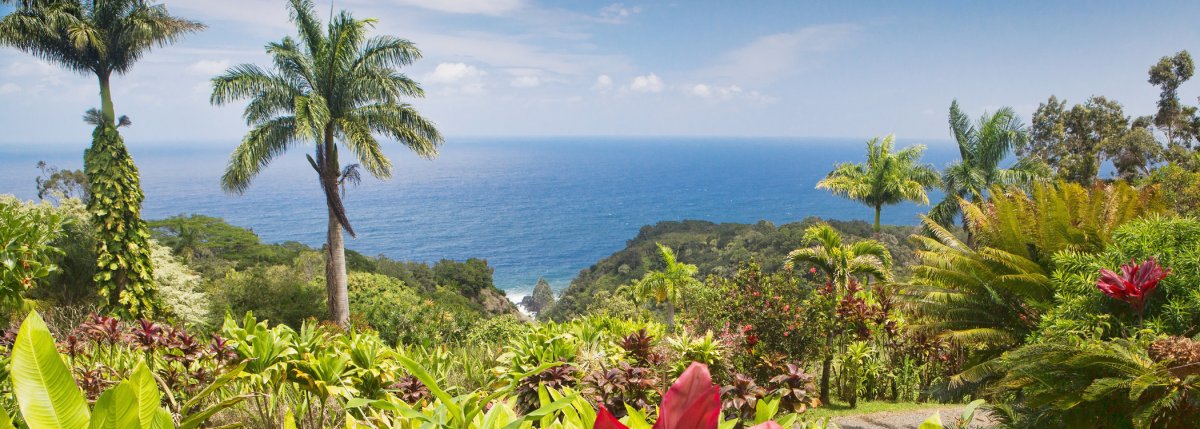
Private 25-acre botanical arboretum with ocean views, Keopuka Rock lookout, 500+ labeled plants; paid admission
Approach cue (~12-15 sec)Show transcript
Garden of Eden Arboretum coming up a half-mile past mile marker 10, mauka side. This one is worth stopping for — one of the few private gardens we make a point of recommending. Admission is twenty dollars adult, ten dollars kids five to sixteen, under five free. Military, student, AAA, and Kama'aina discounts at the gate. Open daily 8am to 4pm, no reservation. Plan on an hour. Keopuka Rock — the one from the opening scene of Jurassic Park — is visible from a lookout inside.Arrival narration (~45-60 sec)Show transcript
You are inside a 25-acre arboretum that was purchased in 1991 with the idea of restoring the area's native ecosystem. Along the way the owners layered in exotics from the South Pacific and tropical rainforests around the world. Today there are over 500 labeled plants, including the most extensive Ti plant collection in Hawai'i. The road loops around the property — drivable and walkable. The lookout over Keopuka Rock is the money shot; it was featured in the opening scene of Jurassic Park. You can also see Upper and Lower Puohokamoa Falls from inside. The garden keeps peacocks, chickens, geese, ducks, and a couple of horses wandering the property. Twenty dollars adult admission, discounts for military, students, AAA, and Kama'aina. Open daily 8am to 4pm. -
Connector
Waikamoi ridge to kaumahina connector
Show transcript
You are driving through the eastern slope of Haleakalā, one of the wettest rainforest belts in the Hawaiian Islands. Annual rainfall here reaches over 300 inches in places. Most of what you are seeing is not native — the big trees with peeling bark are rainbow eucalyptus planted by the Territorial Forestry in the 1920s as a watershed experiment. The ferns are mostly uluhe, native to Hawaii but aggressive. Look for narrow breaks in the green canopy where you will get sudden windows of ocean view — these are the old Hawaiian trails, cut generations before the paved road arrived in the 1920s. Before that, Hana was reachable only by canoe from West Maui or a two-day walk through this same terrain. -
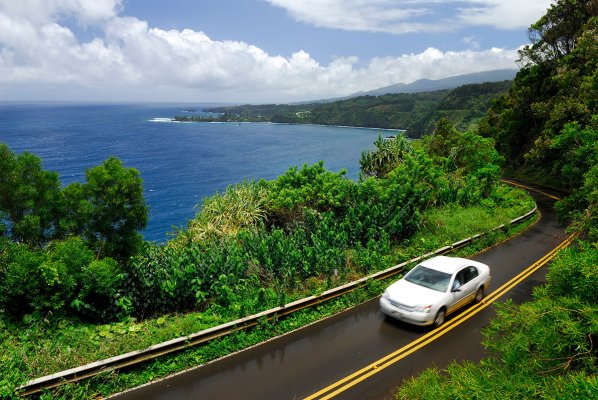
Roadside state park with bathrooms, picnic tables, and a viewpoint of Keanae Peninsula
Approach cue (~12-15 sec)Show transcript
Kaumahina State Wayside coming up on the mauka side in about a quarter mile. Clean restrooms — the best bet for the next thirty miles. Small parking lot and a picnic area under tall trees. Short walk uphill gives you the first view of Keanae Peninsula jutting out below.Arrival narration (~45-60 sec)Show transcript
This little wayside is one of the few rest stops with real bathrooms on the Hana drive. The short path mauka climbs a few switchbacks to a railed overlook. From there, you are looking down and makai at Keanae Peninsula — a flat green lava delta that was created by a lava flow from Haleakalā into the ocean around a thousand years ago. The village on the point was wiped out by a tsunami in 1946 and rebuilt. The stone church you can see from here is Ihiihi o Iehova ona Kaua, built 1860, one of the oldest on Maui. Good spot to stretch, eat a packed lunch, and let the car behind you pass before the next narrow section. -
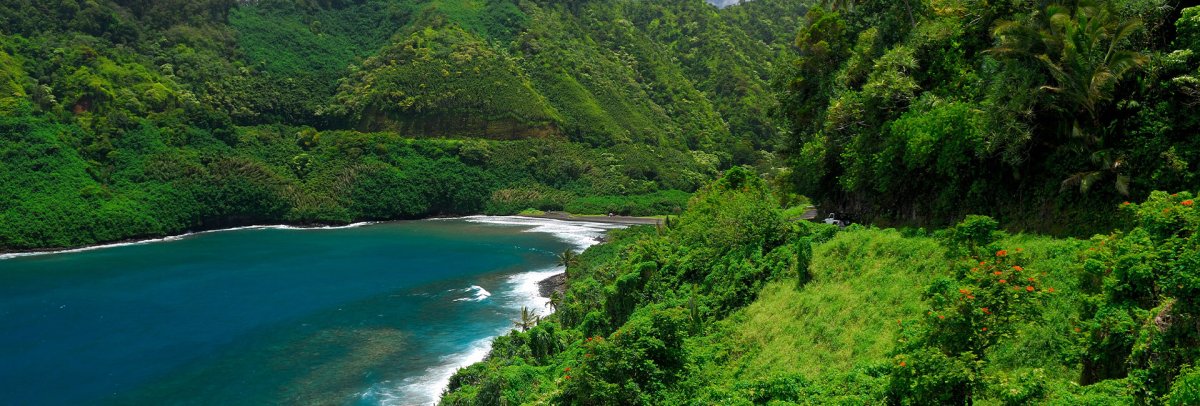
Quick roadside pullout with a view down into Honomanu Bay and back toward Keanae Peninsula
Approach cue (~12-15 sec)Show transcript
Honomanu Lookout coming up just past Kaumahina on the makai side. Quick pullout — thirty seconds to a minute is plenty. Good view down into Honomanu Bay and a different angle on the Keanae Peninsula from the one you got at Kaumahina.Arrival narration (~45-60 sec)Show transcript
Right below you is Honomanu Bay — a rocky, black-sand inlet with steep cliffs on both sides. Two dirt access roads down to the beach exist near mile markers 13 and 14, but both are unsafe for rental cars and against your rental agreement. The view from up here is better than the view from down there. Waves break straight into the bay with no reef to slow them down, so swimming is rough pretty much year-round. Surfers use it in winter. Look left and you can still see Keanae Peninsula sticking out. Back on the road — the real Keanae turnoff is a few miles ahead. -
Connector
Kaumahina to keanae connector
Show transcript
Between here and the Keanae turnoff there are several makai-side pullouts where the trees open up and give you 180-degree views of the highway winding along the coast. Most of them are as good as any other. The one near mile marker 14 overlooks the road and Honomanu Bay behind you — a good picture spot if you have not filled up on photos yet. A bit further, a pullout on top of a steep embankment gives you the last wide view of the highway before the road curves inland toward Keanae. Do not feel pressure to stop at every one. You will see Nua'ailua Bay on your left around mile marker 16 — steep walls, deeper than Honomanu, waves channeled straight in. The physical mile marker 16 sign is usually missing but you will know you are there when the road opens up toward a paved mauka parking lot. -
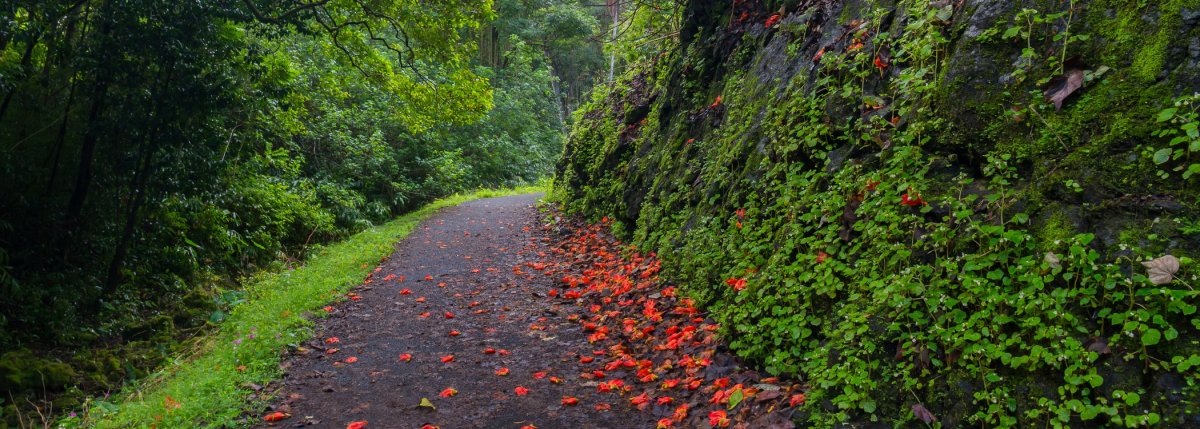
Free state-run arboretum with paved 0.6-mile walkway, taro fields, and painted bark eucalyptus; no facilities
Approach cue (~12-15 sec)Show transcript
Keanae Arboretum coming up a half-mile past mile marker 16, mauka side. Free. Paved parking lot makai, so you will cross the road on foot — watch for cars coming around the curve. A 0.6-mile paved walkway through taro fields and labeled tropical plants. Thirty minutes to an hour.Arrival narration (~45-60 sec)Show transcript
You are walking into an arboretum built on terraces the Hawaiians leveled hundreds of years ago for growing taro. The paved loop runs about six tenths of a mile along Pi'ina'au Stream and takes you past 150 varieties of tropical plants — many labeled, many not native, including fruit, ornamental, and timber trees from around the tropics. The upper section features plants cultivated by Hawaiians for food and other uses. New taro fields have been added beyond the old path. This is also the best close-up look at the painted bark eucalyptus trees you glimpsed earlier. No facilities — no bathrooms, no trash cans, no water. Bring what you need. If you are moving through Hana in one day, thirty minutes here is plenty. -
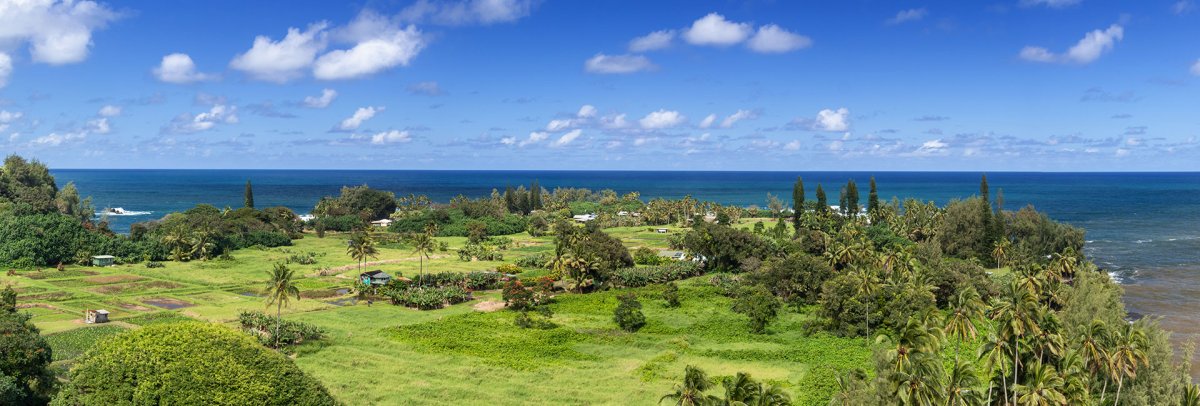
Living village on a lava delta; 1946 tsunami history; taro fields, hala trees, seabird sanctuary offshore
Approach cue (~12-15 sec)Show transcript
Keanae Peninsula turnoff coming up immediately after the Arboretum on the makai side — look for the sign. Drive down the road about three quarters of a mile to the parking area by the church and ball field. This is a living community. Stay respectful. Do not park in driveways, do not cross fences, do not go into the taro fields.Arrival narration (~45-60 sec)Audio not yet generatedShow transcript
You are standing on a flat green lava delta that was built by a lava flow off Haleakala into the ocean. Hala trees along the shore are the only plants that can get a grip on this jagged coastline. Off the point, that little offshore island is Moku Mana — a seabird sanctuary. Pauwalu Point is the cliff in the distance to your right. The stone church on the peninsula is Ihi'ihi o Iehowa o na Kaua, Keanae Congregational, built 1860 — and it was the only building that survived the April 1, 1946 tsunami that washed across the peninsula and killed 20 children and 4 teachers inside a school here. The church stands today as a reminder. Taro fields, a ball field, a few houses. That is it. Upstream, about a mile inland along Palauhulu Stream, are sapphire-blue pools known as Ching's Pond — reachable via a trail from the bridge near mile marker 16.5 if you know where to look, but it is frequented by local residents and access crosses private-edge land. Be respectful or skip it. Back out to the highway when you are done; the surf around this peninsula can be violent, so stay out of the water. -
Stop · mile 17 makai
Halfway to hana
Roadside banana bread stand roughly halfway between Paia and Hana; cash preferred; hours variable
Approach cue (~12-15 sec)Audio not yet generatedShow transcript
Halfway to Hana coming up near mile marker 17, makai side. Small stand on the side of the road. Banana bread, coconut candy, sometimes coffee and fruit. Cash helps. Quick stop — five or ten minutes.Arrival narration (~45-60 sec)Audio not yet generatedShow transcript
You are at a roadside stand that has been selling banana bread to Road to Hana travelers for decades. The bread is baked on-site most mornings in small batches, comes in a foil-wrapped loaf warm out of the oven when you are lucky with the timing. Also sometimes smoothies, fruit, coffee, and coconut candy depending on what is ready. Prices are simple, cash is preferred. A few picnic tables to eat at before getting back on the road. There are other banana-bread stands scattered along this drive, each with loyal fans, but this one is the reference point for a reason. -
Connector
Wailua town waikani connector
Audio not yet generatedShow transcript
Between here and Pua'a Ka'a the road delivers three quick waterfall moments without much walking. Near mile marker 18, makai, a small road drops down to Wailua Town — not much to see in town itself, but you can catch a partial view of Lower Waikani Falls from the side road. Up at mile 18 and change on the mauka side you will pass Wailua Valley State Wayside Park; most drivers breeze right by, and that is fine — the view is quick, and there is a better one at the next paved overlook a quarter mile up the highway. Near mile marker 19, mauka, is Upper Waikani Falls — the triple-spouted Three-Bears Falls. You can see it from the side of the road. Seventy feet tall, flow varies with rainfall. Winter high flow is unapproachable; spring and summer is when the photos look classic. And near mile marker 21, over the Wailuaiki Stream bridge, a 50-foot falls cascades just under the roadway. Do not try to hit every one. Pick the ones that catch your eye. -
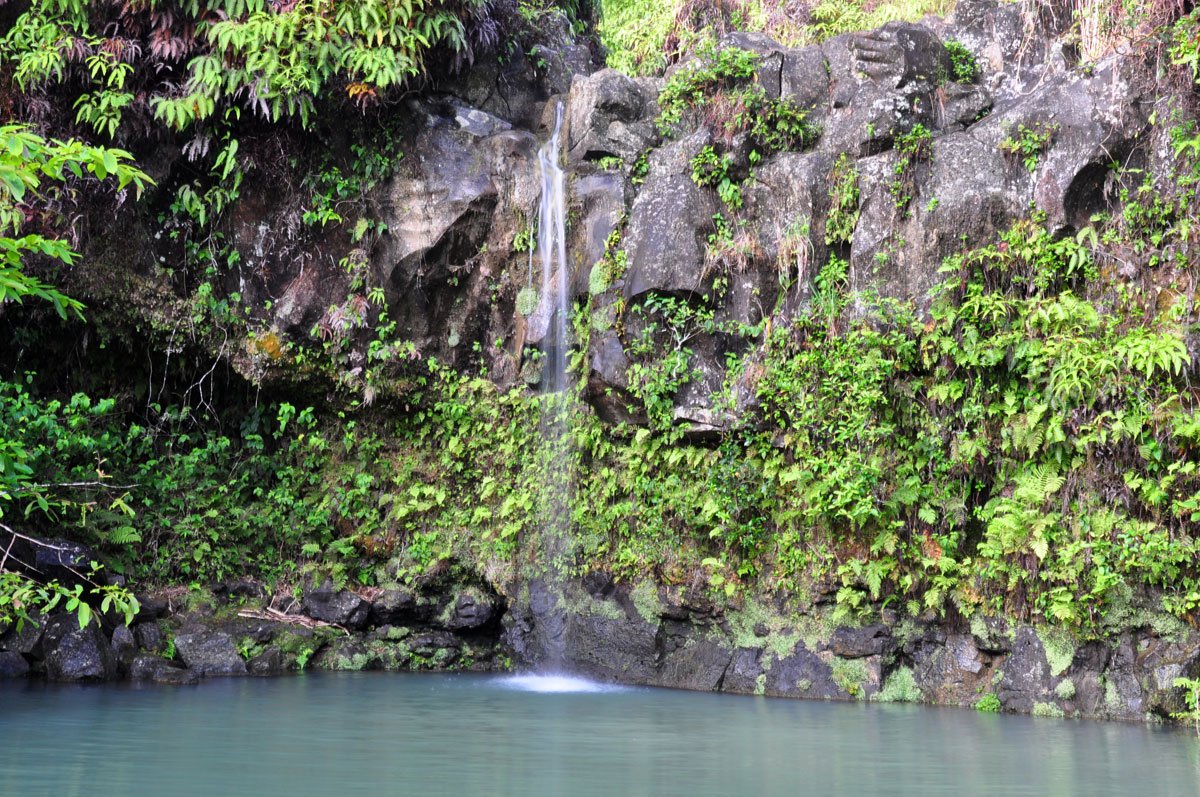
State wayside with paved trail to small falls, picnic tables, and restrooms; large paved parking lot makai
Approach cue (~12-15 sec)Audio not yet generatedShow transcript
Pua'a Ka'a State Wayside coming up about a half-mile past mile marker 22. Large paved parking lot on the makai side. Restrooms, picnic tables, and a short paved trail mauka to a couple of small falls and pools. Good rest stop mid-drive.Arrival narration (~45-60 sec)Audio not yet generatedShow transcript
This is the halfway rest stop most travelers need. Bathrooms, picnic tables, and a quick paved trail up to two small waterfalls and swimmable pools fed by the stream. The falls are modest compared to what you have seen and what is coming, but the setting is pretty and the flat paved access makes this an easy fifteen or twenty minutes. Watch for mongooses streaking across the pavement — they are the small weasel-looking animals someone introduced to kill rats a century ago. They killed the ground birds instead and are now on every island except Kauai. Jungle fowl also hang around the picnic area looking for scraps. Do not feed the wildlife. Restrooms are across the parking lot. -
Connector
Puaakaa to kahanu connector
Audio not yet generatedShow transcript
Long stretch coming up. Between mile marker 22 and mile marker 31 you will pass a handful of small falls and bridges that are not worth dedicated stops. Upper Hanawi Falls, near mile 24, is spring-fed, so it flows even in the dry months — the bridge is the safest spot to view it if parking allows. Makapipi Falls, near mile 25, drops into a blue pool right under the bridge; stop if you have time, skip if you do not. Near mile marker 25, a steep makai road drops down to Nahiku village. You might read somewhere that Nahiku Road is worth it. It used to be. Not anymore. Show Aloha and skip it — the road is too crowded, the community is frustrated, and there is better scenery ahead. Same story for Helele'ike'oha Falls, sometimes called Blue Pool, at the end of Ula'ino Road. The beach is technically public but access crosses private property and residents have reached a breaking point. Pass on it. Around mile marker 30 the rainforest canopy starts opening up. You will get your first real views of Haleakala's northeast face and the open Pacific. At mile 31, a sign welcomes you to Hana Town. -
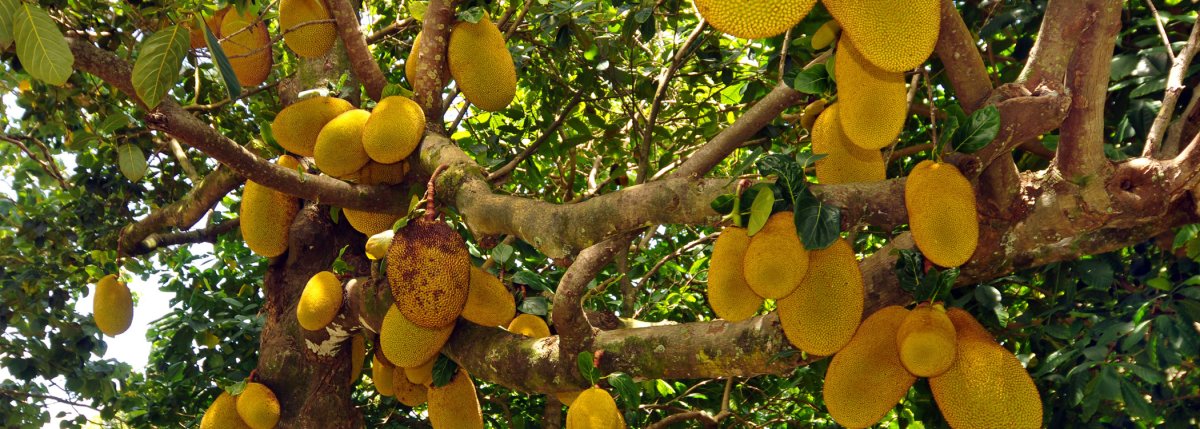
122-acre botanical garden on Ula'ino Road; home to Pi'ilanihale Heiau (14th century, two football fields large); Mon-Sat 9am-3pm, last entry 2pm; closes without notice during heavy rain
Approach cue (~12-15 sec)Audio not yet generatedShow transcript
Kahanu Garden turnoff coming up a half-mile past mile marker 31, makai side onto Ula'ino Road. Mile down on broken pavement, stream ford at the end — if the water is above the pole markers, turn around. Open Monday through Saturday, 9am to 3pm, last entry at 2pm. Closed Sundays. Plan about an hour inside. Closes without notice in heavy rain.Arrival narration (~45-60 sec)Audio not yet generatedShow transcript
You are walking into 122 acres of native Hawaiian plants, Polynesian food trees, and one of the largest breadfruit collections anywhere. A mile-long trail loops the property, and past the forest edge you come out at Pi'ilanihale Heiau — the oldest and largest known place of worship in Hawai'i. Built entirely of lava rock in the 14th century during the Pi'ilani Dynasty. The stone platform is the size of two football fields. Visitors are not allowed on the heiau, so you view it from a distance — which is still impressive. The coastal views from the trail are worth the admission on their own. Self-guided and Friday guided tours at 9:30am ($30 adult, kids 12 and under free) — reservations required for guided, encouraged for self-guided. Book on the National Tropical Botanical Garden website. Also on Ula'ino Road: Ka'eleku Caverns, a self-guided lava tube, $15 per person, open six days a week 10:30am to 4pm. -
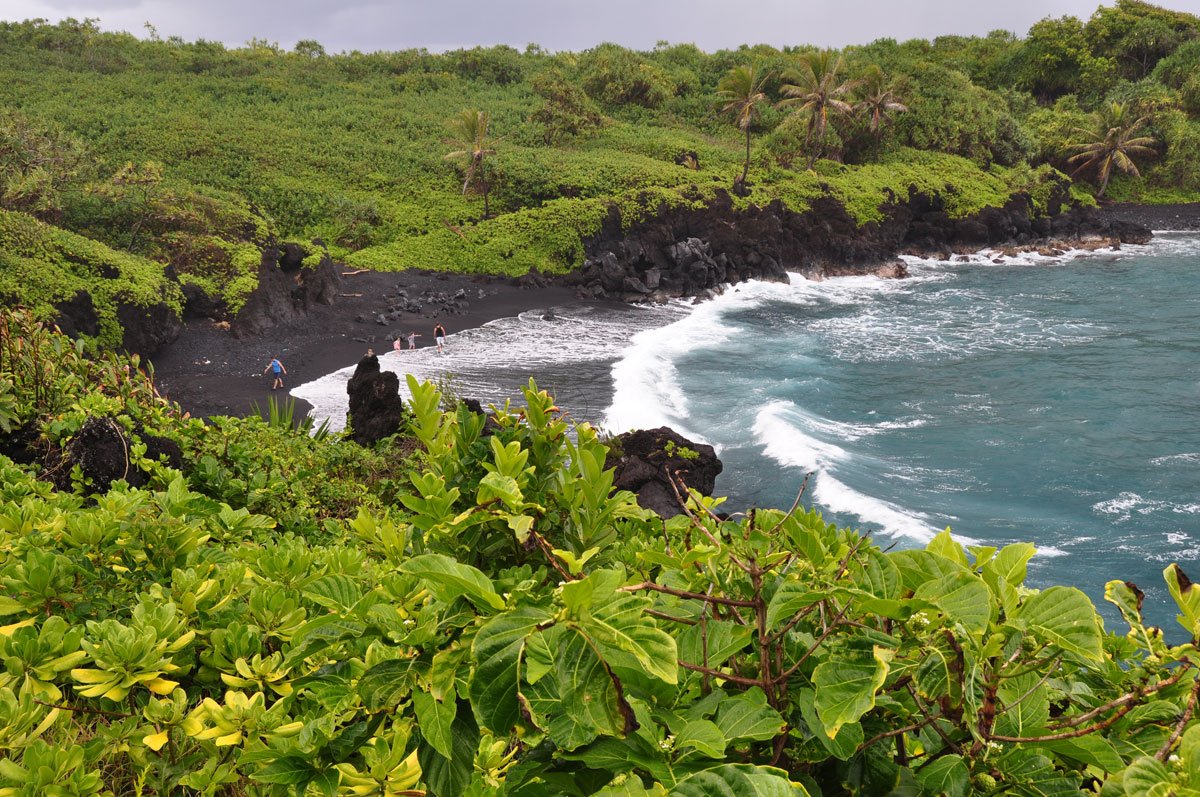
Black sand beach (Honokalani) in Pa'iloa Bay; sea caves, lava tubes, blowhole; reservation required for non-residents ($10/vehicle + $5/person); book at gowaianapanapa.com up to 2 weeks in advance
Approach cue (~12-15 sec)Audio not yet generatedShow transcript
Wai'anapanapa State Park coming up at mile marker 32, makai side down a gravel road. Reservation required for non-residents — $10 per vehicle and $5 per person, book in advance at gowaianapanapa.com up to two weeks ahead. No same-day bookings. If you did not reserve, keep driving — they turn cars away at the entrance.Arrival narration (~45-60 sec)Audio not yet generatedShow transcript
You are at the black sand beach most travelers picture when they picture the Road to Hana. Honokalani Beach, inside Pa'iloa Bay, black sand made of eroded lava, surrounded by wind-twisted foliage and sculpted cliffs. Swimming is dangerous — the beach sits wide open to the ocean with no reef to break the swell, so the current rips and the shore break is violent. The warning signs are not decoration. What to do instead: walk the trail left of the beach access to the sea caves — narrow at the opening, wider inside, with freshwater pools in some. There is also a blowhole in the lava near the shoreline when the swell is up. For a longer walk, hike southeast along the coast toward Hana Town; about a mile out you reach Ohala Heiau. Restrooms and picnic tables at the main parking area. The park charges $5 per person plus $10 per vehicle for out-of-state visitors, confirmed current in the Hawai'i fee database. Residents free. -
Connector
Waianapanapa to hana connector
Audio not yet generatedShow transcript
Back on the highway for the short run into Hana Town. The landscape changes fast here — rainforest gives way to open rolling pasture and coastal cliffs. What you are seeing is Hana Ranch grazing land, some of which has been cattle pasture since the 1930s when Paul Fagan bought the old Unna Brothers sugar operation and converted it. Mile markers count up to 34 as Highway 360 ends. At the fork coming into Hana, left takes you down to Hana Bay, right takes you into downtown — such as it is — and onward to Highway 31, which heads south toward Kipahulu and Oheo Gulch. Take whichever you need first. We are going right. -
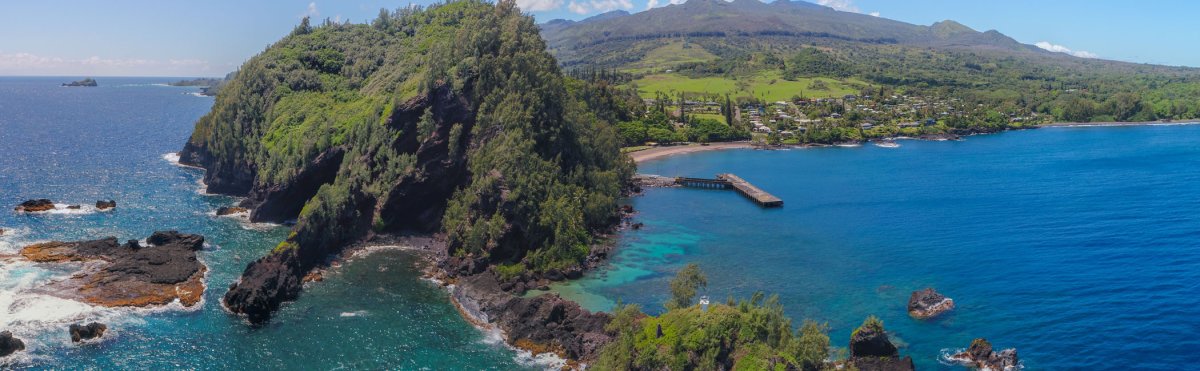
Small town of ~1,200 with three restaurants, a few stores, Hana Cultural Center on Ke'anini Street (free admission), and Hana Bay black sand beach
Approach cue (~12-15 sec)Audio not yet generatedShow transcript
Hana Town coming up. Small. Quiet. No traffic lights, no chain stores, no fast food. Three restaurants, a handful of shops, a gas station. If you need fuel before heading on to Kipahulu, fill up here. Plan 30 to 45 minutes to look around, longer if you want to walk down to Hana Bay.Arrival narration (~45-60 sec)Audio not yet generatedShow transcript
You are in a town of about 1,200 people on 4,500 acres that have been through multiple eras — Unna Brothers sugar in the 1800s, Paul Fagan's cattle operation starting in 1935, and today owned by a mix of local and mainland investors. Three restaurants, a couple of small markets and shops, and genuine conversation with the people who live here if you slow down enough to have one. The Hana Cultural Center on Ke'anini Street is free admission and holds a small collection of Hawaiian art and artifacts. Hana Bay sits at the east edge of town — black sand, usually decent swimming, but ask a local before going in. The pier at the right end of the bay gives a different view of the town, and a trail heads up around Ka'uiki Hill leading 200 yards to a small red sand pocket beach. Take a break here, eat something, fill the tank. The payoff miles are past town in Kipahulu. -
Connector
Hana to kipahulu connector
Audio not yet generatedShow transcript
Heads up on the mile markers — leaving Hana Town you transition from Highway 360 onto Highway 31, the South Hana Highway, and the mile markers now count DOWN instead of up. You will pass mile 51, then 50, then 49, all the way down to 42 at Oheo Gulch. Weirder still, between mile markers 15 and 20 they jump back up and count down again. No one seems to know why. The road narrows and the one-lane bridges come back. Cattle pasture and coastal bluffs, then back into the green. This side of Hana is where the driving gets quiet again. Fewer tourists make it past Hana Town, so if you have come this far you get the best part of the drive with half the traffic. First stop ahead is the Koki Beach turnoff onto Haneo'o Road, just past mile 51. -
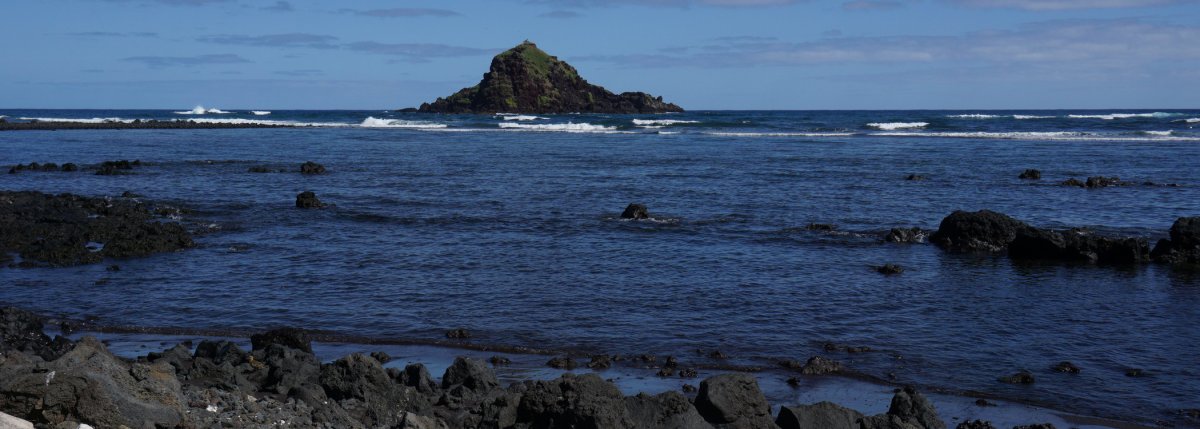
Red-sand beach below the Ka Iwi o Pele eroding cinder cone; views of Alau Island and offshore sea arch; strong currents — use caution swimming
Approach cue (~12-15 sec)Audio not yet generatedShow transcript
Koki Beach turnoff coming up — Haneo'o Road, makai, about half a mile past mile marker 51. The hill on your left as you drop down is Ka Iwi o Pele, the bones of Pele, an eroding cinder cone. Short drive down to an overlook with good views of Alau Island offshore.Arrival narration (~45-60 sec)Audio not yet generatedShow transcript
You are above a reddish-sand beach below a 400-foot eroding cinder cone. Offshore, the little island with the swaying palms on top is Alau Island — close enough from here that it looks like it should be walkable, which it is not. Look left along the coast and you should pick out a sea arch in the rocky cliffs. Swimming at Koki is rough — currents are strong and the bottom is uneven, so most people come for the view, not the water. Use caution if you do go in. Between here and Hamoa Beach, a few hundred yards down Haneo'o Road, keep an eye out for the ancient Haneo'o fishponds — low stone walls along the shore built by Hawaiians for aquaculture. Back in the car and down the road for Hamoa. -
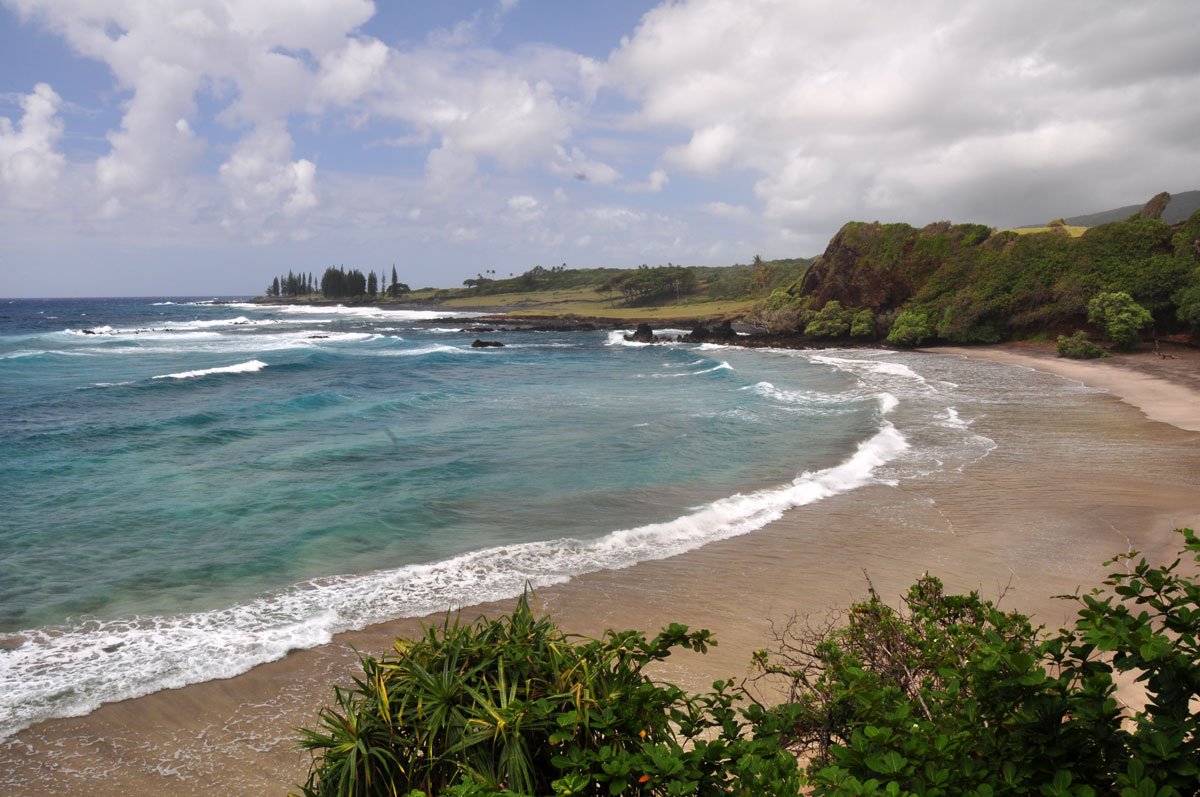
1,000-foot gray-sand beach surrounded by cliffs and lush vegetation; good swimming and bodysurfing; facilities maintained by adjacent hotel are available to visitors; unprotected, big surf in winter
Approach cue (~12-15 sec)Audio not yet generatedShow transcript
Hamoa Beach coming up on Haneo'o Road past Koki. Park in the lot at the top, take the stairs down to the shoreline. One of the most beautiful beaches in Hawai'i, by a long margin. Restrooms, showers, picnic tables available — maintained by the adjacent resort but accessible to visitors. Plan on an hour, longer if you swim.Arrival narration (~45-60 sec)Audio not yet generatedShow transcript
You are standing above one of the most photographed beaches in the state. Hamoa is about a thousand feet long and a hundred feet wide, salt-and- pepper sand, sea cliffs wrapping around, dense vegetation pushing right down to the sand. The property surrounding the beach belongs to a neighboring luxury hotel, but the beach itself is public and they still allow visitors to use the facilities — restrooms, showers, picnic tables. Offshore: decent snorkeling and scuba when calm, good swimming most of the year, excellent bodysurfing especially in winter. Hamoa has no reef out front, so winter swells arrive unimpeded. If the surf looks big, respect it. On a calm day this is the swimming beach you have been looking for since Paia. Back to Highway 31 when you are done — right turn to continue toward Oheo Gulch, mile markers counting down. -
Connector
Hamoa to wailua falls connector
Audio not yet generatedShow transcript
Back on Highway 31 south. Between here and Wailua Falls you will pass a couple of spots that are not worth stopping for. Near mile marker 48, on private property, is Waioka Pond — sometimes called Venus Pool. Beautiful from photos, but access crosses private land, residents have been pushed past patience, and ticketing is not uncommon. Skip it. Near mile marker 46 you will cross Ala'alaula Bridge with a small falls beside it; nothing special, and a much better falls is a mile ahead. Also near mile 46, Paihi Falls drops about 50 feet right next to the road — quick glance, do not bother stopping. Save your legs. Wailua Falls is up next and is the kind of stop that justifies the drive this far. -
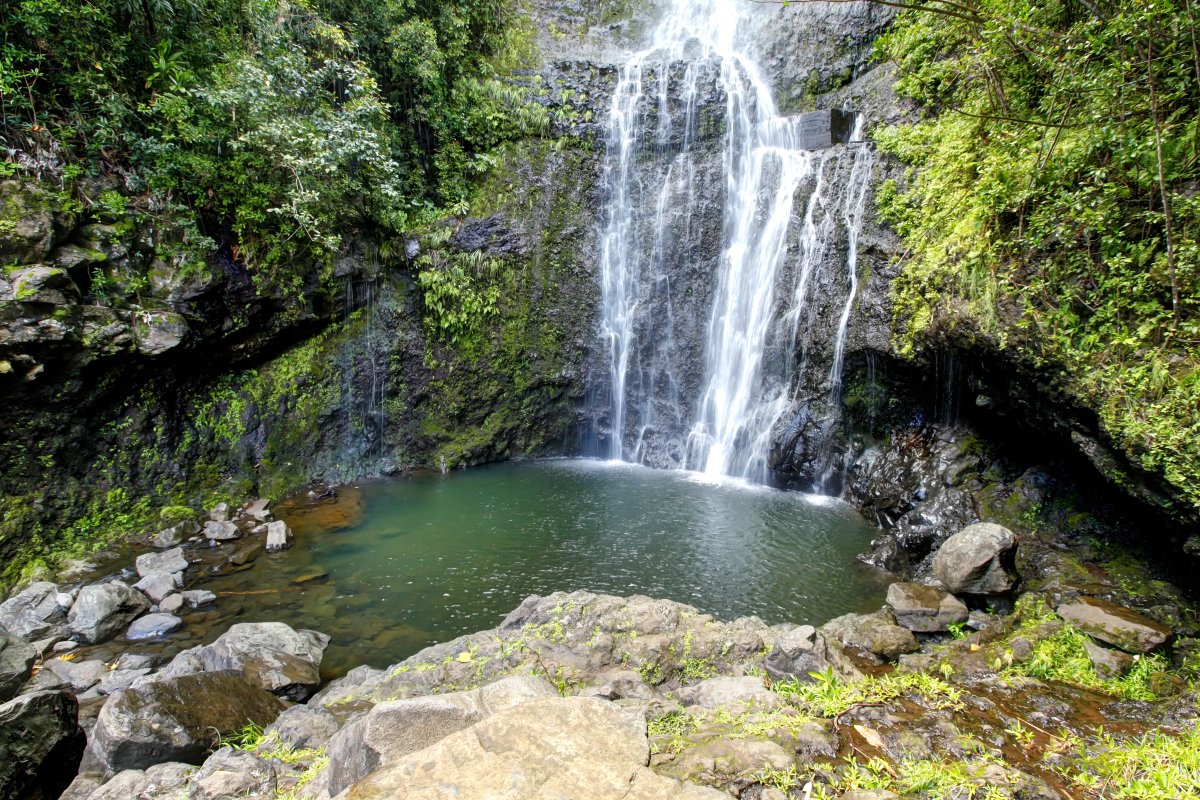
80-foot roadside waterfall on Honolewa Stream (not Wailua stream, despite the name); small parking lot makai right after the bridge; short path to the base — slick when wet
Approach cue (~12-15 sec)Audio not yet generatedShow transcript
Wailua Falls coming up just past mile marker 45. Small parking pullout on the makai side right after you cross the bridge. One of the prettiest roadside falls on the island. Short path to the base if you want a closer look — footing is slick when wet, so be careful.Arrival narration (~45-60 sec)Audio not yet generatedShow transcript
You are looking at 80 feet of water cascading off a fern-covered cliff directly beside the highway. Despite the name, this falls is actually on Honolewa Stream, not Wailua Stream — the bridge you crossed is Wailua, but the falls upstream belongs to a different watershed. A short path leads down to the base of the pool, but it is steep and the rocks stay wet year-round, so use real footwear and take it slow. Flow varies with rainfall but this one usually has water moving through it all year. Do not cross the stream or climb the rocks near the base — people get hurt here every year. Five or ten minutes is plenty. Back on the road; Oheo Gulch is three miles south. -
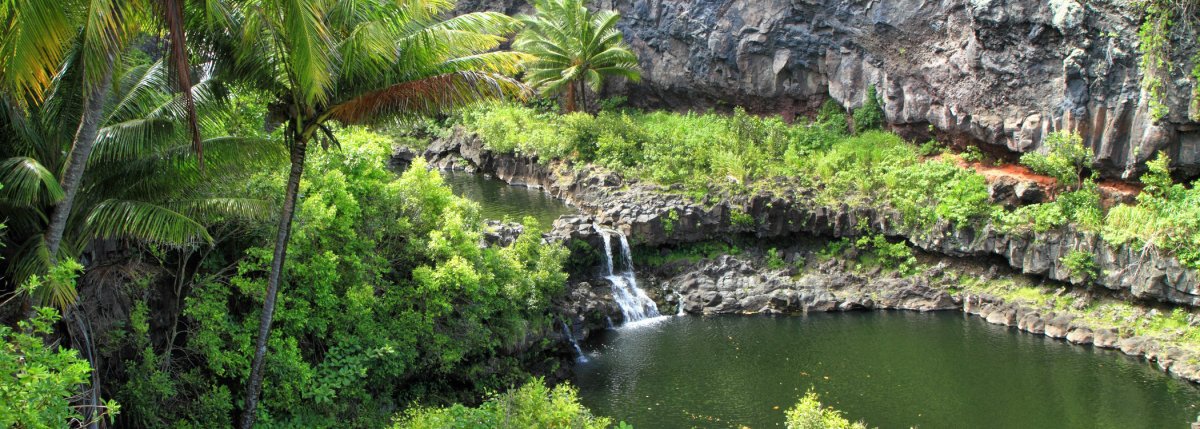
Kipahulu district of Haleakala National Park; $30/vehicle entry fee valid 3 days across both Kipahulu AND Haleakala summit; Kuloa Point Trail half-mile loop; pools sometimes closed to swimming due to flash flood risk
Approach cue (~12-15 sec)Audio not yet generatedShow transcript
Oheo Gulch coming up at mile marker 42, makai side. This is the Kipahulu district of Haleakala National Park. Entrance fee is $30 per vehicle, valid for three days and usable at both Kipahulu AND the Haleakala summit on the other side of the island. Same pass. Park entrance is after you cross the bridge over the stream. Half-mile easy loop to the pools, plus the longer Pipiwai Trail up to Waimoku Falls. Visitor center at the entrance has current swimming status and trail conditions.Arrival narration (~45-60 sec)Audio not yet generatedShow transcript
You are inside Haleakala National Park, on the 1969 land donation that set aside these pools to be perpetually open to the public. The name Seven Sacred Pools is a 1940s tourism invention — there are dozens of pools here, not seven, and they were never considered sacred by Hawaiians. The accurate name is just Oheo Gulch. The half-mile Kuloa Point Trail loops from the visitor center down to the ocean past old Hawaiian habitation sites and a grove of hala trees, with views over several of the big pools along the way. Swimming is sometimes permitted and sometimes closed — flash floods come down the gulch fast, the Park Service closes the pools for safety, and the rangers will post current status at the visitor center. Ask before you swim. Never jump from the cliffs. Ocean currents at Kuloa Point are severe and the park specifically says do not go in the ocean here. A shorter quarter-mile Kahakai Trail runs the shoreline — skippable if you are short on time. The real payoff hike is the Pipiwai Trail up into the bamboo forest, coming up next. -
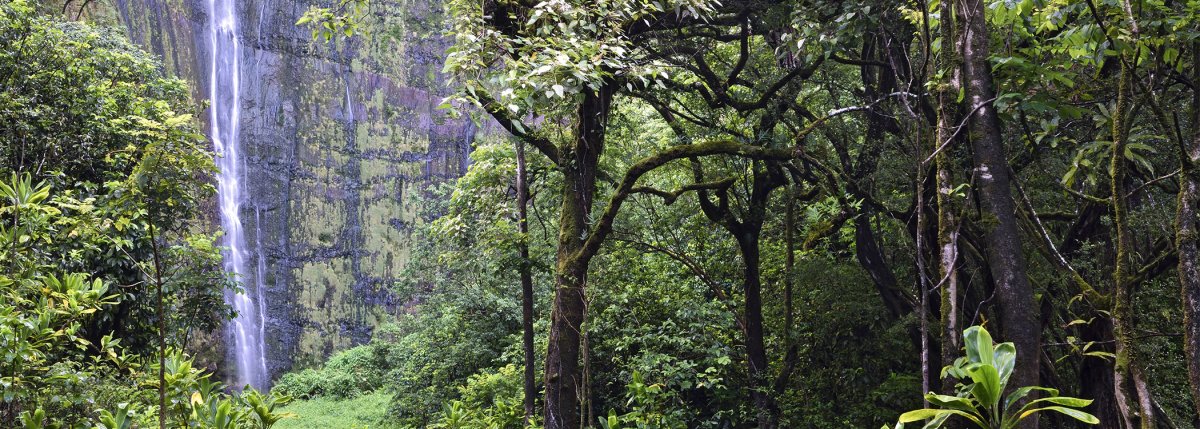
Pipiwai Trail — 4 miles round trip, ~2 hours up / 1.5 hours down, 650 ft elevation gain; passes Makahiku Falls (184 ft), giant banyan tree, 30-ft bamboo forest, and Waimoku Falls (400 ft); mosquitoes, stream crossings impassable after rain
Approach cue (~12-15 sec)Audio not yet generatedShow transcript
Pipiwai Trail trailhead is right past the bridge over Pipiwai Stream, mauka side inside the park — same $30 pass covers this. Four miles round trip, 650 feet of elevation gain, about two hours up and an hour and a half back. One of the best hikes on Maui. Bring water, mosquito spray, real footwear. Do not try it after heavy rain — stream crossings become impassable.Arrival narration (~45-60 sec)Audio not yet generatedShow transcript
You are at the trailhead of the best hike on this whole drive. The first half mile climbs gently to an overlook of Makahiku Falls — a 184-foot cascade the Park Service sometimes calls Infinity Pool because the pool at the top of the falls appears to spill straight off the cliff. When the stream is flowing strong, Makahiku is a spectacle. Past the overlook, the trail passes a giant banyan tree — a single tree with dozens of aerial roots dropped from the canopy, big enough to walk under. Keep going and the trail enters the bamboo forest: 30-foot-tall culms that knock together in the wind, dark and cool and loud, a stretch of trail that feels older than the rest of the island. Boardwalks carry you above the muddiest sections. You will cross the stream a couple of times on foot bridges and stepping stones. At the end, Waimoku Falls drops 400 feet off a horseshoe-shaped cliff into a shallow pool. Do not cross the stream at the base of the falls if it has rained recently — the current is stronger than it looks. Turn around and head back down. Plan four hours start to finish if you want to enjoy it. -
Stop · mile 41 makai
Lindbergh grave
Charles Lindbergh's grave behind Palapala Ho'omau Church (built 1857, limestone coral); small sign 'Limited Parking' tacked to a tree, easy to miss; coastal views beyond the grave
Approach cue (~12-15 sec)Audio not yet generatedShow transcript
Lindbergh's grave coming up at mile marker 41, makai side. Narrow road leads to Palapala Ho'omau Church. Small 'Limited Parking' sign tacked to a tree — easy to miss. A mile south of Oheo Gulch. Short stop, maybe twenty minutes.Arrival narration (~45-60 sec)Audio not yet generatedShow transcript
You are at Palapala Ho'omau Church, built in 1857 out of limestone coral. Charles Lindbergh — the aviator who flew the first solo non-stop Atlantic crossing in 1927 — lived his last years on this coast and is buried behind the church under a Java plum tree. He died on August 26, 1974. Shortly before he died he sketched out a simple design for his own grave and coffin. The grave marker is plain; a lava rock border, a flat stone slab, his name and dates. People come here partly for Lindbergh and partly for the setting. The real reward is what is behind the grave — coastal cliffs dropping straight into the Pacific, no handrails, no development, a view the Lindberghs chose for a reason. Stay respectful. Back on the road; the road south from here deteriorates, and the drive back to Kahului via the north loop is how most travelers return. -
Outro
Outro
Show transcript
That is Hana. Small, quiet, no traffic lights, no fast food. If you brought a swimsuit and you have time, keep going another ten miles to Oheo Gulch — the Seven Sacred Pools — inside Haleakalā National Park. The drive back to Kahului will feel shorter than the drive in; you already know the curves. Plan for two and a half hours of driving, more if you stop again at the places you passed this morning. Tomorrow, check the Haleakalā summit drive or the Upcountry loop — both are shorter than today, both very different.
AI-narrated audio synthesized by ElevenLabs, voiced by Hoku (feminine) and Honu (masculine). Hoku and Honu are Voice Library donors, not native Hawaiian speakers. Some pronunciations may land slightly off — mahalo for your patience as we refine.

Try out our AI Powered
Search & Chatbot →
Get Your Free Hawaii Visitor Guide
Enter your email and we'll send you instant access to our free 2026 Hawaii Starter Guide + Summary Guidesheets.