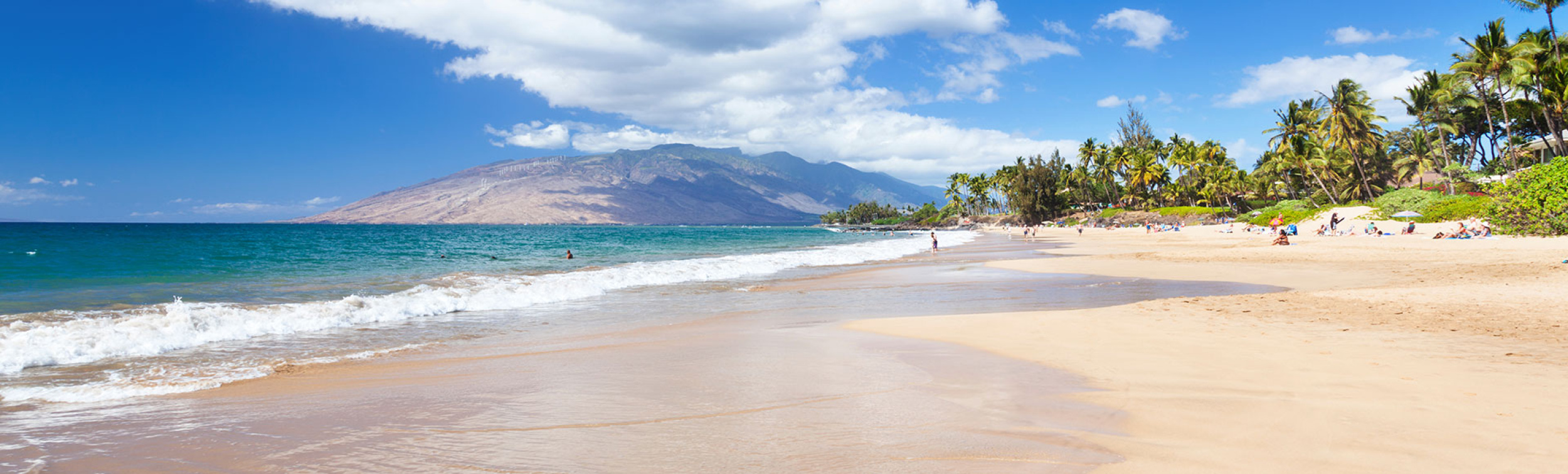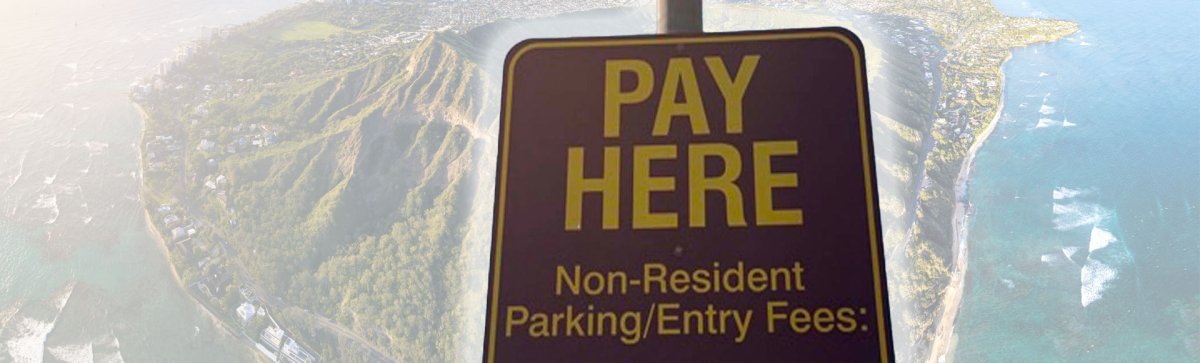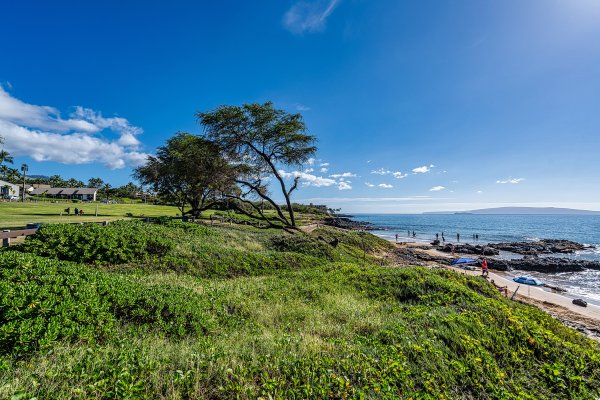

Maui’s Park Maui program rolled out paid visitor parking at Kamaole Beach Parks I, II, and III in South Maui earlier this year. The fee: $10 per day for non-residents. Residents park free. And on weekends and county holidays, visitors cannot park until after 10 AM — those morning hours are resident-only.
If you are planning a Maui trip this summer, this changes how you approach South Maui’s most popular beach stretch. Kamaole I, II, and III sit along a mile of Kihei coastline, and they are where a huge percentage of visitors end up. The parking lots fill early. Adding a fee and time restrictions shifts the calculus.
What It Costs
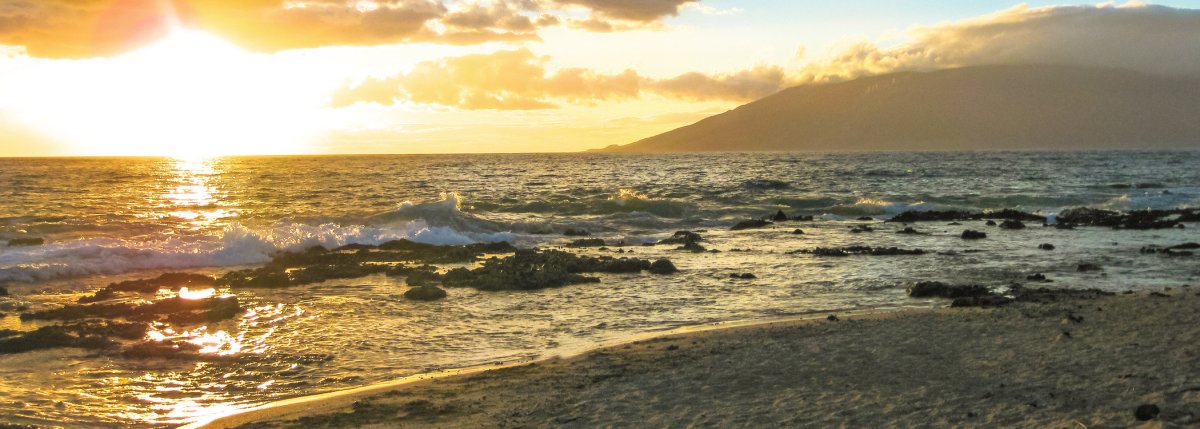
The Park Maui rate structure for Kamaole Beach Parks:
- $10 per day (single vehicle, non-resident)
- $50 weekly pass (valid at all Park Maui beach locations)
- $150 monthly pass (same)
- Free for Hawaii residents with valid state ID or driver’s license
Payment is handled through the Park Maui system — expect either a pay station in the lot or a mobile payment option. This is the same program Maui County uses for its downtown Wailuku and Lahaina parking meters.
For context, the state-run Makena State Park (Big Beach) also charges non-residents $5 per person and $10 per vehicle. That is a separate system from Park Maui and requires its own payment. A day hitting both Kamaole and Big Beach could run you $20+ in parking alone before you unroll a towel.
Resident-Only Morning Hours
On weekends and Maui County holidays, the Kamaole lots are reserved for residents until 10 AM. Visitors can park after 10. Weekdays have no time restriction — you just pay the fee.
This is worth planning around. If your condo is in Kihei and you want a Saturday morning beach session at Kamaole III, you will need to walk, bike, or rideshare. Driving and parking before 10 is not an option unless you are a resident.
The restriction reflects a genuine tension. After the 2023 Lahaina fires redirected visitor traffic south, Kihei and Wailea beaches absorbed an estimated 10-20% more visitors. Locals who had always parked easily at Kamaole suddenly could not find spots. The morning lockout is the county’s attempt to guarantee residents beach access before the lots fill.
More Beaches Are Coming
Kamaole is Phase 1. Maui County has signaled that more beaches will join Park Maui after the Kamaole rollout is evaluated. Beaches mentioned as potential additions include:
- Baldwin Beach Park in Paia (North Shore)
- Launiupoko Beach Park in Lahaina (West Maui)
- Hookipa Beach Park on the North Shore
No confirmed dates for Phase 2. The county will evaluate how Phase 1 performs before expanding. But if you are visiting Maui later in 2026 or in 2027, paid parking at additional beach lots is likely.
How to Work Around It
A few practical options for summer visitors:
Buy the weekly pass. If you are staying in South Maui for five or more days, the $50 weekly pass pays for itself after day five. It works at all Park Maui locations, so if Baldwin or Launiupoko come online during your trip, you are covered.
Walk or bike from your hotel. Many Kihei condos and vacation rentals are within a 10-minute walk of Kamaole I, II, or III. Skip the parking lot entirely on weekend mornings.
Go early on weekdays. No resident-only restriction on weekday mornings. Arrive by 8 AM and you will have your pick of spots.
Try less-trafficked beaches. Charley Young Beach (north end of Kamaole I) and Keawakapu Beach (south of Kamaole III) have smaller, free street parking. They are also excellent beaches. Cove Park near the Kihei boat ramp is another option with free parking, though it is more of a surf break than a swimming beach.
Rent a car with flexibility. Having your own car lets you explore beyond the Kamaole corridor. Book through Discount Hawaii Car Rental for the best Maui rates — and use it to reach beaches that do not charge yet.
The Bigger Picture
Maui is not the only island adding beach and park fees. Across the state, 16 state parks now charge non-resident entry fees, including Diamond Head ($5/person), Hanauma Bay ($25/person), and Makena State Park ($5/person + $10/vehicle). The statewide Green Fee adds 1% to accommodation taxes. A bill to require visitor fees at all Hawaii state parks is advancing in the state legislature.
The direction is clear. Free, unlimited access to Hawaii’s most popular outdoor spaces is ending. For a family of four spending a week on Maui, these fees add up — figure $70-100 in beach and park parking charges across a seven-day trip, depending on how many paid lots you visit. It is not a dealbreaker, but it is a line item that did not exist two years ago.
Budget for it. And if the fees bother you, go where the crowds are not. Maui has dozens of beautiful beaches beyond the Kamaole strip that remain free and uncrowded. That has always been the best way to experience the island anyway.
Plan Your Maui Trip
More guides for visiting Maui this summer.