Most visitors pick one Hawaiian island and stay put. That is fine. But if you have seven or more days, adding a second island transforms the trip. Interisland flights take less time than the drive from Waikiki to the North Shore, and they open up two completely different landscapes and two different vibes for the price of a single vacation.
Three airlines connect the major islands right now: Hawaiian Airlines, Southwest Airlines, and Mokulele Airlines. One-way fares start at $39 if you book smart. The whole system runs like a bus route — flights every 30 to 60 minutes on the busiest corridors, with most hops under 45 minutes in the air.
The Three Airlines (and When to Use Each)
Hawaiian Airlines is the workhorse. They operate roughly 170 daily interisland flights connecting Honolulu (HNL), Kahului (OGG), Kona (KOA), Hilo (ITO), and Līhuʻe (LIH). Expect one-way fares from $59 to $150 depending on route and timing. Hawaiian is the only carrier with full-size jets on every interisland route, which means more legroom and overhead bin space than you will get on the competitors.
Big news for 2026: Hawaiian Airlines officially joins the Oneworld Alliance on April 22 as part of the Alaska Airlines merger. That means your interisland flights can earn miles redeemable on American, Qantas, Cathay Pacific, British Airways, and a dozen other carriers. If you fly internationally, this changes the math on which loyalty program to use.
Southwest Airlines covers the same five airports at lower base fares — often $39 to $79 one-way. The catch: Southwest routes mostly hub through Honolulu, so flying Maui to Kona may require a connection. The upside: no change fees on any fare. Book early, and if the price drops, rebook for the difference. That flexibility alone makes Southwest the best option for travelers whose plans might shift.
Mokulele Airlines is the small-plane specialist. They fly nine-seat Cessna Grand Caravans to airports the big carriers skip entirely: Hāna, Kapalua (West Maui), Molokaʻi, Lānaʻi, and Waimea-Kohala on the Big Island. One-way fares run $50 to $110. Mokulele is the only way to fly into Hāna without driving the Road to Hāna, and the only scheduled service to Molokaʻi and Lānaʻi. The planes fly low enough that the views alone are worth the ticket.
Flight Times Between Islands
These are air times only. Add 90 minutes on each end for ground transport and airport screening, and your door-to-door total is roughly four to five hours.
Honolulu (Oʻahu) to Kahului (Maui): 25 minutes
Honolulu to Līhuʻe (Kauaʻi): 35 minutes
Honolulu to Kona (Big Island): 40 minutes
Honolulu to Hilo (Big Island): 50 minutes
Kahului to Kona: 40 minutes
Līhuʻe to Kona: 55 minutes
The Honolulu–Maui corridor is the busiest interisland route in the country. Flights depart every 30 minutes during peak hours. You can legitimately do a day trip from Oʻahu to Maui, though I would not recommend it — you spend more time in airports than on the beach.
How to Get the Cheapest Fares
Book three to six weeks out. Interisland fares are not like mainland flights where prices swing wildly. They stay relatively stable, but the cheapest seats sell first. Three weeks is the sweet spot for most routes.
Fly Tuesday, Wednesday, or Saturday. These are the lightest travel days on the interisland network. Friday afternoon and Sunday evening are the most expensive — that is when local residents commute between islands for work.
Take the first morning flight. It is the cheapest departure on most routes, and it is the least likely to be delayed. Afternoon flights stack up delays from earlier in the day. A 6:00 AM departure from Honolulu to Maui regularly prices $20 to $30 less than the same route at 2:00 PM.
Use Southwest’s no-change-fee policy as a weapon. Book your interisland Southwest flight the moment you know your rough dates. If the fare drops later, cancel and rebook at the lower price. You lose nothing. Hawaiian charges $30 per change on most fares.
Check Mokulele for niche routes. Flying into Kapalua instead of Kahului puts you on the west side of Maui without the 45-minute drive from the main airport. Flying into Hāna saves you six hours of hairpin turns. These routes do not show up on Google Flights — book directly on Mokulele’s site.
Baggage Rules You Need to Know
This is where the airlines diverge sharply, and where most travelers get surprised at the gate.
Hawaiian Airlines: Carry-on is free (25 lb limit, must fit in the overhead). First checked bag is $30, or $25 for HawaiianMiles members. Second bag is $40. The Hawaiian Airlines World Elite Mastercard gets you two free checked bags on Hawaiian flights — worth considering if you are doing multiple interisland hops.
Southwest: Carry-on is free. Checked bags are free for Hawaiʻi residents, military, A-List Preferred, and Business Select fares. Everyone else pays for checked bags on interisland routes. Southwest ended its 54-year free-bags-for-all policy in 2025 but kept the perk for local residents on island routes.
Mokulele: This is where it gets tight. Cessna Caravans have limited cargo space. Each passenger gets one carry-on and one checked bag included, but oversized luggage and surfboards need advance arrangements. Golf bags and bike boxes are possible with notice — call ahead.
Pro tip: If you are island-hopping for just two or three nights, pack a small carry-on and skip the checked bag entirely. Interisland terminals move fast when you are not waiting at baggage claim.
Airport Tips for Interisland Travel
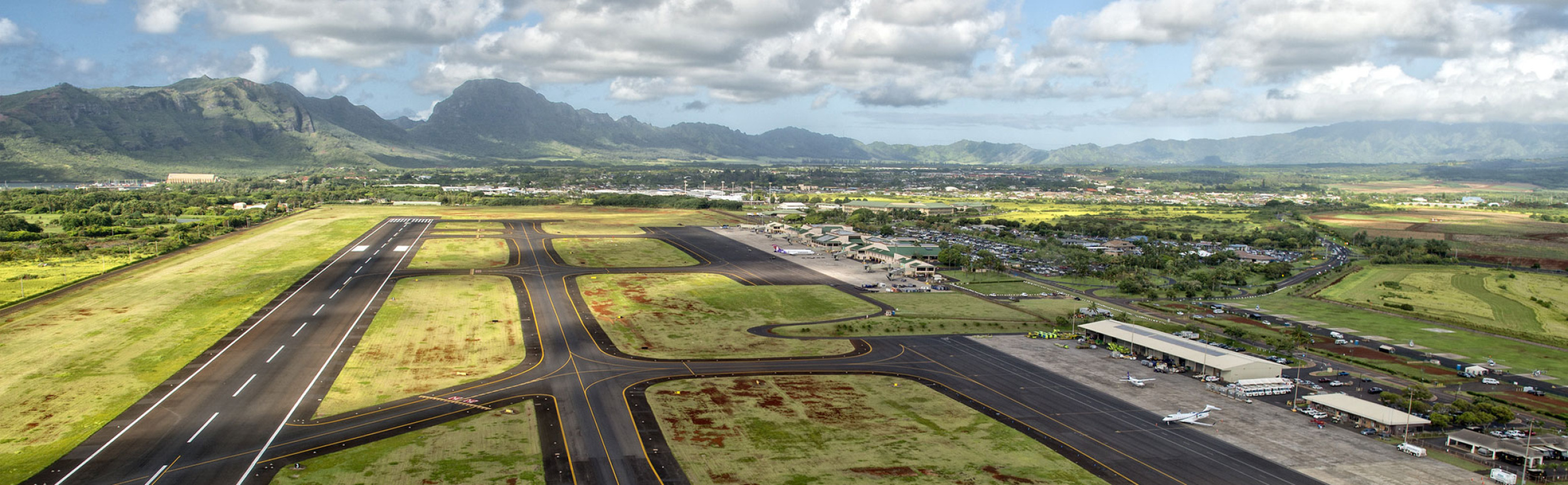
Interisland terminals are separate from the main terminals at most Hawaiian airports. At Honolulu’s Daniel K. Inouye International Airport, the interisland terminal is Terminal 2 — a different building from the international arrivals in Terminal 1. Give yourself time if you are connecting from a mainland flight.
TSA PreCheck works. If you have it, use it. Interisland security lines can hit 20 minutes during Friday afternoon rush.
Arrive 60 to 90 minutes early for Hawaiian and Southwest. The airlines recommend 90 minutes, but 60 is realistic if you have no checked bags and are using mobile boarding passes.
Arrive 30 minutes early for Mokulele. Their terminals are tiny — often a single room with a counter. Check-in takes two minutes.
Parking is expensive at all Hawaiian airports. If someone can drop you off, do that. Otherwise, rideshare to the terminal. At HNL, the cell phone lot is free and the Wiki Wiki shuttle connects the interisland and main terminals.
One thing that catches mainlanders off guard: there is no interisland ferry service in Hawaiʻi. The Hawaiʻi Superferry shut down in 2009 after environmental lawsuits, and no replacement has materialized. Flying is the only option between islands unless you charter a boat.
Best Island-Hopping Combos
Not all two-island combinations work equally well. Some pair naturally; others waste too much transit time for what you gain.
Maui + Big Island is the strongest combo for most travelers. You get beaches, snorkeling, and the Road to Hāna on Maui, then volcanoes, manta rays, and coffee farms on the Big Island. Completely different experiences, and the Kahului-to-Kona flight is just 40 minutes.
Oʻahu + Kauaʻi works well if you want city energy and history (Pearl Harbor, Waikīkī, North Shore) paired with raw nature (Nā Pali Coast, Waimea Canyon). The Honolulu-to-Līhuʻe flight is 35 minutes.
Oʻahu + Maui is the most popular combo because flights are frequent and cheap, but the islands overlap more than people expect — both have resort areas, good snorkeling, and tourist infrastructure. You get variety, but not the dramatic contrast of pairing a resort island with a rugged one.
Any island + Molokaʻi or Lānaʻi is for travelers who want something most visitors never see. Molokaʻi has no traffic lights and no resort hotels. Lānaʻi has one luxury resort and empty beaches. Both require Mokulele flights, and both reward the effort.
Loyalty Programs and Credit Card Perks
The Oneworld Alliance merger reshuffles the loyalty landscape starting April 22, 2026. Here is what matters for interisland travelers:
HawaiianMiles members now earn miles redeemable across all Oneworld partners — Alaska, American, Qantas, Cathay Pacific, Japan Airlines, and more. Top-tier Hawaiian status (Pualani Platinum/Gold) maps to Oneworld Sapphire or Emerald, which unlocks lounge access and priority boarding globally.
Southwest Rapid Rewards still offers the Companion Pass, which lets a designated companion fly free on every flight you take — including interisland hops. If two of you are island-hopping together, this pass effectively cuts your interisland flight costs in half.
The Hawaiian Airlines World Elite Mastercard ($99/year) gets you two free checked bags, a $100 companion fare discount, and 3x miles on Hawaiian purchases. If you are doing three or more interisland flights, the bag savings alone cover the annual fee.
For a trip focused on Hawaiʻi, pick one ecosystem and commit. Splitting flights between Hawaiian and Southwest to chase the lowest fare on each leg means you earn meaningful rewards in neither program.
Mistakes to Avoid
Booking a same-day connection from a mainland flight. Your mainland flight lands at HNL Terminal 1. Your interisland flight departs from Terminal 2. You need to collect bags, clear any ground transport, walk or shuttle between terminals, and clear security again. If your mainland flight is 15 minutes late, you miss your connection. Build in at least three hours.
Assuming ferries exist. They do not. First-time visitors Google “ferry Maui to Big Island” and find nothing because there is nothing to find. Plan on flying.
Ignoring Mokulele. Most booking sites do not list Mokulele flights. If you are headed to West Maui, Hāna, Molokaʻi, or Lānaʻi, check their site directly.
Overpacking for two nights. You are flying in a small plane on a short hop. One carry-on bag for a two-night island hop keeps everything simple. Laundry services exist. Rent a car on the second island instead of hauling gear.
Trying to see three islands in seven days. Two transit days eat into your beach time. Two islands in seven to ten days is the sweet spot. Three islands need at least twelve days to feel unhurried.
Plan Your Island-Hopping Trip
More resources for getting between and around the Hawaiian Islands.