

Where to Stay on Maui: Best Areas by Region
Maui splits into five regions, and the one you pick shapes your whole trip. West Maui (Kaʻanapali, Kapalua, Napili) is the classic resort strip — beachfront hotels, calm swimming water, 45 minutes from the airport. South Maui (Kīhei, Wailea) is drier and sunnier, with Wailea's luxury resorts on one end and Kīhei's budget condos on the other. East Maui (Pāʻia and Hāna) is small inns and B&Bs along the Road to Hana — scenic, isolated, wet in winter. Central Maui (Kahului, Wailuku) is convenient and affordable but not scenic. Upcountry (Kula, Makawao) is cool-weather hillside lodging close to Haleakalā with no beach access.
Most first-time visitors book Kaʻanapali or Wailea for the resort experience, Kīhei for a condo-and-rental-car trip on a budget, or a night in Hāna if they're driving the Road to Hana. Here's what each region actually trades off.
Hotel Links & Support
Aloha! As you explore our recommendations for the best places to stay, you'll see helpful links to each hotel or accommodation listed. When you're ready to book or check rates, using these links supports HawaiiGuide directly, allowing us to continue providing you valuable, up-to-date travel info completely free. Mahalo for your support—your clicks truly make a difference and help keep our website growing!
Finding a Place on Maui
Maui isn’t a huge island — 48 miles long, 26 miles wide, 728 square miles total — but it’s spread out enough that where you sleep dictates your daily drive. Haleakalā to the east and the West Maui mountains to the west are separated by a low valley isthmus (hence “The Valley Isle”), and there’s no road at all between South Maui and Upcountry. Once you pick a base, you’re committing to that side of the island.
A few practical notes that shape the decision:
- Airport: Kahului (OGG) sits in Central Maui. Almost everyone rents a car here. Expect 20–30 minutes to Kīhei, 45 minutes to Kaʻanapali, 2–2.5 hours to Hāna.
- Big-box shopping: Costco, Target, and local grocery stores cluster in Central Maui near the airport — easy to stop on the way in.
- Resort clusters: West Maui (Kaʻanapali, Kapalua) and South Maui (Wailea) hold the island’s full-service beachfront resorts.
- Budget bases: Kīhei has the deepest inventory of mid-range condos. Central Maui has the cheapest standalone hotels but isn’t scenic.
Get Your Free Maui Guide
Instant access — opens immediately
- Beaches, activities & top spots
- Restaurant & dining recommendations
- Maps, itineraries & insider tips
Want the full offline version? Get the Complete Maui Guidebook →
On this page, we'll cover each of the major Maui regions you can find accommodations within. Here are this page's highlights...
- Explore the West Maui Region including its pros and cons
- Discover the South Maui Region with its condos & more
- Explore the East Maui Region including some amazing places in Hana town
- Discover places to stay in the Central Maui Region
- Explore accommodation options in the Upcountry Maui region
- Watch our Where to Stay on Maui video
- Search for Maui Hotels and find the Best Rates
Maui Monthly Accommodation Rates
Average Rates for Hotels & Vacation Rentals

Maui Average Lodging Rates
Looking for a vacation rental instead?
Search Maui Vacation Rentals on Vrbo »
Maui Accommodations by Region
We’ve ordered the regions below roughly by how most visitors use them — West Maui and South Maui first (where the bulk of the resort inventory sits), then East Maui (Road to Hana), Central Maui, and Upcountry. Each region section below covers what it’s best for, the real trade-offs, and the hotels and condos we actually recommend there.

West Maui
Staying in West Maui
Including Ka'anapali and Kapalua
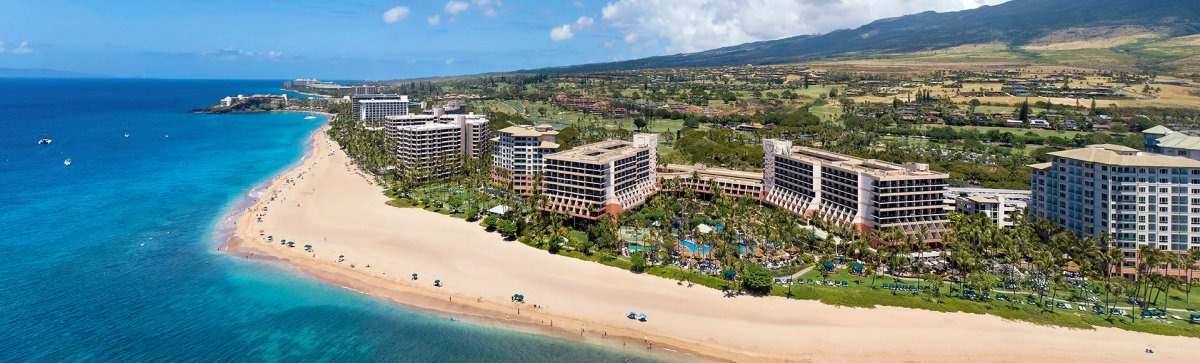
West Maui, initially developed in the 1960s, remains one of the most popular destinations for visitors to the island of Maui. The resort area of Ka'anapali stretches along its coastline, offering the majority of accommodations and dining options on the island's western side.
For most travelers, West Maui is the widest lodging choice on the island: beachfront resorts and long-stay condos along the Kaʻanapali strip, plus a cluster of older low-rise condo complexes up the coast in Napili and Kahana that run meaningfully cheaper than the name-brand resorts. Kapalua, at the north end, is quieter and more upscale.
To get to Ka'anapali, it's about a 45-minute drive (30 miles) from Kahului Airport (OGG). For a resort-by-resort comparison of the beachfront strip, see our Kaanapali hotels and resorts guide.

West Maui
Lahaina Town After the August 2023 Wildfires
The August 2023 wildfires destroyed most of historic Lahaina town, including almost the entire length of Front Street. Lahaina is in long-term recovery, and large parts of the town remain closed to visitors as rebuilding continues. The Kaʻanapali resort strip just north of Lahaina was not burned and operates normally. Kapalua, further north, is unaffected. We ask visitors to West Maui to be respectful of residents still displaced by the fires, and to check an operator’s own site for current status before booking anything inside historic Lahaina itself.
Why Stay in West Maui
Beaches: Kaʻanapali Beach is the signature stretch — three miles of sand fronting the main resort row, with a paved beachfront walkway connecting hotels, Whalers Village (an open-air mall with dining and shops), and Black Rock at the north end, which is a popular easy-entry snorkel spot.
Weather: West Maui sits on the leeward side and is typically dry and sunny, especially along the coast.
Water time: The Kaʻanapali to Napili coast stays relatively calm most mornings, which makes it one of the better stretches on the island for casual swimming and beginner snorkeling.
The Drawbacks of Staying in West Maui
Like any other place, West Maui has some drawbacks.
With so many visitors choosing this more developed region, crowds pack this area more than other island parts. Prepare yourself for longer drives to reach popular destinations. For instance, the distance between West Maui and some other major attractions on the island, like the Hana Highway (Road to Hana) and the Haleakala summit, requires a vehicle.
Our Recommended Accommodations to Stay in West Maui
Including Ka'anapali and Kapalua
Napili Bay Area: Great for privacy and calmness. You can also find hotels on the beaches, like high-end hotels, and budget-friendly hotels. Consider the condos and smaller inns near the beach for those planning a more extended stay. These lodgings come with kitchens. Despite showing their age, these lodgings still maintain a charming appeal. Plus, they are in an unbeatable location.
Kapalua Bay Area: If you seek silence and luxury, look no further than the resort area of Kapalua, a favorite spot for golfers. Here you’ll find the Ritz Carlton Kapalua - one of the best vacation accommodations in Maui.
Kaanapali: Beach-fronted accommodations include the best resorts that offer luxury like the Sheraton Maui, Kaanapali Beach Hotel, Hyatt Regency Maui Resort, and Marriot (amongst others).
The Pros and Cons of Staying in West Maui
- Dry, sunny leeward-coast weather most of the year
- Calm swimming water along Kaʻanapali, Napili, and Kapalua
- Full-service resorts plus older cheaper condo complexes on the same strip
- Walkable beachfront corridor with dining and shops at Whalers Village
- Busy and pricey in peak season
- 45-minute drive back to Kahului airport
- Far from the Road to Hana and Haleakalā
- Lahaina town is still in long-term recovery from the 2023 fires

South Maui
Staying in South Maui
Including Kihei and Wailea
The South Region of Maui, which includes the towns of Kihei and Wailea, has a unique appeal for visitors. While it may not be the most popular area, the Southside offers excellent options for those traveling to the island. Kihei is approximately a 20 to 30-minute drive (about 10 miles) from Kahului Airport (OGG), and Wailea is another 10 minutes beyond Kihei, making it around 17 miles from the airport.

South Maui
Why Stay in South Maui
Beaches: Kihei’s Kamaʻole I, II, and III front the main condo strip; Wailea has the crescent-shaped Wailea, Ulua, and Polo Beach in front of the resorts. All five are well-suited for swimming and beginner snorkeling.
Weather: South Maui is the driest, sunniest part of the island — even drier than Kaʻanapali. Expect more sun and less rain year-round.
Surf lessons: The south end of Kihei (Cove Park) has the gentle, consistent waves Maui’s surf schools use for first-time lessons.
Closer to the airport: Kihei is a 20–30 minute drive from Kahului, Wailea about 10 minutes further — handy if you’re doing Haleakalā sunrise or an early snorkel charter.
The Drawbacks of Staying in South Maui
Like West Maui, South Maui holds some drawbacks as a destination spot. Despite the number of eateries, some fall short in taste or ambiance. You can find too many shops that possess tackier items. Kamaole Beaches I, II, and III can often fill up during the day and feel pretty busy. Thus, research your options to find a fine-dining experience.
Wailea is a fantastic place to stay; it’s incredibly upscale - but there’s not much else to do there. Plus, many south Maui calls for a long drive to reach the island’s popular destinations like the Road to Hana or Haleakala. Despite some maps, there is NO road connecting South Maui to Upcountry Maui. Subsequently, the only way to reach Upcountry Maui and Haleakala is to drive back towards Kahului and then continue from there.
Our Recommended Lodgings for Staying in South Maui
Including Kihei and Wailea
Kihei: The area offers a wide variety of condos. You can find a good deal for your budget. Many of their newer condo rentals rest a few blocks from the beach. Still, enjoy your short stroll to the beach.
Wailea: For high-end lodgings, look no further than Wailea. This area includes several incredible beachfront resorts, condo complexes, lovely outdoor malls, and quality restaurants. Our favorite luxury resorts include the Four Seasons Maui, Hotel Wailea, the Wailea Beach Marriott, and the Grand Wailea.
The Pros and Cons of Staying in South Maui
- Great weather year round
- A lot of cheaper accommodation rentals
- Decent selection of beaches over much of the coastline
- Not as much shopping available, just small stores
- Not as many upscale restaurant options available
- Can be rather far from the Hana Highway and Haleakala

East Maui
Staying along the Hana Highway (East Maui)
Including Paia & Hana
Many view the Eastside of Maui as a beautiful and clean stretch of road, with few people and lots of nature. The Eastside of Maui stretches through the famous Hana Highway (Road to Hana). Despite the scenic views, the few accommodations here lie rather far from each other. You can find primarily small B&Bs and inns along the highway with limited options.
Why Should You Stay in East Maui?
It’s about 53 miles from Hana town to Kahului Airport (OGG). The drive takes about 2-2.5 hours. This route takes you through some of the most beautiful scenery on the island. As you drive, you will pass a beautiful valley and see spectacular views of the ocean and mountains.
The Drawbacks of Staying in East Maui
The main downside to staying in East Maui is that beyond exploring the Hana Highway, there’s almost literally nothing to do here. It is also wetter and rainier along this stretch of the island, so be prepared for rain if you do stay here.
The Pros and Cons of Staying in East Maui
- Great proximity to the sights of the Hana Highway and Oheo Gulch
- Small, but beautiful, variety of beaches
- Can be very wet, especially during the winter
- Is geographically very isolated, a great distance from all other attractions
- Paia can experience a decent amount of rain

Central Maui
Staying in Central Maui
Including Kahului and Wailuku
Central Maui is Kahului and Wailuku — the working part of the island, close to the airport and the big-box stores. It’s not scenic and nobody books here for the views, but it’s cheap, central, and practical if you’re on a one-night arrival or a budget trip focused on day-tripping from a rental car.
Why Should You Stay in Central Maui?
Since this location is central, popular attractions like Iao Valley, driving the Hana Highway, or exploring the summit of Haleakala are equally distant from you.
The Drawbacks of Staying Central Maui
As with East Maui, you’ll find limited options for activities. Most activities will require some long drives.
Our Recommended Lodgings to Stay in Central Maui
For the best options in this area, look for the retreats and small inns (closer to Paia, in East Maui).
The Pros and Cons of Staying in Central Maui
- Decent variety of shops available
- Great proximity to most of the island, including the Hana Highway
- Limited accommodations are present in these areas
- Wailuku can experience a good bit of rain
- Not very scenic in most of central Maui
- Limited selection of beaches

Upcountry Maui
Staying Upcountry on Maui
Including Haleakala and Kula
Upcountry covers the cooler hillside towns on the slopes of Haleakalā — Kula, Makawao, Pukalani, Haʻikū. Lodging here is small inns, B&Bs, and vacation rentals; there are no beachfront resorts and no actual beaches.
Why Stay Upcountry
Two main reasons people book Upcountry: the easiest base for Haleakalā sunrise (you’re already halfway up the mountain, which cuts the middle-of-the-night drive) and cooler nights than coastal Maui, which some travelers prefer. Views from Kula look down the whole central valley toward the West Maui mountains.
Why Should You Not Stay in Upcountry?
The area doesn’t offer much in the way of shopping or dining. Expect to drive a bit (likely back to Kahului) to access many places to eat and shop. There’s also no beach access in this part of Maui.
The Pros and Cons of Staying in Upcountry
- Great scenery and proximity to Haleakala
- Lack of accommodation options
- Very limited variety of stores or restaurants
- No beaches
Other Factors to Consider
Weather is a factor to consider when deciding where to stay, though, for the most part, the primary accommodation areas of Maui are relatively dry since they exist on the leeward side of the island. Around Ka'anapali, West Maui is slightly more lush than South Maui, near Kihei. During the onset of the winter months (late November - early March), Maui experiences more clouds and rain across the island. For more information about Maui's weather, check out our Maui Weather article.
Suppose you plan to drive the majestic Road to Hana and visit Haleakala National Park, both of these attractions can be seen by travelers staying in West and South Maui on a single (but long) day. When it comes to the Hana Highway ('Road to Hana'), we recommend spending at least one night in Hana town or a B&B near the start of the drive.


Free Maui Hotel & Resort Finder
Discover the perfect hotel, resort, or other lodging on Maui using our Maui Hotel & Resort Explorer. Simply enter what type of hotel or resort you are looking for and our intelligent widget will narrow Maui lodging down to only the best options for you.
You can also chat with our widget about which areas on Maui might be best for you geographically, allowing you to find the perfect hotel or resort in the best location on the island.
Maui Hotel Explorer
Our Maui Condo Vacation Rental Suggestions
Best Areas to Stay on Maui by Traveler Type
Best place to stay for families:
-
Kaʻanapali (West Maui): Known for its dry weather and lush green landscapes, Kaʻanapali is ideal for families. The area offers a mix of resorts, calm beaches, and family-friendly attractions like Whalers Village and snorkeling at Black Rock.
-
South Maui: Areas like Wailea and Kīhei are perfect for families who want sunny weather, great beaches, and easy access to restaurants, shops, and outdoor activities. South Maui’s calm waters and laid-back atmosphere make it an excellent choice for traveling with kids.
Best place to stay for Beach Bums:
-
Pāʻia (North Shore): This bohemian surf town offers a relaxed vibe, golden beaches, and an eclectic mix of cafes and shops. Baldwin Beach and Ho‘okipa Beach are favorites among sun-seekers and surfers alike.
-
Wailea (South Maui): With its pristine, crescent-shaped beaches like Wailea Beach and Polo Beach, this area is a paradise for beach lovers who enjoy a touch of luxury.
-
Kaʻanapali (West Maui): One of Maui’s most iconic beach destinations, Kaʻanapali features soft sands, crystal-clear waters, and vibrant oceanfront activities.
-
Kīhei (South Maui): Known for its affordable accommodations and sunny weather, Kīhei boasts miles of beaches ideal for swimming, snorkeling, and beachcombing.
Best place to stay for luxury seekers:
-
Wailea (South Maui): Home to some of the most luxurious hotels on Maui, Wailea offers high-end accommodations like the Grand Wailea and the Four Seasons Resort Maui. With championship golf courses, world-class spas, and fine dining, it’s a haven for luxury travelers.
-
Kaʻanapali (West Maui): The West Coast is another hub for luxury resorts, such as The Ritz-Carlton in Kapalua and the Hyatt Regency in Kaʻanapali, offering upscale amenities and oceanfront elegance.
Best place to stay for backpackers:
-
Wailuku (Central Maui): Backpackers will appreciate Wailuku’s affordable accommodations and proximity to historic sites like ʻĪao Valley and the Maui Tropical Plantation.
-
Pāʻia (North Shore): This town’s relaxed vibe and affordable options, like hostels and budget inns, make it a favorite among budget-conscious travelers.
-
Kīhei (South Maui): A great base for outdoor activities, Kīhei offers affordable lodging and easy access to beaches and snorkeling spots.
Best place to stay for those seeking campgrounds:
-
Upcountry Maui: Perfect for those who love the outdoors, Upcountry offers camping near breathtaking landscapes.
-
Waiʻānapanapa State Park: Located on the Road to Hana, this park features black sand beaches and sea caves.
-
Kīpahulu (Haleakalā National Park): Ideal for adventurers, this area offers waterfalls and rugged trails.
-
Camp Olowalu: A remote gem on West Maui’s coast, Olowalu offers beachfront camping with stunning sunset views.
Best place to stay for surfers:
-
Pāʻia (North Shore): Famous for its consistent waves, Pāʻia is a hotspot for surfers of all levels. Ho‘okipa Beach is particularly renowned for windsurfing.
-
Kīhei (South Maui): Though better known for its calmer waters, Kīhei has spots like Cove Park, where beginners can catch smaller waves.
Best place to stay for couples on a romantic getaway:
-
Wailea (South Maui): With its luxurious resorts, tranquil beaches, and scenic sunsets, Wailea offers a dreamy setting for romance. Couples can enjoy spa treatments, intimate dinners, and private beachfront strolls.
-
Kīhei (South Maui): Offering a mix of charming B&Bs, private inns, and beachfront condominiums, Kīhei is a more laid-back option for couples seeking romance without breaking the bank.
Best place to stay for adventurer seekers:
-
West and South Maui: Staying in these areas puts you near two of Maui’s most iconic adventures—Haleakala National Park and the Road to Hana.
-
Hāna Town: For a truly immersive experience, spend at least one night in Hāna. This charming town on the eastern coast allows you to explore the full Road to Hana experience, including its waterfalls, hiking trails, and Waiʻānapanapa State Park. See our full Where to Stay in Hana guide for the best hotels, vacation rentals, and camping options.
-
Makawao (Upcountry Maui): For those looking to hike, zipline, or explore local farms and botanical gardens, Upcountry Maui offers plenty of excitement away from the crowds.
Maui Transportation Options
Transportation on Maui is diverse, allowing visitors to choose based on their preferences and the nature of their itinerary.
- Car Rentals: Renting a car is a popular choice (we recommend Discount Hawaii Car Rental), allowing you to explore the island at your own pace. Maui's attractions are spread out, making a car a convenient choice.
- Public Buses: Maui Bus operates a public transit system that covers various parts of the island. It's an economical choice, though it may be less convenient due to its schedule and route limitations.
- Shuttle Services: Some resorts offer shuttle services to popular destinations, providing a hassle-free option for guests.
- Bicycling: Maui's picturesque landscapes make biking a delightful experience, and bike rentals are available in several areas.
- Taxis and Ride-Shares: Taxis and ride-share services like Uber and Lyft operate on Maui, offering a convenient option for short distances or if you prefer not to drive.
- Walking: In more compact areas like Ka'anapali and Wailea, walking is a feasible way to get around, enjoy the scenery, and immerse yourself in the local atmosphere.
Local Maui Customs and Visitor Etiquette
A few local customs visitors routinely miss — none of this is required, but it lands well with residents and keeps you from looking oblivious:
- Greetings: It's customary to greet others with a friendly "Aloha" which means hello, goodbye, and love.
- Shoes Off Indoors: It’s a common practice to remove one’s shoes before entering someone’s home.
- Respect the 'Aina: Show respect to the land by not littering, staying on marked trails, and not taking anything from natural sites.
- Don’t Rush: The pace of life is slower in Hawaii; embrace the relaxed pace and don’t rush.
- Respect Sacred Sites: Many areas in Hawaii are considered sacred; obey posted signs and keep a respectful distance.
- Driving Etiquette: Drive with aloha; let others merge, and wave a thank-you (or practice your best 'shaka' sign) if someone lets you in.
Quick Picks by Trip Type
If you only read one section:
- First trip, want the classic Maui resort experience: Kaʻanapali (West Maui). See our Kaʻanapali hotels and resorts guide.
- Upscale adults / honeymoon: Wailea (South Maui). Luxury resorts, the driest weather on the island, short hop from the airport.
- Family on a budget with a rental car: Kīhei (South Maui). Condos with kitchens, miles of swimming beaches, decent grocery options.
- Doing the Road to Hana: One night in Hāna breaks the drive. See our where to stay in Hāna guide.
- Haleakalā sunrise focus or cooler nights: Upcountry (Kula, Makawao). Small inns and B&Bs, closer to the summit.
- One-night layover or flight-in-flight-out: Central Maui (Kahului) — cheapest and closest to OGG, but not scenic.
Also worth reading before you book: our best time to visit Maui guide — the “best” area can shift a bit by month depending on surf, rainfall, and crowd levels.